Television series
Stories of the Century
A half-hour syndicated anthology from 1954, dramatizing the deaths and misdeeds of real Old West outlaws — Jesse James, Billy the Kid, the Daltons — with railroad detective Matt Clark conveniently on hand to narrate each one. It's cheap, brisk, and cheerfully unbothered by accuracy: pulp history dressed as a gunfight. For anyone nostalgic for black-and-white frontier justice served fast and simple.
If you liked this
The Life and Legend of Wyatt Earp1955no page yet
Hugh O'Brian's Earp swaps the rotating cast of outlaws for one continuing hero, following a real lawman's career week to week with actual gunfights woven in.
But The hagiography is thick — Earp comes off suspiciously spotless, and the show never complicates its hero.
Tales of the Texas Rangers1955no page yet
Same true-crime-of-the-frontier premise, following Rangers instead of outlaws, with the same clipped, case-file energy and tidy sense of justice served.
But It's just as thin on nuance as its cousin, and even less remembered today.
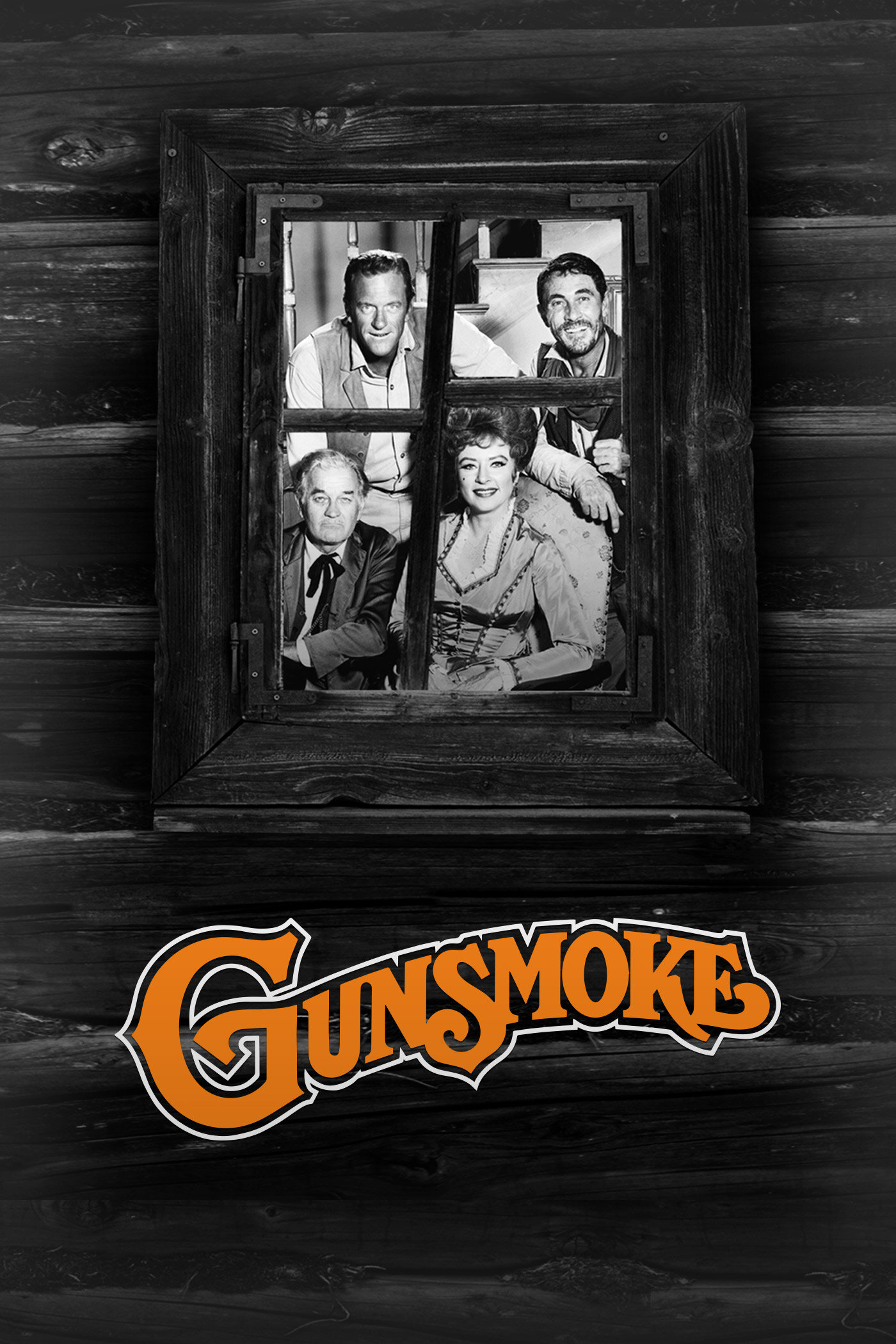
Gunsmoke1955
The Western that grew up — same frontier, same violence, but with real characters instead of legends, and a marshal who actually wrestles with what justice costs.
But Twenty seasons is a lot to take on; even just the black-and-white years are a serious commitment.
The wildcard
Something you would not have found on your own.
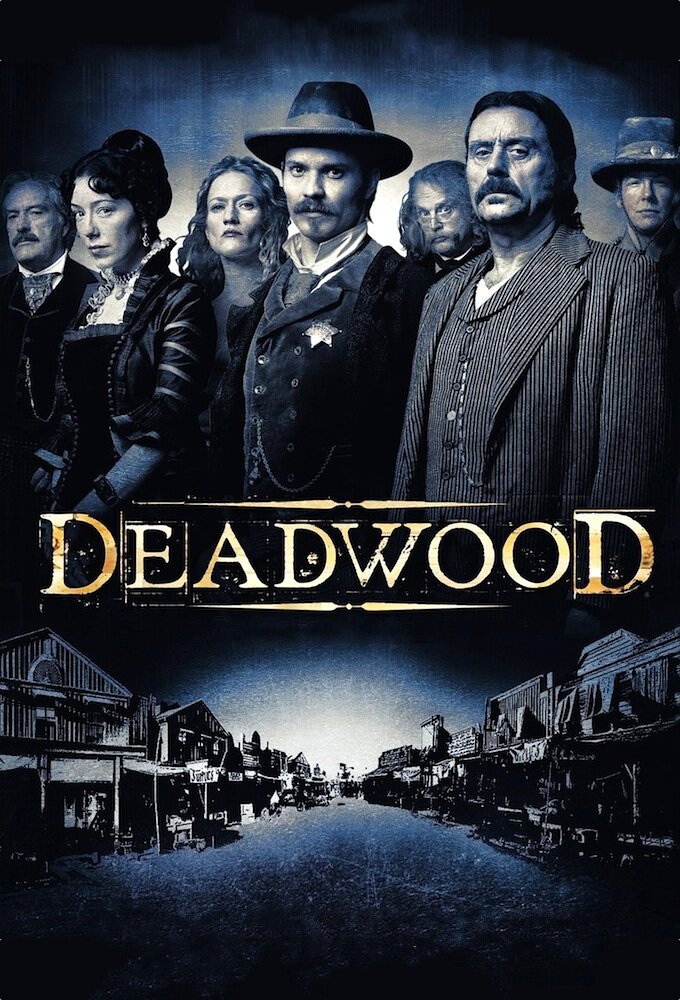
Deadwood2004
Both dramatize the same real Old West figures and towns — Deadwood just refuses to sand off the violence, greed and language the earlier show smoothed over for syndication.
Same outlaws, same frontier towns, same appetite for real historical figures — but filthy, profane, and psychologically merciless where Stories of the Century was tidy and brief.
But The Shakespearean profanity and slow-burn plotting are a world away from half-hour pulp; it demands real patience.
More like this (7)
Bat Masterson1958no page yet
A dandified, cane-wielding gunfighter based on another real Old West figure, played with far more wit and swagger than Stories of the Century ever allowed itself.
But The tone drifts toward vaudeville at times, more interested in charm than the history it claims to tell.
The Rifleman1958no page yet
Strips the format down to one family on one ranch, trading legend for intimacy — a father and son instead of a parade of famous outlaws.
But If you came for outlaws and shootouts every week, this is quieter and far more domestic.
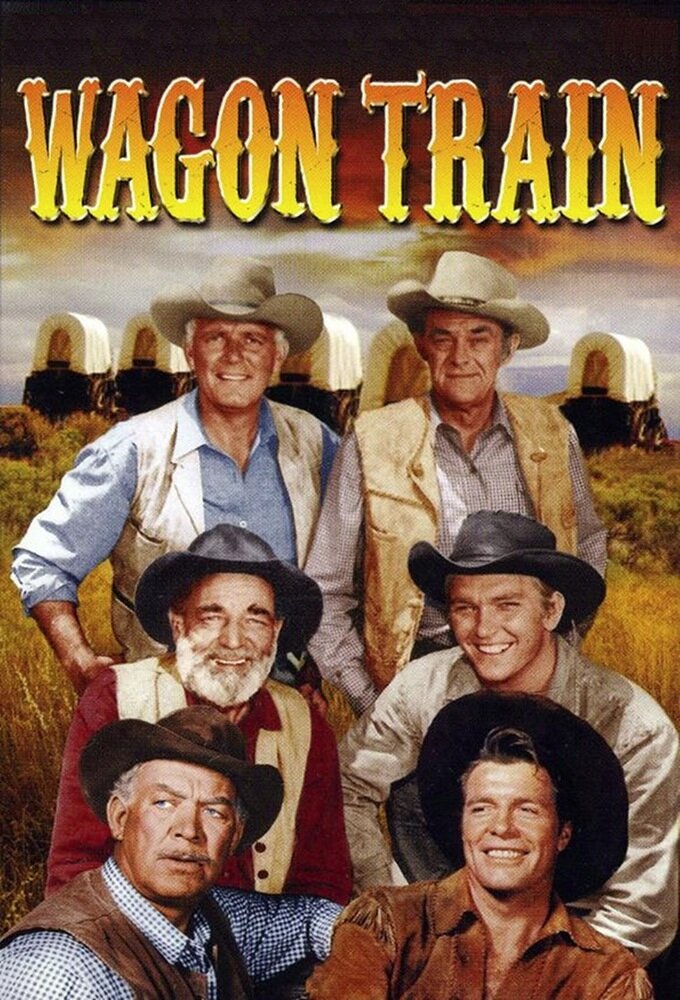
Wagon Train1957
Trades outlaw biography for episodic stories of ordinary settlers, with guest stars rotating through each week much like the earlier show's parade of legends.
But It's a long haul — close to 300 episodes — and unhurried even by 1950s Western standards.
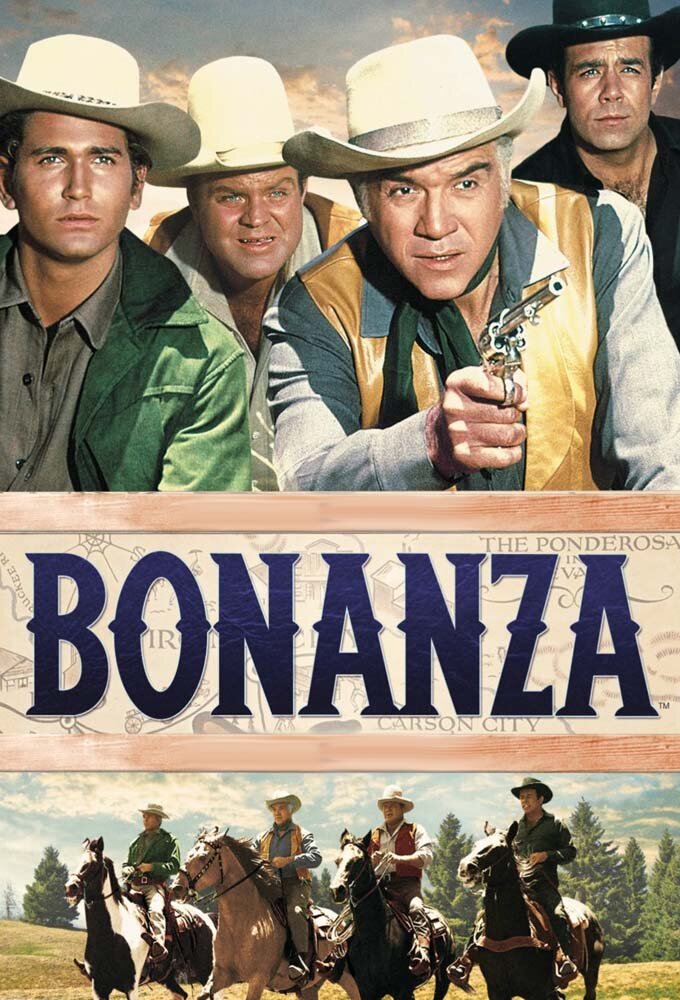
Bonanza1959
The Cartwrights turned the Western into a family drama in color, proof of how far the genre could stretch once TV had budget and patience to spare.
But Fourteen seasons of Ponderosa wholesomeness is a big ask, and a very different rhythm from a quick anthology hit.
Cheyenne1955no page yet
One of the first hour-long Western series, following a drifter through standalone adventures — a bridge between anthology brevity and later serialized Westerns.
But Clint Walker's steady stoicism can feel flat next to the incident and color of the real outlaw tales it echoes.
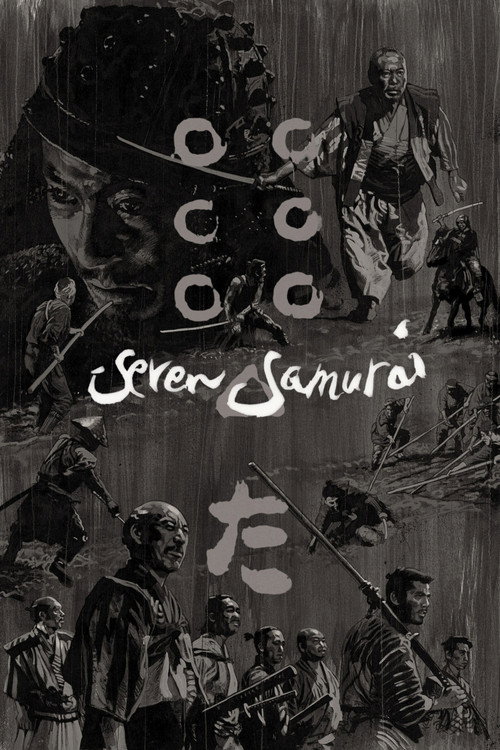
Seven Samurai1954
Same year, same outlaw-and-frontier-justice engine Stories of the Century ran on every week, just recostumed as a samurai epic — proof the Western was never only American.
Released the same year, it tells the same story Stories of the Century kept retelling — outlaws, a lawless frontier, a code of violence — relocated to feudal Japan with masterful filmmaking.
But It's three and a half hours long, in Japanese with subtitles, and asks for far more patience than a half-hour anthology.
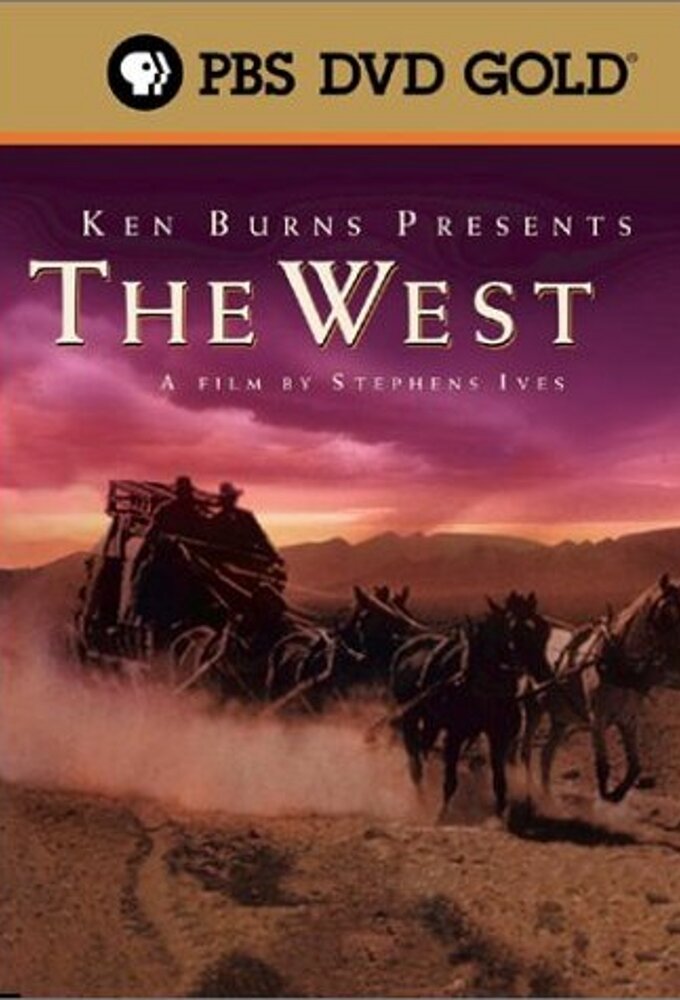
The West1996
Covers the same real outlaws and lawmen Stories of the Century dramatized, but as sobering history instead of frontier legend, showing how much the earlier show simplified.
The same legends — Jesse James, Billy the Kid, the railroads — treated as actual history rather than tidy morality plays, with the mess, racism and violence left in.
But It's long, sober, unhurried documentary television — nothing like the brisk, simplified storytelling it quietly corrects.