Television series
The Great Adventure
Other titles called The Great Adventure: the 1975 film.
A CBS anthology series from 1963 that dramatized real historical events and exploration moments, bringing significant moments from human achievement to television. Each episode was self-contained, letting viewers travel through time and discovery. It's educational without feeling like a classroom—engaging for anyone who loves history told as immediate, human adventure rather than dusty textbook material.
Should you watch it?
Watch it if you enjoy patient, old-fashioned network drama from the early sixties, the kind where a single hour is allowed to breathe and the craft of the teleplay matters more than any hook.
Skip it if you want tight modern pacing or serialized momentum, because at an hour an episode the stretches between events can feel leisurely.
What it asks of you: Settle in for an hour at a time across twenty-six installments, with a pace that trusts you to keep up without constant hooks.
Not sure? Find tonight's pick in a minute.
If you liked this
The Twilight Zone1959
Anthology format perfected: each episode is a complete, thought-provoking story with a twist. Rod Serling's narration and sharp scripts make it endlessly rewatchable and influential on everything that followed.
But Some episodes feel dated in their social commentary, and the pacing occasionally drags by modern standards. Not all twists land equally.

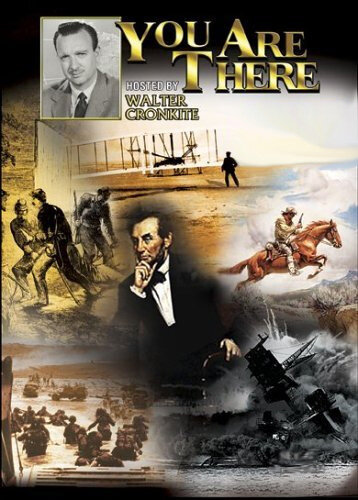
You Are There1953
CBS's earlier anthology that dramatized historical events with the same educational-but-gripping approach. Treats real moments as immediate, unfolding drama rather than settled history.
But The theatrical delivery can feel stiff, and production values are minimal. Requires patience with 1950s television conventions.
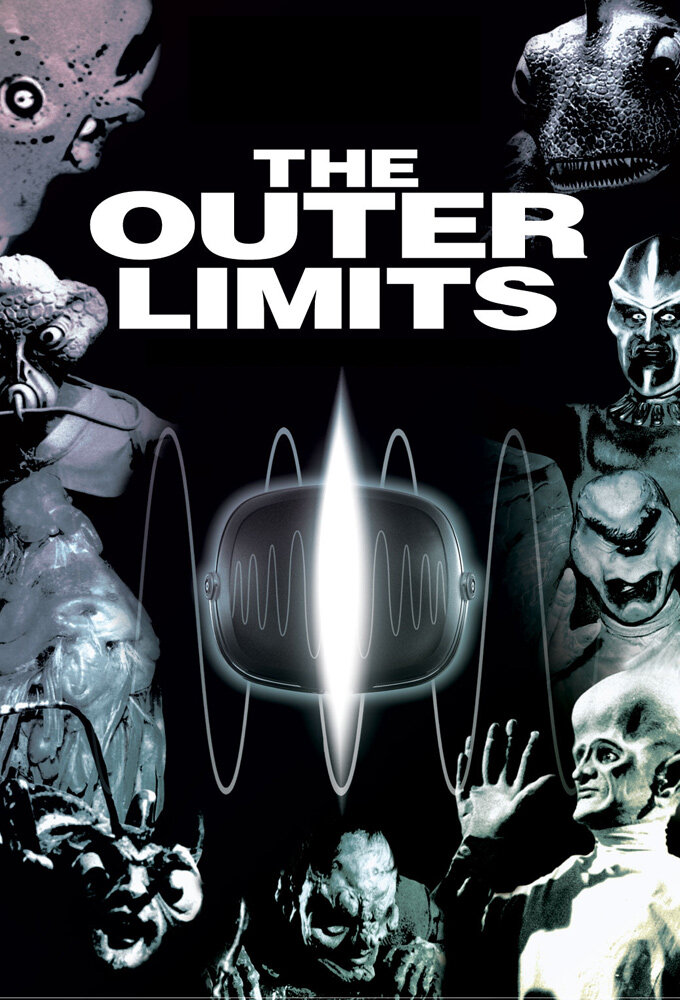
The Outer Limits1963
Contemporary anthology series that nailed the same 'self-contained story each week' format with science fiction. Imaginative premises and genuine atmosphere despite low budgets.
But Picture quality is poor and creature designs sometimes look unconvincing. Very uneven—excellent episodes sit next to forgettable ones.
Not sure tonight? Get a pick in a minute, starting from The Great Adventure
The wildcard
Something you would not have found on your own.
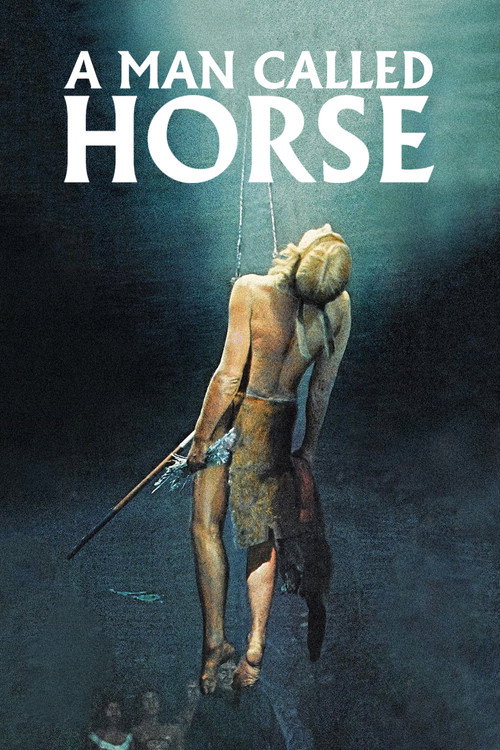
A Man Called Horse1970
Both treat historical and exploratory moments as human dramas first: not mythologizing adventure but showing its cost and complexity.
Feature film that treats frontier history as immersive experience rather than entertainment. Uncommon perspective and commitment to authenticity. Richard Harris's transformation across the story is genuinely gripping.
But Violent and blunt in ways that won't sit well with everyone. The runtime stretches the narrative and some sequences test patience.
More like this (7)
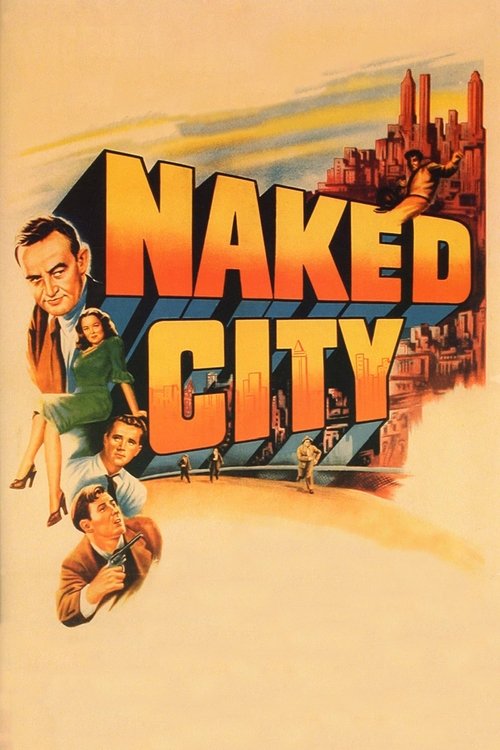
The Naked City1948
Urban anthology where New York itself is the constant character. Different story each week but all rooted in real police work and human struggle. Gritty and surprisingly moving.
But Episodic format means no character development or ongoing stakes. Some stories are stronger than others, so watching order matters less but consistency wavers.
Going Places1990
Later anthology series that captures that travel-and-discovery spirit with more modern production. Real locations, real stories, engaging hosts guiding you through each place.
But Feels safer and more tourist-board than genuinely adventurous. Production gloss sometimes overwhelms the substance of what's being shown.
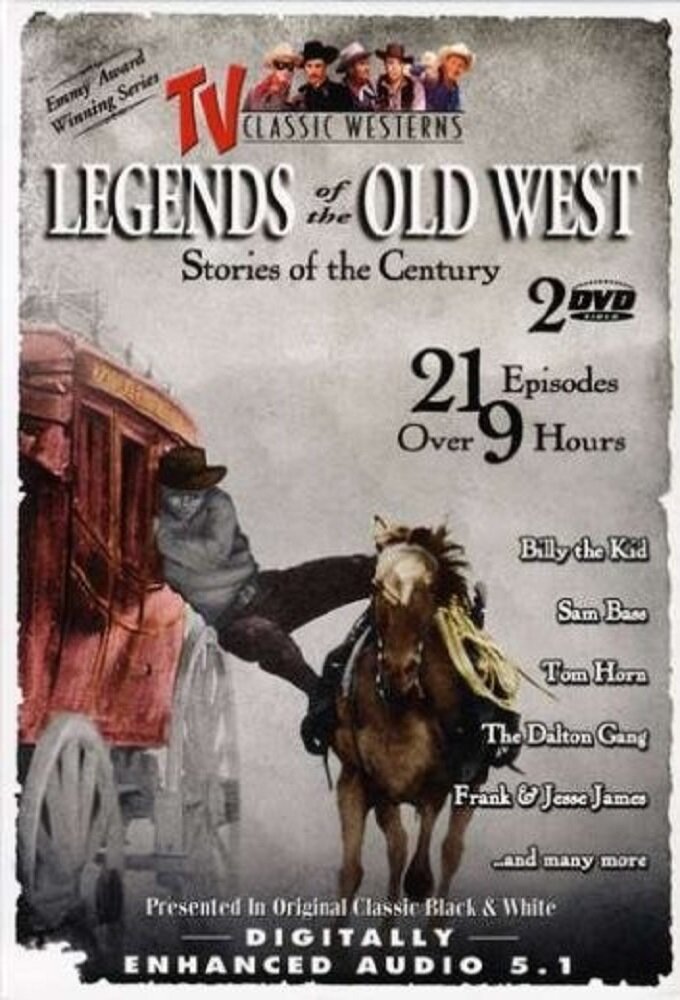
Stories of the Century1954
Western anthology where each episode recounts a famous outlaw or frontier event. Real historical figures treated as dramatic protagonists, not myths. Surprisingly grounded.
But Heavily stylized Western tropes dominate even the historical parts. Production limitations mean action scenes feel stagebound and slow.
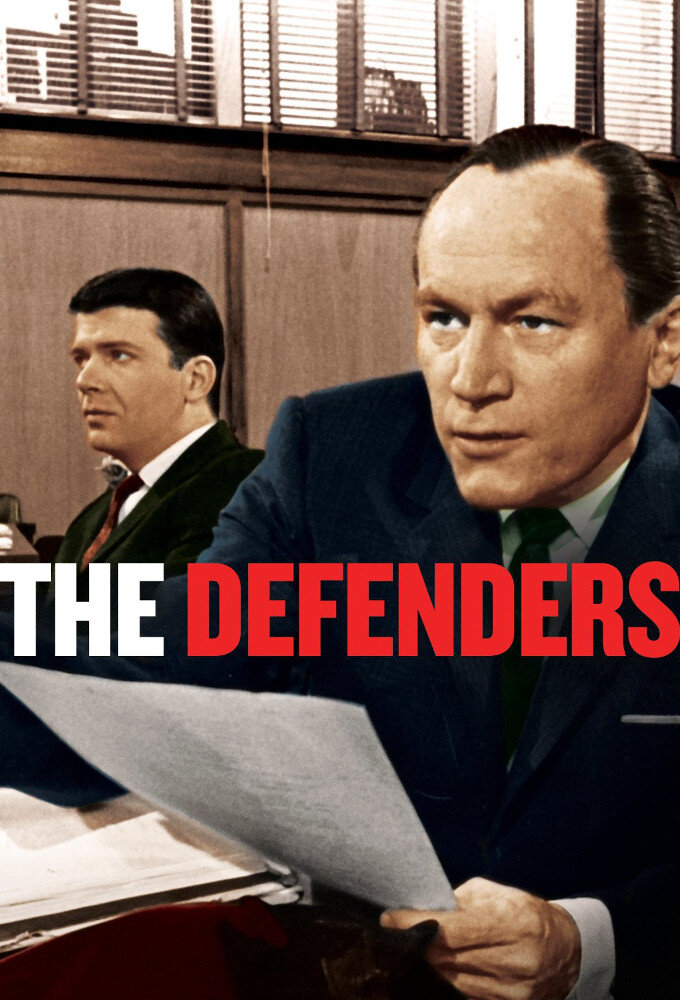
The Defenders1961
Anthology drama focused on different legal cases each week. Intelligent writing, stellar acting, and genuine moral complexity that respects the audience's intelligence.
But Heavy on courtroom dialogue and argument rather than action. Can feel like theater rather than television, which won't appeal to everyone.
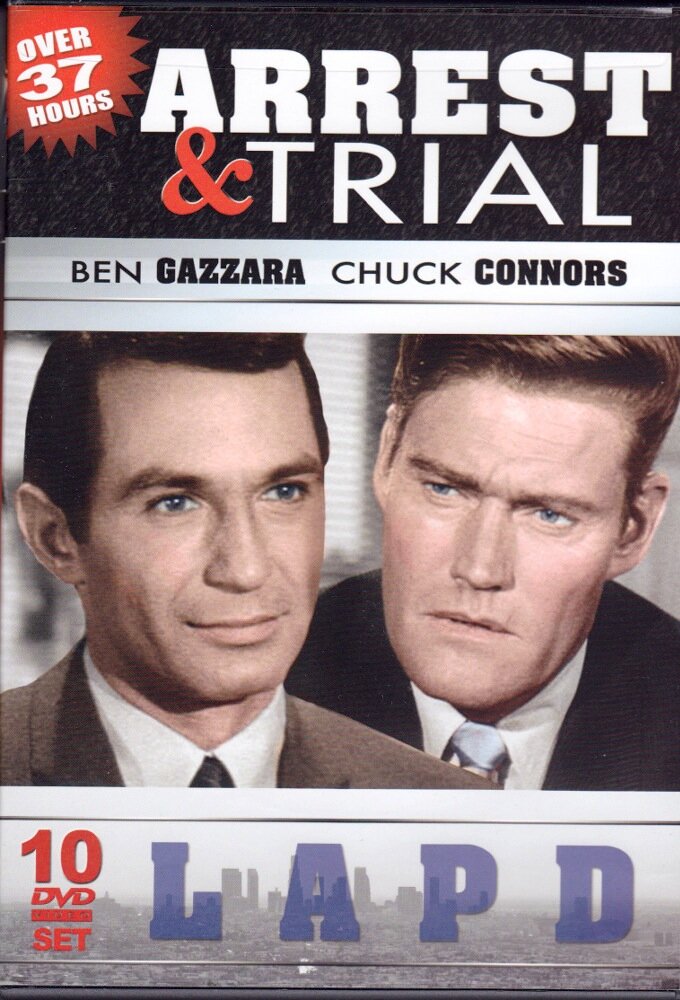
Arrest and Trial1963
Legal anthology from the same era that balances drama with procedural detail. Each case is self-contained but feels rooted in actual law and consequence.
But Pacing is deliberate and sometimes plodding. The cases themselves are often mundane despite being competently produced.
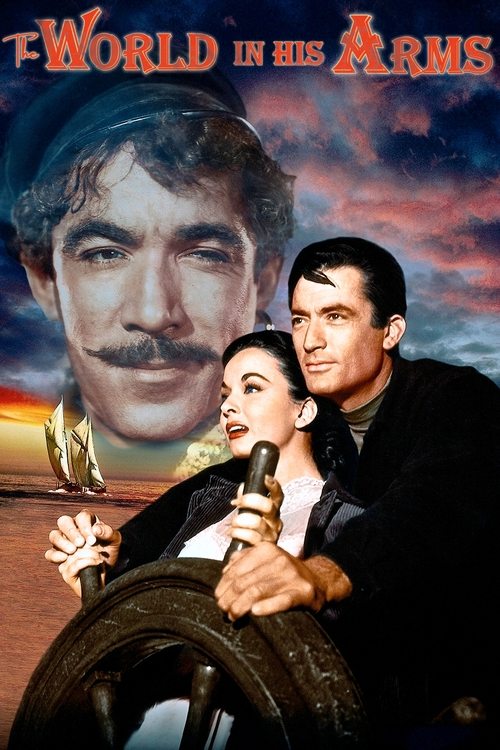
The World in His Arms1952
Same approach: real historical exploration and discovery framed as immediate, personal adventure for individual stakes rather than abstract importance.
Thrilling seafaring adventure about Russian fur traders and Alaska exploration. Genuine locations, romance, and stakes. Gregory Peck and Ann Blyth have real chemistry in a rousing, often overlooked adventure.
But Technicolor melodrama means it wears its emotion openly. Some plot elements feel convenient and the pacing occasionally gets sentimental.
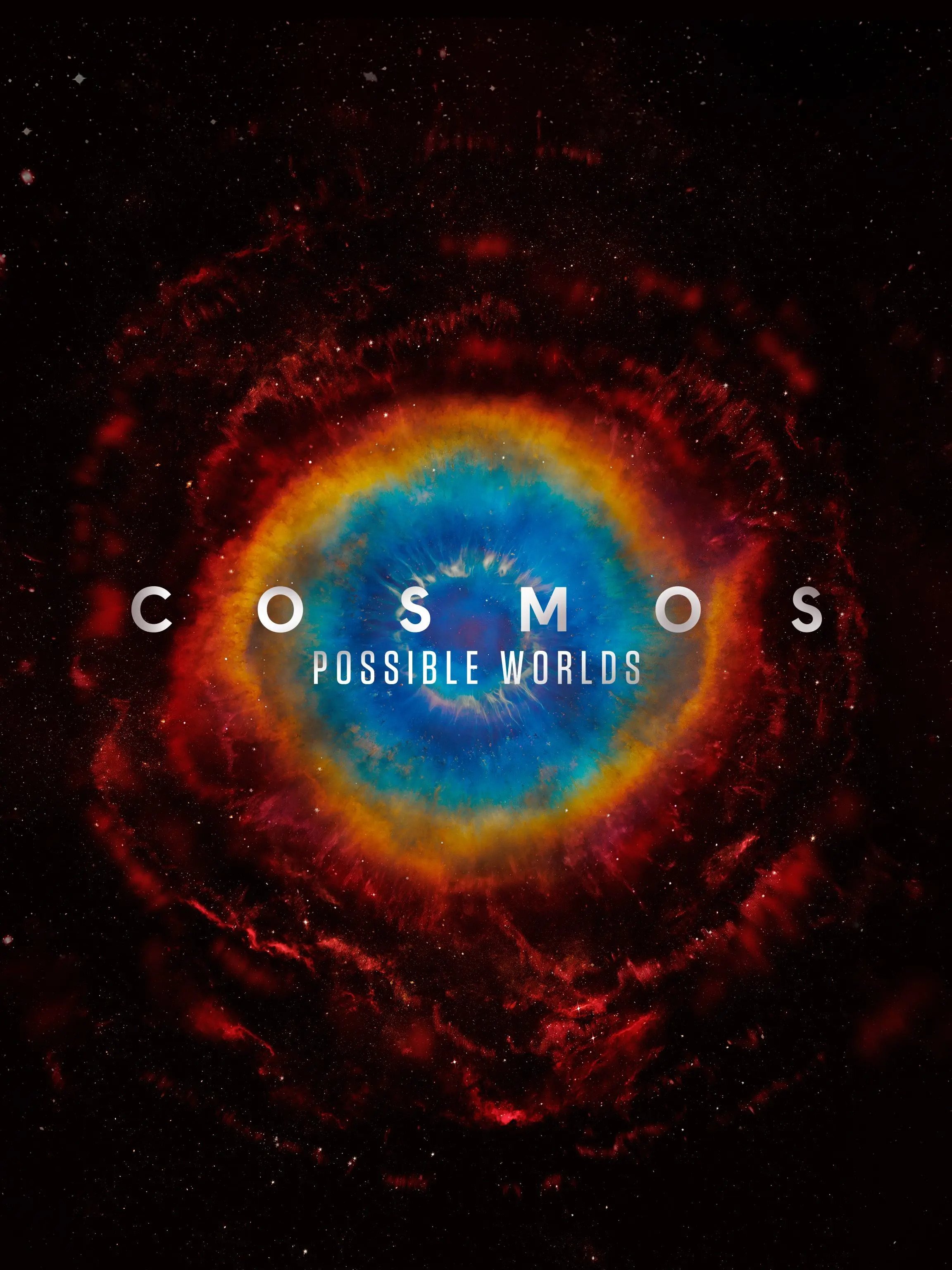
Cosmos1980
Adventure framed as discovery of the unknown; transforms historical and scientific moments into narrative experiences. Both believe genuine understanding breeds genuine awe.
Carl Sagan's successor—visually stunning and genuinely moving meditation on human discovery and exploration. Neil deGrasse Tyson's infectious wonder makes even complex ideas feel like adventure stories.
But Heavy on narration, light on interaction. Modern sensibility may feel didactic to some, and the production occasionally prioritizes spectacle over substance.