
Film
The Great Adventure
Other titles called The Great Adventure: the 1963 series (CBS).
A 1975 adventure film set during the Gold Rush, following an orphaned boy and his dog against the Yukon wilderness and frontier greed. Jack Palance anchors this earnest, physical Western with genuine stakes and beautiful desolation. It's for viewers who want adventure without irony—the kind where survival matters and loyalty is everything.
If you liked this
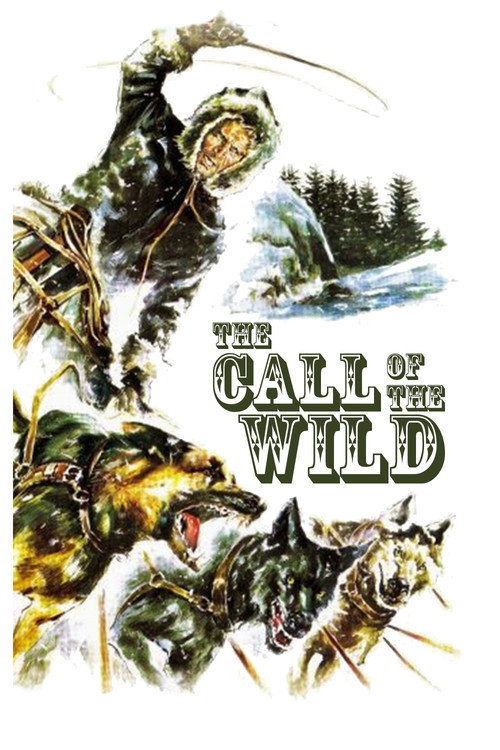
The Call of the Wild1972
A similarly rugged Jack Palance film about man and nature in harsh terrain. Beautiful cinematography of untamed wilderness, with Palance bringing weathered authority to a landscape that feels genuinely hostile and unforgiving.
But The pacing is slow and meditative rather than action-driven. Long stretches prioritize atmosphere over plot momentum, which can feel glacial if you're expecting steady excitement.
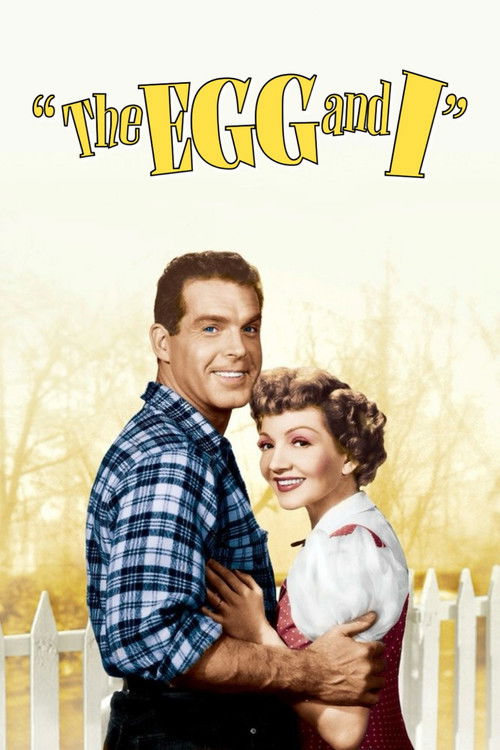
The Egg and I1947
Claudette Colbert and Fred MacMurray navigate frontier life and unexpected bonds in the Pacific Northwest. It captures that same frontier-town spirit and the clash between civilization and wildness with humor and heart.
But It's a romantic comedy-drama at heart, so if you want adventure-first storytelling, the emphasis on relationship dynamics may feel like a detour.
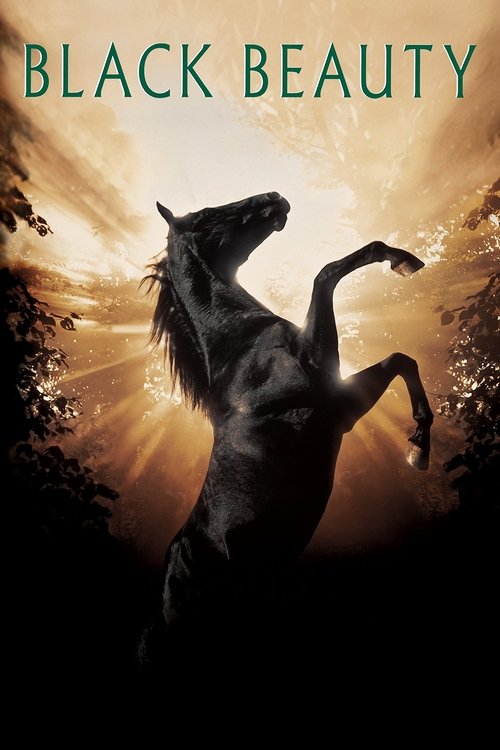
Black Beauty1994
Another animal-companion coming-of-age story in a historical setting, this one gorgeously shot. The bond between protagonist and animal drives everything, and Sean Bean adds gravitas to a seemingly simple tale.
But Aimed at families, so it's gentler and less morally complex than you might want. The stakes feel lower than a true survival narrative.
Not sure tonight? Get a pick in a minute, starting from The Great Adventure
The wildcard
Something you would not have found on your own.
Kes1970
Both films rest on an orphaned or isolated child's relationship with a wild animal as the only genuine love or loyalty in a hostile world. Both treat that bond as redemptive without sentimentalizing it.
A working-class British boy and his wild hawk form a transformative bond in a bleak industrial town. Director Ken Loach brings documentary-style realism to a boy-and-animal story, and it's devastating and hopeful in equal measure.
But The grimness of the social setting and the class commentary aren't romantic. It's an anti-adventure adventure film—beautiful but suffused with quiet despair and systematic cruelty.

More like this (8)
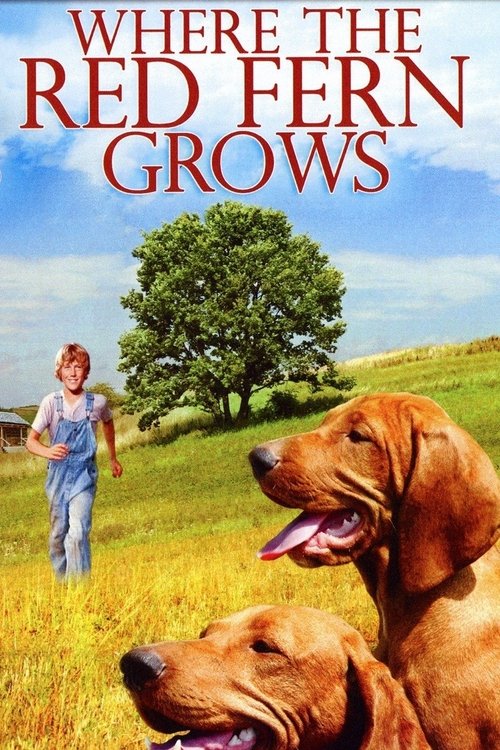
Where the Red Fern Grows1974
Released the year before this film, it's an unblinking story of a boy, his two hunting dogs, and the Ozark wilderness. Emotional, tough, and completely unsentimental about hardship and loss.
But It's genuinely devastating. If you're looking for feel-good adventure, the ending is a sucker-punch that many find difficult to recover from.
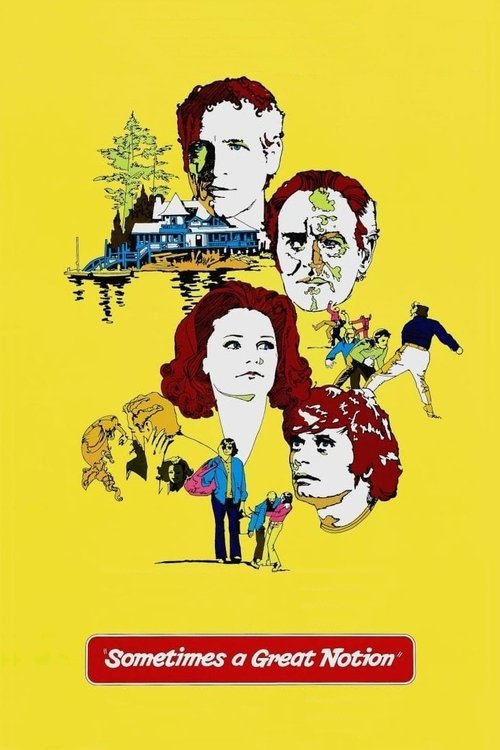
Sometimes a Great Notion1971
A sweeping, authentic Pacific Northwest timber country epic with Paul Bunyan energy. Henry Fonda and Paul Newman grapple with family, stubbornness, and the unforgiving land—frontierism in a modern key.
But Nearly three hours long and dense with subplots. The narrative can feel scattered if you're unprepared for its sprawling ambition and pacing choices.
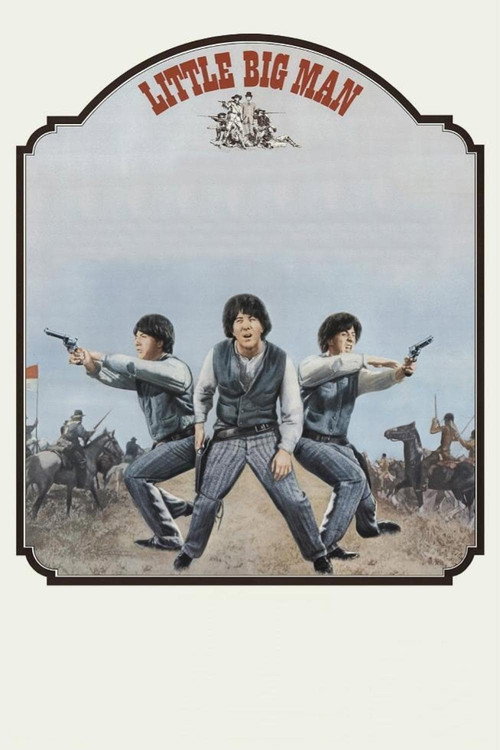
Little Big Man1970
Dustin Hoffman and Fonda capture frontier life across decades with both comedy and real violence. It's playful about the West while never letting you forget its genuine brutality and tragedy.
But Tonal shifts between comedy and horror can feel uneven. Some viewers find the satirical edge clashes with the darker material rather than complementing it.
Johnny Guitar1954
Nicolas Ray's radical Western with Joan Crawford (Joan Collins's spiritual ancestor in frontier toughness) fighting against a lynch mob. Visually stunning and morally complicated in ways most Westerns of the era weren't.
But The tone is arch and deliberately theatrical rather than grounded. It's a Western made by someone who wanted to subvert the genre, which means it often feels off if you want authenticity.

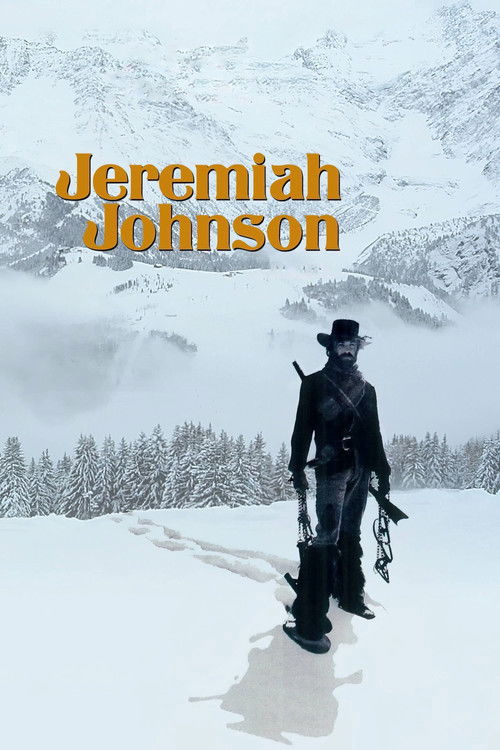
Jeremiah Johnson1972
Robert Redford as a trapper learning to survive the brutal Rockies. Stunning landscape cinematography and a lean, meditative approach to survival that lets silence do the heavy lifting.
But Very quiet and introspective. Long stretches without dialogue or plot advancement test patience; it's more tone poem than adventure vehicle.
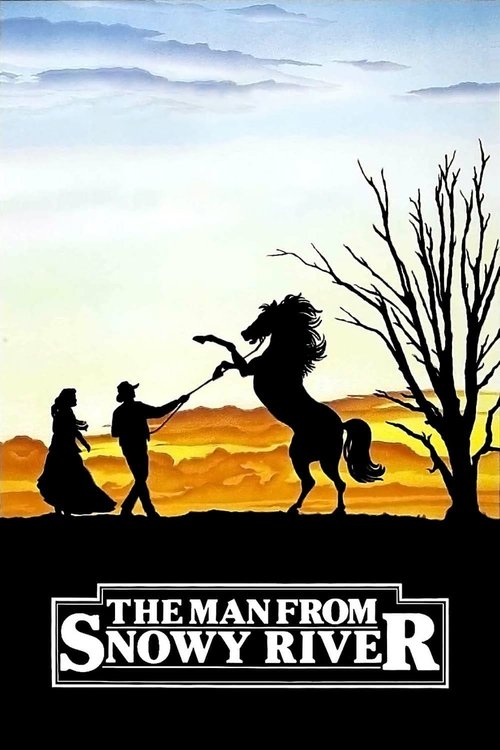
The Man from Snowy River1982
Kirk Douglas and Tom Burlinson in a frontier tale about honor, family, and wild horses in the Australian outback. Physical, beautifully shot, and grounded in real horsemanship and landscape danger.
But It's a coming-of-age story focused more on proving oneself than on external conflict. The plot is simpler than its emotional architecture, which some find slow.
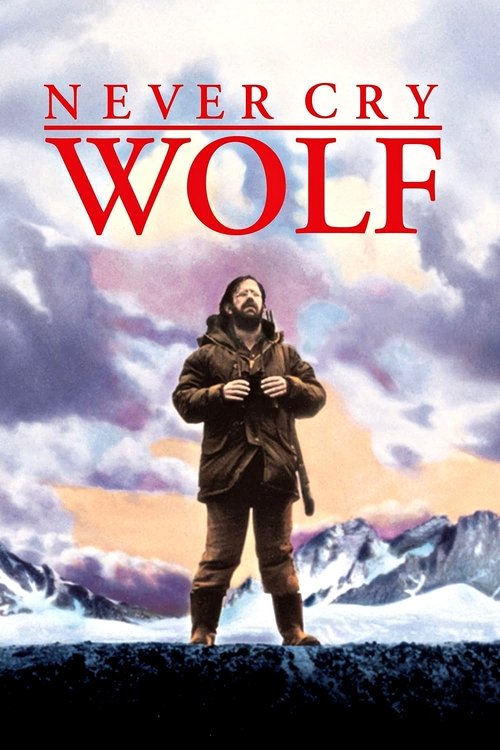
Never Cry Wolf1983
Both use the Yukon wilderness as a spiritual and physical proving ground. Both suggest that survival requires understanding the land and its creatures on their terms, not imposing civilization's rules.
A man sent to study wolves in the Arctic wilderness discovers harmony instead of the predatory evil he expected. Gorgeously filmed, it's a meditation on belonging and perspective that unfolds like a fever dream in the Yukon.
But There's almost no plot. It's a philosophical mood piece disguised as an adventure film. If you want conflict and resolution, you'll find it frustratingly ethereal.
I, Daniel Blake2016
Both are stories about ordinary people fighting to survive when systems and circumstances conspire against them. Both see survival as dignity and refuse to make poverty or hardship beautiful or noble—just real.
Ken Loach again, but this time set in modern Newcastle following a carpenter and a young mother struggling against bureaucracy and hunger. It has the same moral fury as The Great Adventure but weaponizes it against systems rather than nature.
But It's a kitchen-sink social realist drama, not an adventure film. The antagonist is paperwork and poverty, not wilderness or a villain. If you're seeking escapism, this confronts the opposite.

People
Cast
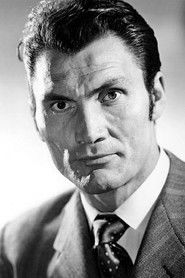 Jack PalanceWilliam Bates
 Joan CollinsSonia Kendall
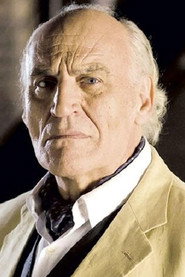 Manuel de BlasJohn McKenzie
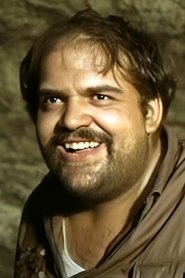 Ricardo PalaciosJoe - Barkeeper
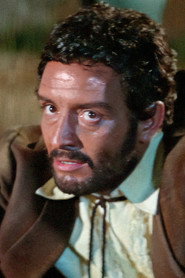 Remo De AngelisHank McKenzie
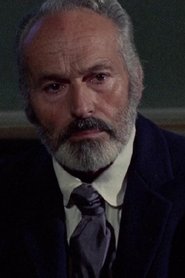 Attilio DottesioFather
 Elisabetta VirgiliMary Chambers
- Fernando E. RomeroJim Chambers
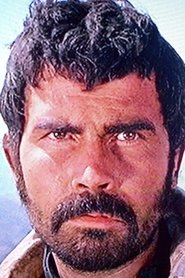 José CanalejasBates' Henchman
Directing
- Gianfranco BaldanelloDirector
Writing
- Jack LondonNovel
- Elliot GeisingerScreenplay
- Jesús RodríguezScreenplay
- John FonsecaScreenplay
- Juan LogarScreenplay
Production
- Harry Alan TowersCo-Producer
- Elliot GeisingerProducer
- Joseph AllegroProducer