
Film
Where the Red Fern Grows
A boy in Depression-era Oklahoma saves for two years to buy two hunting dogs, then learns manhood through adventure and heartbreak in the Ozark wilderness. Genuinely moving without sentimentality, rooted in real work and real consequence. For anyone who's loved an animal, or wanted to understand why someone else does.
Should you watch it?
Watch it if you love stories of a boy and his working dogs told with plain-spoken sincerity, the outdoors treated as hard daily work, and a coming-of-age arc built on patience and earned trust.
Skip it if you want fast plot turns or modern polish, since this 1974 film moves at a country pace and wears its sentiment openly.
What it asks of you: Expect roughly an hour and a half, with lingering scenes of hunting and woodcraft, and a mood that moves between gentle warmth and sober weight.
Not sure? Find tonight's pick in a minute.
If you liked this
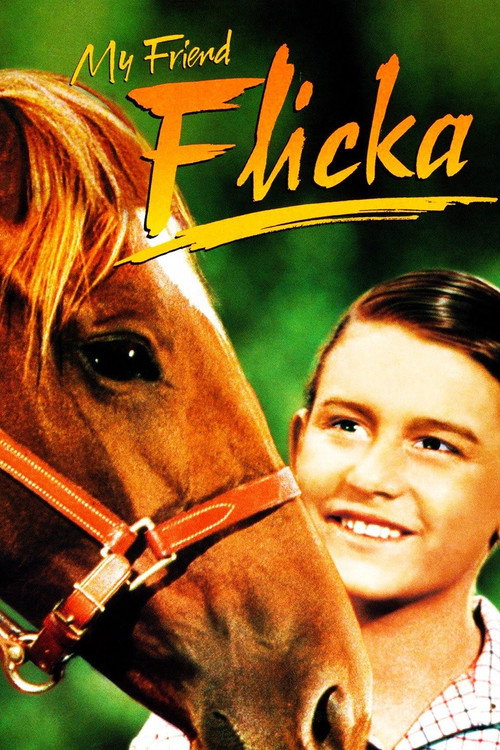
My Friend Flicka1943
Another Depression-era coming-of-age story about a boy and an animal. Stunning Technicolor, a horse instead of dogs, and the same earned emotional core—no manipulation, just a kid learning what responsibility means.
But Older filmmaking style; if you need constant plot momentum rather than quiet character moments, it'll feel slow.
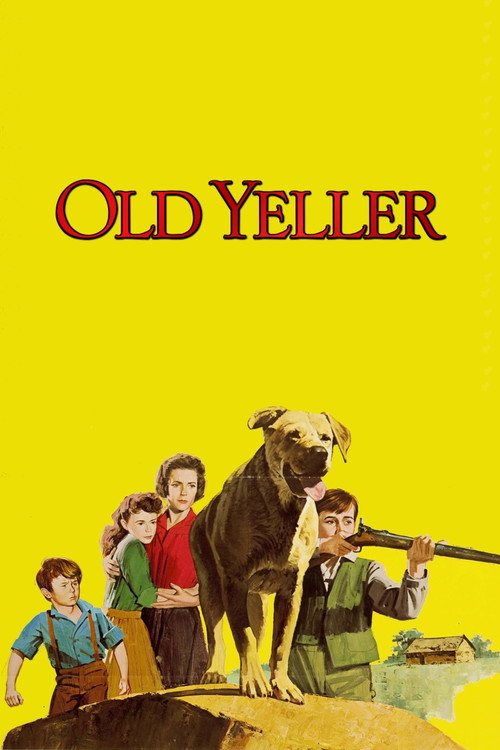
Old Yeller1957
The spiritual ancestor to this film. A family and their dog on the frontier, growing attachment, real danger. Disney made it without sanitizing the consequences, and it has the same bittersweet power.
But The ending is rough. If you're watching this for comfort, Old Yeller will undo that pretty decisively.
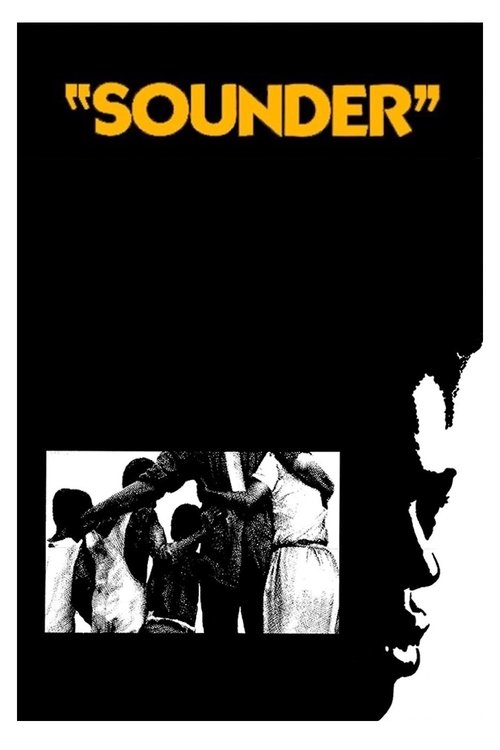
Sounder1972
A boy, a dog, and poverty in the Depression South. Cicely Tyson and Paul Winfield anchor a story about resilience and family that feels as lived-in as this one. Deeply humane.
But Slower pacing than mainstream family fare; requires patience and emotional availability.
Not sure tonight? Get a pick in a minute, starting from Where the Red Fern Grows
The wildcard
Something you would not have found on your own.
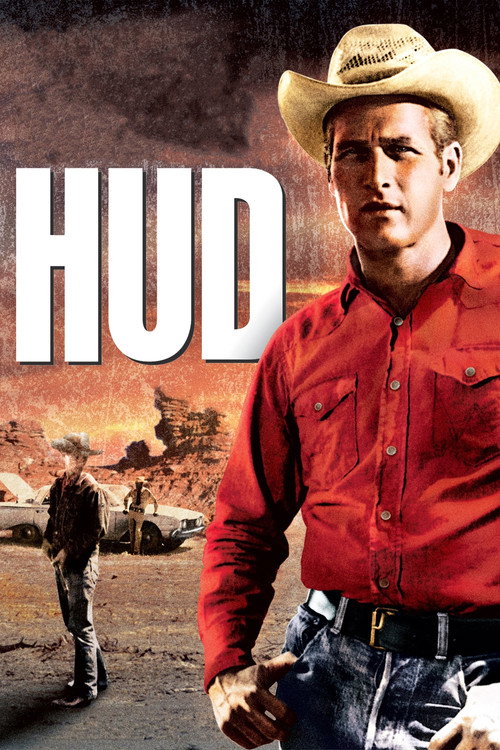
Hud1963
Both are about a boy or man learning what character actually costs, set in rural America with Whitmore as the moral compass—but Hud shows what happens when you refuse that lesson.
James Whitmore (Grandpa here) plays the opposite role—a man of principle watching his son become morally hollow. It's about what you pass down and what you lose. Devastating in a completely different register.
But No animals, no redemption, no warmth. It's a portrait of failure and corruption; you'll feel worse after watching it.
More like this (7)
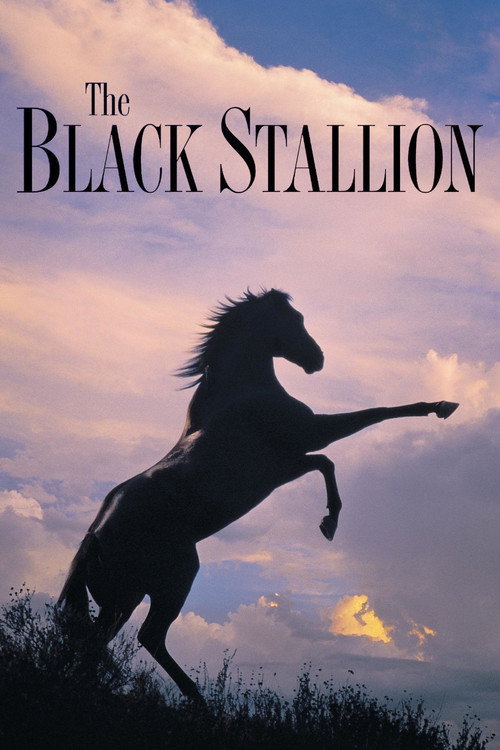
The Black Stallion1979
A boy and a horse after a shipwreck. Same template—animal companionship as a path to maturity—but with adventure and spectacle. Gorgeously shot, genuinely thrilling.
But The horse is the star; if you need complex human drama, the people take a back seat.
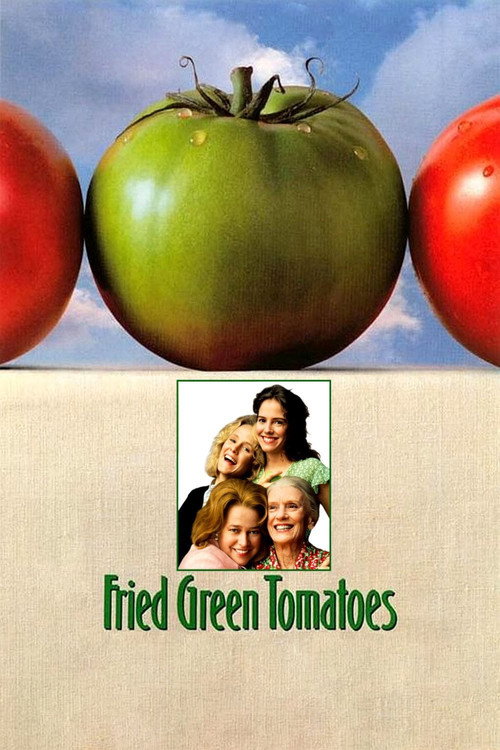
Fried Green Tomatoes1991
Not about animals, but carries the same emotional weight about loyalty, sacrifice, and the bonds that sustain us. A grown woman discovering what real friendship costs. Warm and strong.
But It's longer and more discursive; the structure is different enough that some find it meandering.
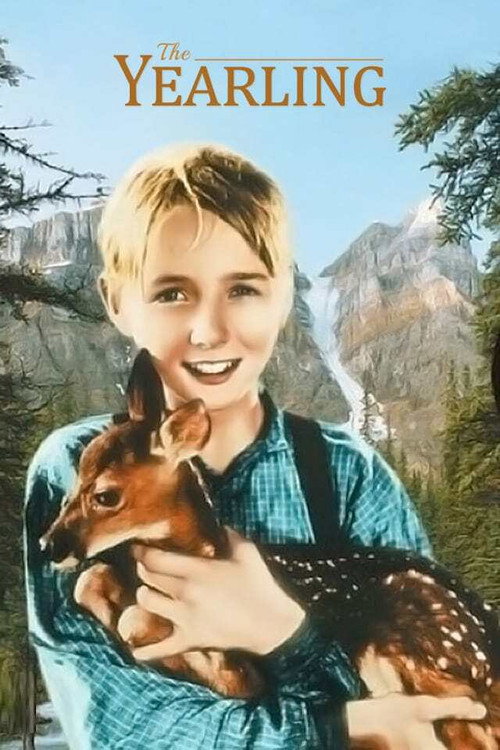
The Yearling1946
Another boy-and-animal story, this time a deer in Florida scrubland. Technicolor pastoral beauty combined with hard truths about loss and growing up. Gregory Peck is excellent.
But Very much a product of 1940s sentimentality in places; some moments don't age as gracefully as Where the Red Fern Grows.
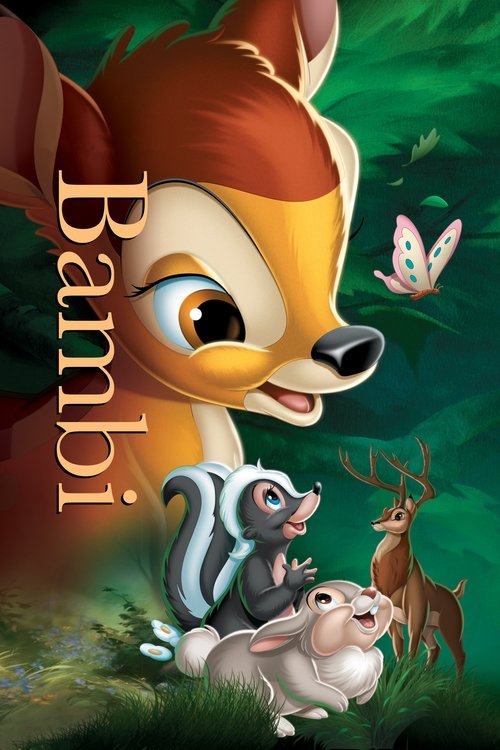
Bambi1942
Yes, really. Disney's most serious work—a meditation on mortality, motherhood, and the cycles of nature. The animation is astonishing and it earns every tear.
But It's animated; some people dismiss cartoons reflexively. Also, that scene still devastates people decades later.
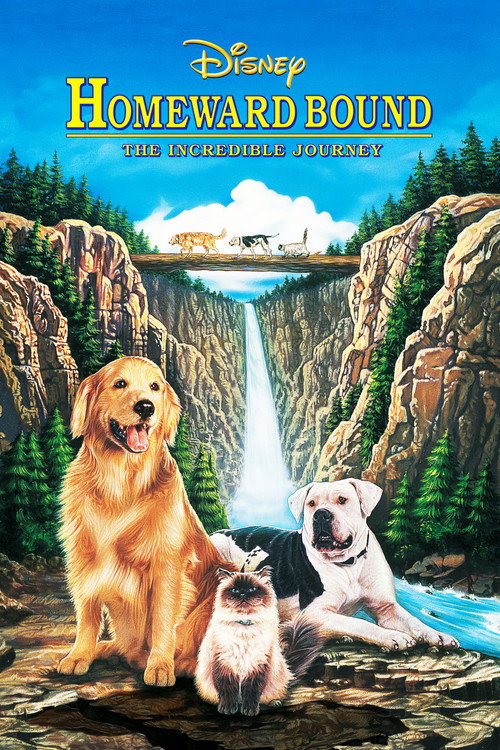
Homeward Bound: The Incredible Journey1993
Two dogs and a cat cross wilderness to get home. More adventure-driven than Where the Red Fern Grows, but the same core: animals as windows into loyalty and determination.
But It's lighter, more Disney-fied; if you want the bite and consequence this film has, you won't find it here.
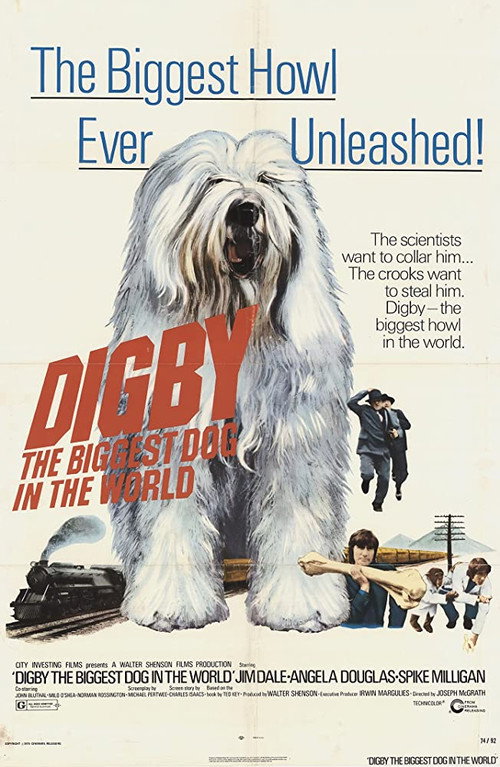
Digby, the Biggest Dog in the World1973
Same boy-and-dog bond, same rural setting almost, but it asks 'what if the thing you love became impossible to hide?' instead of 'what if you had to let it go?'
A boy's dog grows to giant size overnight. It sounds absurd (it is), but it's a sincere, weird little British fantasy about a kid protecting something he loves. Genuinely touching under the strangeness.
But The premise is completely silly and the special effects are obviously fake. If you need realism, the concept will feel like a betrayal.
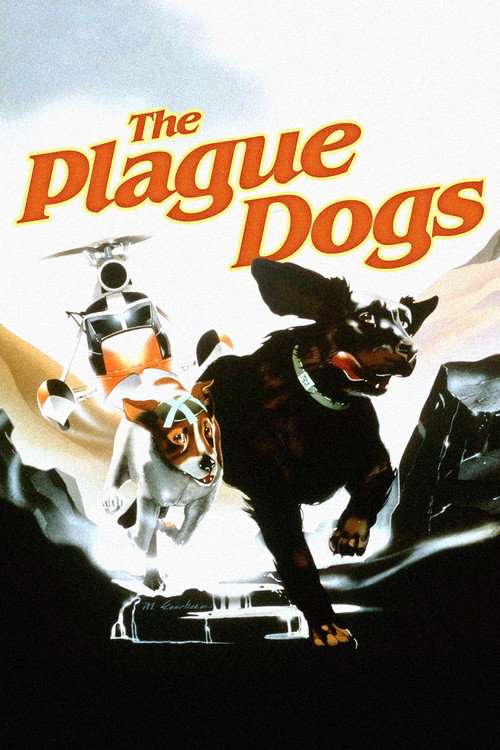
The Plague Dogs1982
Both take animal perspective seriously and refuse sentimentality, but this one is about dogs as victims of human systems rather than as companions—a moral inversion that deepens both films.
An animated film about two dogs escaping a research facility. It's bleak, intelligent, and animated with stunning detail. A completely different aesthetic from the 1974 film, but the same reverence for animal consciousness and survival.
But It's angry and despairing; the animation is dark and sometimes grotesque. There's cruelty on screen and no soft resolution. Not for people seeking comfort.
People
Cast
 Stewart PetersenBilly Colman
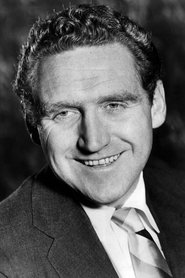 James WhitmoreGrandpa
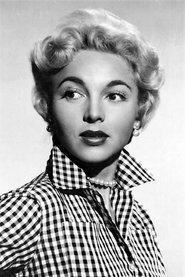 Beverly GarlandMother
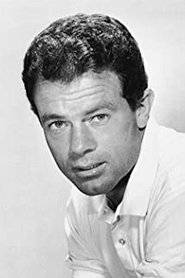 Jack GingFather
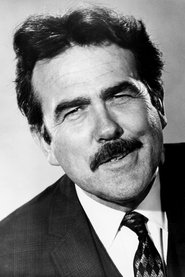 Lonny ChapmanSheriff
- Jill ClarkAlice
- Jeanna WilsonSara
 Bill ThurmanSam Bellington
- Bill DunbarBen Kyle
- Rex CorleyRubin Pritchard
- John LindseyRainie Pritchard
- Garland McKinneyMr. Pritchard
Directing
- Norman TokarDirector
Writing
- Wilson RawlsNovel
- Douglas C. StewartScreenplay
- Eleanor LambScreenplay
Production
- Hubie KernsAssociate Producer
- Jim McCullough Sr.Associate Producer
- George Ellis DotyExecutive Producer
- Lyman DaytonProducer
Recommended by
The Journey of Natty Gann, Old Yeller, The Incredible Journey, Gentle Giant, Benji, Stone Fox, Rascal, The Courage of Kavik, the Wolf Dog, The Great Adventure, The Call of the Wild, The Further Adventures of the Wilderness Family