
Film
The Call of the Wild
Other titles called The Call of the Wild: the 2020 film.
Charlton Heston stars in this 1972 adaptation of Jack London's classic, following a mail carrier and his loyal dog Buck across frozen Alaska during the Gold Rush. It's a straightforward adventure film that leans into survival drama and man-against-nature spectacle rather than psychological complexity. Ideal for families seeking old-fashioned outdoor adventure with genuine stakes and animal companionship at its heart.
If you liked this
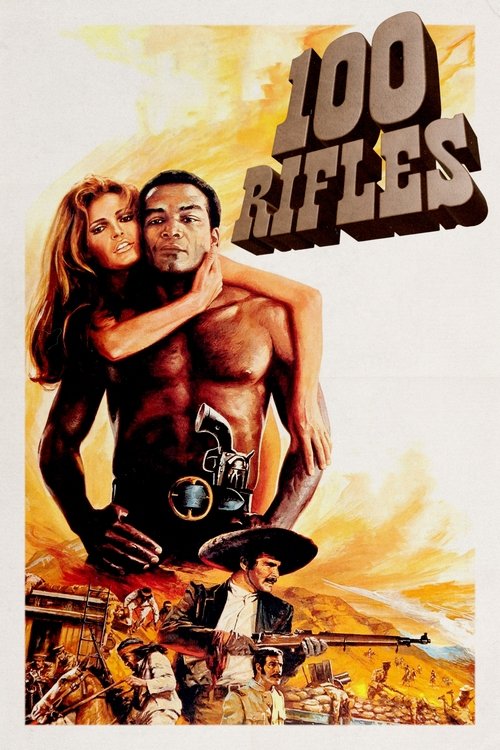
100 Rifles1969
Heston leads another survival-action vehicle with real location shooting and practical stunts. Pairing him with Jim Brown against impossible odds delivers the same earnest, muscular heroism that defines The Call of the Wild.
But The plot is thin and the pacing occasionally drags. It's built for spectacle over character depth, so don't expect complexity.
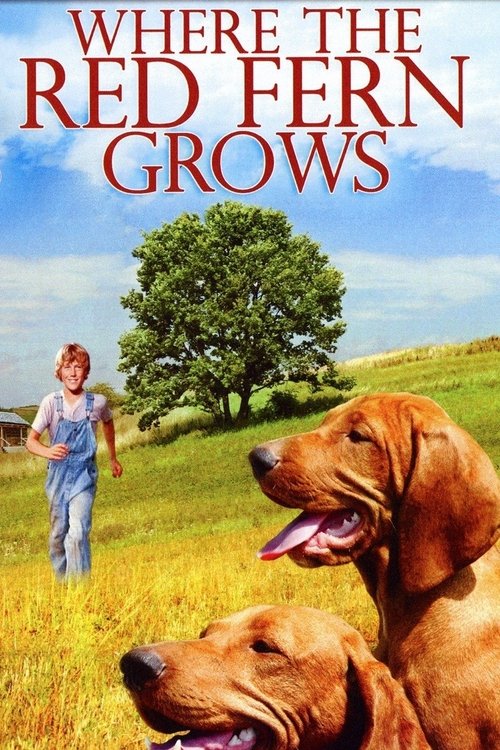
Where the Red Fern Grows1974
This adaptation of Wilson Rawls' novel shares the same emotional DNA: a man and his dogs against harsh wilderness, with genuine warmth and stakes that matter. Both films treat animals as full participants in the story, not props.
But It's deliberately melancholic and will wreck you emotionally. This is not a film that leaves you uplifted.
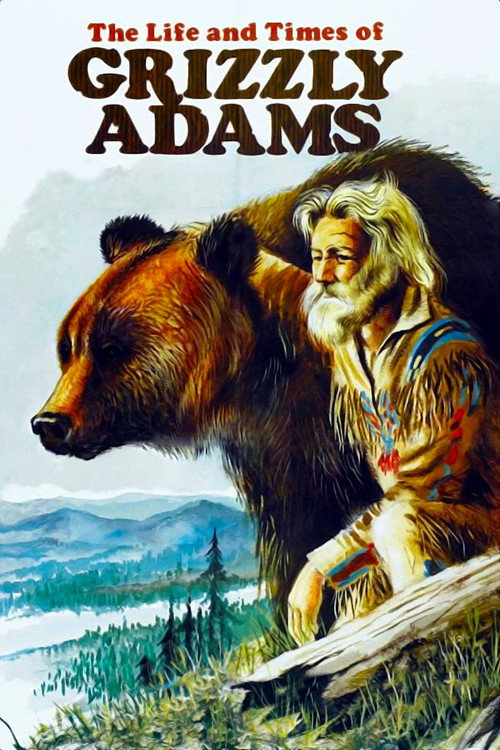
The Life and Times of Grizzly Adams1974
Dan Haggerty as a man living in harmony with nature and wild animals. Same era, same earnestness, same refusal to wink at the audience. Feels like a spiritual cousin to what Heston's doing here.
But The pacing is leisurely to the point of languid. Modern viewers accustomed to snappy editing will find it slow.
Not sure tonight? Get a pick in a minute, starting from The Call of the Wild
The wildcard
Something you would not have found on your own.
Kes1970
Both films understand that the relationship between human and animal isn't metaphor—it's the entire point. The animal isn't rescued by the human; they rescue each other.
Ken Loach's film about a working-class boy in northern England and his relationship with a hawk he trains. It's a completely different genre and setting, but shares Call of the Wild's core: a human and an animal forming a bond that transforms and redeems them both. Naturalistic, unsentimental, about dignity and care.
But It's deliberately unglamorous British kitchen-sink drama from the late '60s. If you want spectacle and adventure, this offers something quieter and more austere.

More like this (8)
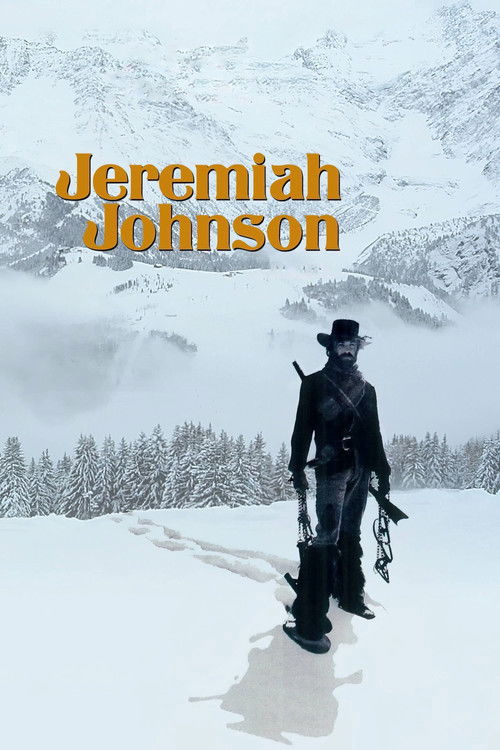
Jeremiah Johnson1972
Robert Redford as a man testing himself against the American frontier and his own limitations. Released the same year, it's a more introspective take on similar themes of survival and isolation, beautifully shot.
But It's meditative rather than action-driven. Long stretches without dialogue or incident will lose viewers wanting constant forward momentum.
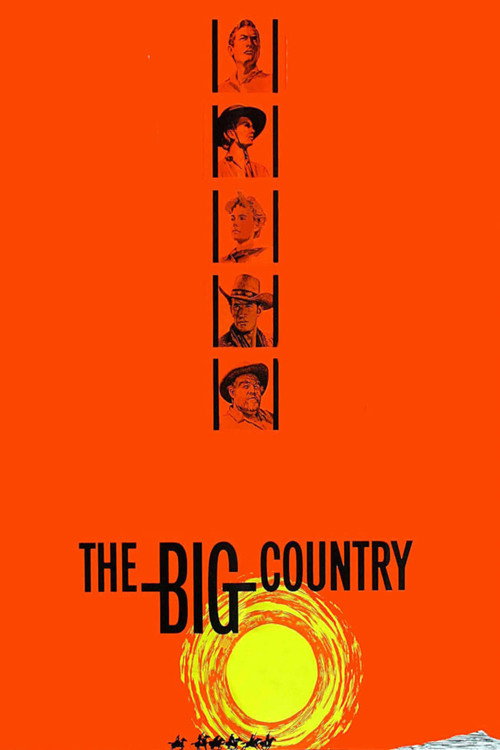
The Big Country1958
Gregory Peck navigating landscape and moral code in a western adventure that prioritizes character over gunplay. The production values and commitment to authenticity mirror Heston's approach in Call of the Wild.
But At nearly two hours and forty minutes, it demands patience. The first act especially moves like molasses.
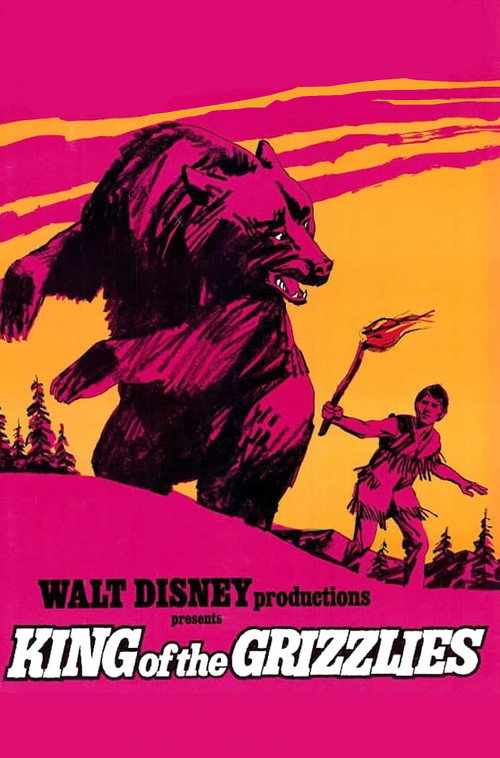
King of the Grizzlies1970
A Disney adventure genuinely interested in animal behavior and wilderness ecology alongside human drama. Shot on location, it respects both the landscape and the creatures inhabiting it with the same seriousness Heston brings.
But It's family-oriented in ways that can feel quaint now. The emotional register is considerably softer than modern audiences expect.
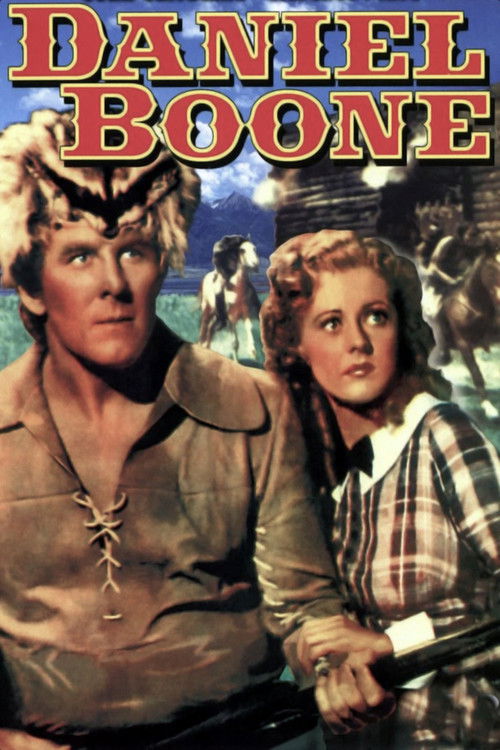
Daniel Boone1936
George O'Brien in a frontier adventure that prizes survival skills and resourcefulness. Early example of the same DNA: man, wilderness, determination, practical problem-solving rather than star power or romance.
But The print quality is rough and the pacing feels archaic. You're working harder to watch it than you might want to.
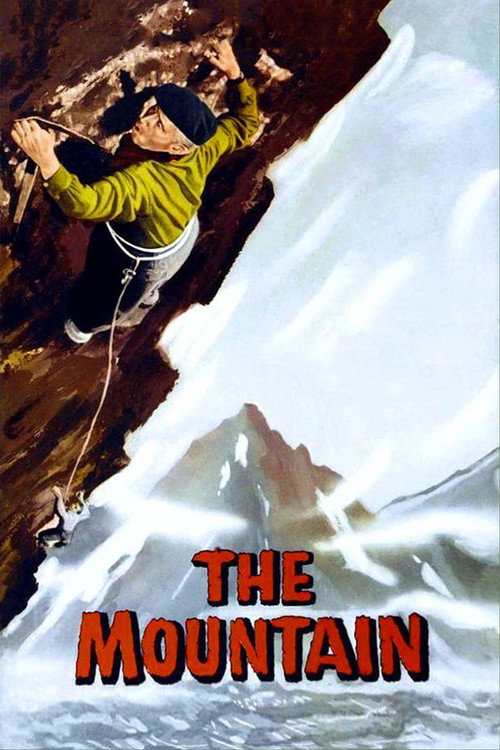
The Mountain1956
Spencer Tracy and Robert Wagner climbing a Swiss peak after a plane crash. Physical adventure requiring genuine endurance and cooperation between characters. Captures that same sense of testing oneself against unforgiving terrain.
But It's melodramatic beneath the spectacle. The emotional beats feel overwrought by contemporary standards.
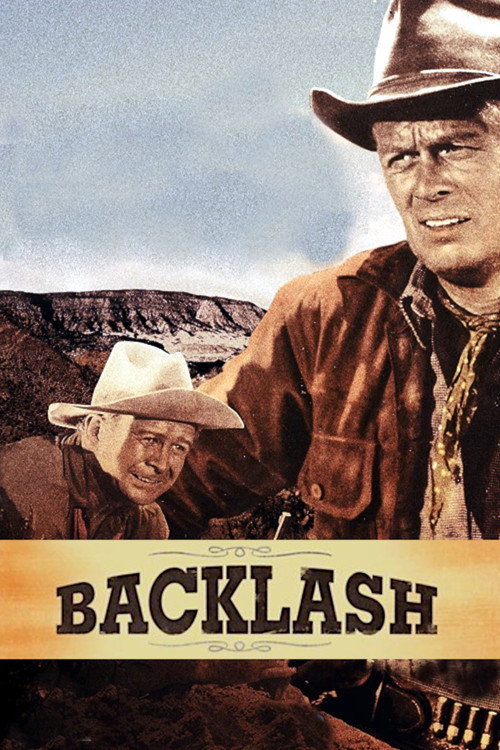
Backlash1956
Richard Widmark in the desert hunting for gold and revenge. Another practical, location-shot adventure that trusts the landscape to provide drama without needing constant plot complications.
But It's a B-picture pretending to be an A-picture. The budget shows, and not always in charming ways.
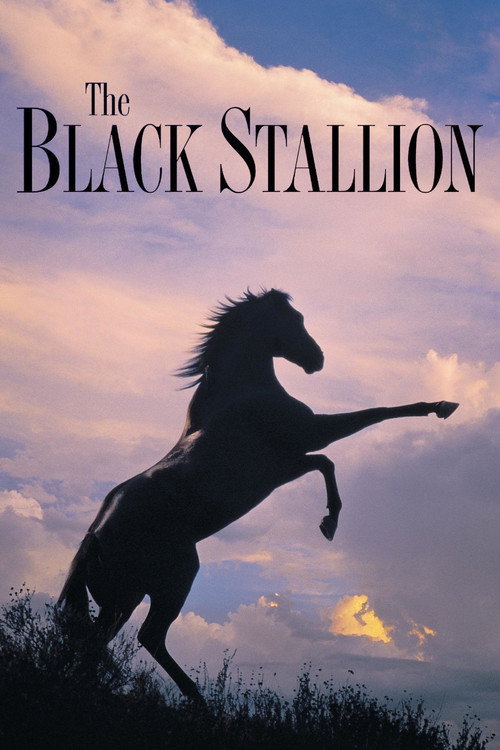
The Black Stallion1979
Like Call of the Wild, it's about civilization learning from wildness—but inverted. Where Heston brings the mail across the wilderness, the boy learns the wilderness through the horse. Same premise, opposite direction.
A boy and a wild Arabian stallion stranded on an island. It's a children's film made without condescension, treating the horse as an intelligence to be understood rather than mastered. Gorgeously shot, genuinely suspenseful, and built entirely on the trust between two beings learning to work together.
But It's fundamentally optimistic and gentle. There's no real darkness or moral ambiguity, which some viewers will find boring or saccharine.
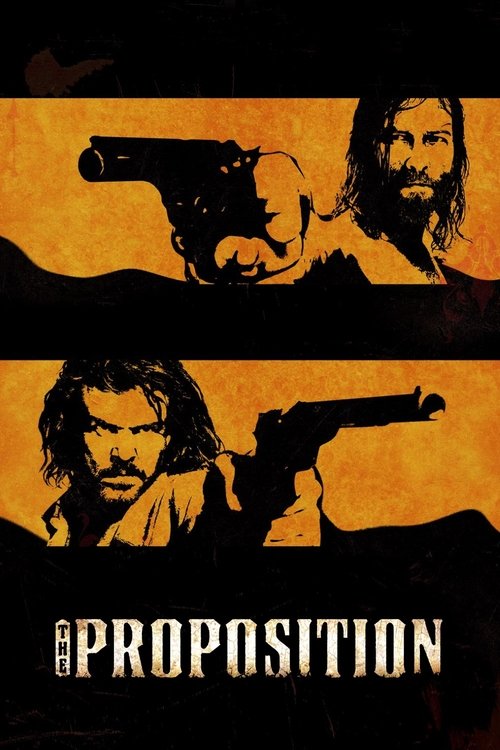
The Proposition2005
Both are wilderness survival stories built on the question of what a man does when civilization is too far away to matter. Where Heston chooses morality, Morse's character discovers its absence. Watching them back-to-back illuminates what each film believes about virtue.
David Morse as a weathered man in the Australian outback hunting an outlaw. Nick Cave's script and John Hillcoat's direction create a western that's brutally intelligent, darkly comic, and completely uninterested in heroic poses. Morse's performance—spare, intelligent, morally compromised—is the inverse of Heston's earnest Thornton.
But It's violent, sexually explicit, and fundamentally pessimistic about human nature. This is not a family adventure. It's also shot in faded, desaturated tones that some find depressing.
People
Cast
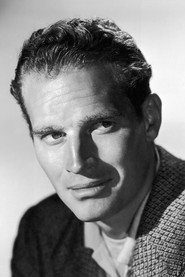 Charlton HestonJohn Thornton
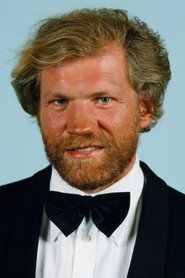
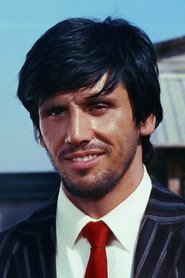 George EastmanBlack Burton
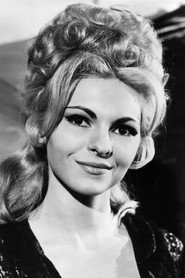 Maria RohmMercedes
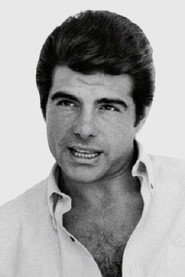
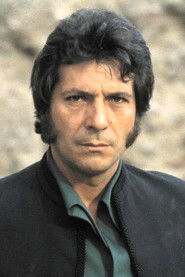 Sancho GraciaTaglish Charlie
- Friedhelm LehmannCharles
- Horst HeuckHal
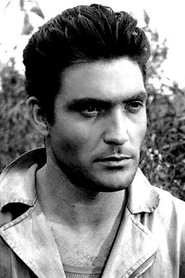 Rik BattagliaDutch Harry
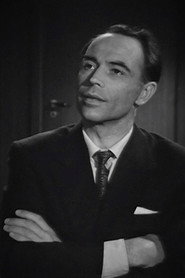 Alf MallandConstantine
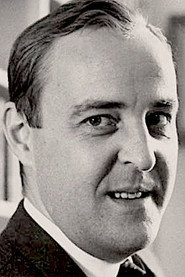 Sverre WilbergColonel
- Olov PedersenRed Sweater
Directing
- Ken AnnakinDirector
Writing
- Jack LondonNovel
- Federico De UrrutiaWriter
- Harry Alan TowersWriter
- Hubert FrankWriter
- Peter YeldhamWriter
- Wyn WellsWriter
Production
- Artur BraunerProducer
- Harry Alan TowersProducer