
Television series
Tales of Wells Fargo
- Classic western
- Action
- Dip in and out
Tales of Wells Fargo follows Jim Hardie, a troubleshooter for the legendary mail and gold transport company, as he navigates the 1860s frontier. These tight, self-contained episodes blend action, mystery, and character study into something that feels lived-in rather than manufactured. It's for anyone who loves Westerns that prioritize storytelling over spectacle, or who want to see how the genre worked when TV was still figuring itself out.
Should you watch it?
Watch it if you enjoy old-fashioned episodic Westerns where a steady, decent hero solves a fresh problem each week, with the stagecoach-and-gold-shipment atmosphere doing most of the work.
Skip it if you need serialized plotting or modern pacing, since each self-contained episode runs about half an hour and the storytelling is brisk, plain and very much of its 1950s television era.
What it asks of you: Very little commitment: each thirty-five-minute episode stands alone, so you can dip in for one story without needing to track a long arc across its six seasons.
Not sure? Find tonight's pick in a minute.
If you liked this
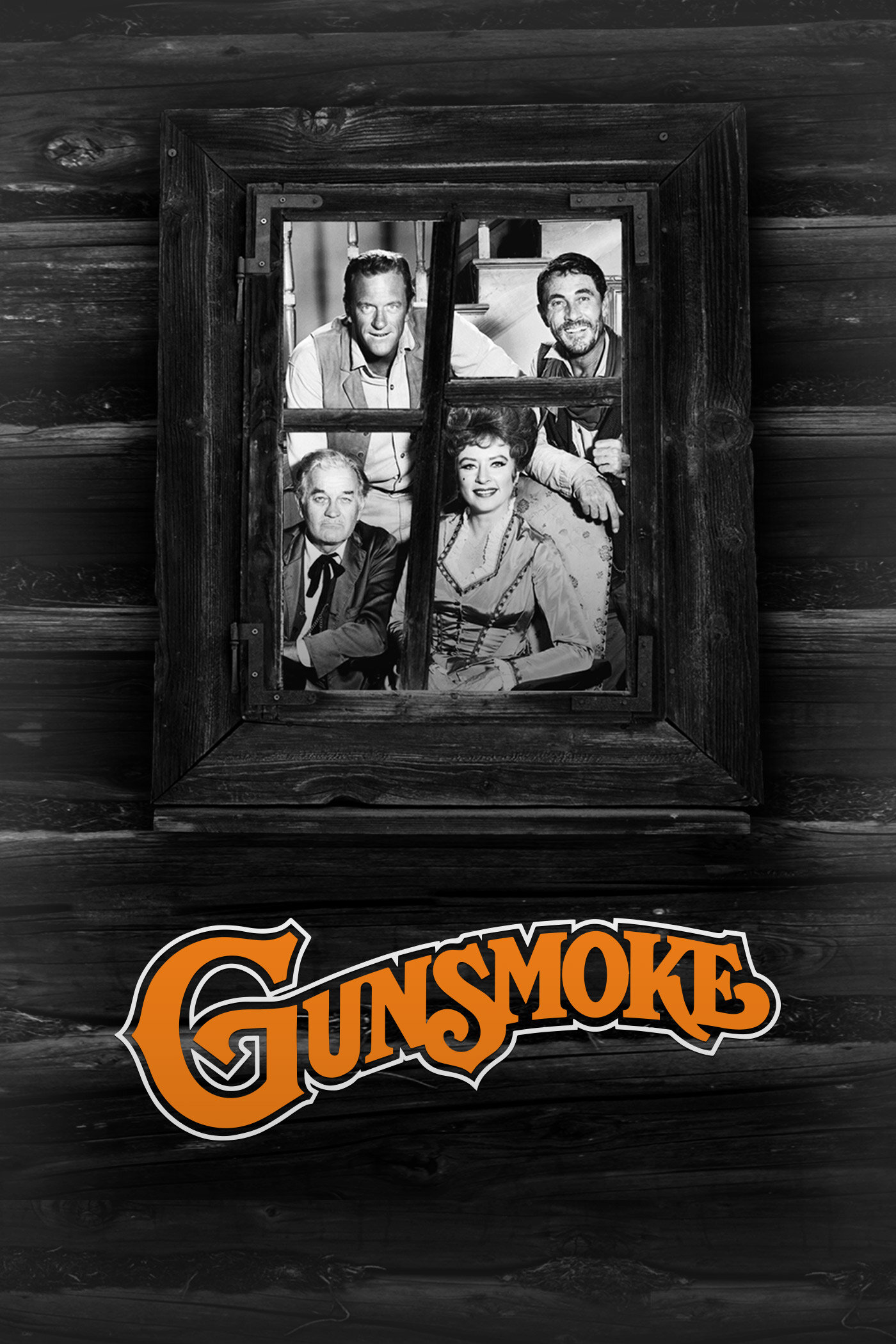
Gunsmoke1955
Marshal Dillon's Dodge City offers the same episodic Western formula done with exceptional writing and real character depth. James Arness gives you a lead you believe in, and the show earns its longevity.
But Twenty seasons is a commitment. Early episodes can feel thin compared to later ones, and the pacing won't snap you to attention.
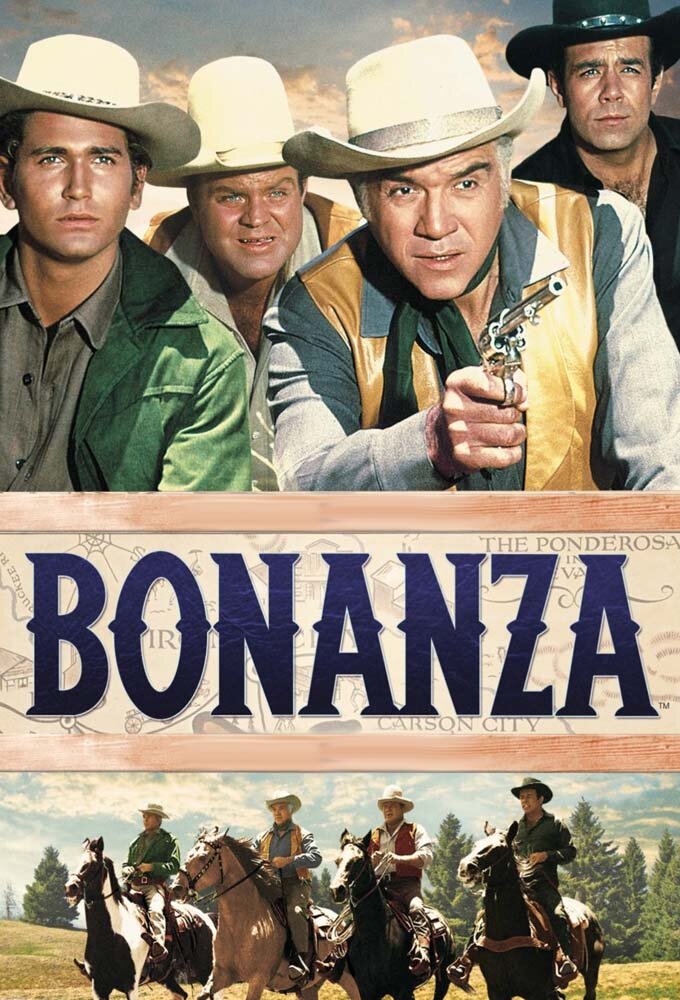
Bonanza1959
Family dynamics meet frontier danger on the Ponderosa. The show's color cinematography and ensemble cast create something warmer than most Westerns, with genuine stakes that carry across episodes.
But The tone swings wildly between gentle and heavy-handed. Some episodes feel like parables, which works beautifully until it doesn't.
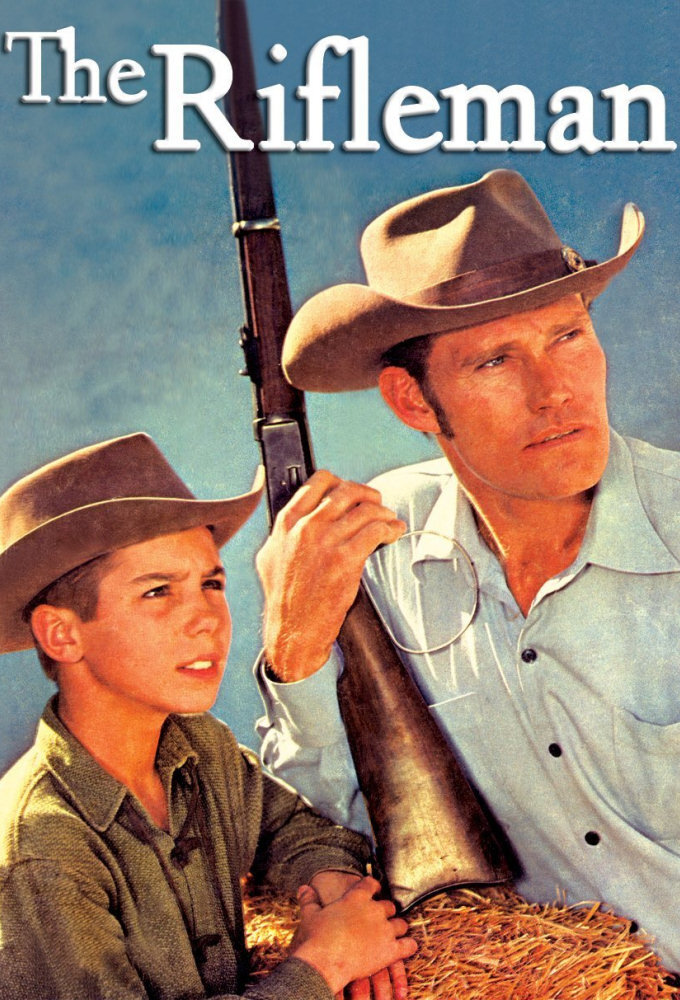
The Rifleman1958
Chuck Connors and his son create something unexpectedly moving about single parenthood and principle. The rifle twirl became iconic, but the real draw is how the show handles moral questions without preaching.
But The episodes are even shorter than Wells Fargo's, so nothing lands with tremendous weight. It can feel slight if you're seeking drama rather than comfort.
Not sure tonight? Get a pick in a minute, starting from Tales of Wells Fargo
The wildcard
Something you would not have found on your own.
Johnny Guitar1954
Both are period Westerns that trust story-first episodic structure, but Johnny Guitar uses that structure to interrogate genre assumptions rather than fulfill them. One reiterates the form; the other rewrites it.
Nicholas Ray's fever dream of a Western where a woman runs a saloon, owns the land, and makes the real decisions. Joan Crawford and Mercedes McCambridge create something operatic and strange. It's not like other Westerns because it doesn't want to be.
But The gender inversions and Freudian subtext are the entire point, which means it's mannered and surreal. If you want grounded realism, this will feel like watching someone else's fever dream.

More like this (8)
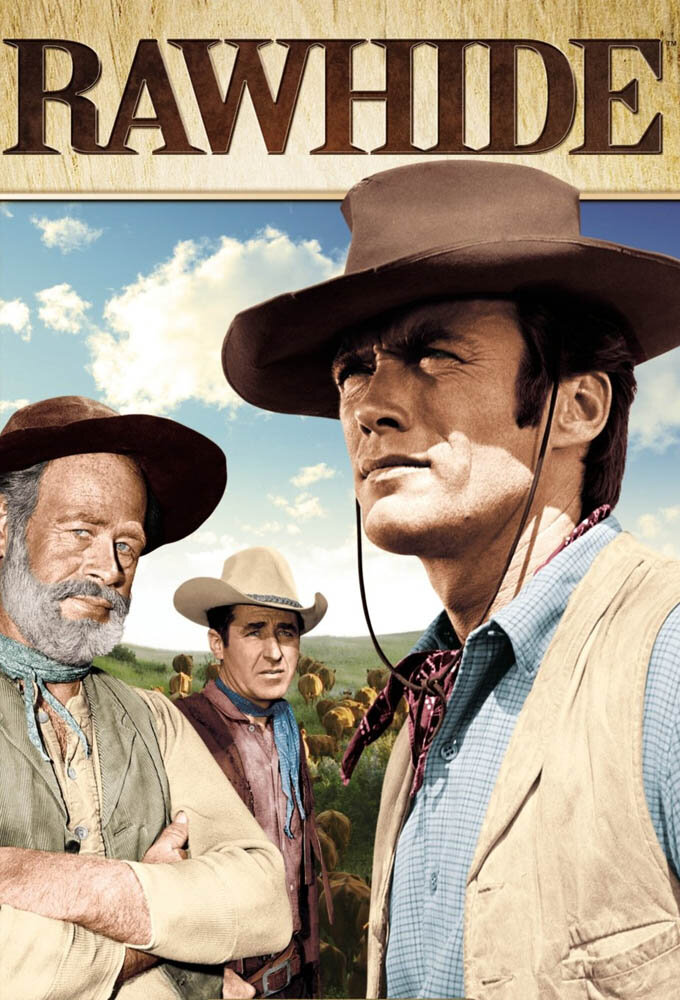
Rawhide1959
A cattle drive as ongoing narrative: Clint Eastwood and Eric Fleming moving stock across brutal terrain, solving problems along the way. The geography and repetition create genuine texture. It's meditative in its own way.
But That repetition becomes the point, which means it's not for everyone. No overarching plot, just the road. Some will find that liberating; others will find it monotonous.
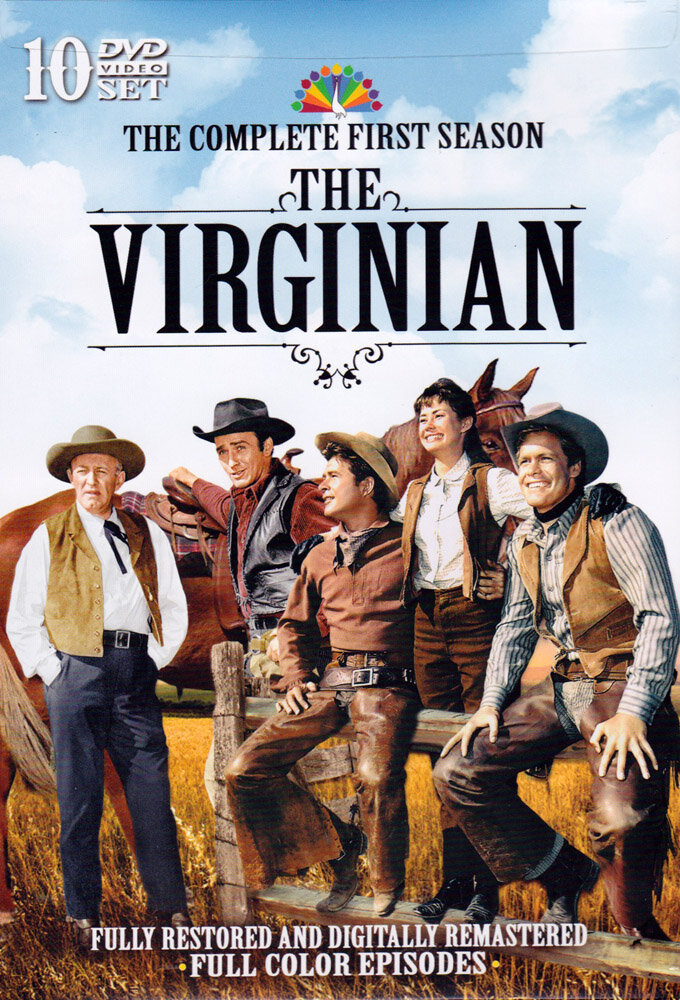
The Virginian1962
Ninety minutes per episode meant this show could breathe. James Drury's taciturn ranch foreman faces genuine moral complexity, and the writing treats the audience like adults. It set a template that held.
But That runtime works against you on a binge. It's genuinely excellent, but commitment-heavy. The show can meander, which some will read as slow.
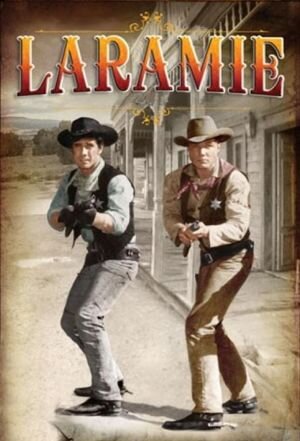
Laramie1959
Two young men running a ranch relay station generates surprisingly natural character dynamics. John Smith and Robert Fuller have real chemistry, and the show uses its modest setting to focus on story and performance rather than spectacle.
But It's earnest to the point of sentimentality. Modern viewers might find the emotional beats heavy-handed or the action stakes too low.
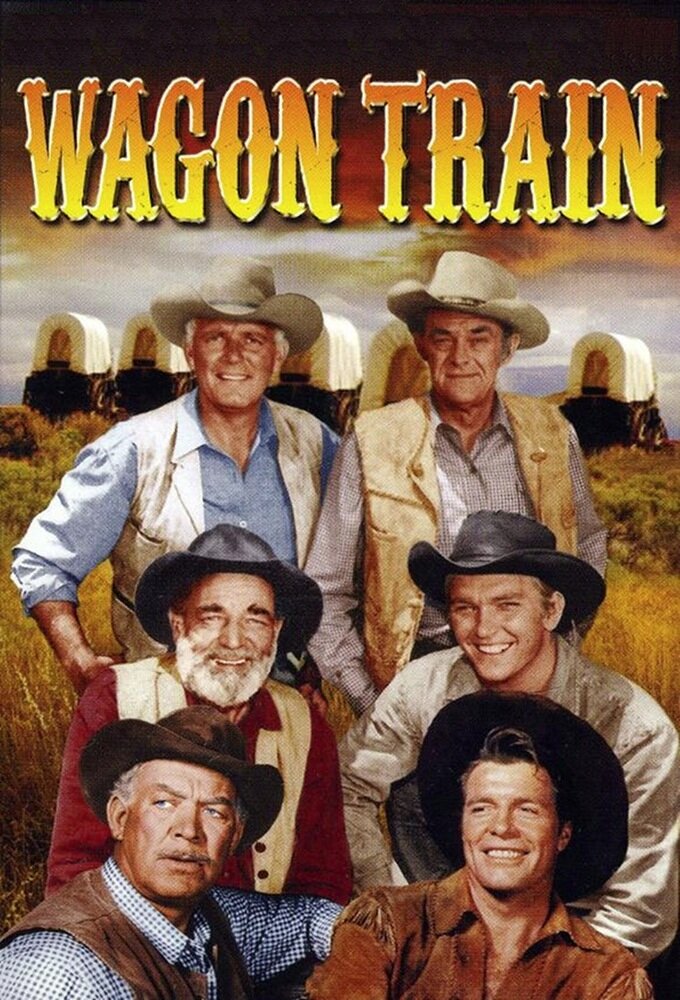
Wagon Train1957
Different story, different people, same destination each week. The anthology approach lets the show pivot between comedy, tragedy, and adventure, and Ward Bond's authority holds it together. Enormous cast of guest stars doing real work.
But The quality varies dramatically episode to episode. Some feel like actual drama; others feel like filler. There's no thread to pull except the wagon itself.
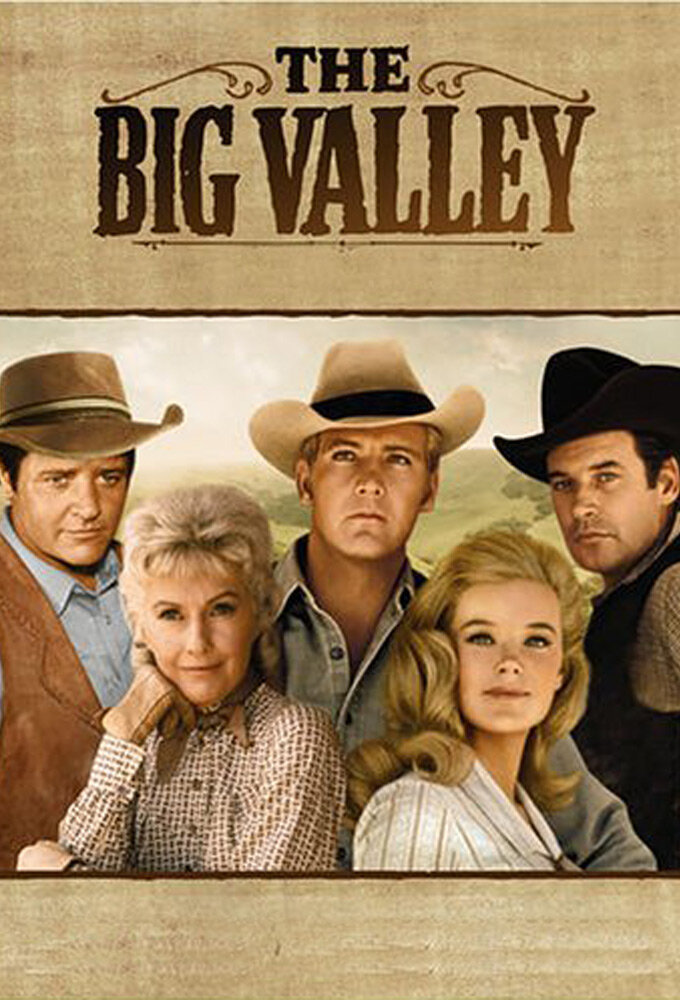
The Big Valley1965
Barbara Stanwyck as the matriarch of a California ranch. The show respects her authority without making her a joke, and the ensemble cast generates genuine tension. It's got style, intelligence, and Stanwyck.
But It leans toward melodrama, and some plots strain credibility even for a Western. If you need everything grounded, you'll bounce off it.
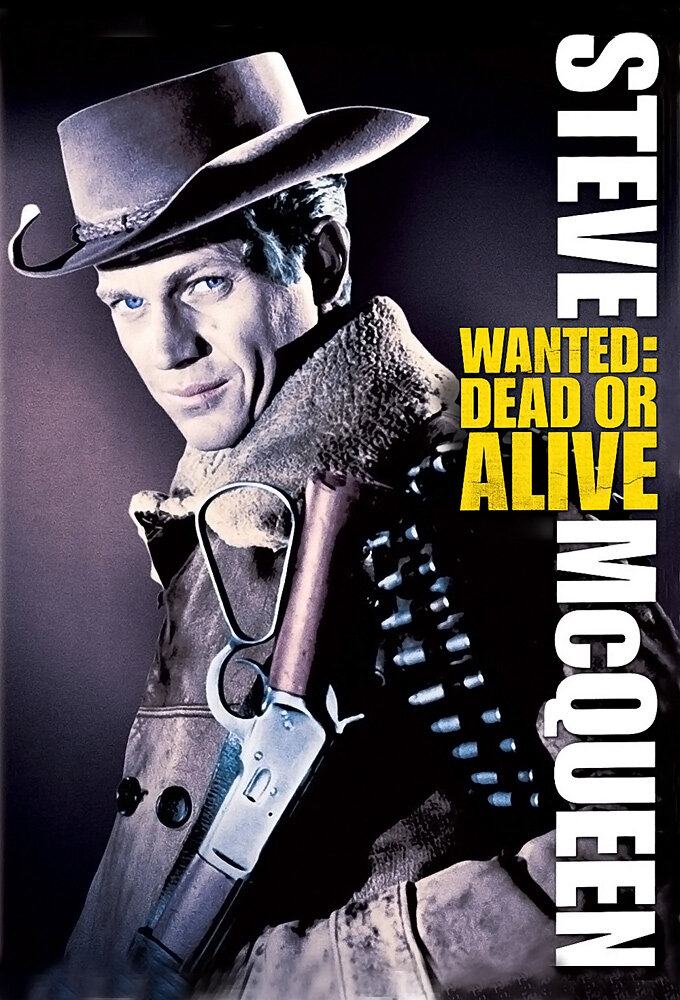
Wanted: Dead or Alive1958
Steve Reeves as a bounty hunter in the Southwest. It's scrappier and meaner than some of its contemporaries, with real consequences and a protagonist who isn't always right. Quick, efficient storytelling that respects your time.
But The production values are notably lower, which shows immediately. It's a B-picture mentality, and some episodes feel like they were shot in two days.
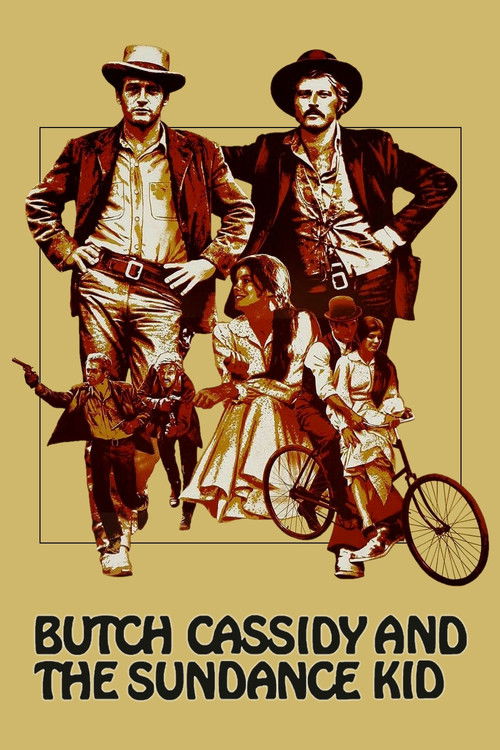
Butch Cassidy and the Sundance Kid1969
Both center on professional competence and repeated problems solved. But where Wells Fargo assumes the frontier is stable, Butch Cassidy knows it's ending. Same DNA, opposite conclusions about what it means.
Redford and Newman as charming outlaws facing the end of the frontier era. It's funny, actionable, and genuinely romantic about failure. The film moves like a song, and it understands that sometimes the best Westerns are elegies.
But It's deliberately elegiac and somewhat detached. If you want your Westerns to feel earned and consequential rather than stylish and wistful, this might feel like a dance when you want a sermon.
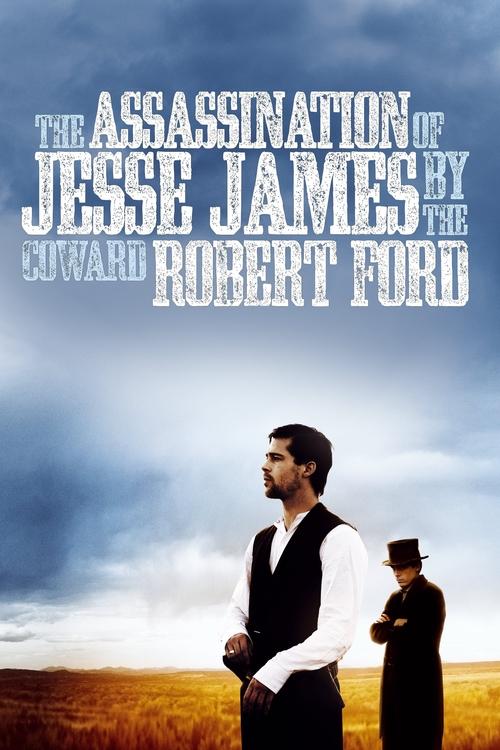
The Assassination of Jesse James by the Coward Robert Ford2007
Both are about men working within systems—Wells Fargo, the outlaws—but where your show is episodic and finds resolution within the hour, this film is obsessed with how systems corrupt and how men rationalize complicity. It's the darker mirror: what if the work itself was the poison?
Andrew Dominik builds a tragic, poisonous relationship between an outlaw and his obsessed fan across months of waiting. It's photographed like a painting, shot in 35mm to look aged, and it treats the Western as interior drama rather than action. Casey Affleck and Brad Pitt are devastating.
But It's glacially slow, deliberately unglamorous, and profoundly pessimistic about violence and fame. There's barely a shootout; it's all psychology and dread. If you want movement and hope, don't start here.
People
Cast
Writing
- Frank GruberCreator
- Gene ReynoldsCreator
- James BrooksCreator
Production
- Nat HoltProducer
Recommended by
Johnny Ringo, Annie Oakley, The Gene Autry Show, Frontier Justice, Yancy Derringer