
Television series
Annie Oakley
- Western
- Dip in and out
A 1954 Western starring the real Annie Oakley playing herself—a skilled sharpshooter and ranch owner solving crimes across the frontier. It's brisk, cheerful, and surprisingly progressive for its era: the lead is competent, independent, and drives the plot. Perfect if you want Westerns with charm instead of grimness.
If you liked this
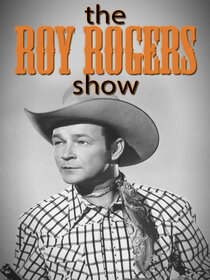
The Roy Rogers Show1951
A contemporary star playing himself in his own Western, similarly upbeat and action-packed. Rogers brings enormous charisma, and the formula—adventure, music, moral clarity—shares Annie Oakley's DNA.
But The tone is relentlessly sunny and the plots are thin even by 1950s standards. If you want complexity or moral ambiguity, look elsewhere.
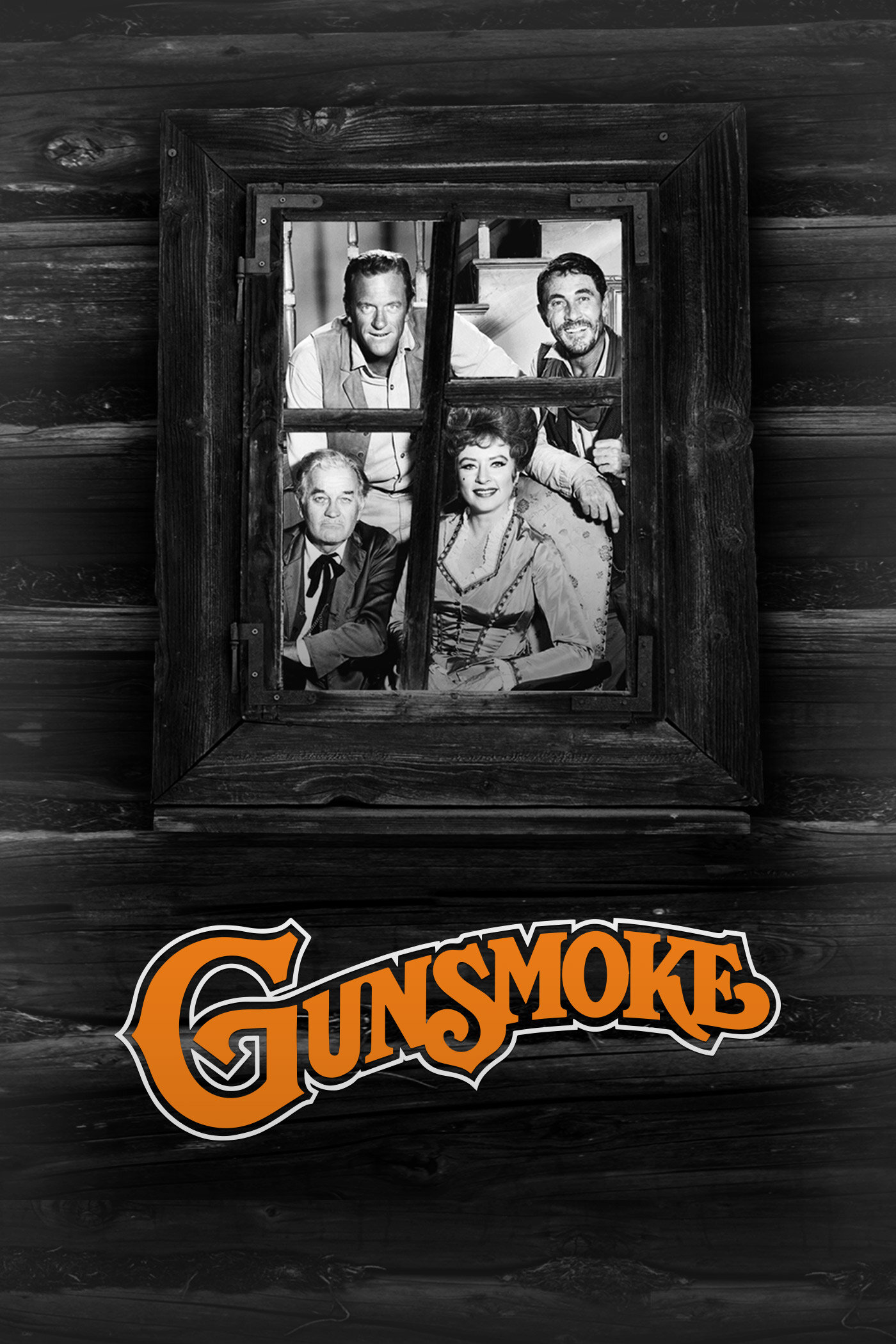
Gunsmoke1955
The benchmark American TV Western: launched just as Annie Oakley was running, it had more budget, better writing, and became the definitive long-form Western. Essential viewing to understand the genre's peak.
But It's longer-form and grittier, with a different philosophy. The tonal shift might feel like whiplash if you're coming from Annie Oakley's lightness.
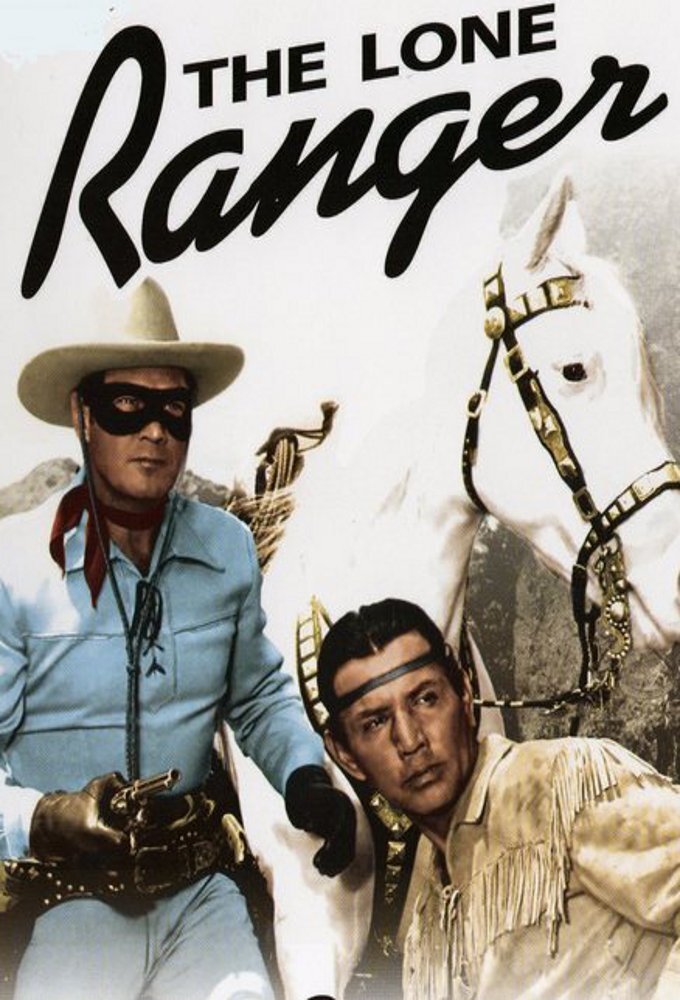
The Lone Ranger1949
Another masked hero Western that ran concurrently, built on the same principles: clean storytelling, good-versus-evil clarity, and an emphasis on justice rather than gunplay. Same era, same spirit.
But The Lone Ranger is more theatrical and campy by design. If you prefer subtlety, it'll feel overwrought.
Not sure tonight? Get a pick in a minute, starting from Annie Oakley
The wildcard
Something you would not have found on your own.
Johnny Guitar1954
Both put a capable woman at the center of a Western and let her lead. Annie Oakley is earnest; Johnny Guitar is furious. Same act, opposite registers.
Released the same year Annie Oakley premiered, this surreal Nicholas Ray Western upends every convention: a woman runs the saloon, wears guns, and drives the plot; the hero is almost secondary. Visually and morally strange in ways that feel radical even now.
But It's dreamlike and hostile to narrative clarity—the opposite of Annie Oakley's clarity. The tone is weird and confrontational, not comfortable.

More like this (7)
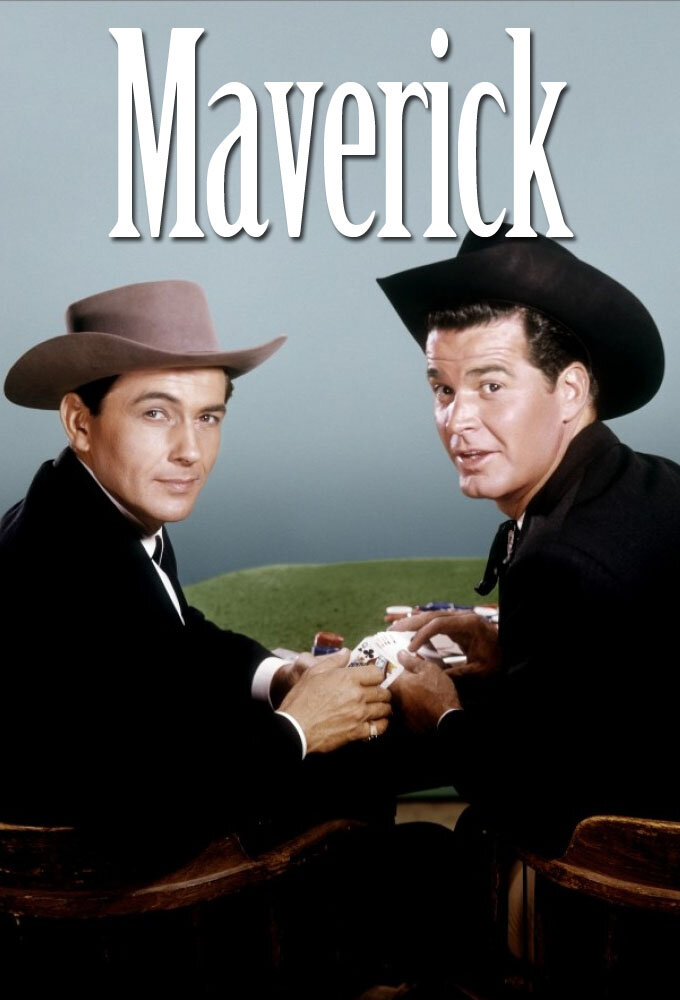
Maverick1957
Arrived just as Annie Oakley was ending. It takes the Western formula but adds wit and self-awareness—charming con men instead of straight heroes. Shows how the genre evolved within a few years.
But The comedy-centric tone is a departure from Annie's adventure-first approach. If you came for action, you'll find banter instead.
Zorro
Contemporary with the later Annie Oakley seasons, another hero-plays-dual-role adventure series. Guy Williams is excellent, the choreography is sharp, and it carries the same sense of heroic justice delivered weekly.
But The masked-vigilante framework is different from Annie's open-and-above-board approach. Less straightforward.
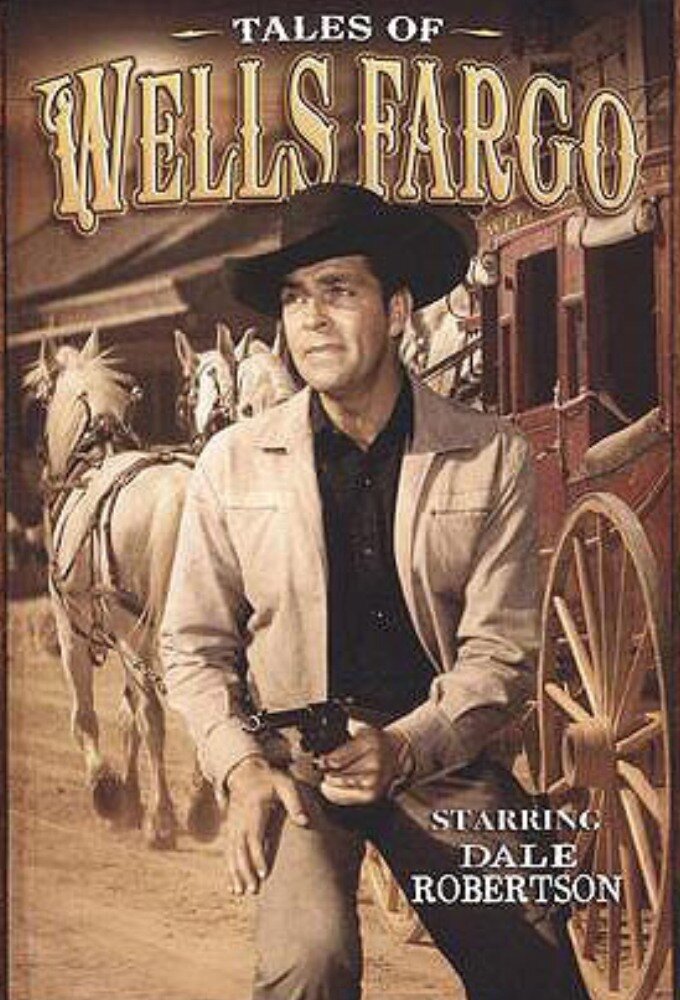
Tales of Wells Fargo1957
A slower-burn Western that ran alongside Annie Oakley's final season, starring Dale Robertson. More grounded than comic, but shares the focus on interesting characters solving frontier problems efficiently.
But It's considerably more serious and less fun. You lose the buoyancy and charm that makes Annie Oakley special.
The Adventures of Wild Bill Hickok1951
A contemporary syndicated Western with the same brisk pacing and plot structure as Annie Oakley. If you're hunting for other short-episode syndicated Westerns, this is the obvious find.
But It's less remembered for good reason—thinner writing and less charismatic leads than its competitors.
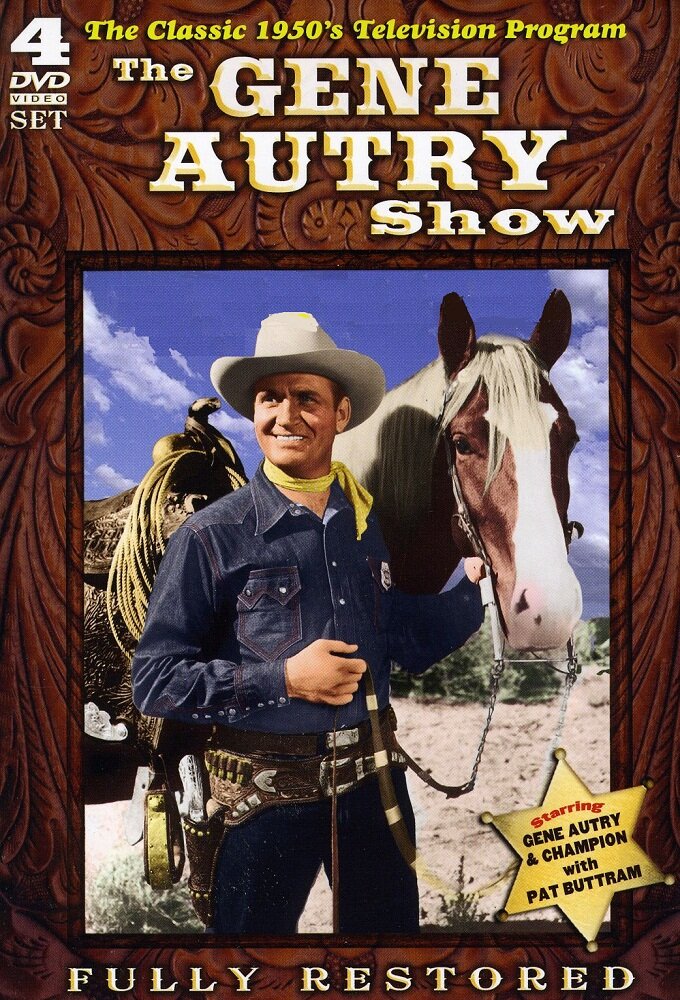
The Gene Autry Show1950
The country-music Western, built on similar syndicated-series economics and a real performer playing himself. Shares the optimistic spirit and the emphasis on entertaining rather than challenging.
But Autry's charisma is different, and the music focus will feel tangential if you're there for the Western action.
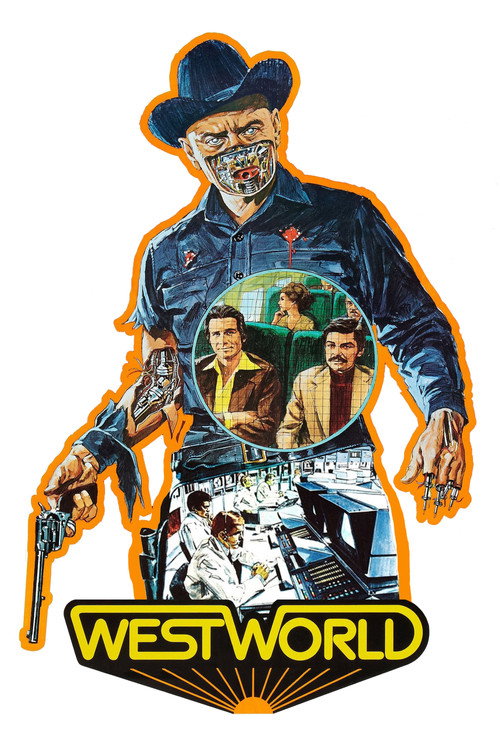
Westworld1973
Annie Oakley is a real performer playing a fictional version of herself; Westworld is about performers (robots) playing performances in a constructed space. Both are deeply interested in the gap between the real and the performed.
A science-fiction Western that literalizes the artifice of the genre—robots in a theme park running scripted adventures. Yul Brynner is implacable; the premise is genuinely unsettling. A brilliant deconstruction that respects what it's deconstructing.
But It's a 1970s thriller, not a 1950s adventure. The darkness and cynicism are profound; there's no comfort in this vision of the West.
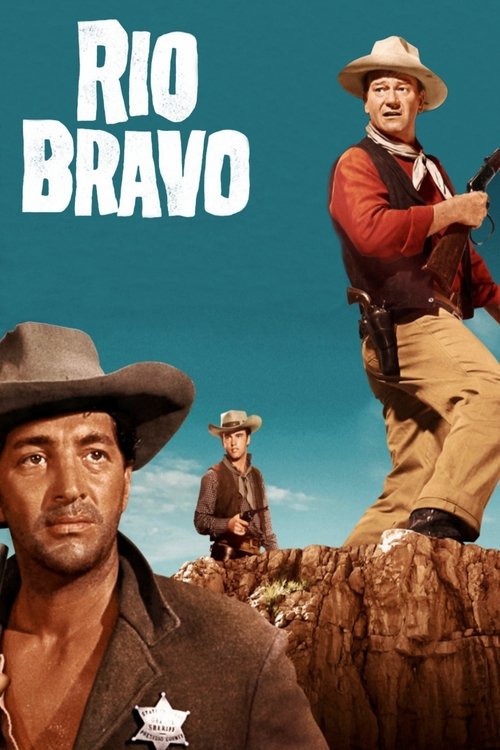
Rio Bravo1959
Both are built on competence: people good at their jobs doing them under pressure, without fuss or self-doubt. Annie Oakley treats Western heroism as a profession; Rio Bravo does too, just in a darker register and with more gunfire.
Hawks' masterpiece: a five-day siege that's really about male friendship and competence under pressure. John Wayne, Dean Martin, and Walter Brennan hold a jail. It's leisurely, beautifully shot, and morally grounded. A perfect Western.
But It's two hours forty—a commitment. And it's male-centered in ways Annie Oakley isn't; the woman character is decoration, not protagonist.
People
Cast
Recommended by
The Roy Rogers Show, Fury, Sergeant Preston of the Yukon, The Range Rider