Television series
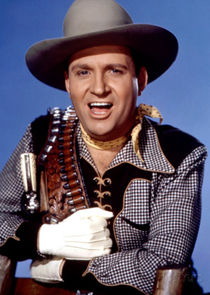
The Gene Autry Show
- Classic western
- Action
- Light-hearted
- Dip in and out
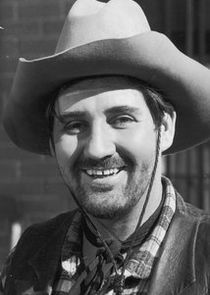
Gene Autry plays himself in this 1950s Western series, a singing cowboy who travels the frontier with wisecracking sidekick Pat Buttram, solving crimes and disputes while performing numbers with his horse Champion. It's cheerful, episodic, and fundamentally wholesome—action-adventure for families who wanted their heroes armed with both guns and guitars. Peak American optimism in thirty-minute packages.
Should you watch it?
Watch it if you love old-fashioned B-western charm, where a simple moral world, a sing-along cowboy and a sidekick who gets the laughs make a half hour feel like a warm visit to a Saturday matinee.
Skip it if you want serialized plots or modern pacing, since each 30-minute episode is self-contained, comfortably predictable, and built around a song and a sidekick routine rather than real suspense.
What it asks of you: Thirty minutes at a time, across five seasons and ninety-one episodes, it asks for easygoing patience and a willingness to let a slow trot, a tune and some gentle horseplay carry the scene.
Not sure? Find tonight's pick in a minute.
If you liked this
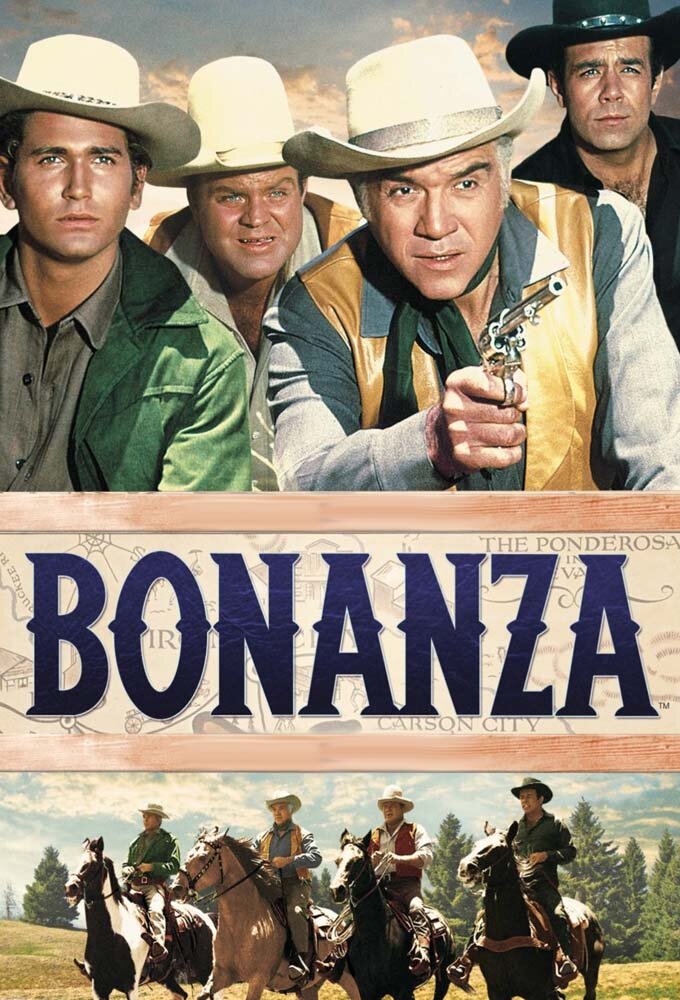
Bonanza1959
A family-centered Western with genuine warmth and surprisingly sophisticated plots about ranching life, set disputes, and moral questions. The Cartwrights feel like real people, and the show balances action with genuine character moments across its fourteen-season run.
But It's long and episodic in the way 1960s television is, with production values that show their age. Pacing can feel slack compared to modern storytelling.
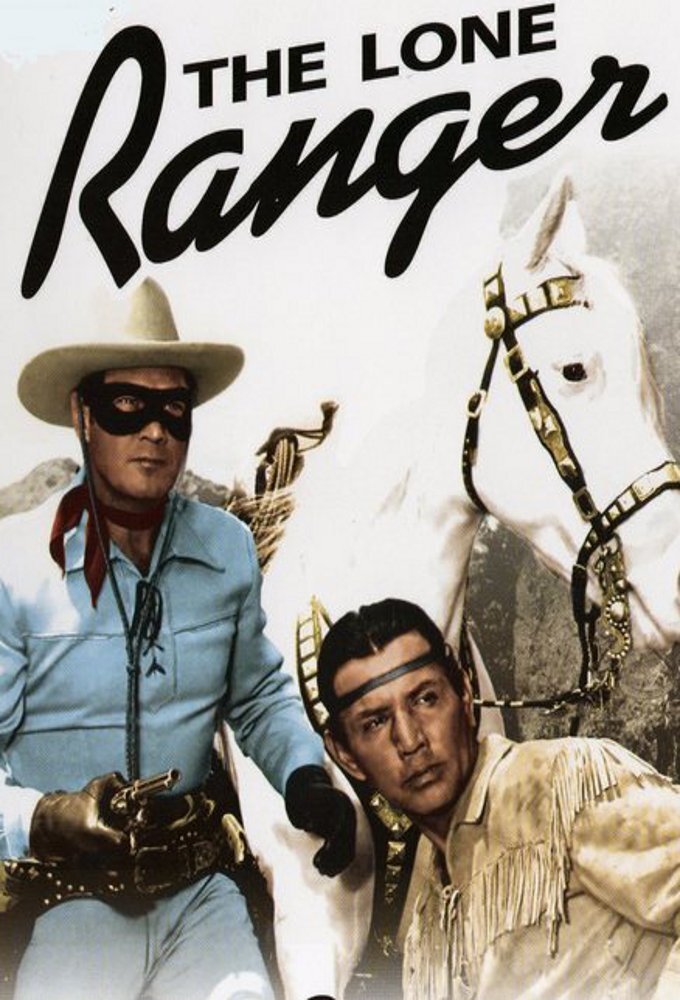
The Lone Ranger1949
Contemporary with Autry, this series has the same spirit: a masked hero on horseback, righteous action, and a faithful sidekick riding across the West. It's pure adventure, energetically made, and genuinely fun without pretense.
But The episodes are short and repetitive in structure. If you're looking for character depth or serialized narrative, this isn't it.
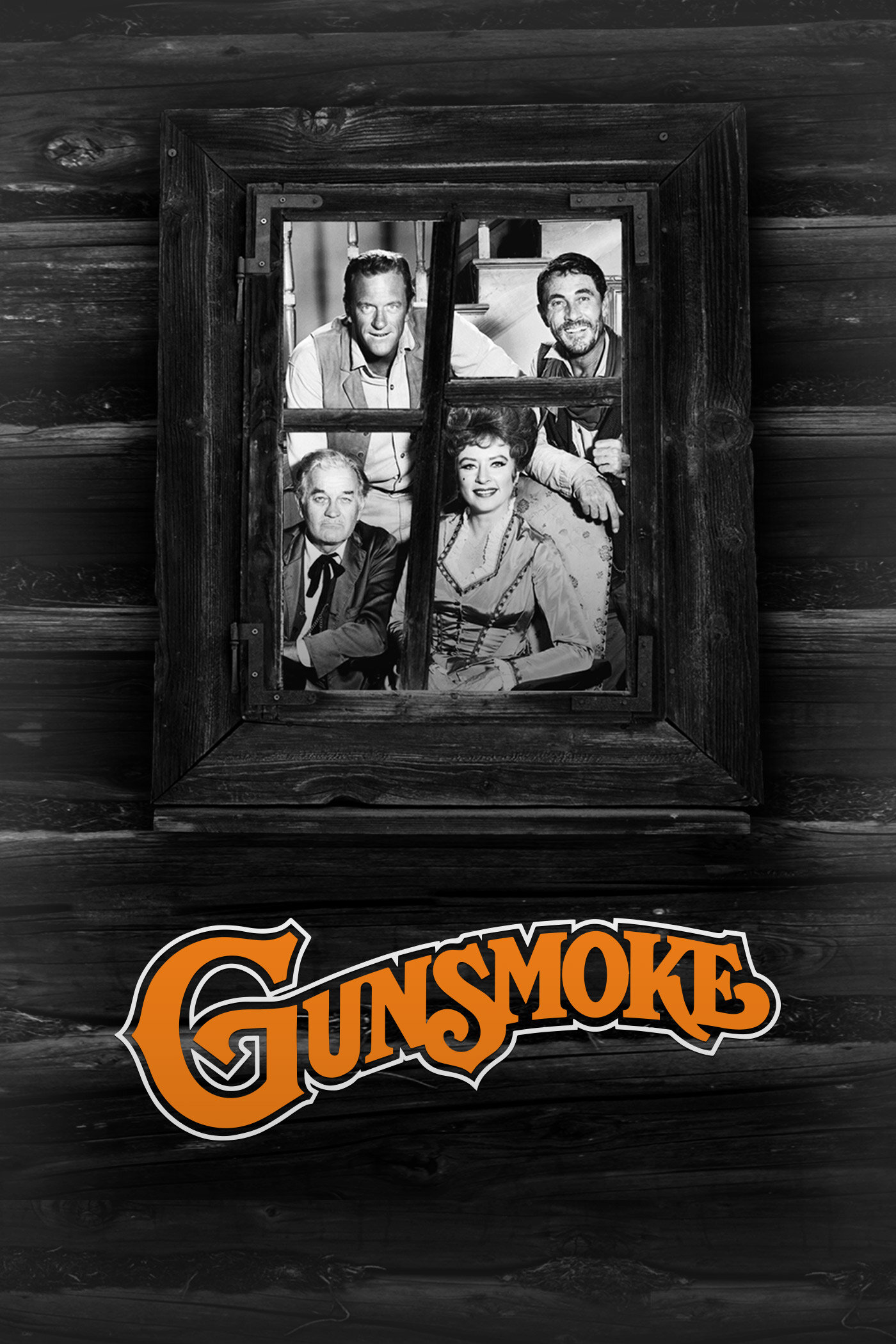
Gunsmoke1955
The definitive adult Western, with James Arness as a town marshal dealing with genuine moral complexity. It respects both its characters and its audience, treating the frontier as a place of real consequence and difficult choices.
But It's serious and often dark—a very different tone from Autry's cheerful optimism. Some episodes deal with violence and tragedy that land heavy.
Not sure tonight? Get a pick in a minute, starting from The Gene Autry Show
The wildcard
Something you would not have found on your own.
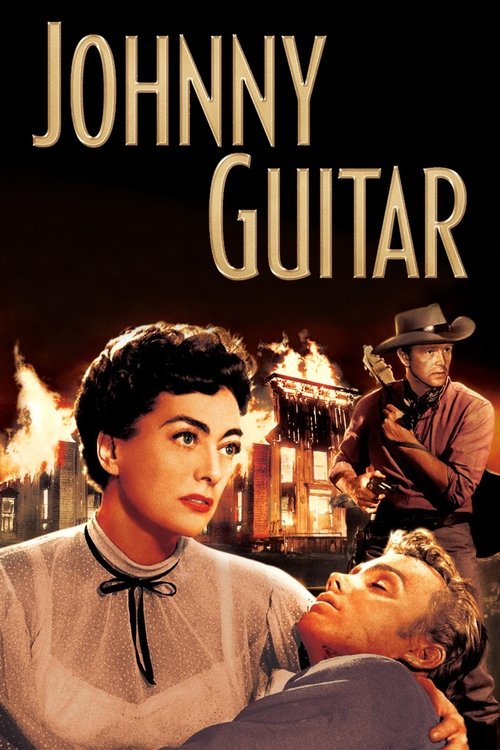
Johnny Guitar1954
Both films present the frontier as a space for heroes to solve problems through action, but Ray's vision sees that same space as dangerous to the comfortable certainties Autry's work assumes. Same setting, inverted moral universe.
Nicholas Ray's revisionist Western has a woman (Joan Crawford) running a saloon and making her own moral decisions, with Sterling Hayden as an ambiguous hero who defers to her authority. It's genuinely strange, visually arresting, and questions every assumption the genre typically makes about power and heroism.
But It's deliberately weird and operates on dream logic rather than plot logic. The dialogue is mannered, the relationships are oblique, and it's the opposite of Autry's straightforward charm. It requires patience and a willingness to be unsettled.
More like this (7)
The Roy Rogers Show1951
Another singing cowboy contemporary with Autry, equally wholesome and performed with real affection. Rogers had genuine charisma, and the show captures an America that wanted its heroes to be entertainers first and gunslingers second.
But The format is nearly identical to Autry's work. If you're sampling the genre, this might feel repetitive rather than revelatory.
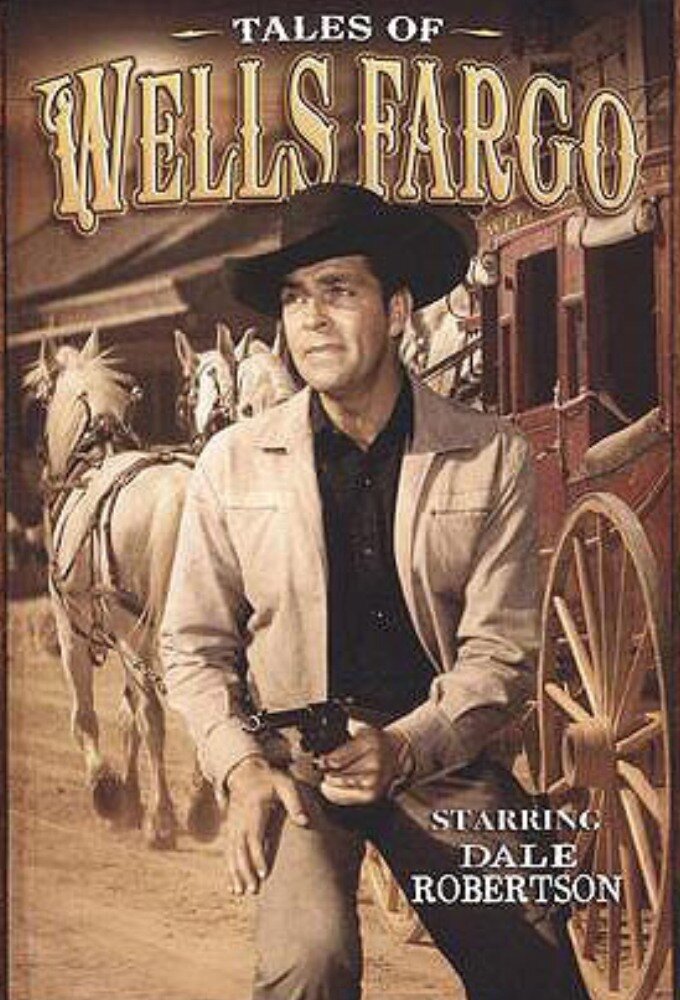
Tales of Wells Fargo1957
A half-hour Western with James Hardie as a troubleshooter for the famous express company, mixing mystery, action, and period detail. It's clever, well-paced, and treats the work of the frontier as something genuinely interesting.
But It's less a character study than a sequence of self-contained cases. If you need emotional investment in the protagonist, it stays at arm's length.
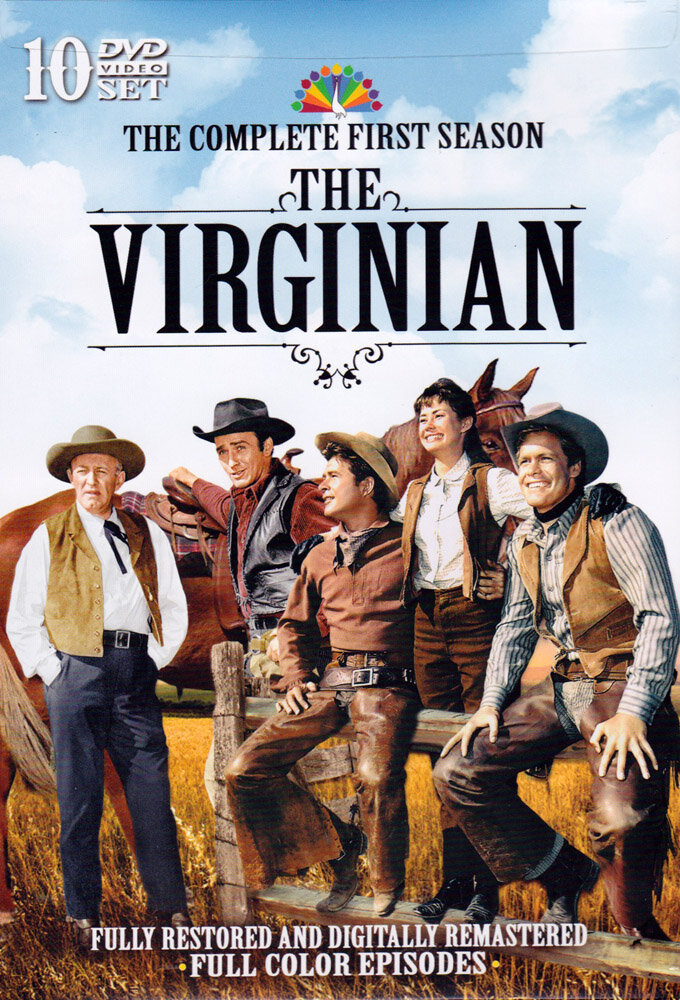
The Virginian1962
James Drury's iconic performance as a principled foreman carries this show into genuine drama. It proved Westerns could be sophisticated and psychologically interesting while keeping the genre thrills intact.
But At ninety minutes per episode, it's a commitment. The first season or two are stronger; later seasons lean toward melodrama and repetition.
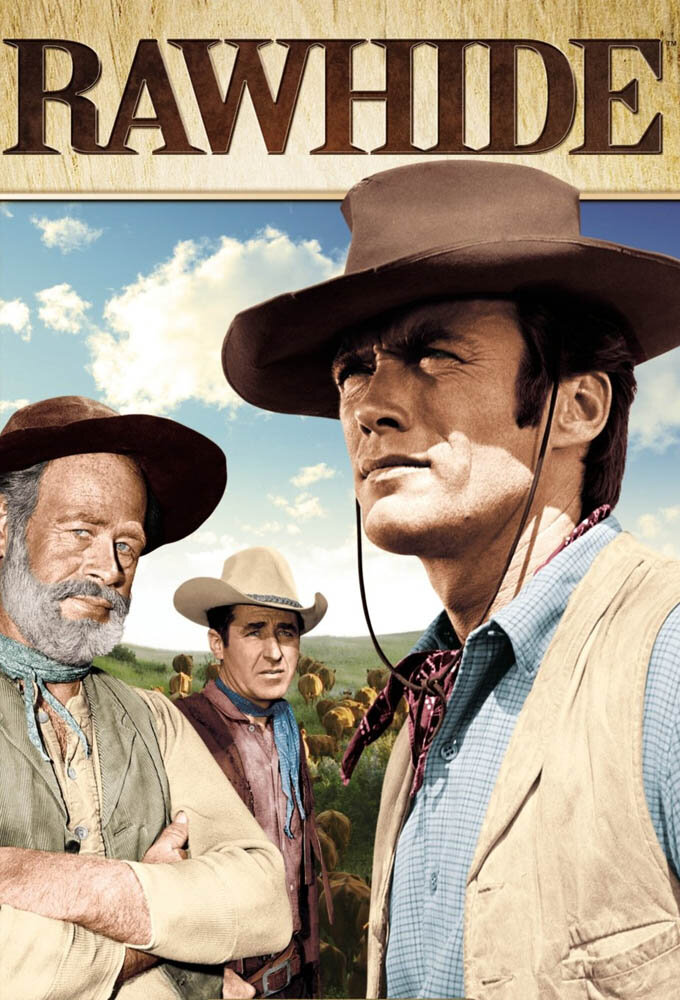
Rawhide1959
A cattle drive series with Clint Eastwood and Eric Fleming managing drovers, rustlers, and frontier chaos across multiple episodes and seasons. It's episodic but with genuine stakes and a strong ensemble cast.
But It's long and occasionally slow-paced. Some episodes prioritize plot mechanics over character, and the serialization can feel thin.
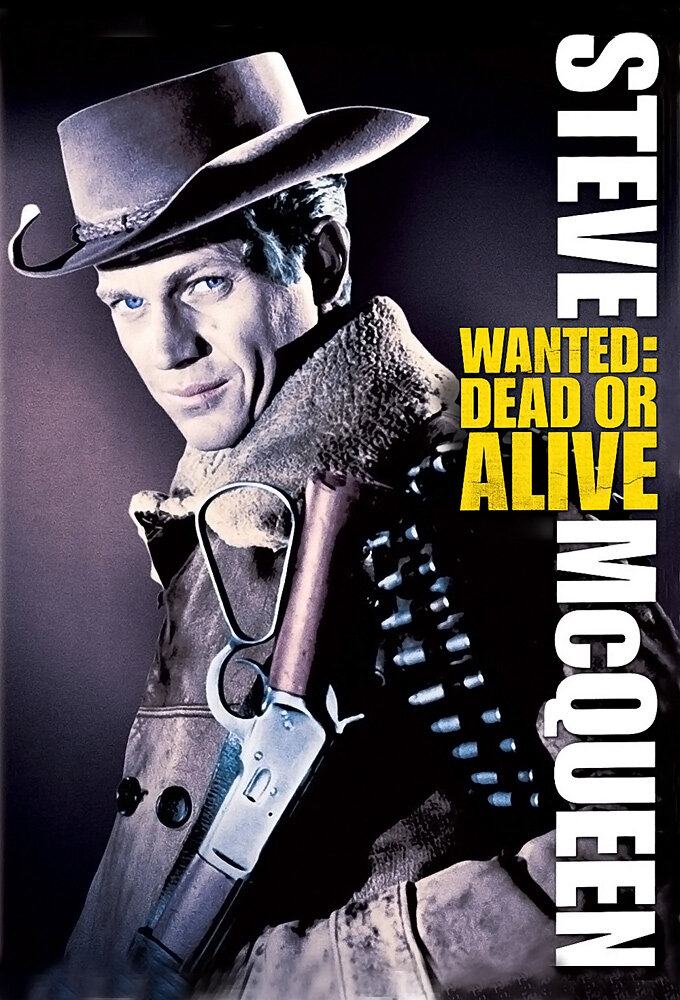
Wanted: Dead or Alive1958
Steve Reeves as a bounty hunter gives this series real physicality and competence. The episodes are tightly constructed mysteries with genuine suspense, and Reeves brings an understated professionalism to the role.
But It's formulaic by design, and the character doesn't develop much across episodes. If you need growth or complexity, this is surface-level work.
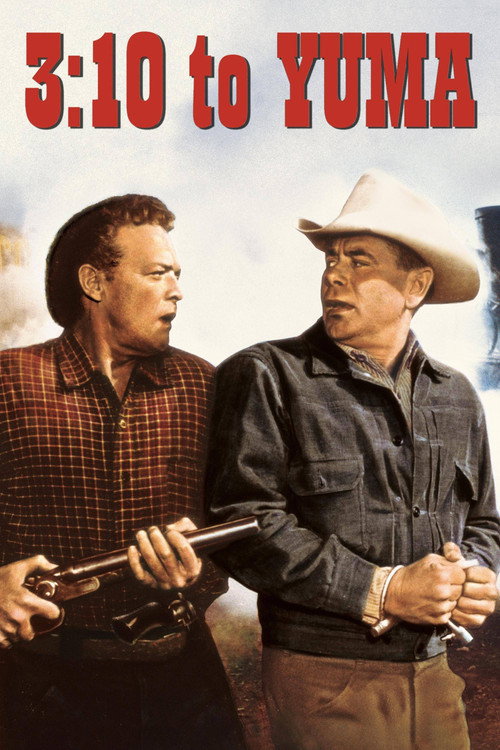
3:10 to Yuma1957
Where Autry's hero solves problems with quick action and good humor, this film's hero solves them through sheer stubborn morality in the face of a genuinely appealing antagonist. Both believe in codes, but Ray questions whether codes are enough.
A tense psychological duel between a rancher (Van Heflin) and an outlaw (Glenn Ford) across a single day. It's a chamber piece Western—minimal action, maximum moral complexity—about conviction, desperation, and what it means to keep your word when everything pushes against it.
But It's slow, claustrophobic, and deliberately unglamorous. There's no music, no humor, no charm. If you come for Autry's optimism, you'll find only doubt and exhaustion.
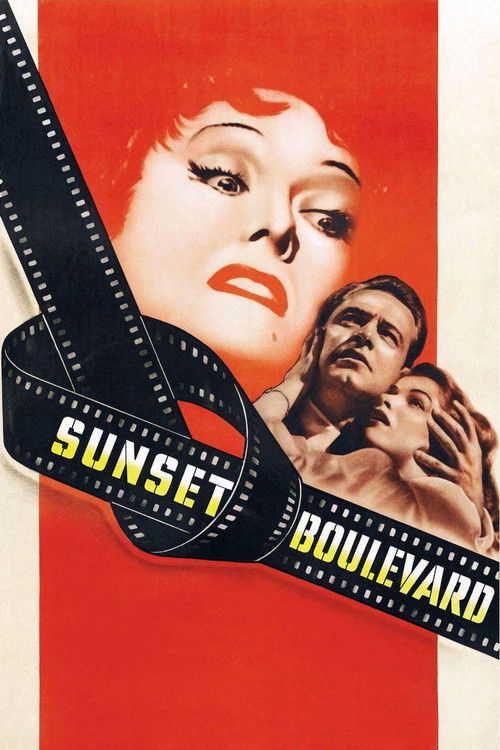
Sunset Boulevard1950
Autry was a real entertainer playing himself, selling an image of frontier heroism to an American public hungry for myths. Sunset Boulevard is a scalpel-sharp examination of exactly that machinery—how entertainment consumes the people who create it and what happens when the myth stops selling.
Billy Wilder's masterpiece about a failed screenwriter sucked into the orbit of a faded silent-film star. It's caustic, brilliantly constructed, and operates as a direct inversion of the American success narrative—fame as trap rather than reward.
But It has nothing to do with Westerns. It's a noir set in Hollywood, deeply cynical about show business and human nature. If you come expecting horses and sheriffs, you'll be completely lost. It's bleak and unsentimental.