
Television series
Dick Powell's Zane Grey Theatre
- Classic western
- Dip in and out
A CBS western anthology where Dick Powell hosts tales of frontier life, each episode self-contained. It's unpretentious mid-century television: straightforward storytelling, good character work, and the pleasures of efficient drama. For anyone who loves the western genre or wants to understand how television told stories when it had something to prove.
If you liked this
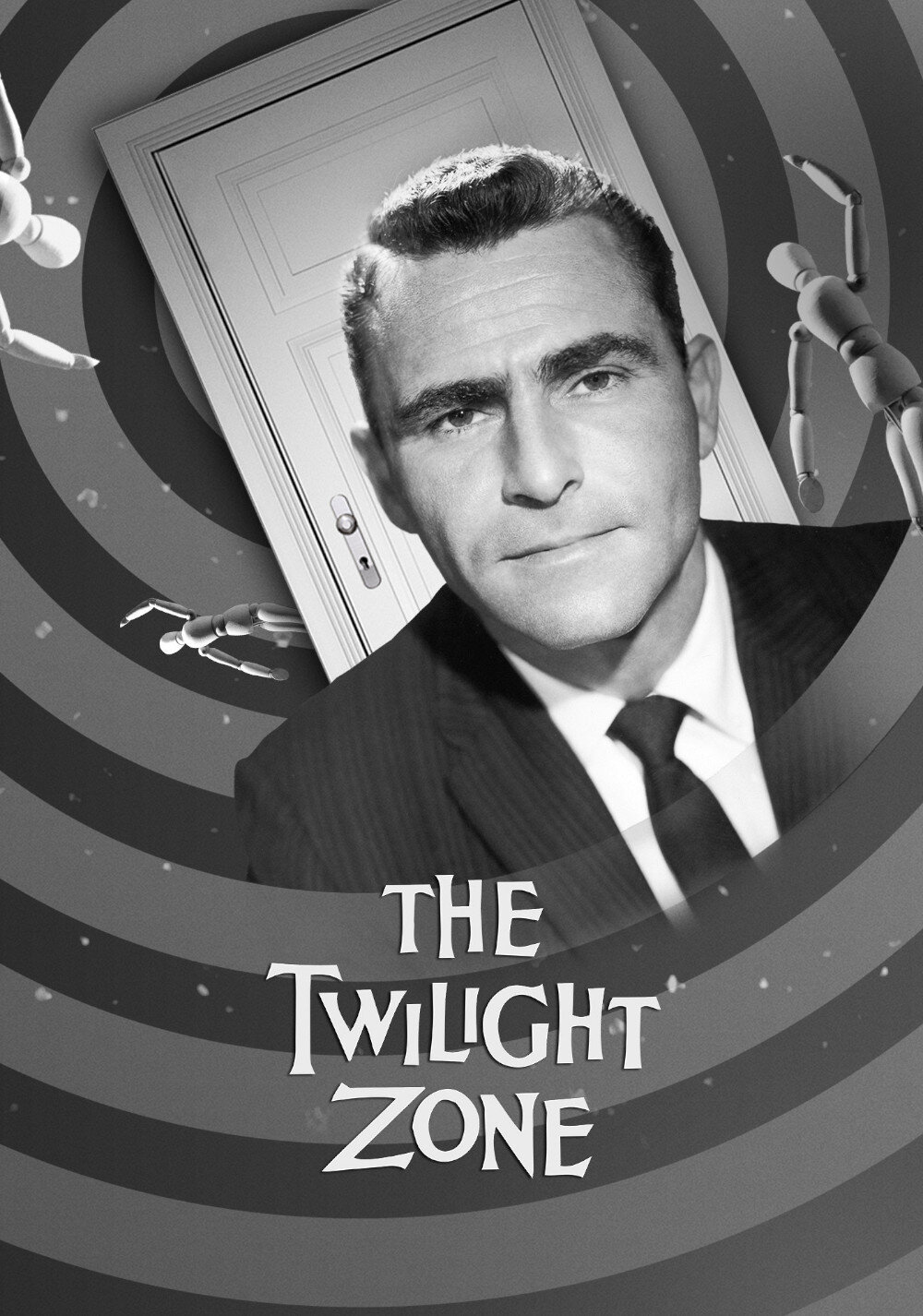
The Twilight Zone1959
The gold standard of anthology series: standalone stories with genuine suspense and unexpected turns. Rod Serling's narration gives each episode weight, and the writing justifies every twist.
But Some episodes are dated or rely on shock value rather than substance. The pacing can feel slow to modern viewers accustomed to faster cutting.
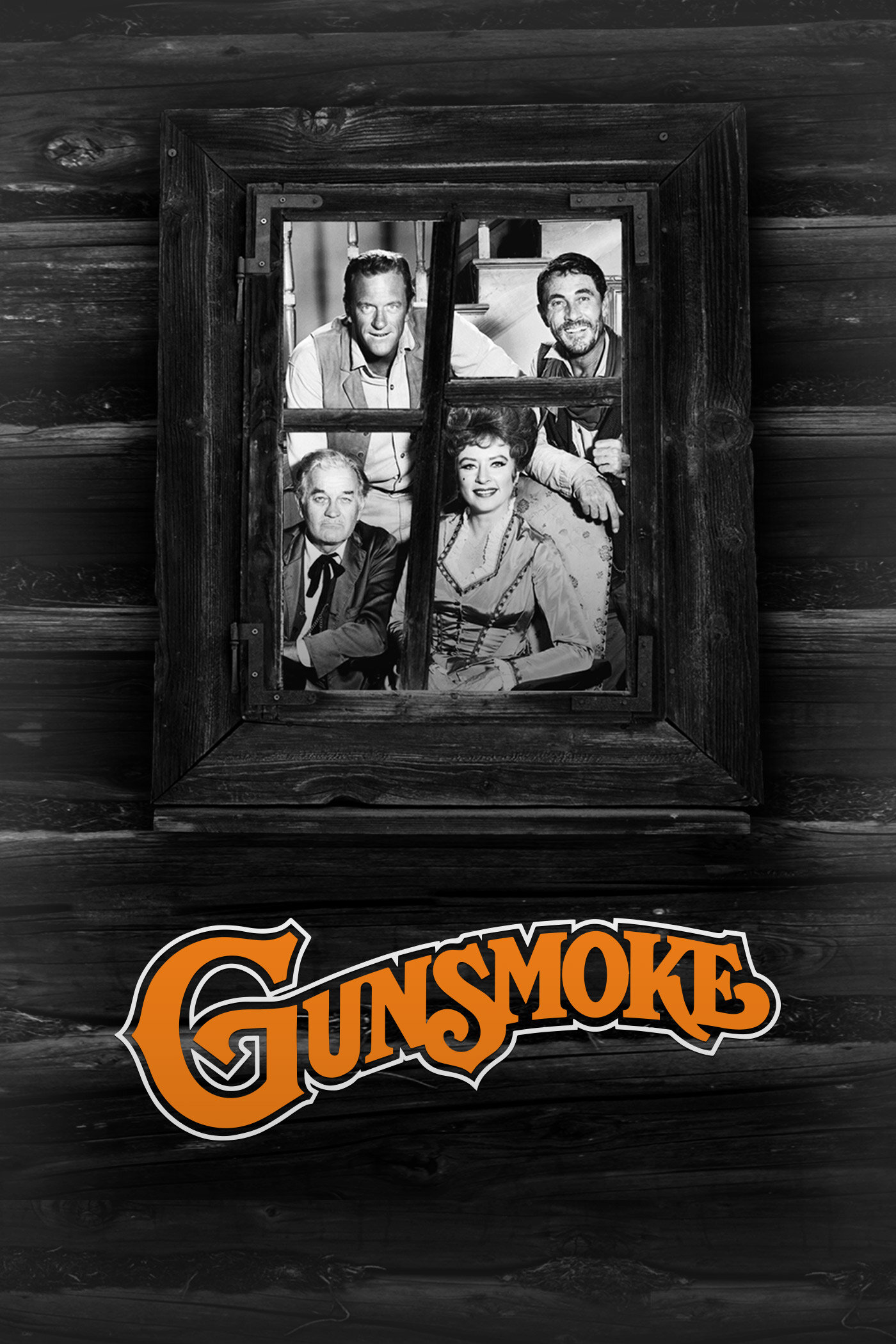
Gunsmoke1955
The definitive American TV western: grounded, character-driven, with real stakes. Matt Dillon and Doc Adams feel like people you know. It proved westerns could sustain weekly television.
But Twenty seasons is a commitment. Early episodes are rawer than later ones, and the show occasionally repeats its own stories.
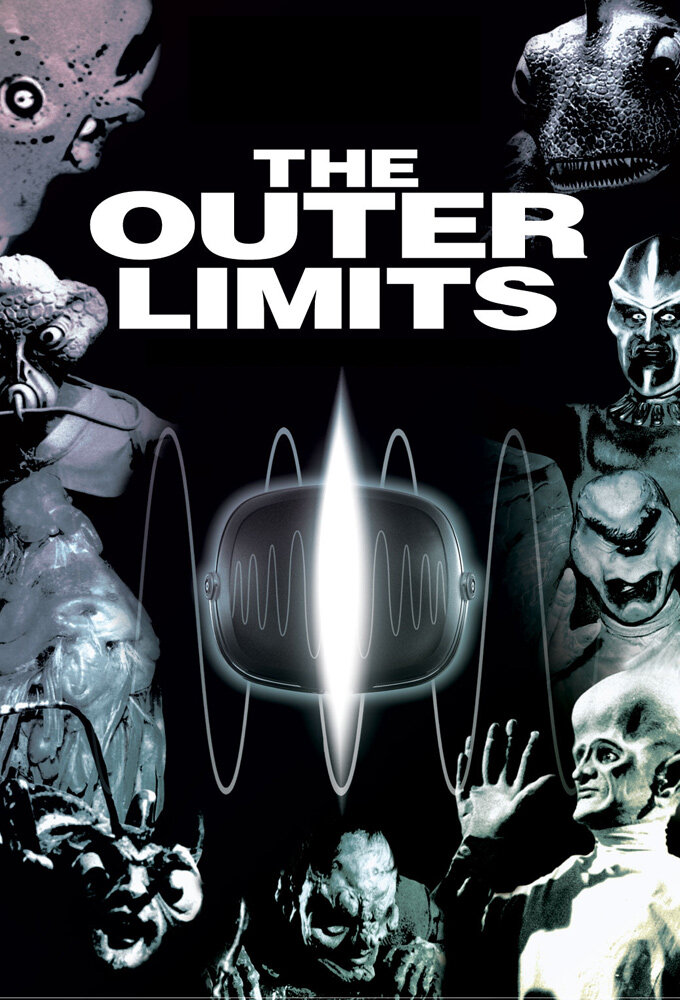
The Outer Limits1963
Anthology sci-fi with genuinely unsettling premises and practical effects that still disturb. Each episode feels like a complete short story with room for real character development.
But Second season lost momentum and relied on cheaper tricks. Some episodes are campy in ways that undercut their own scares.
Not sure tonight? Get a pick in a minute, starting from Dick Powell's Zane Grey Theatre
The wildcard
Something you would not have found on your own.
Johnny Guitar1954
Both use the western form to tell stories about power and belonging rather than just gunfights. Ray's visual excess vs. Powell's modest efficiency represent two ways television and film approached the same mythology.
Nicholas Ray's fever dream western where a woman owns the saloon and calls the shots. It's a genuinely strange film—sexual, violent, operatic—that understands the genre as myth rather than history.
But It abandons realism entirely for something more expressionistic and strange. The gender dynamics, though progressive, are still bound by 1950s syntax.

More like this (8)
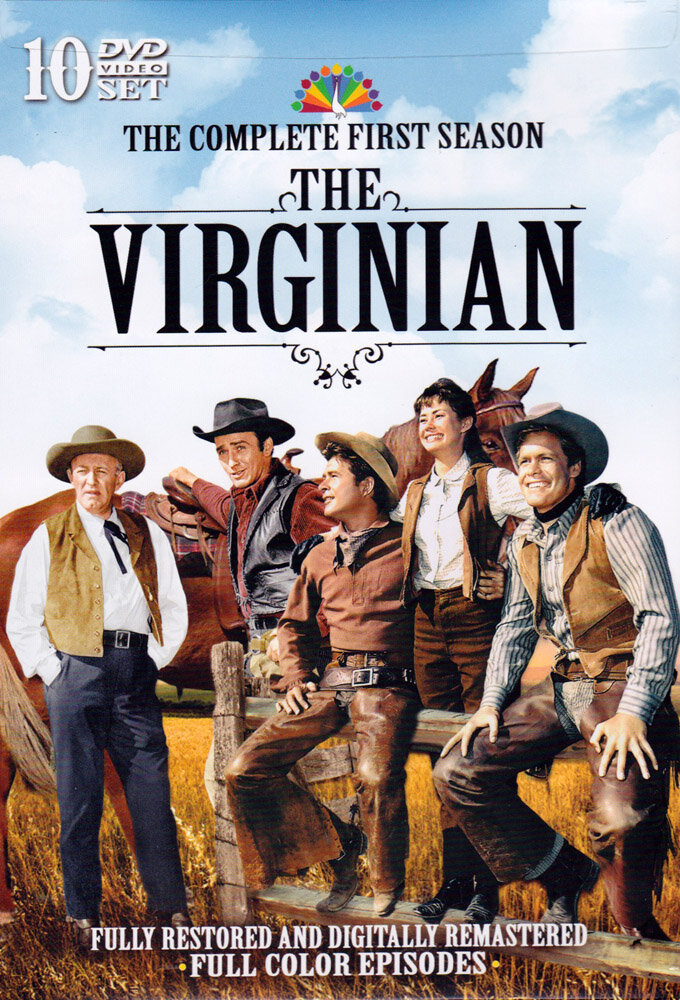
The Virginian1962
A western with psychological depth, where violence has consequences. James Drury's quiet authority carries complex stories about morality in a lawless land.
But Ninety-minute episodes can feel padded compared to tighter hour stories. Some plots venture into melodrama.
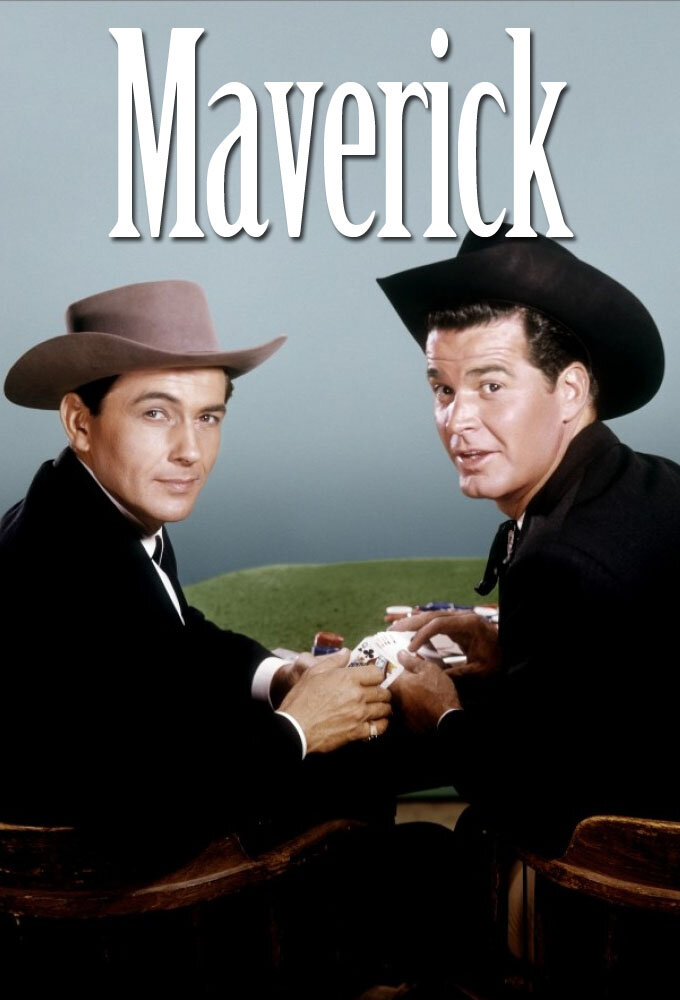
Maverick1957
A western comedy where con men are the heroes. It's clever, breezily charming, and does more with genre playfulness than most comedies attempt. Genuinely funny without being patronizing.
But The humor dates unevenly. Some episodes feel slight, trading on charm when they run out of ideas.
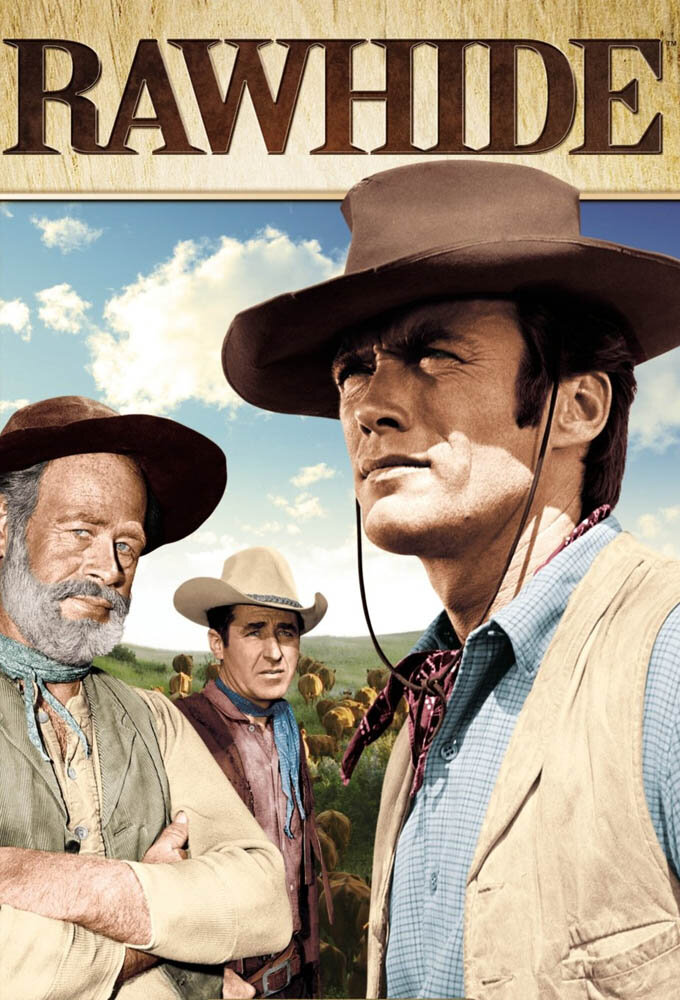
Rawhide1959
A working western about cattle drovers: practical, grounded, with real ensemble dynamics. Every episode earns its focus on the mundane reality of frontier labor.
But The repetition of the cattle drive can feel genuinely repetitive. Later seasons lose the specificity that made early ones compelling.
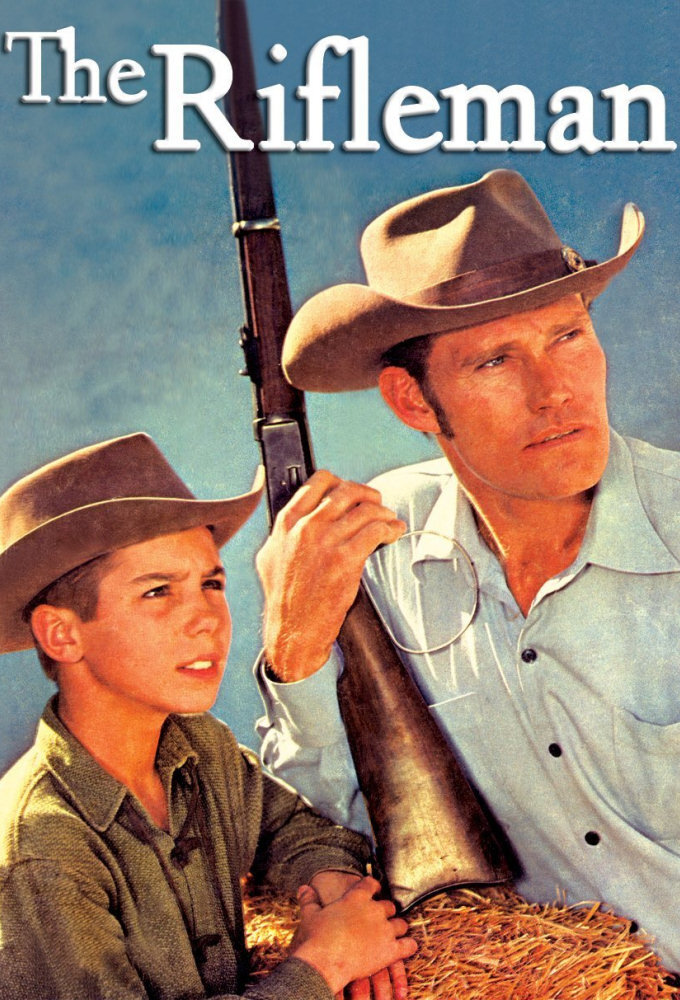
The Rifleman1958
A single-father western centered on Lucas McCain and his son. It's surprisingly tender, balancing action with genuine parental relationships that feel earned rather than sentimental.
But The moral lessons can be heavy-handed. Chuck Connors' rifle work, while impressive, sometimes overshadows the character moments.
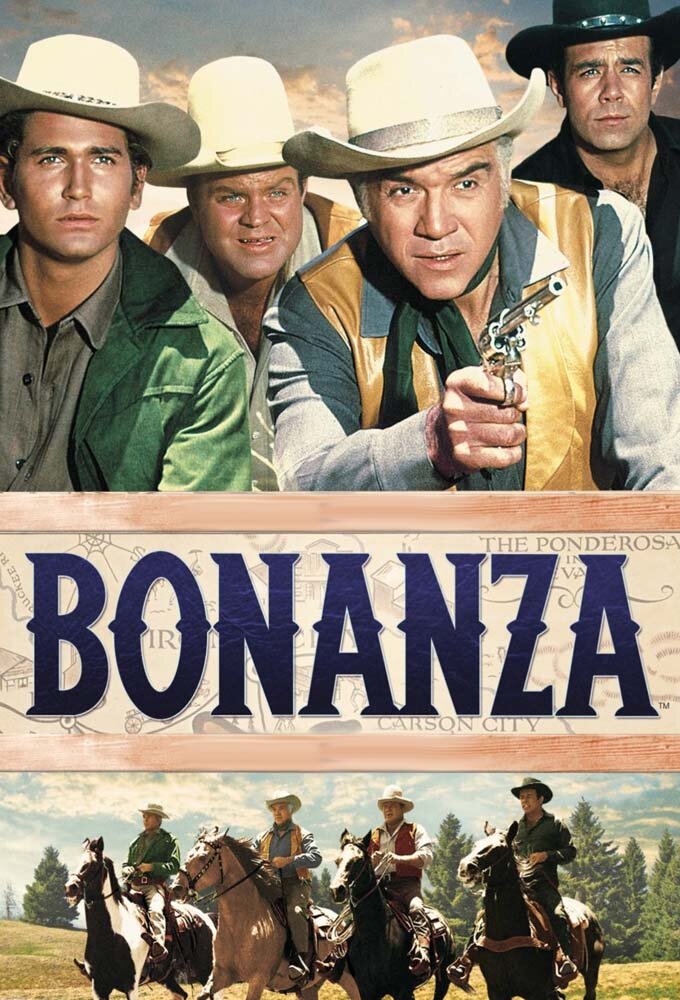
Bonanza1959
A family western with real warmth and capable writing. The Cartwright ranch gave America a model of men being vulnerable with each other while still being strong—radical for 1959.
But It's earnest in ways that read as naive now. Some episodes lean into sentimentality that undermines their own drama.
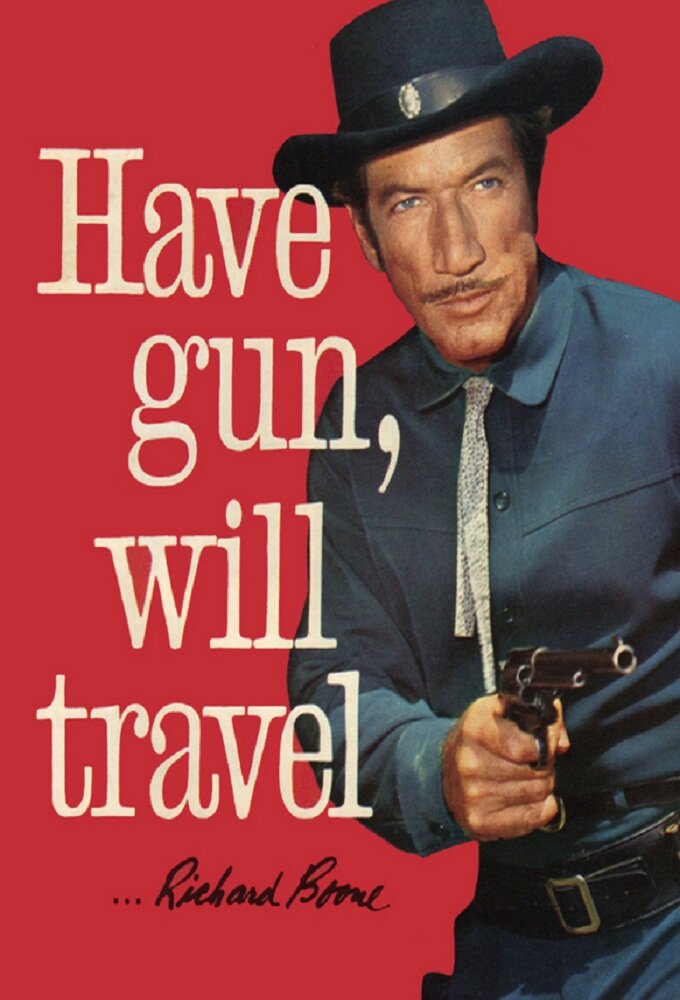
Have Gun - Will Travel1957
Paladin is a gunslinger-for-hire with surprising moral complexity. Each episode asks whether violence solves anything, and the writing trusts viewers to sit with uncomfortable answers.
But The formula of mercenary-with-a-heart-of-gold can feel repetitive across a full season. Some early episodes are rough technically.
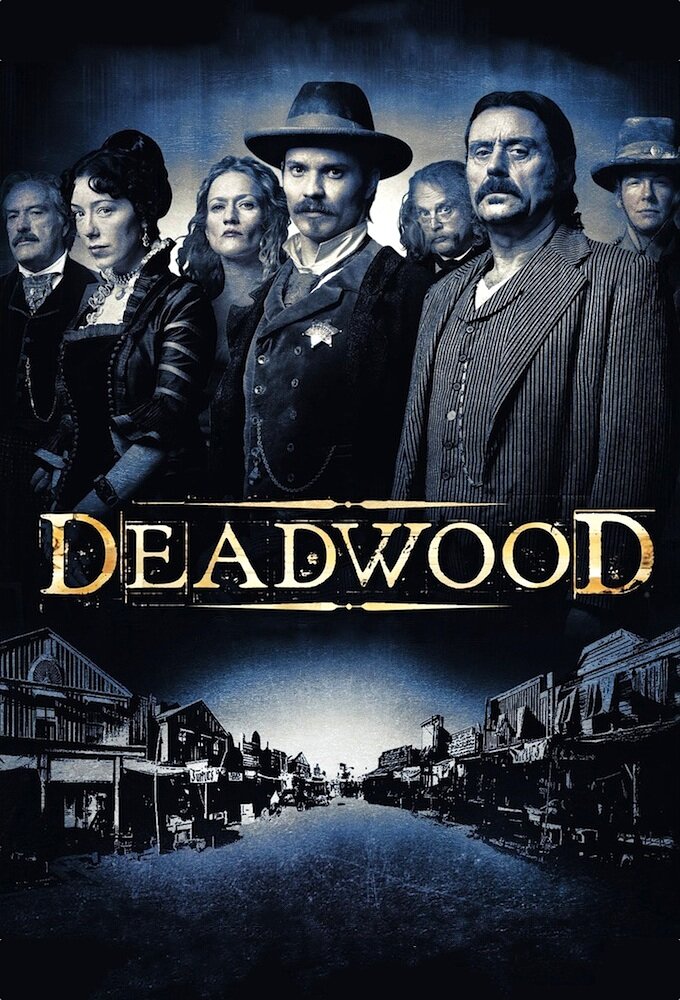
Deadwood2004
Both are anthology-adjacent ensemble westerns examining how people live together in lawless places, but Deadwood strips away 1950s politeness to show the actual cost of civilization-building.
Profanity-laced, densely plotted western where language becomes a form of violence and community-building. It's the literary western—Shakespearean in scope, treating frontier life as inherently tragic.
But The constant swearing overwhelms some viewers; it's weaponized in ways that can feel exhausting. The narrative complexity demands full attention; you cannot half-watch it.
The Ballad of Little Jo1993
Like Powell's anthology, it's interested in the real texture of frontier life—work, boredom, small choices—but from an entirely different era and perspective, showing how we've learned to tell western stories that earlier television could not tell.
A true story of a woman who lived as a man in the Old West. Maggie Greenwald's film is quiet, precise, and achingly lonely—it treats gender performance as survival, not statement.
But It moves slowly and withholds emotional catharsis. The deliberately muted palette and restrained acting may feel austere to viewers wanting melodrama.

People
Cast
 Dick PowellHost
Writing
- Charles A. WallaceCreator
- Luke ShortCreator