
Television series
Route 66
- Car-chase action
- Dip in and out
Two young men — one a broke ex-aristocrat, one his dead employer's dockhand — drift across America in a Corvette, taking odd jobs and stumbling into other people's crises. It's really a black-and-white anthology series disguised as a road trip, a different one-act morality play every week, shot on real docks, oil rigs and shrimp boats. For anyone who likes slow character studies wrapped in earnest, restless fifties-into-sixties Americana.
Should you watch it?
Watch it if you like episode-by-episode road stories, where each stop brings a new town, a new job and a stranger with a problem, and you don't mind the earnest lessons picked up along the way.
Skip it if you need serialized plotting or a tight through-line, since episodes mostly move from one stranger's trouble to the next, and the socially minded earnestness can feel heavy.
What it asks of you: Sixty-minute episodes, 116 of them across four seasons, unhurried and episodic, so you settle into its rhythm as the drive does.
Not sure? Find tonight's pick in a minute.
If you liked this
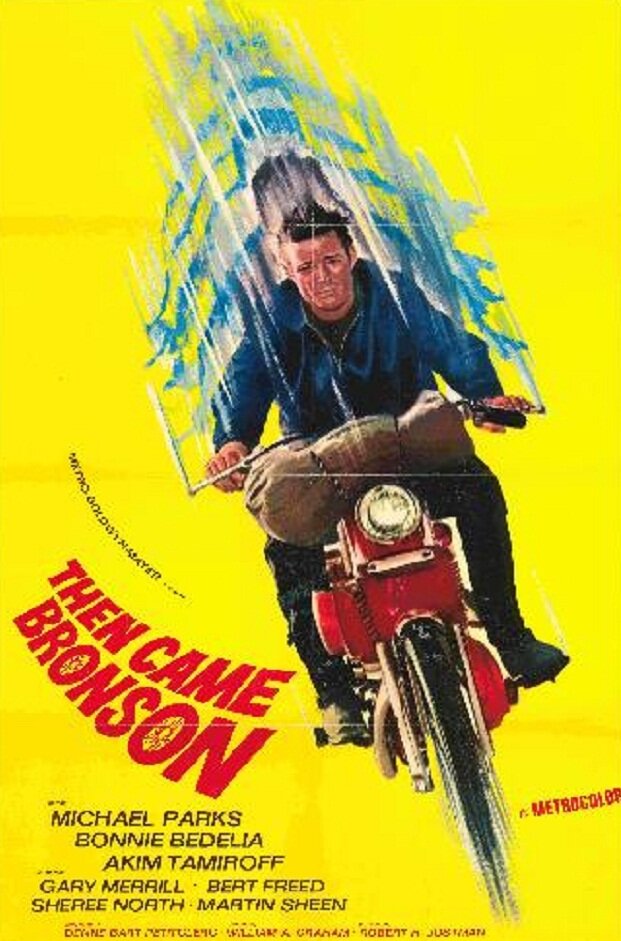
Then Came Bronson1969
Michael Parks trades the Corvette for a motorcycle but keeps the same soul: a drifting stranger who rolls into a new town each week and gets tangled in someone else's crisis, filmed with the same lonesome backroads beauty.
But Only one season, so the mythology never gets to deepen, and some episodes lean harder into moralizing than mystery.
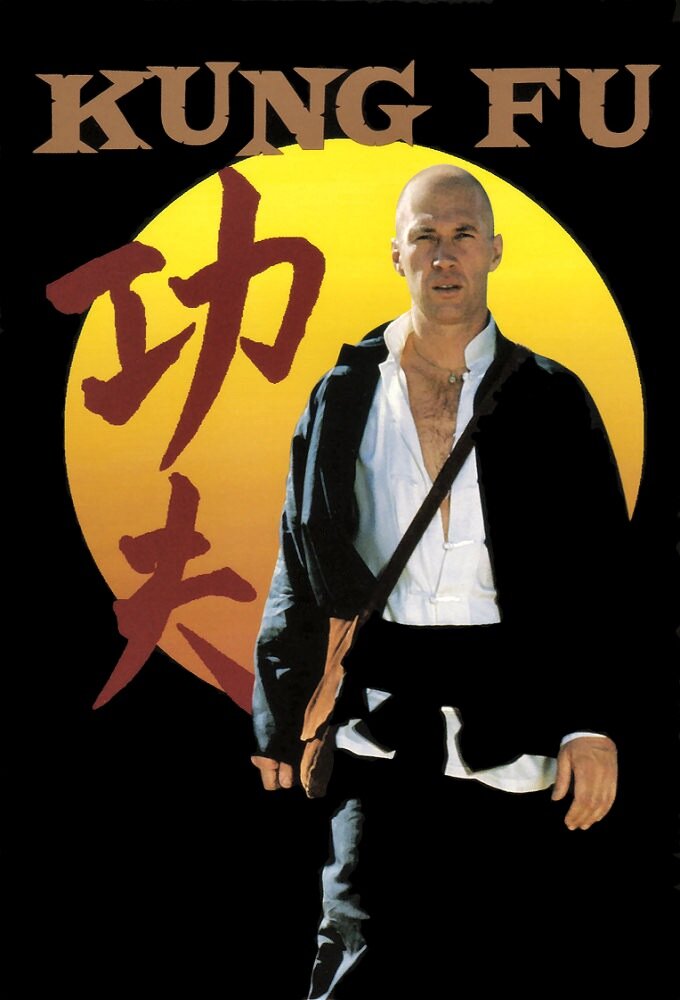
Kung Fu1972
Swap the Corvette for a walking staff: a wandering ex-monk drifts through the Old West, righting wrongs and teaching patience, echoing Route 66's stranger-comes-to-town structure with a mystical twist.
But The philosophy can feel repetitive, and its frontier setting trades real-world specificity for genre convention.
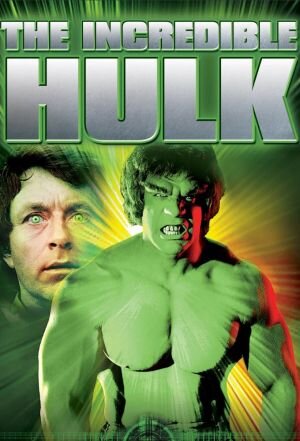
The Incredible Hulk1977
David Banner wanders from town to town under an assumed name, quietly fixing broken lives before his secret forces him to move on — the anthology backbone of Route 66 wearing a monster suit.
But The superhero framing and modest effects may feel corny if you're allergic to seventies TV camp.
Not sure tonight? Get a pick in a minute, starting from Route 66
The wildcard
Something you would not have found on your own.
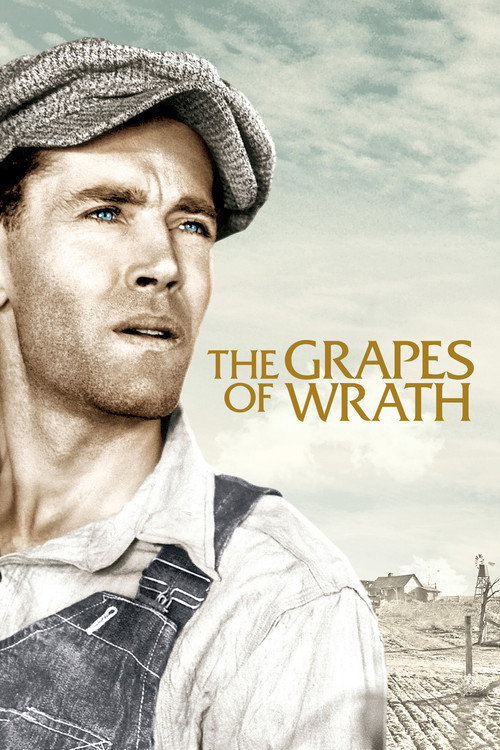
The Grapes of Wrath1940
Route 66 is literally the road the Joads drove; this black-and-white ancestor made that highway a symbol of American displacement two decades before Tod and Buz ever got behind the wheel.
John Ford's adaptation of Steinbeck follows a family fleeing the Dust Bowl down the same highway, decades earlier and dead serious, with Henry Fonda's quiet fury anchoring one of American cinema's founding road stories.
But It's grim where the show is hopeful, a Depression-era tragedy with none of Route 66's episodic lightness or forward motion.
More like this (7)
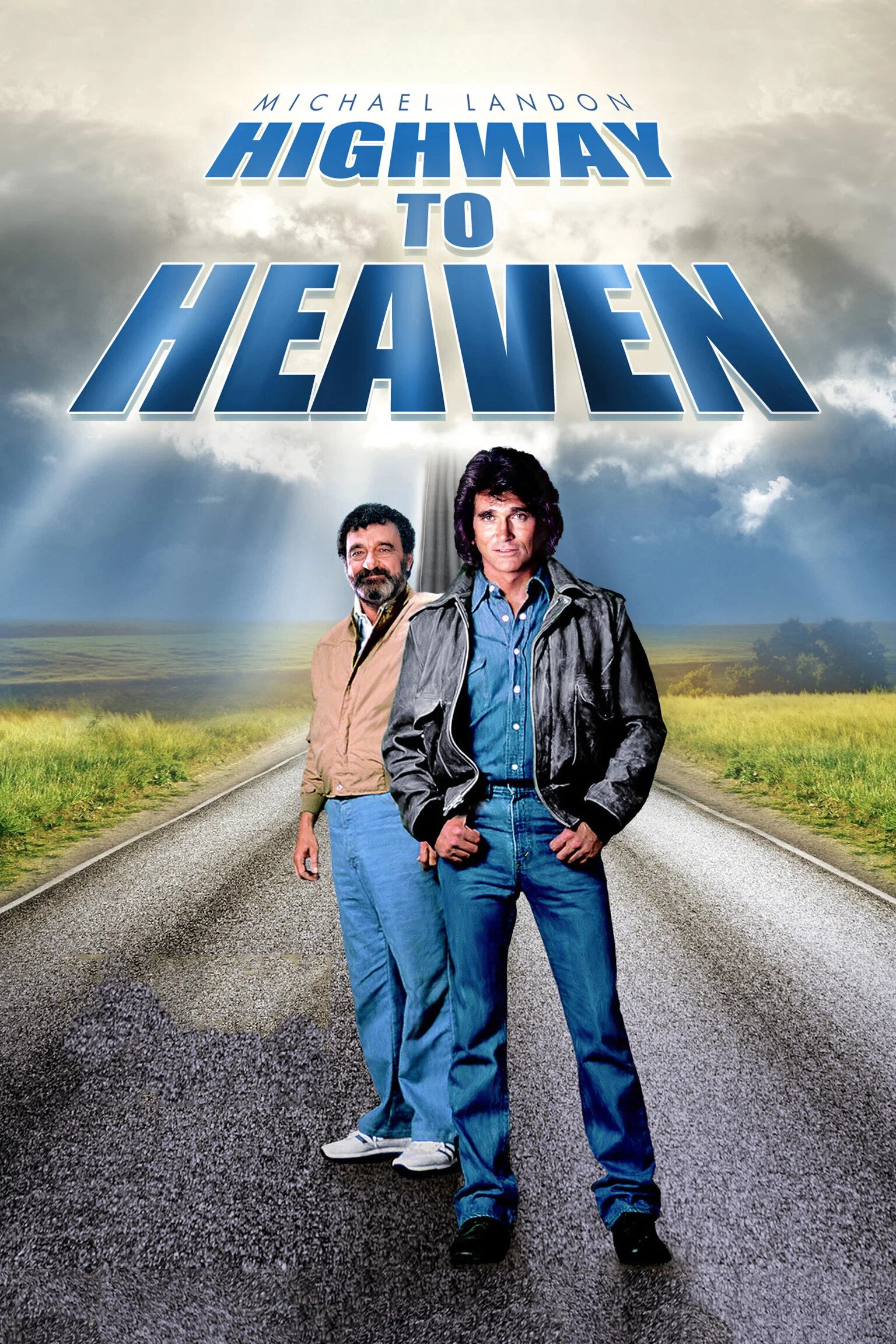
Highway to Heaven1984
An angel and his cynical sidekick roam America solving strangers' problems town by town, keeping Route 66's compassionate-drifter DNA but trading existential drift for outright sentimentality.
But It's unabashedly sweet and occasionally saccharine, a big swing from the show's more restrained, ambiguous morality.
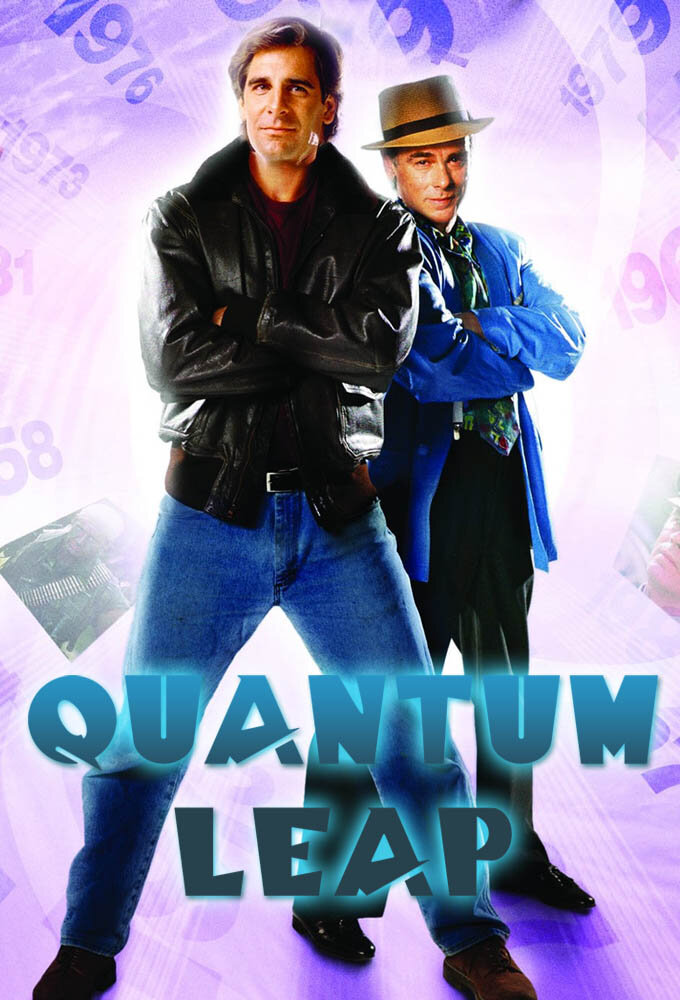
Quantum Leap1989
Sam Beckett bounces into a different ordinary life each week and has to fix some small injustice before moving on — the same anthology engine as Route 66, souped up with time travel.
But The sci-fi puzzle-box premise pulls focus from the quieter character work Route 66 prized.
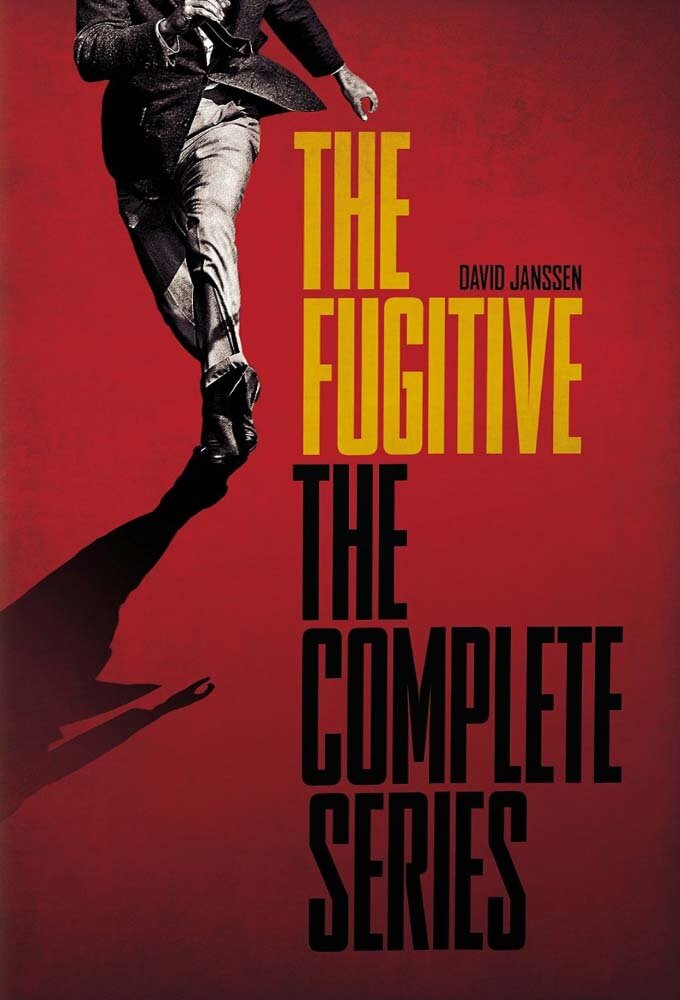
The Fugitive1963
David Janssen's wrongly convicted doctor drifts from town to town just ahead of the law, and each stop becomes its own tense morality play — the same restless structure, considerably higher stakes.
But The constant looking-over-the-shoulder tension replaces Route 66's easier, more companionable rhythm.
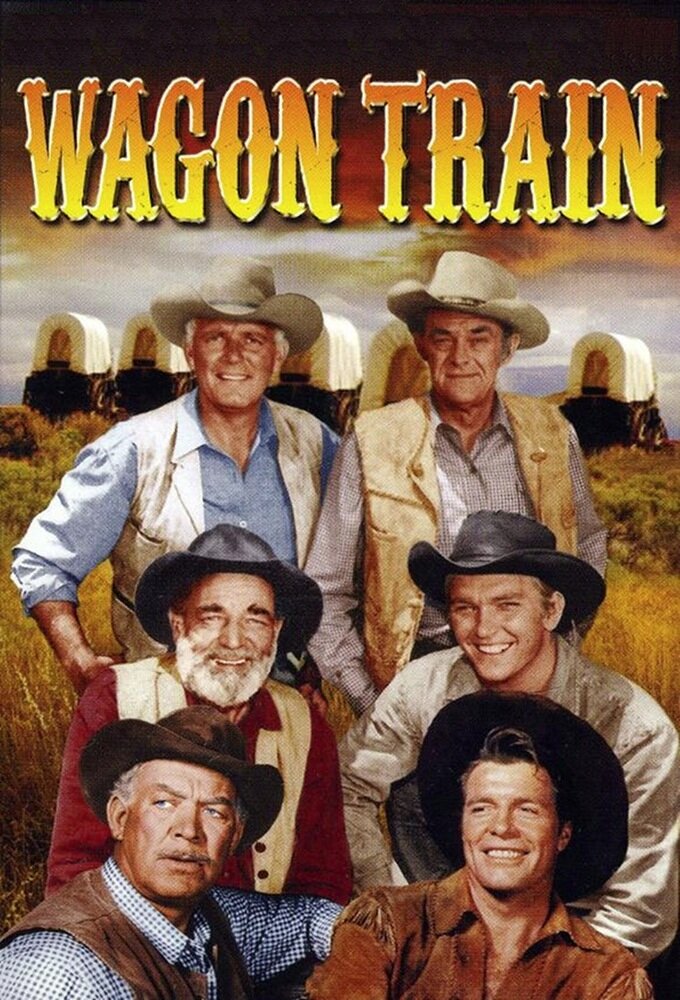
Wagon Train1957
An earlier anthology-on-wheels: a wagon train crossing the frontier picks up a new guest star and a self-contained drama every episode, the exact format Route 66 borrowed and modernized.
But It's a straight Western, slower and more formal, without Route 66's contemporary snap.
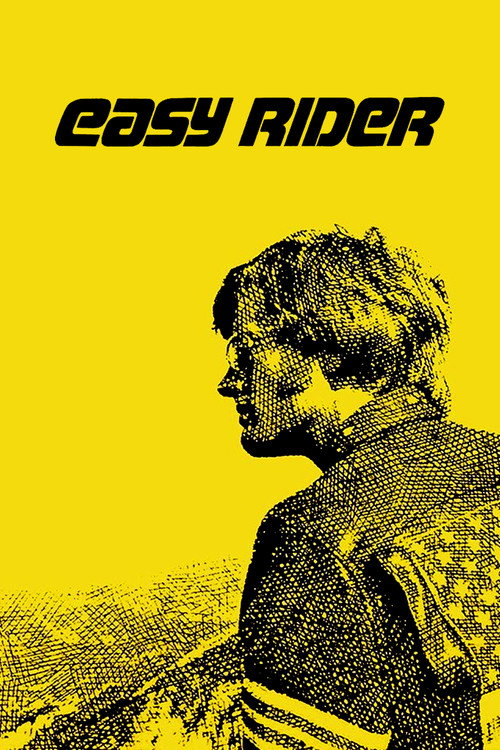
Easy Rider1969
Two bikers cross a changed America chasing freedom and meeting its fractures head-on — the same open-road restlessness as Route 66, but with the optimism curdled into something angrier and more doomed.
But It's bleaker and more overtly political, a hard comedown if you want the show's gentler curiosity about people.
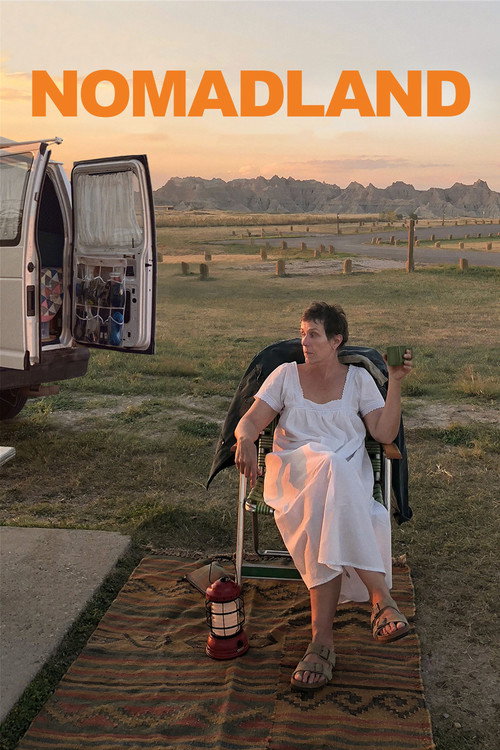
Nomadland2021
Frances McDormand plays a woman living out of a van, drifting from job to job across the real, post-2008 American West — Route 66's economic wandering, brought current and unromantic.
But It's quiet and observational almost to a fault, with none of the show's episodic drama or forward momentum.
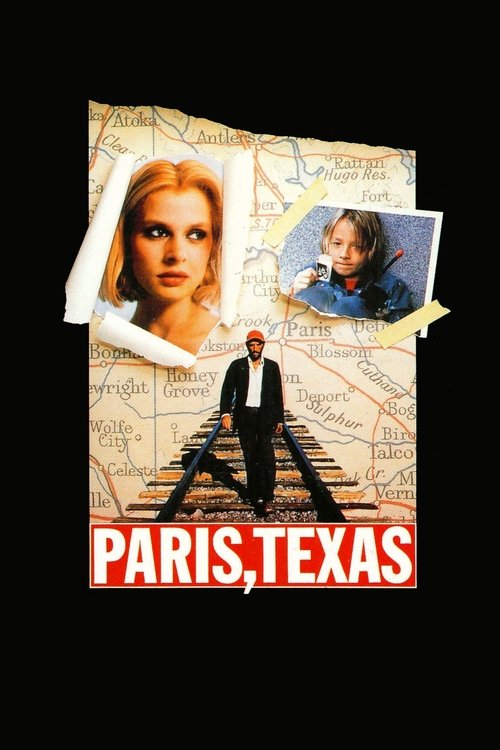
Paris, Texas1984
A European outsider's eye on the same mythic highway landscape: where Route 66 treats the road as a place to fix other people's problems, Wenders treats it as a place a broken man goes to try and fix his own.
Wim Wenders' dreamlike drama follows a man wandering out of the desert to reclaim his estranged family, shot with the same amber, empty-highway Americana, but slowed into something aching and painterly.
But Almost nothing happens for long stretches, and its hush is the opposite of the show's episodic momentum — patience required.
People
Cast
Writing
- Herbert B. LeonardCreator
- Stirling SilliphantCreator
Production
- Herbert B. LeonardExecutive Producer
Recommended by
The Fugitive, The Incredible Hulk, Kung Fu, Sea Hunt, The Detour with David Chang, Then Came Bronson, Whirlybirds, The Aquanauts