
Television series
Sea Hunt
- Action
- Dip in and out
Sea Hunt is a crisp 1950s adventure series about a freelance underwater salvage diver navigating Cold War anxieties and ocean mysteries. Lloyd Bridges carries each self-contained episode with effortless charm, moving between practical problem-solving and genuine peril. It's the template for action TV: no flab, all momentum, genuinely inventive in its use of real diving footage to ground the fantasy.
Should you watch it?
Watch it if you like old-fashioned adventure built on practical underwater work, with a steady hero who solves problems through calm competence rather than flash.
Skip it if you need constant twists or modern pacing, since episodes follow a familiar rescue pattern and the 1950s dialogue and staging show their age.
What it asks of you: Each half-hour is light work, but across 155 episodes the sunny, unhurried rhythm asks for patience and a taste for episodic returns.
Not sure? Find tonight's pick in a minute.
If you liked this
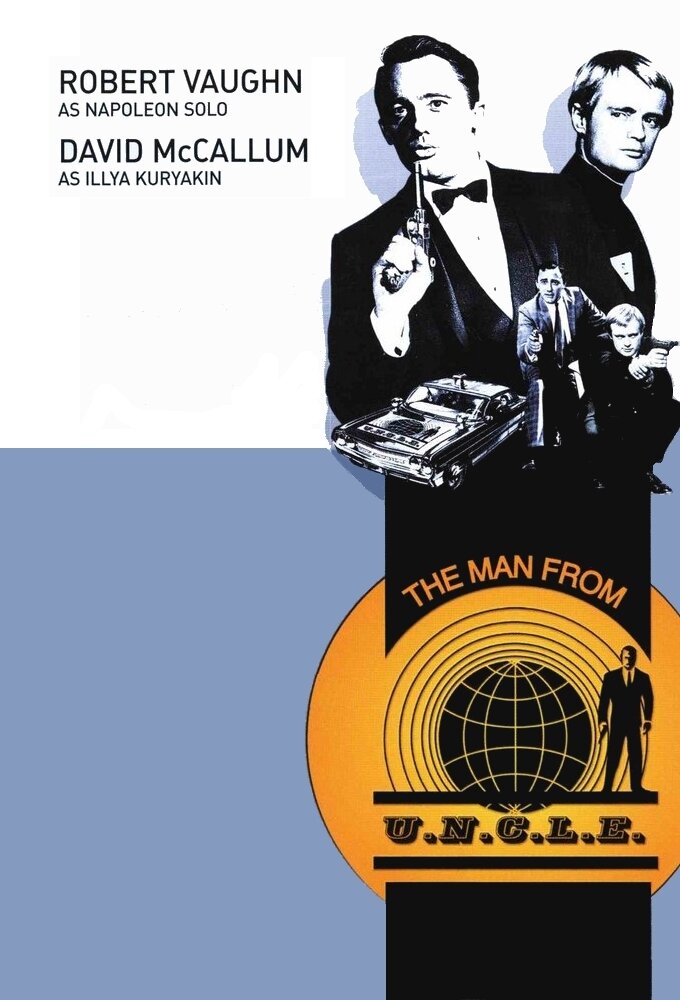
The Man from U.N.C.L.E.1964
Same era spy-adventure DNA: stylish, self-contained episodes that move like water, a cool lead who never panics, and that sweet spot where the stakes feel real but the tone stays light.
But Cold War spy-fi can feel dated. Some episodes coast on charm rather than story, and the pacing occasionally drags in the middle act.
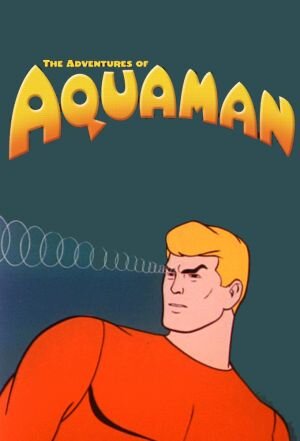
Aquaman1967
Undersea adventures, a hero in his element, genuinely creative practical effects work that makes the impossible feel tactile. It captures that same spirit of exploring an alien world that's just below the surface.
But It's campy in the late-60s way—not quite self-aware enough to be fun, not earnest enough to land. The writing varies wildly episode to episode.
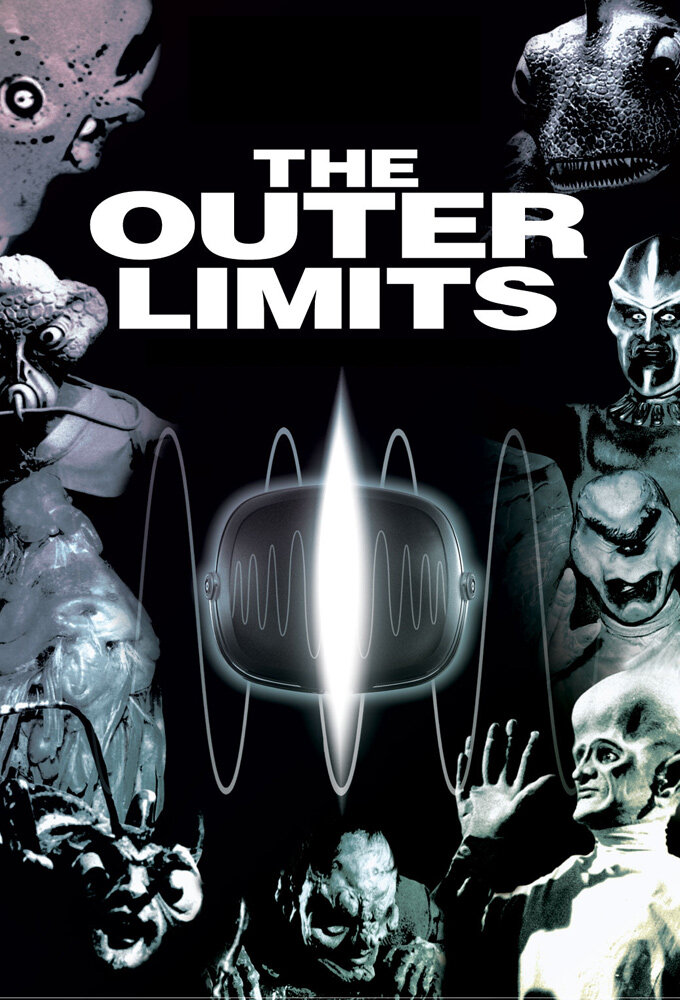
The Outer Limits1963
Standalone sci-fi stories with real tension, practical monsters you can believe in, and that same taut 30-minute structure that lets ideas breathe without overstaying their welcome.
But Some episodes misfire badly. Special effects are deliberately theatrical, which works beautifully sometimes and looks papery other times.
Not sure tonight? Get a pick in a minute, starting from Sea Hunt
The wildcard
Something you would not have found on your own.
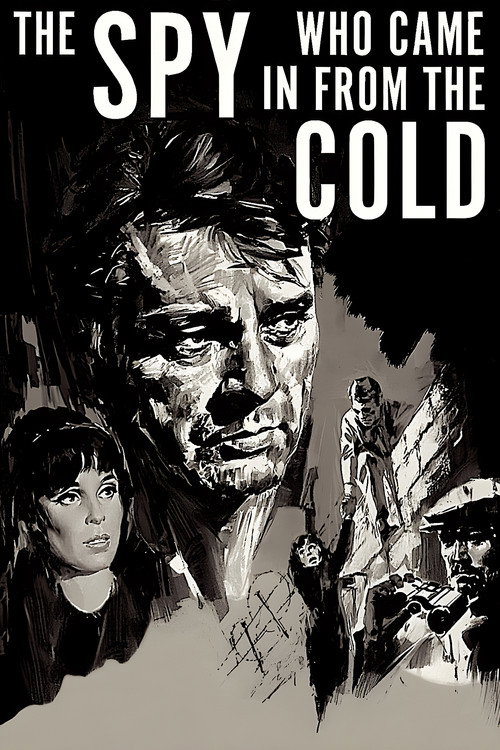
The Spy Who Came In from the Cold1965
Both use real tradecraft and practical problem-solving as their spine, but Sea Hunt chooses adventure where Spy chooses disillusionment—the inverse registers of the same world.
Unglamorous Cold War espionage that strips away the fantasy: a tired operative in a moral sinkhole, doing the work because someone has to. It's what Sea Hunt's implied background actually looks like when treated seriously.
But There's no heroism here, just greyness and betrayal. If you want your spy stories to be fun, this will feel punishing. Deliberately slow and unglamorous.
More like this (7)
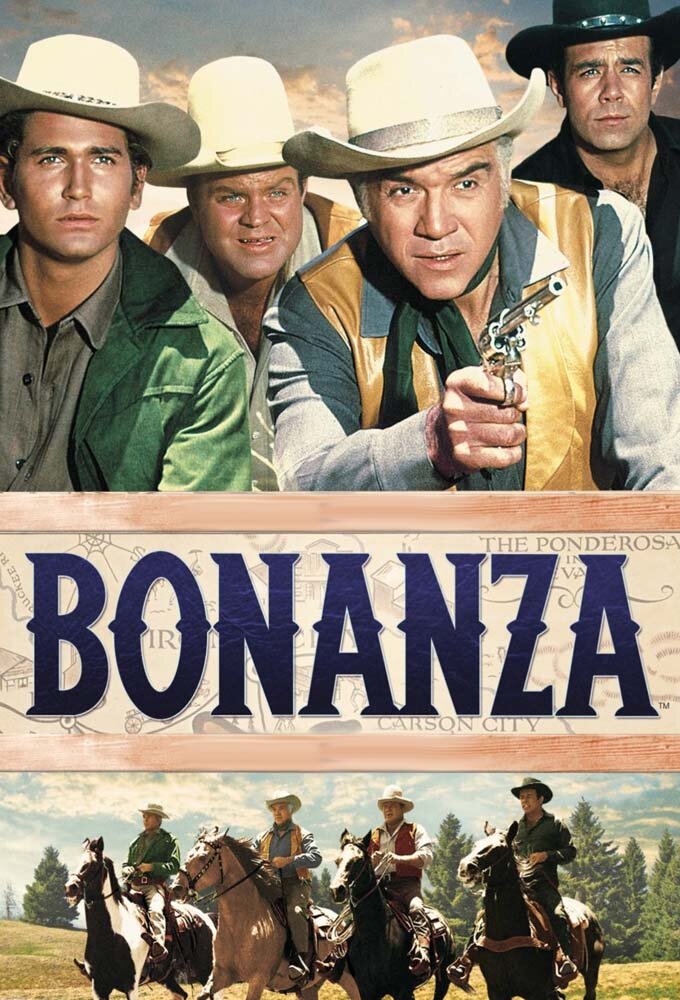
Bonanza1959
Contemporaneous but utterly different—this is what TV adventure looked like. Clean storytelling, a reliable cast you trust, genuinely surprising twists, and the same readiness to go anywhere the plot demands.
But It's a family western, which means sentiment creeps in where tension should be. Can feel slow if you're used to modern pacing.
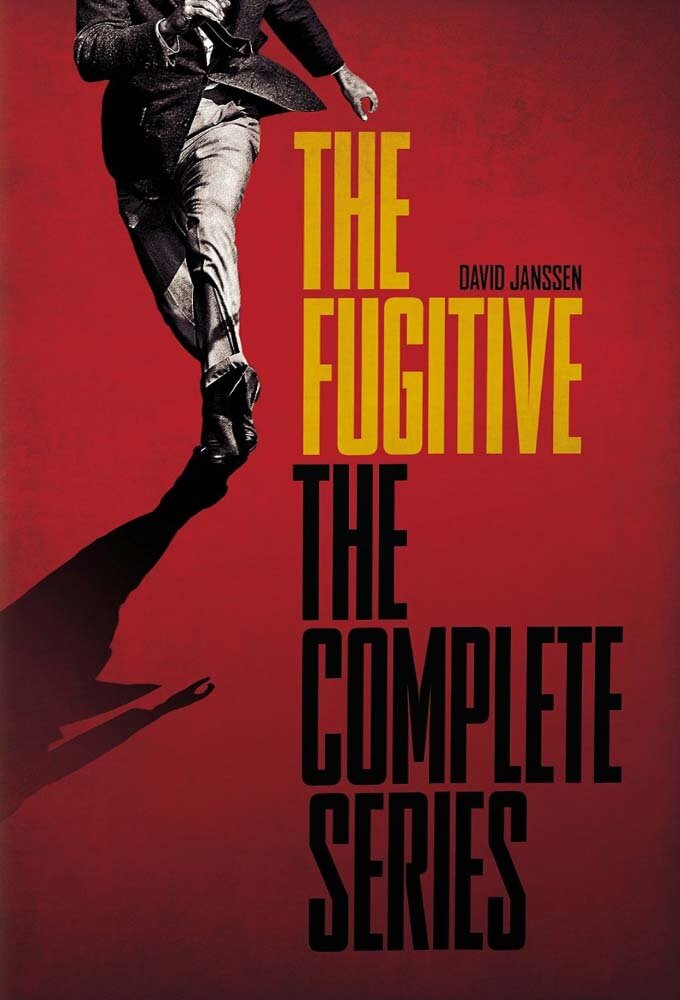
The Fugitive1963
Serialized tension that knows how to breathe, a lead character (David Janssen) with Bridges' same quiet competence, and a format where each episode plants real questions instead of just checking boxes.
But The 60s melodrama tone hasn't aged evenly. Some episodes resolve their drama with conversation rather than action, which feels static.
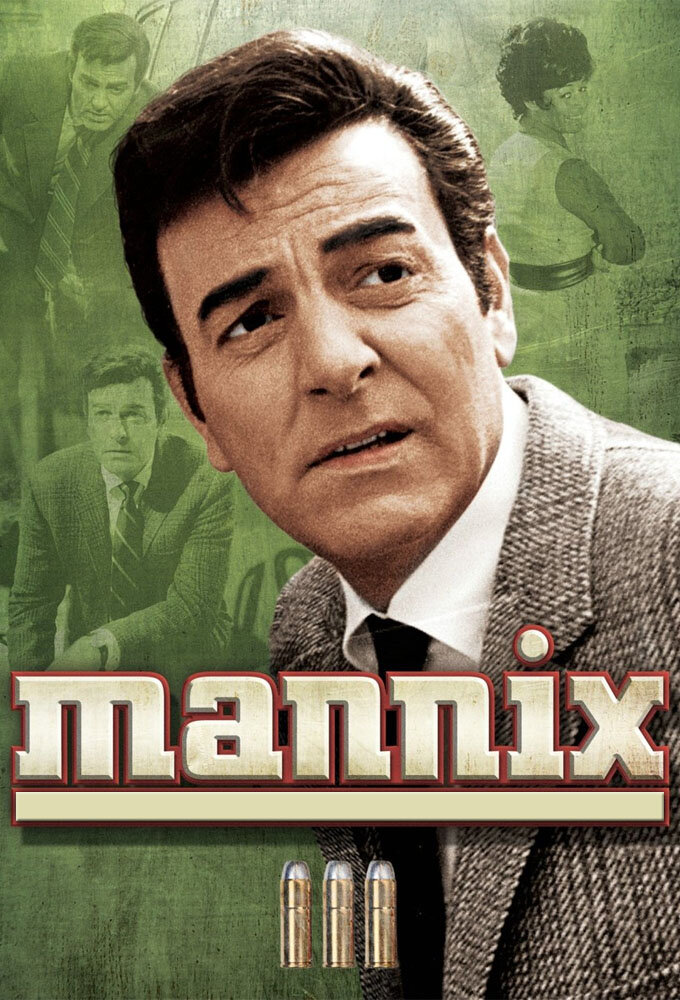
Mannix1967
Bruising 70s action-detective work with a problem-solver hero who adapts on the fly, self-contained mysteries that actually intrigue, and that same working-class professionalism Bridges embodied.
But Tonal inconsistency—it can't decide if it's noir or adventure. The violence feels arbitrary sometimes. Pacing is uneven between episodes.
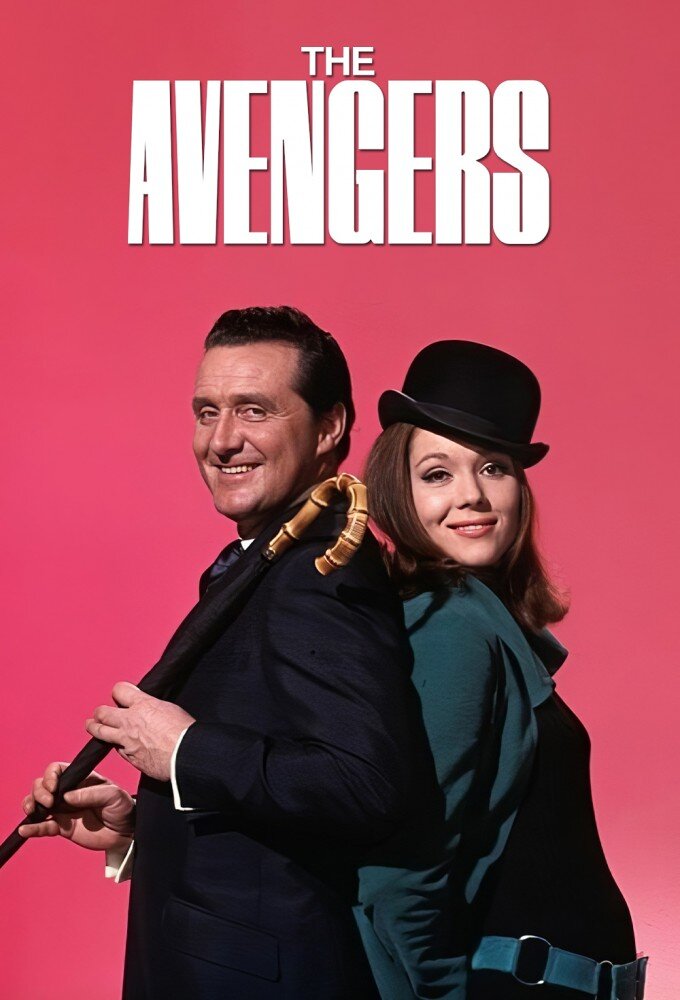
The Avengers1961
Spy-adventure that knows it's stylish, with that same refusal to waste a moment. Steed and Peel move through stories with Bridges' same unflappable grace, taking on impossible odds.
But The '60s British sensibility is very specific. It tilts toward whimsy in later seasons, and if that tone doesn't land for you, the whole thing feels arch.
Perry Mason1957
The template for efficient storytelling: a lead who solves problems through smarts rather than luck, zero wasted scenes, and enough plot for a feature crammed into 30 minutes without feeling rushed.
But It's courtroom drama dressed as mystery. If you go in expecting action, you'll get procedural instead. Very of-its-era in its attitudes.
Route 661960
Open-road adventure with two leads who tackle each week's problem fresh, real America under the hood, and that same spirit of resourcefulness and adaptability Bridges brings to diving.
But It's episodic to a fault—no character arc, just new towns and new troubles. Feels more like a travelogue than a narrative sometimes. Can be slow.

Thunderball1965
Both understand that underwater footage carries its own visual authority—you don't need to trick it up because the medium is alien enough. Thunderball luxuriates in it; Sea Hunt uses it to earn credibility.
The closest mainstream films got to Sea Hunt's underwater action on the big screen: Connery in genuine underwater sequences, nuclear stakes, and practical diving work that grounds the fantasy in real logistics and peril.
But It's 130 minutes of spy romance and exposition around spectacular but repetitive underwater footage. Pacing is languid. The plot is preposterous even by Bond standards.
People
Cast

Directing
- Bert GlazerAssistant Director
- Donald VerkAssistant Director
- William OwensAssistant Director
Writing
- Ivan TorsCreator
- James BuxbaumCreator
- Stanley H. SilvermanStory Editor
Production
- Frederick W. ZivExecutive Producer
- Ivan TorsExecutive Producer
- Maurice ZivExecutive Producer
- Leon BensonProducer
Recommended by
Thunderbirds Are Go, Life in the Undergrowth, The Crowded Sky, Irwin Allen's Voyage to the Bottom of the Sea, Flipper, Whirlybirds, The Aquanauts, Rescue 8