Television series
Life in the Undergrowth
- Dip in and out
David Attenborough's intimate look at the invertebrate world, using pioneering macro-photography to reveal creatures at their own scale. It's mesmerizing and occasionally unsettling—spiders hunting, insects building, parasites surviving. For anyone who's ever wondered what's actually happening in the grass beneath their feet.
Should you watch it?
Watch it if you find yourself leaning toward a magnifying glass, marvelling at how much drama a spider's daily routine can hold, and you want Attenborough's warm patience applied to creatures usually stepped over.
Skip it if your patience for nature TV runs on sweeping landscapes and big animals, since this stays close and small throughout, and a run of close-up bugs may wear thin.
What it asks of you: Expect five one-hour episodes that move at a naturalist's pace, with long holds on tiny subjects and a narrator who takes his time.
Not sure? Find tonight's pick in a minute.
If you liked this
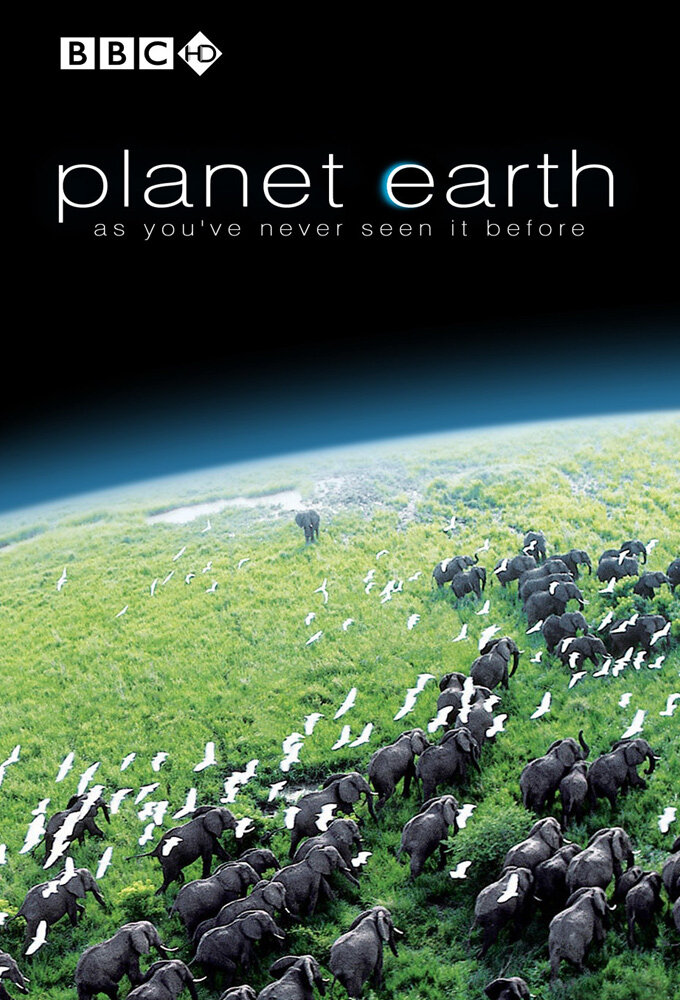
Planet Earth2006
Attenborough's other masterpiece, using the same technological leap to show how terrain shapes animal behaviour. Equally hypnotic, equally immaculate production. If you loved the intimacy of *Undergrowth*, this scales it to continents.
But It's a decade of commitment. Ten hours is a long ask, even when every frame is perfect.
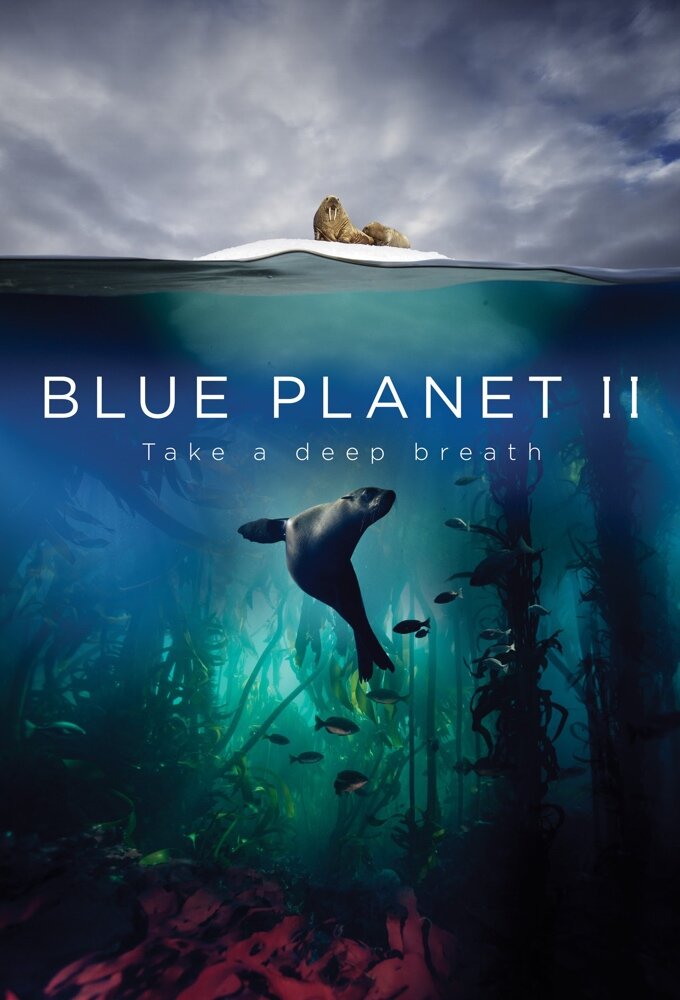
Blue Planet II2017
Same DNA—Attenborough, cutting-edge camera work, creatures filmed in their element for the first time. The ocean instead of soil, but the sense of witnessing something hidden is identical. Staggering.
But If you don't care about marine life, the subject matter won't pull you through. It's not *about* anything but what it shows.
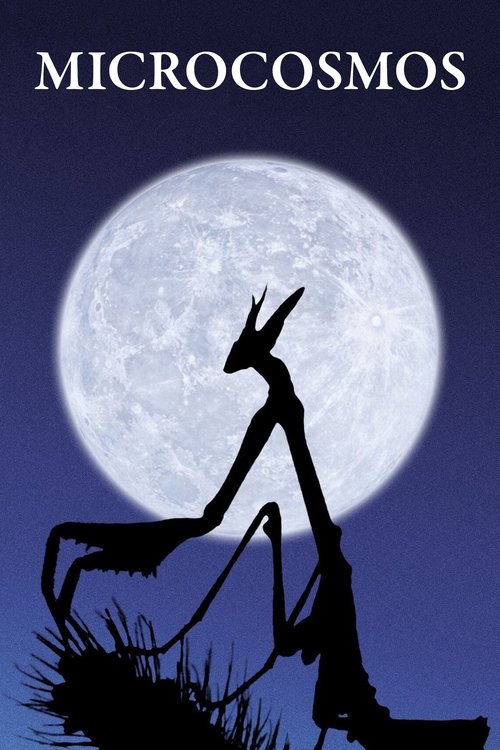
Microcosmos1996
A French film that did for insects what *Undergrowth* would later do for invertebrates. Shot at ground level, no narration, pure observation. Meditative, strange, utterly absorbing. A clear ancestor.
But Silent except for sound design and music. Some find that atmospheric; others find it slow. It demands patience and active attention.
Not sure tonight? Get a pick in a minute, starting from Life in the Undergrowth
The wildcard
Something you would not have found on your own.
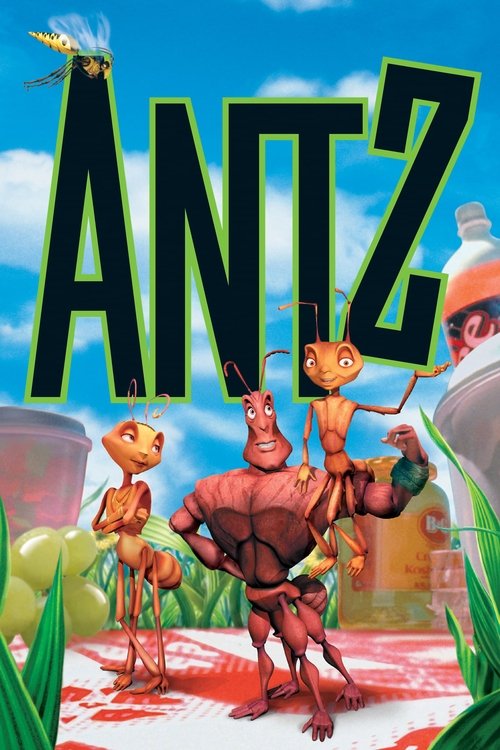
Antz1998
Both use invertebrates as a lens to understand social structure and individual survival. *Undergrowth* shows you the reality; *Antz* asks what it means.
An animated film about an ant colony, but written as a 1950s film noir. Woody Allen as a neurotic worker ant, a literal caste system, the individual versus the collective. It's *Undergrowth* remade as allegory and comedy. Surprisingly smart.
But It's a cartoon from the 90s with dated references. The animation hasn't aged like Pixar's work has. Tonal whiplash for some.
More like this (7)
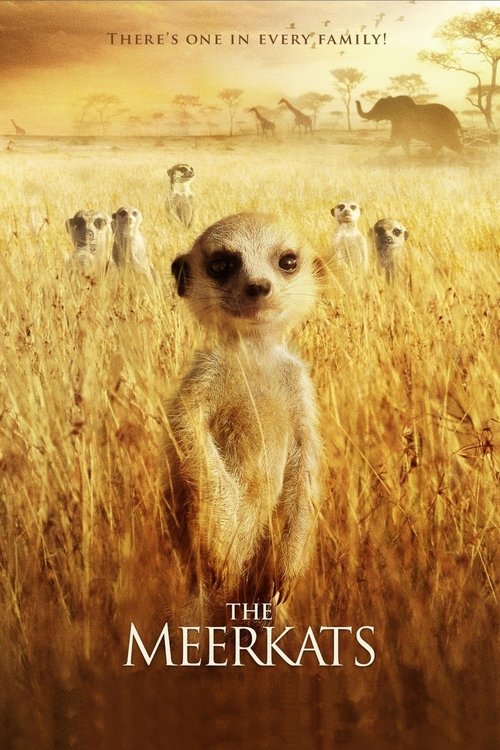
The Meerkats2008
Attenborough narrates a feature-length documentary following one meerkat family. Same precision, same warmth in the narration, same sense of privilege watching private animal moments. Accessible and moving.
But It's gentler and more narrative-driven than *Undergrowth*. If you came for the weirdness of arthropods, this is warmer but less alien.
Life2007
Attenborough again, same production team, covering vertebrates and invertebrates across eleven episodes. More ambitious in scope, equally beautiful. A perfect companion piece that shows the full ecosystem in context.
But It's structured differently—less deep focus on single creatures, more broad survey. Some episodes are stronger than others.

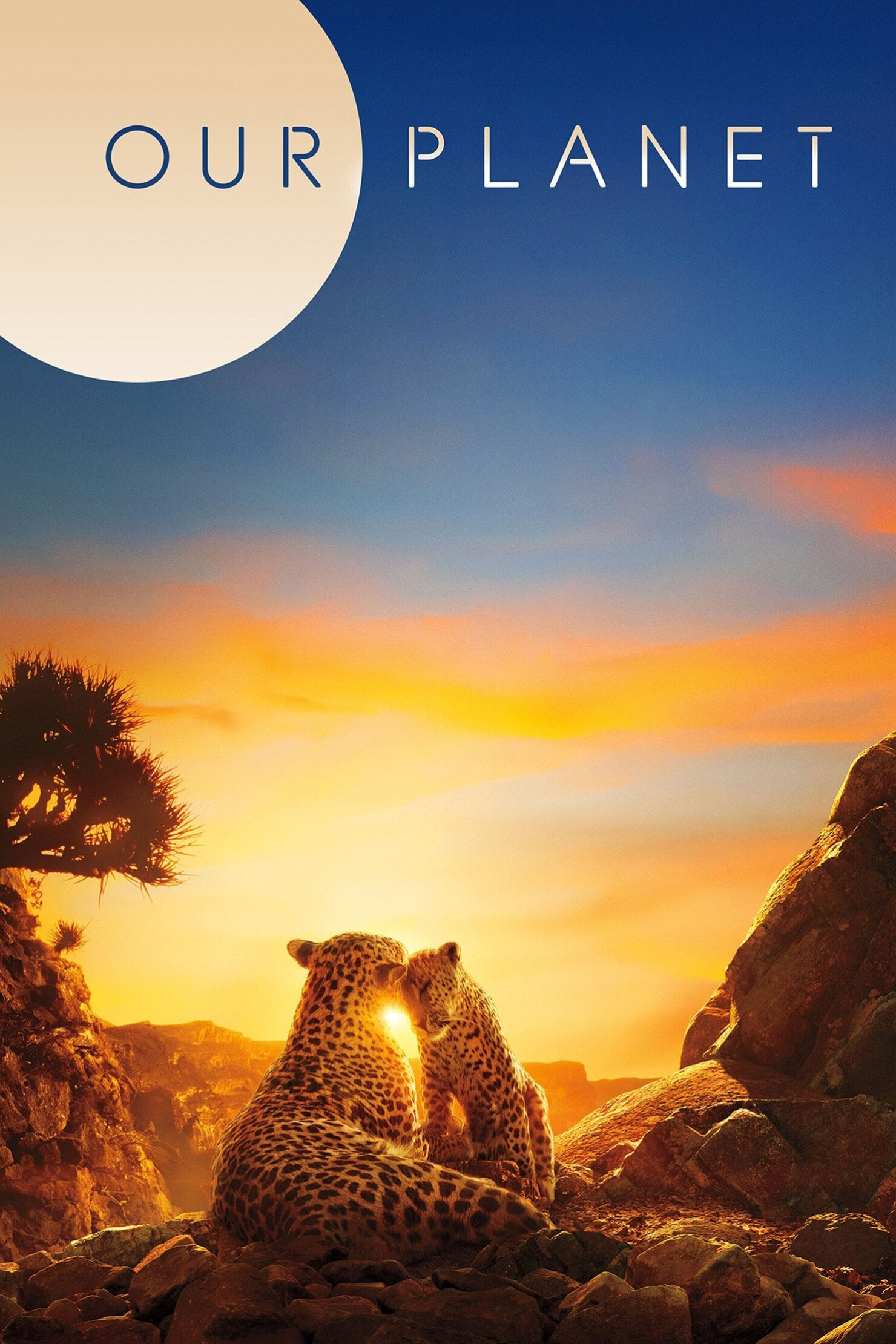
Our Planet2019
Modern Attenborough across all scales, with current cinema cameras and the weight of climate science behind it. Still full of wonder, but grounded in what's actually happening to these animals now.
But The environmental message is upfront. If you want nature documentary without the moral weight, this carries it plainly.
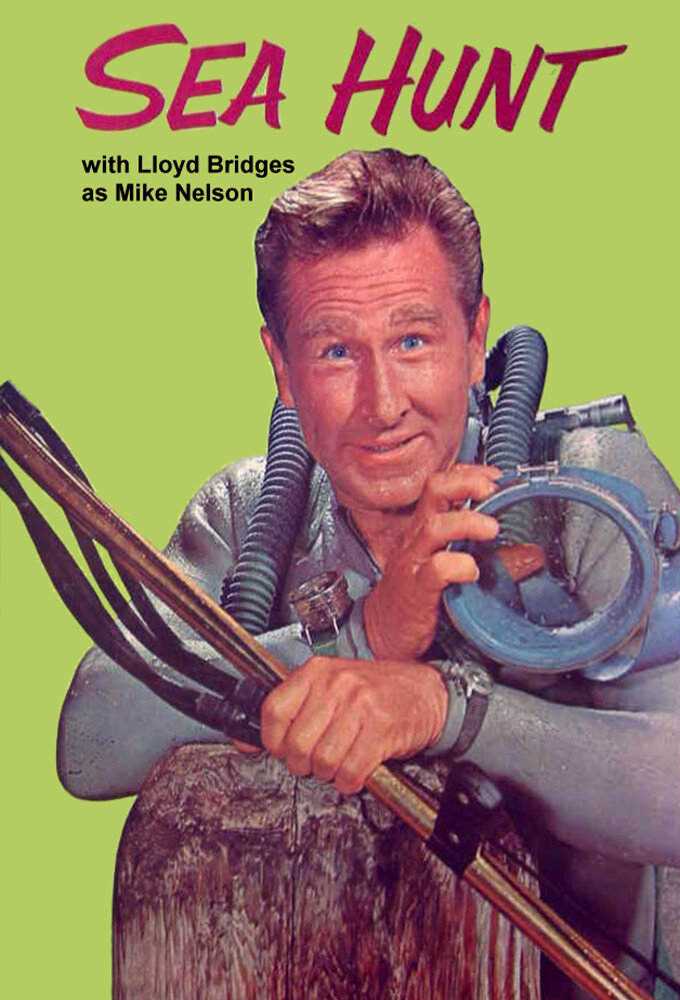
Sea Hunt1958
A three-part series about predation—how animals hunt, how they survive being hunted. Some invertebrates appear, but it's really about the mechanics of survival. Tense and revelatory.
But More violent than *Undergrowth*. If you prefer observation to action, this has a harder edge.
The Supersizers Go...2008
A completely different kind of documentary, but similar spirit of micro-investigation. Two people eat like people from a specific era and report back. Funny, surprising, made with real affection for its subject.
But It's a game show, essentially. If you want strict nature content, this is nowhere near it. Tone is entirely different.

Stalker1979
Both ask you to look at a world completely indifferent to human understanding and find it beautiful. Neither explains or judges. Both trust you to sit with strangeness.
A Soviet science-fiction film about a guide leading two men through a mysterious zone. Slow, hypnotic, about the unknown and what we can never quite see. Shot on film stock that emphasizes texture and the material world. Meditative in the way *Undergrowth* is—you're observing something fundamentally foreign.
But 163 minutes, no action, deliberately paced, in Russian. It's a commitment and requires active viewing. Very few people find it gripping on first watch.

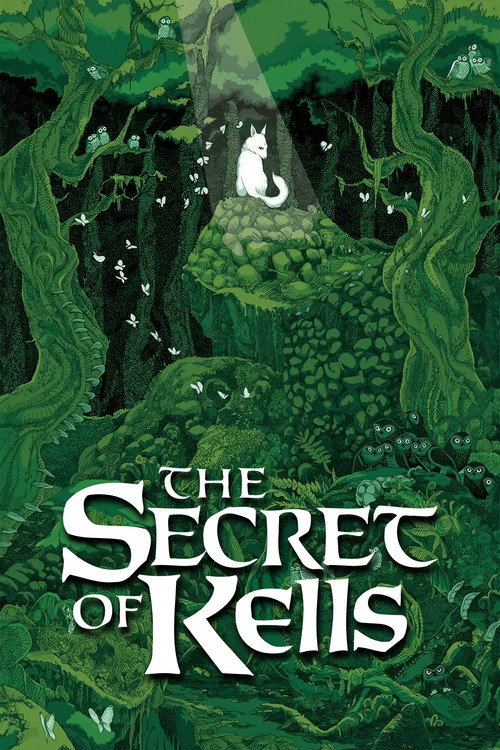
The Secret of Kells2009
Both are obsessed with pattern, detail, and the beauty of looking closely at something most people ignore. *Undergrowth* uses macro-photography; *Kells* uses hand-drawn ornament. Same reverence for the intricate.
An Irish animated film drawn entirely by hand, about a boy in a monastery illuminating a magical book. Visual language made from spirals, knots, insects. Gorgeously detailed, Celtic art in motion. It loves the small and ornamental—the way *Undergrowth* loves the hidden. Pure aesthetic pleasure.
But It's whimsical and stylized, aimed partly at children. No narration, dream logic. If you need plot momentum, it won't satisfy you.