
Television series
Kung Fu
A gentle, unhurried western built around a half-Chinese Shaolin monk who wanders 1870s America dodging bounty hunters and doling out calm wisdom through flashback-heavy parables. It's slow by design, more meditation than shoot-out, prizing stillness and moral lessons over plot momentum. Best for viewers who want their action seasoned with philosophy rather than the other way round.
If you liked this
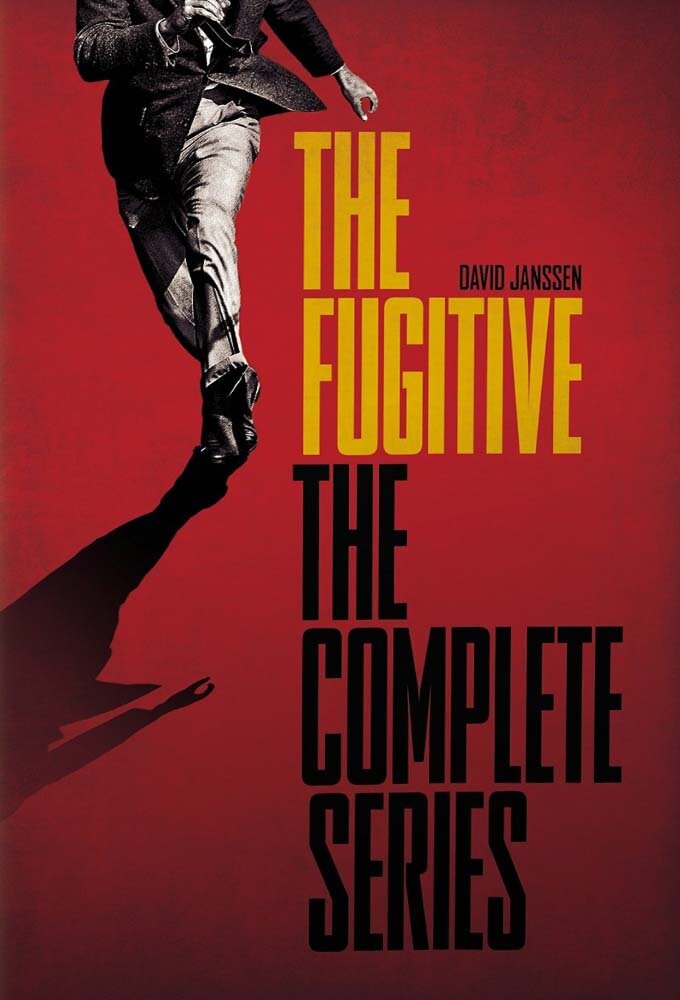
The Fugitive1963
The direct ancestor of Caine's situation: a wrongly hunted man drifting town to town, doing quiet good before he has to run again. Same episodic rhythm, same sense of a decent man never allowed to rest.
But No mysticism, no martial arts — it's a straight manhunt drama, and its black-and-white pacing feels genuinely of its era.
Have Gun - Will Travel1957no page yet
A wandering gunslinger with a strict personal code, hired out but never corrupted, solving other people's moral messes episode by episode. It's the western Kung Fu grew out of, minus the flashbacks.
But Richard Boone's Paladin talks his way out of most fights, so if you came for kung fu, there isn't any.
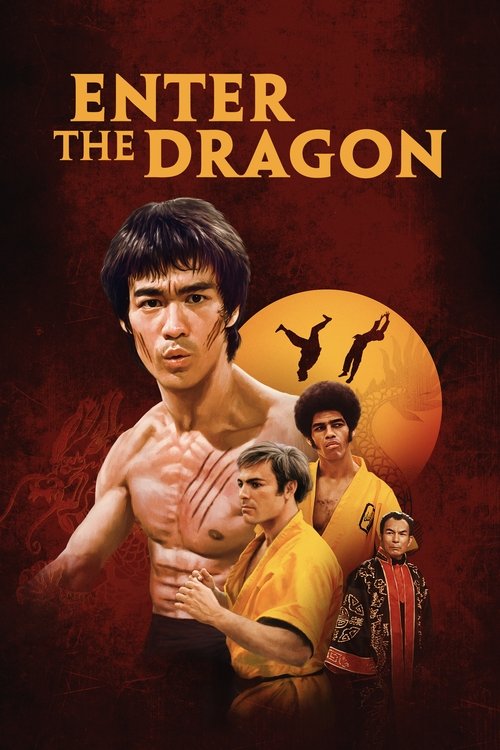
Enter the Dragon1973
Bruce Lee, released the same year Kung Fu was airing, doing at full throttle what the show does at a simmer. Essential viewing for the martial arts side of the DNA.
But It's a tight, plot-light action vehicle with none of the show's patience or Buddhist reflection — pure spectacle instead.
The wildcard
Something you would not have found on your own.
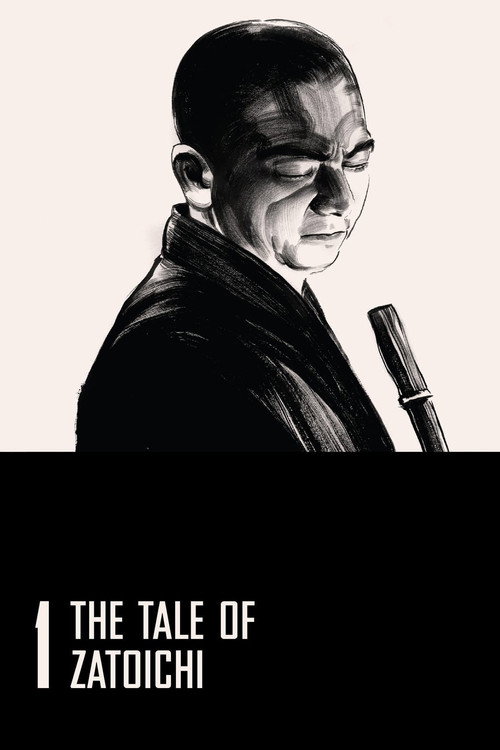
The Tale of Zatoichi1962
Zatoichi is the wandering-swordsman-with-a-code archetype in its original Japanese form — the genre and culture Kung Fu's creators were consciously drawing from when they built Caine.
A blind swordsman wanders feudal Japan, dispensing quiet justice to the desperate before disappearing again — the Japanese chanbara films that genuinely fed into Kung Fu's DNA, decades before it existed.
But Subtitled, black-and-white early entries, and a very different rhythm — more formal, less talkative than the show that borrowed from it.
More like this (8)
Walker, Texas Ranger1993no page yet
Chuck Norris as a modern lawman who solves problems with roundhouse kicks and a code of honour, the show's cheerfully unsubtle spiritual grandson.
But It has none of the restraint or melancholy — this is loud, silly, and proudly so.
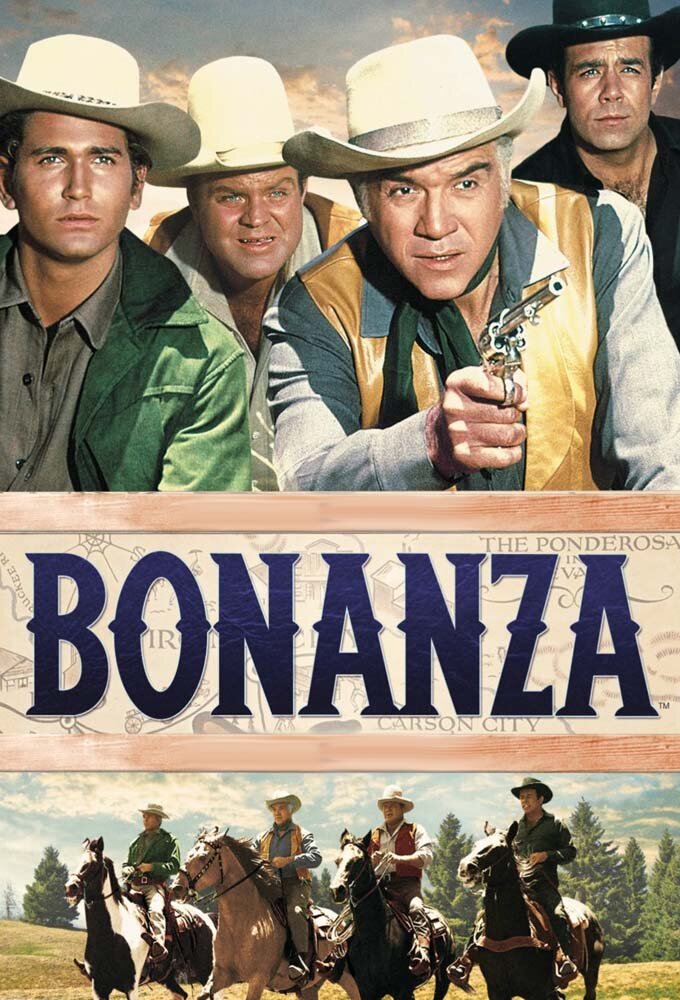
Bonanza1959
A gentler, family-centred western from the same network era, trading Caine's loneliness for the Cartwrights' loyalty, but sharing that same unhurried, moralistic storytelling pace.
But It's warmer and far less philosophical — comfort food rather than contemplation.
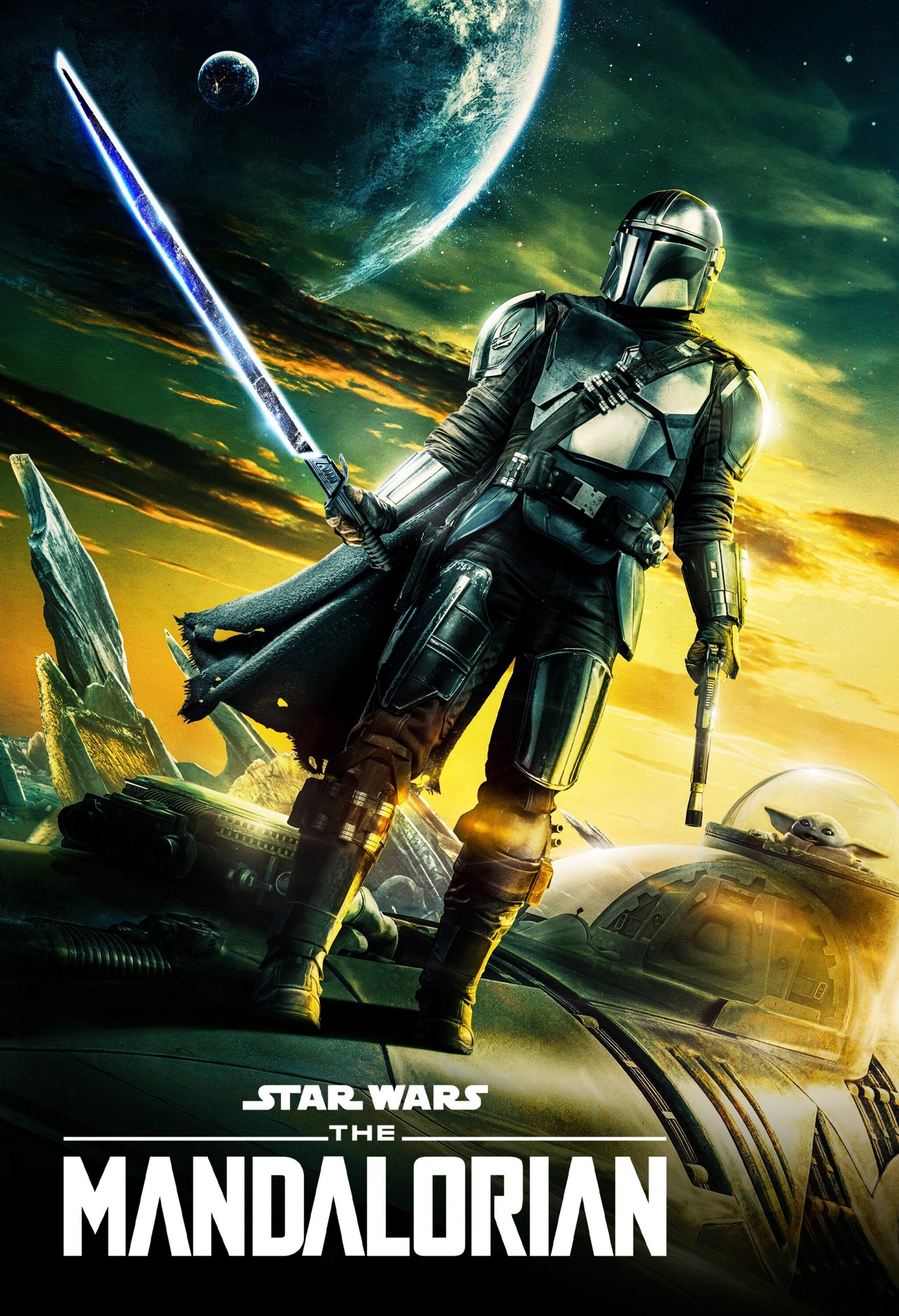
The Mandalorian2019
A masked wanderer with a strict code, helping strangers on remote outposts before moving on, is Kung Fu's exact structure transplanted into space opera. Slicker, but the bones are identical.
But The mysticism is swapped for lore and gadgetry, so it can feel more like fandom service than moral parable.
Highlander1992no page yet
An immortal wanderer who fights only when forced, haunted by flashbacks to his own training under a wise old master. The parallels to Caine and Po are almost uncanny.
But Its philosophy is thinner and pulpier, more sword-fight fantasy than genuine Buddhist reflection.
Route 661960no page yet
Two drifters roaming America in a Corvette, stumbling into a stranger's crisis every week and leaving before the credits roll — the loner-passing-through structure at its purest.
But No violence, no mysticism, just conversation and character studies; it can feel slow even by Kung Fu's standards.
Lonesome Dove
A far more serious, elegiac western miniseries about aging men and the cost of a life spent wandering — a good chaser if Caine's rootlessness has started to feel sad rather than noble.
But It's a heavy, four-part commitment with none of the show's episodic ease or hopeful tone.
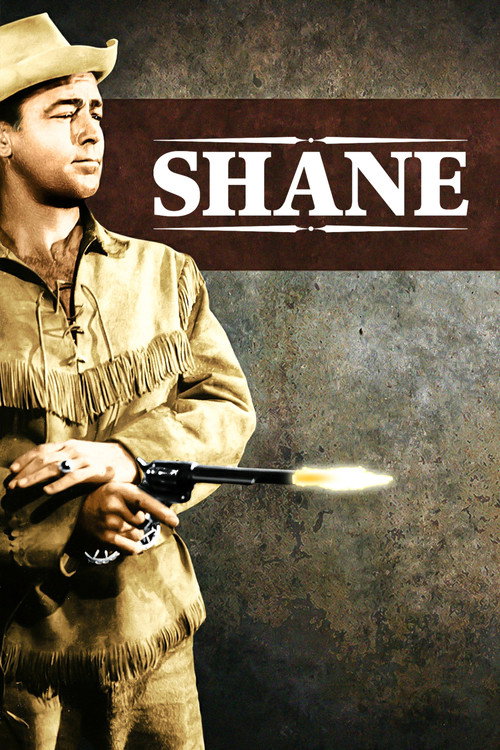
Shane1953
Shane is the era wildcard: the wandering-stranger-who-cannot-stay template Kung Fu inherited, stripped of Buddhism and shown in its purest, oldest American form.
The mysterious, near-mythic stranger who arrives, helps the vulnerable, and rides on rather than settle — the western's founding loner myth, done with total conviction two decades before Caine walked into frame.
But There's no philosophy or flashback structure here, just a lean, classical western that plays its archetype completely straight.
Samurai Jack2001no page yet
Samurai Jack takes the wandering-monk-helping-strangers structure and reframes it as animation, swapping Kung Fu's earnest, dusty realism for a stylised, almost mythic register while keeping the same moral engine.
An exiled warrior with a strict moral code wanders a strange future world, helping the powerless in self-contained episodes and refusing violence until it's the only option left — Caine's shape, redrawn in bold cartoon lines.
But It's animated, aimed partly at kids, and trades meditative pacing for stylised action — a very different register from the original's solemnity.
People
Cast

Directing
- Morris R. AbramsAssistant Director
- Richard LangAssistant Director
Production
- Alex BeatonAssociate Producer
- Jerry ThorpeProducer
Recommended by
Monkey, The Fugitive, The Incredible Hulk, The Equalizer, Tracker, Life, The Green Hornet