
Television series
Monkey
Monkey is the gloriously daft English dub of a 1978 Japanese fantasy series that turns China's 'Journey to the West' into a kung-fu sitcom. Overacted fights, deadpan narration, and a synth theme tune everyone still hums — it's cheap, chaotic, and completely charming. Watch it for nostalgia, for camp, or as an introduction to one of the great trickster myths, told with a wink.
If you liked this
Xena: Warrior Princess1995
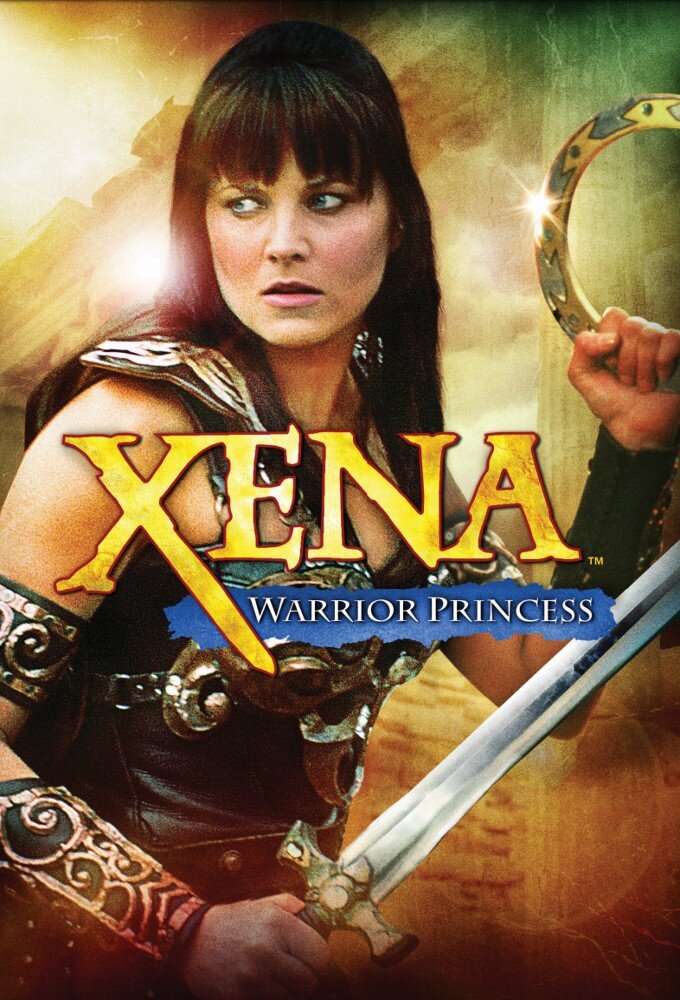
Monster-of-the-week mythology, a fearless heroine, and dialogue that knows exactly how ridiculous it is — the same cheerful camp energy that made Monkey a cult favourite.
But Nineties production values are unmistakable, and some of the fight choreography has aged into pure cheese.
Hercules: The Legendary Journeys1994no page yet
A demigod wandering the ancient world solving problems with his fists and a grin — episodic, good-natured, and never afraid of a terrible pun. Perfect comfort viewing for the same reason Monkey is.
But The plots repeat more than you'd like, and the effects budget clearly ran out early.
Avatar: The Last Airbender2005
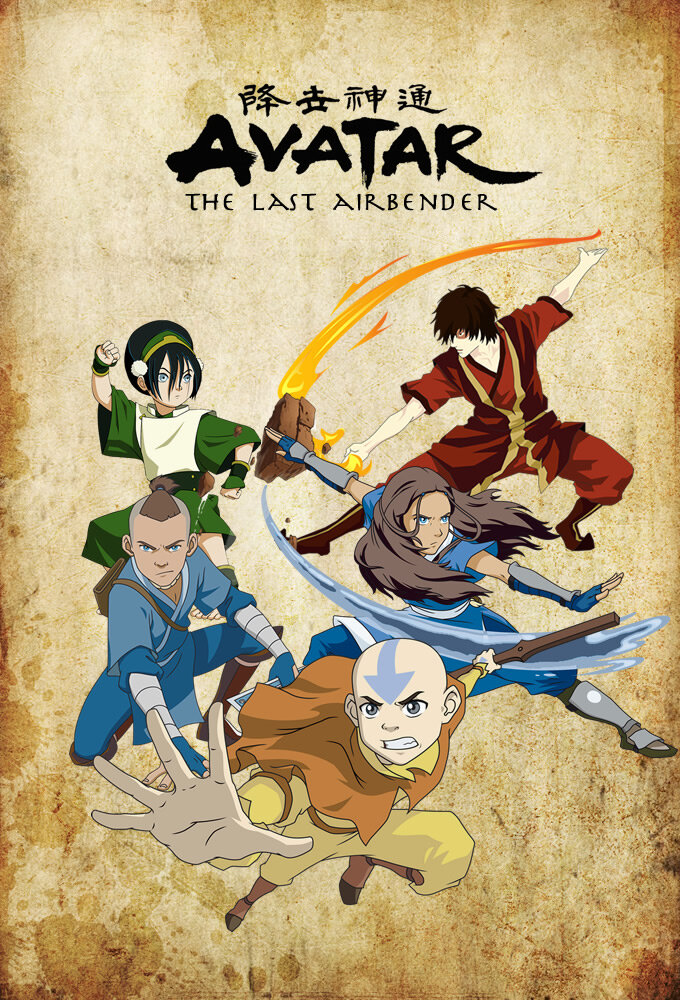
An animated quest with a mismatched trio, elemental magic instead of kung fu, and the same knack for balancing slapstick with real emotional stakes throughout its long journey.
But It's a kids' cartoon at heart, and the slower emotional arcs ask for more patience than Monkey ever did.
The wildcard
Something you would not have found on your own.
Princess Iron Fan1941no page yet
It's the Monkey King from the exact same 16th-century novel, animated nearly forty years before the English dub gave him his wisecracks — the same trickster myth at its oldest surviving screen incarnation.
The Monkey King himself, animated in China back in 1941 — a black-and-white feature made under wartime occupation and one of the earliest surviving Asian animated films.
But Silent-era pacing, no dialogue to speak of, and a print quality that shows every one of its eighty years.
More like this (7)
Big Trouble in Little China1986
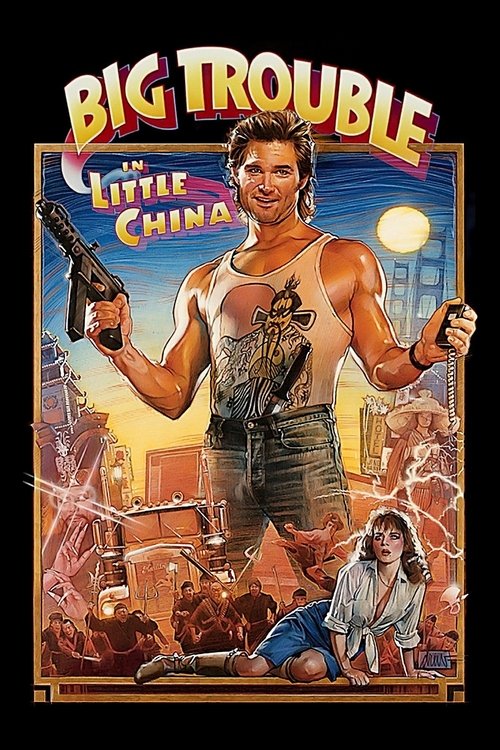
Kurt Russell blunders through Chinese mythology, sorcery, and kung-fu mayhem with swaggering confidence he hasn't earned — pure pulp fun with the same folklore roots.
But The special effects are charmingly of their era, and the humour is broader than subtle.
Monty Python and the Holy Grail1975
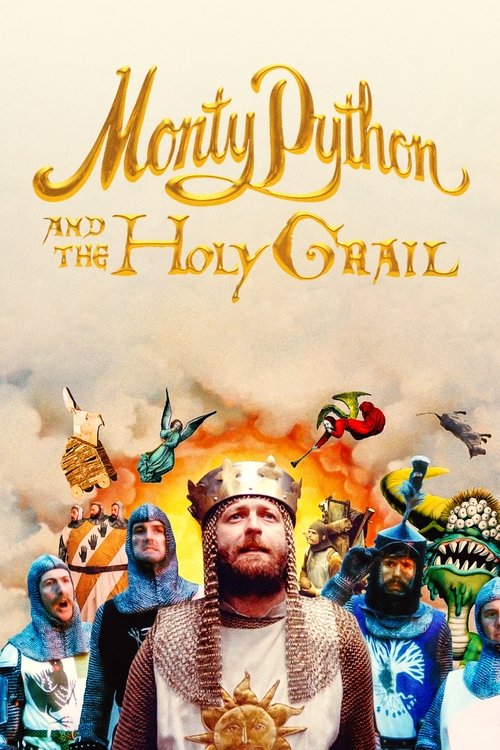
If Monkey's fight scenes ever made you laugh instead of gasp, this is the fullest expression of that instinct — a quest movie built entirely from absurdity and cheap props.
But It's parody rather than adventure, so if you wanted more quest and less spoof, it may frustrate.
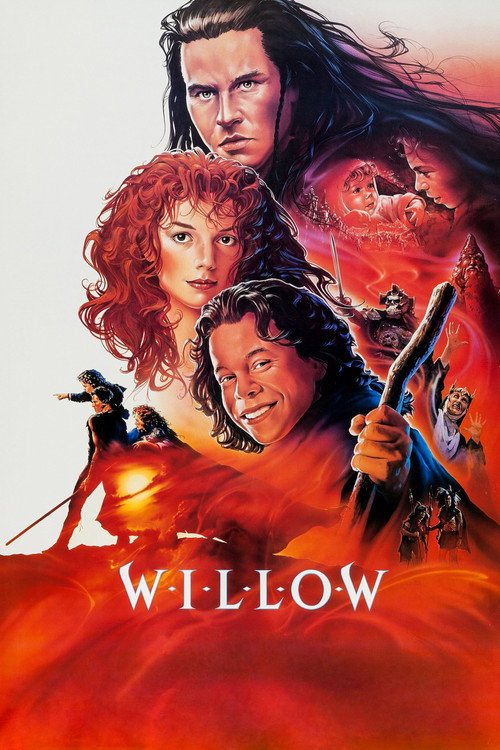
Willow1988
A reluctant hero, a ragtag band of misfits, and a fantasy quest that never takes itself too seriously — practical effects and genuine warmth throughout.
But Some of the effects and pacing feel dated now, and the story leans more earnest than funny.
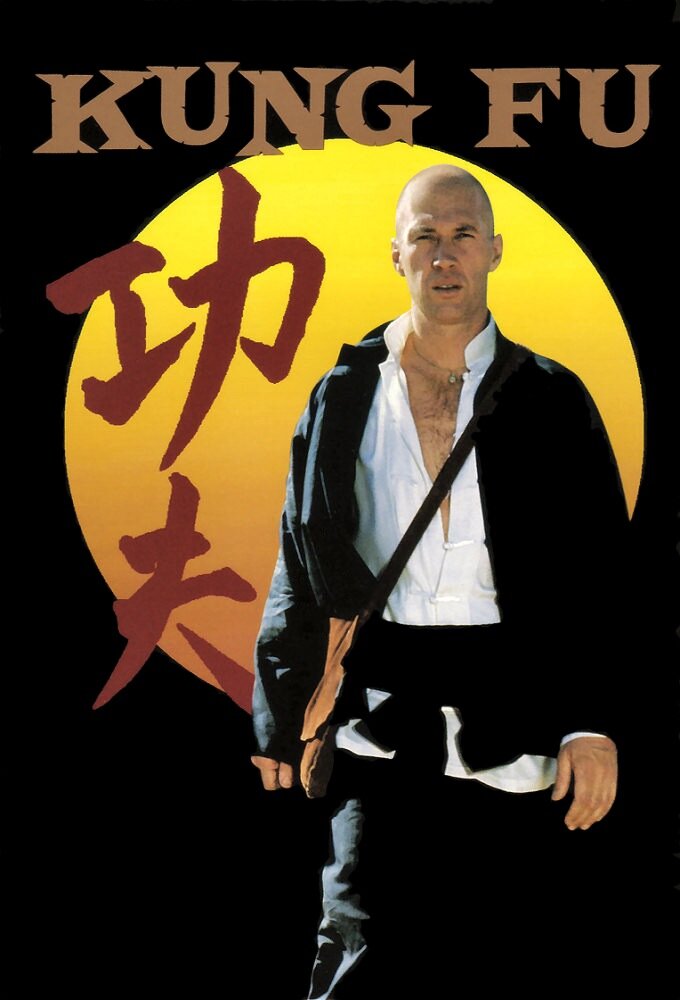
Kung Fu1972
A wandering monk drifts from town to town dispensing wisdom and roundhouse kicks in equal measure — meditative pacing with the same wandering-pilgrim structure as Monkey's quest.
But It's slower and more solemn than Monkey's slapstick chaos, with fewer jokes and more moralising.
Jim Henson's The Storyteller1988no page yet
Jim Henson's puppetry and John Hurt's voice turn old folk tales into eerie, funny little myths — the same delight in strange old stories told with theatrical flourish.
But Each episode is a standalone tale rather than a continuing quest, so the momentum Monkey has is missing.
A Chinese Odyssey Part One: Pandora's Box1995no page yet
Same source novel, same monkey-spirit hero, but filtered through nineties Hong Kong cinema's love of romantic absurdity rather than Saturday-teatime whimsy — the myth gone feral.
Stephen Chow reworks the exact same Journey to the West mythology into a surreal, heartbroken romantic comedy full of time travel, slapstick, and sudden tenderness.
But It's dense with Hong Kong pop-culture references and mood swings between farce and heartbreak that can feel jarring.
Monkey Magic2007no page yet
Literally the same story and even borrows the name — but reimagined as high art by a Britpop musician instead of a Saturday-teatime dub studio, proving the myth survives any register you throw at it.
Damon Albarn and cartoonist Jamie Hewlett turned the exact same myth into a circus-opera spectacle — acrobats, Chinese opera singers, and a soundtrack that sounds like nothing else you own.
But It's sung in Mandarin with surtitles, staged as avant-garde theatre, and about as far from cosy dubbed TV as you can get.
People
Writing
- Wu Cheng'enCreator