Television series
Journey to the West
- Treasure hunt
- Mythological fantasy
- Light-hearted
The 1986 CCTV adaptation of China's most beloved classical novel. A Buddhist monk and his three disciples—a mischievous monkey, a pig, and a demon—journey across fantastical landscapes toward enlightenment. Lavish, earnest, genuinely funny, with practical effects that still hold up. Essential viewing for anyone curious about the roots of Asian adventure storytelling.
Should you watch it?
Watch it if you love episodic pilgrimage stories where the road itself is the adventure, and a sense of a whole classical novel unfolding one encounter at a time wins you over.
Skip it if you want a tight plot or modern effects; this 1986 production moves at a leisurely pace across forty-odd long episodes, and its effects show their age.
What it asks of you: Forty-one episodes of roughly 45 minutes each, unhurried and episodic, so it is best taken over several evenings rather than one sitting.
Not sure? Find tonight's pick in a minute.
If you liked this
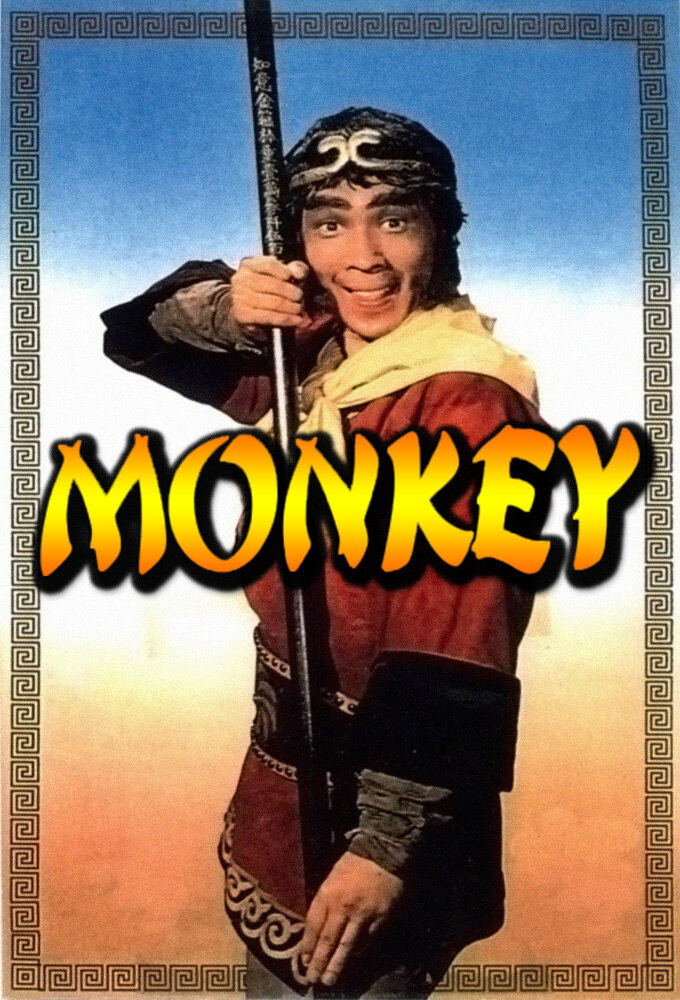
Monkey1978
The British adaptation that introduced Western audiences to Sun Wukong. Witty, inventive, and genuinely charming, with a sincerity about Buddhist philosophy that Western fantasy usually skips entirely.
But The tone is campy by design, which won't appeal if you want epic gravitas. It's also very much a product of 1970s British television.
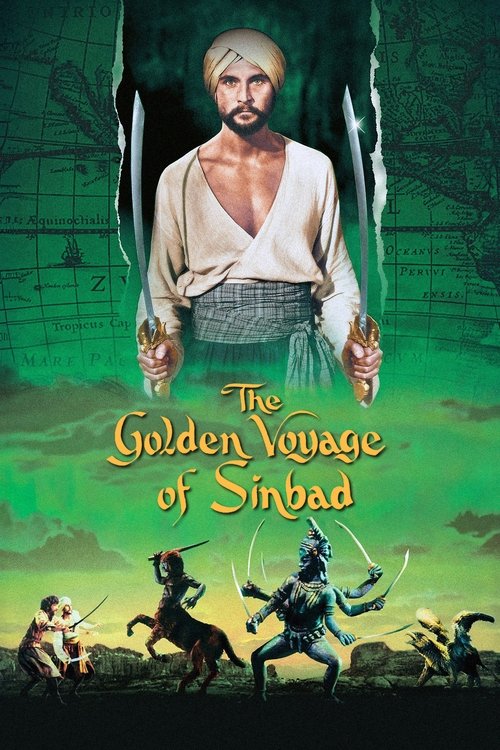
The Golden Voyage of Sinbad1973
Ray Harryhausen's masterpiece of practical stop-motion fantasy. The same spirit of adventure through impossible landscapes, with creatures and set pieces that still dazzle. Pure imagination made tactile.
But It's deliberately pulpy and moves at its own unhurried pace. Modern action pacing will make you restless.
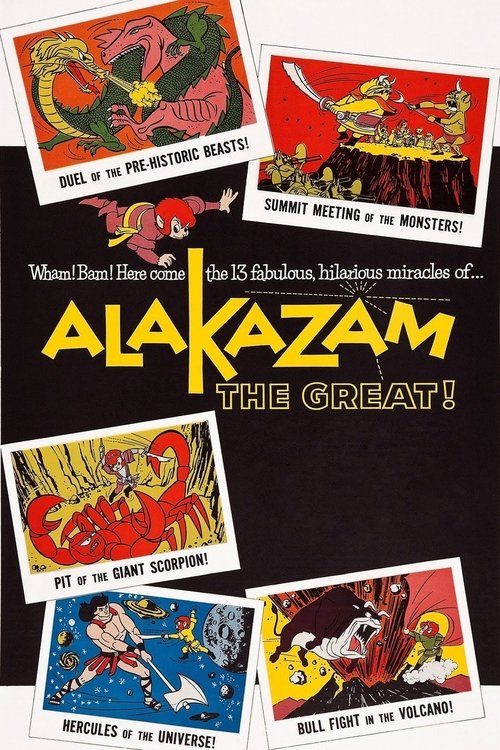
Alakazam the Great!1960
A Japanese anime adaptation of the same source material, done with stunning hand-drawn invention. Completely different flavour from the Chinese version, but the same DNA—magical transformation, monkey trickster, Buddhist journey.
But It's a children's film from 1960, so the plot is simplified and the pacing loose by modern standards.
Not sure tonight? Get a pick in a minute, starting from Journey to the West
The wildcard
Something you would not have found on your own.
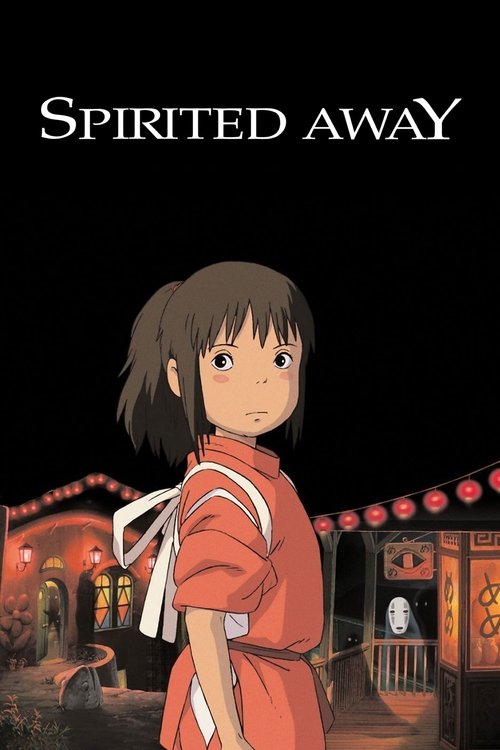
Spirited Away2001
Both centre a spiritual journey where the real antagonist is ego and attachment. A girl travels through a bathhouse as a monk travels west; same architecture, different geography.
Miyazaki's masterpiece is also a journey through a magical realm where a young person must maintain their identity and purpose amid temptation and transformation. Both films understand that adventure is internal—about learning who you are.
But It's animation, not live-action, and the scope is more intimate. If you want the physical spectacle of Journey, the smaller canvas may disappoint.
More like this (4)
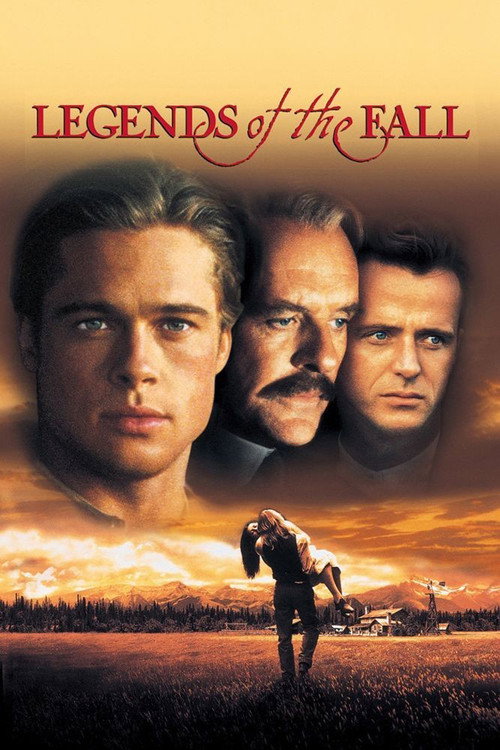
Legends of the Fall1994
A Western epic about three brothers on a spiritual and physical journey through untamed landscape. The same sense of transformation through hardship, nature as both teacher and antagonist.
But It's a completely different setting and genre. If you need magic or fantastical elements, this will feel earthbound.
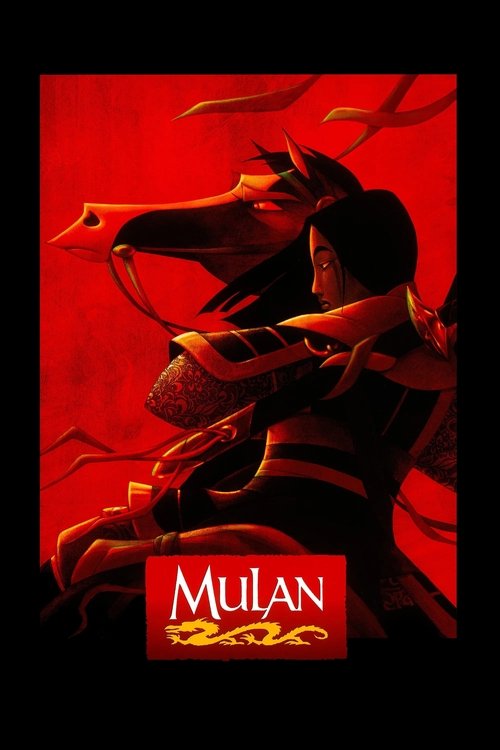
Mulan1998
A Chinese legend adapted with colour and movement that feels operatic. The Disney film captures something of Journey's tone—adventure, humour, characters growing through trials, and a respect for Chinese storytelling tradition.
But It's heavily Americanized and dramatically simplified. The film streamlines the source material into something quite different.
Harakiri1962
Both treat their protagonist's ordeal as a spiritual test. Journey finds enlightenment; Harakiri finds truth in death. They're inverse answers to the same question about integrity.
A Japanese samurai film of devastating moral clarity about duty, dignity, and the cost of maintaining virtue in a corrupt system. Utterly different genre, but the same weight given to philosophical consequence.
But It's bleak, slow, and culminates in graphic tragedy. It's the opposite of Journey's humour and optimism—same seriousness about ethics, opposite emotional destination.

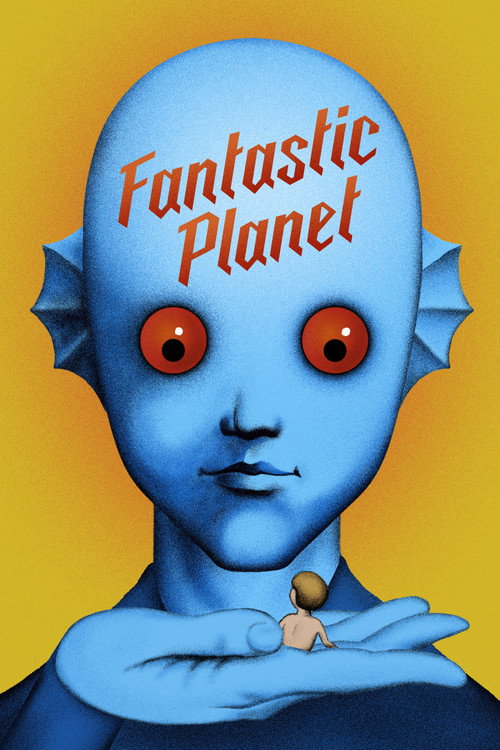
Fantastic Planet1973
Both use fantasy adventure to explore power, growth, and the possibility of transformation. Journey does it as spiritual allegory; Fantastic Planet does it as dystopian metaphor. Same shape, opposite universes.
A Czech animated sci-fi film about a small species learning to survive and transcend under giant oppressors. The same DNA as Journey—underdogs gaining wisdom through adventure, magical transformation, and the journey itself as enlightenment.
But It's deliberately strange and hermetic. The aesthetic is deliberately alien, and the narrative is abstract. It won't feel like anything else you've watched.