
Film
Alakazam the Great!
A 1960 Japanese anime adaptation of Journey to the West, following a mischievous monkey king forced into redemption through an impossible quest. Gorgeously hand-drawn, energetic, and deeply weird—a blend of Buddhist philosophy and slapstick chaos that moves like nothing else made that decade. For anyone who loves adventure with genuine strangeness and doesn't mind subtitles.
If you liked this
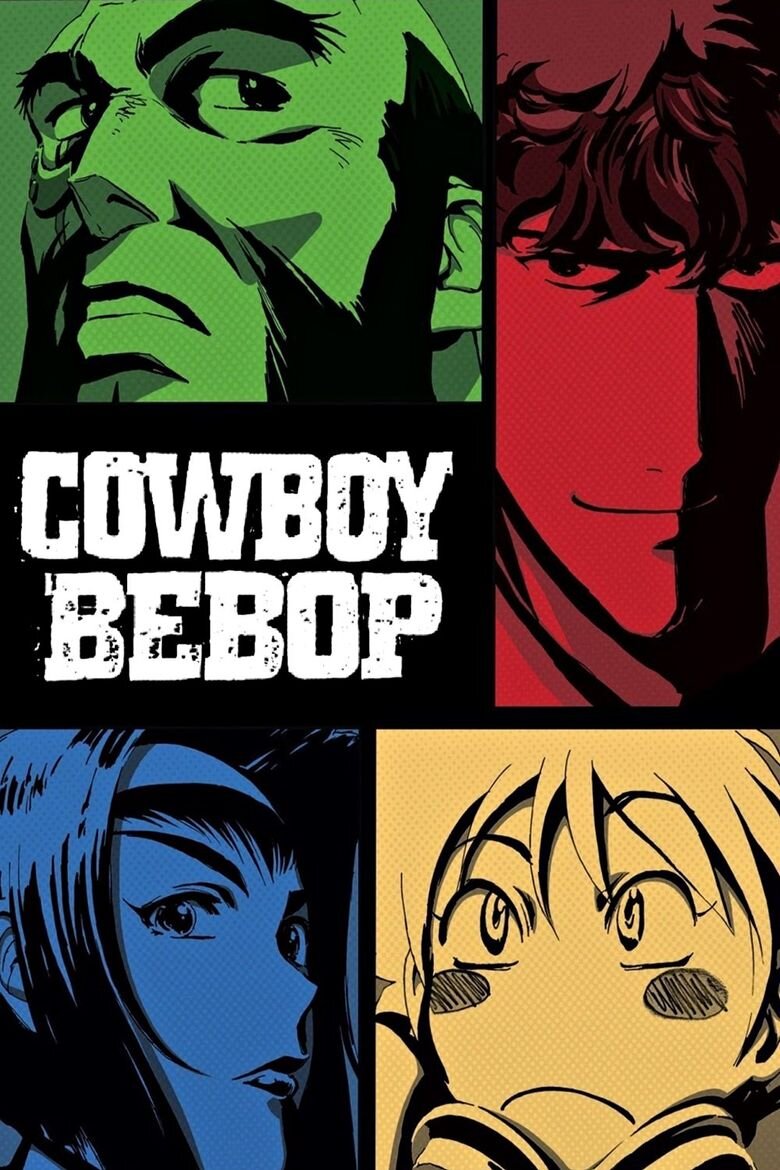
Cowboy Bebop1998
Episodic space adventure with a scrappy hero, constant reinvention of tone, and a director who refuses to let you settle. Beautiful, funny, mournful, thrilling—sometimes all at once. Visual language that influenced everything after.
But Deliberately unresolved plot threads will frustrate you if closure matters. Some episodes are stylish filler. The ending divides people harshly.
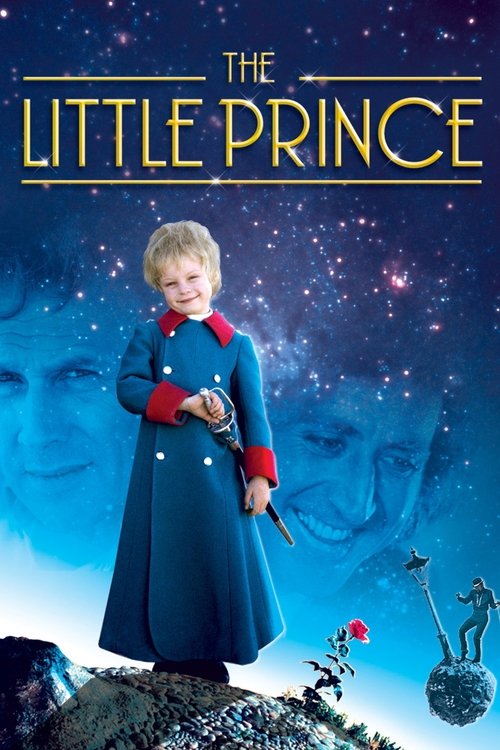
The Little Prince1974
Rankin/Bass stop-motion fantasy rooted in Buddhist and spiritual questioning. A boy-prince's impossible journey through dangerous worlds, searching for meaning. Quietly meditative with genuine wonder and sadness.
But Slow-paced by modern standards and unapologetically soft. The whimsy can feel cloying if you're not in the mood. Some animation is deliberately spare.
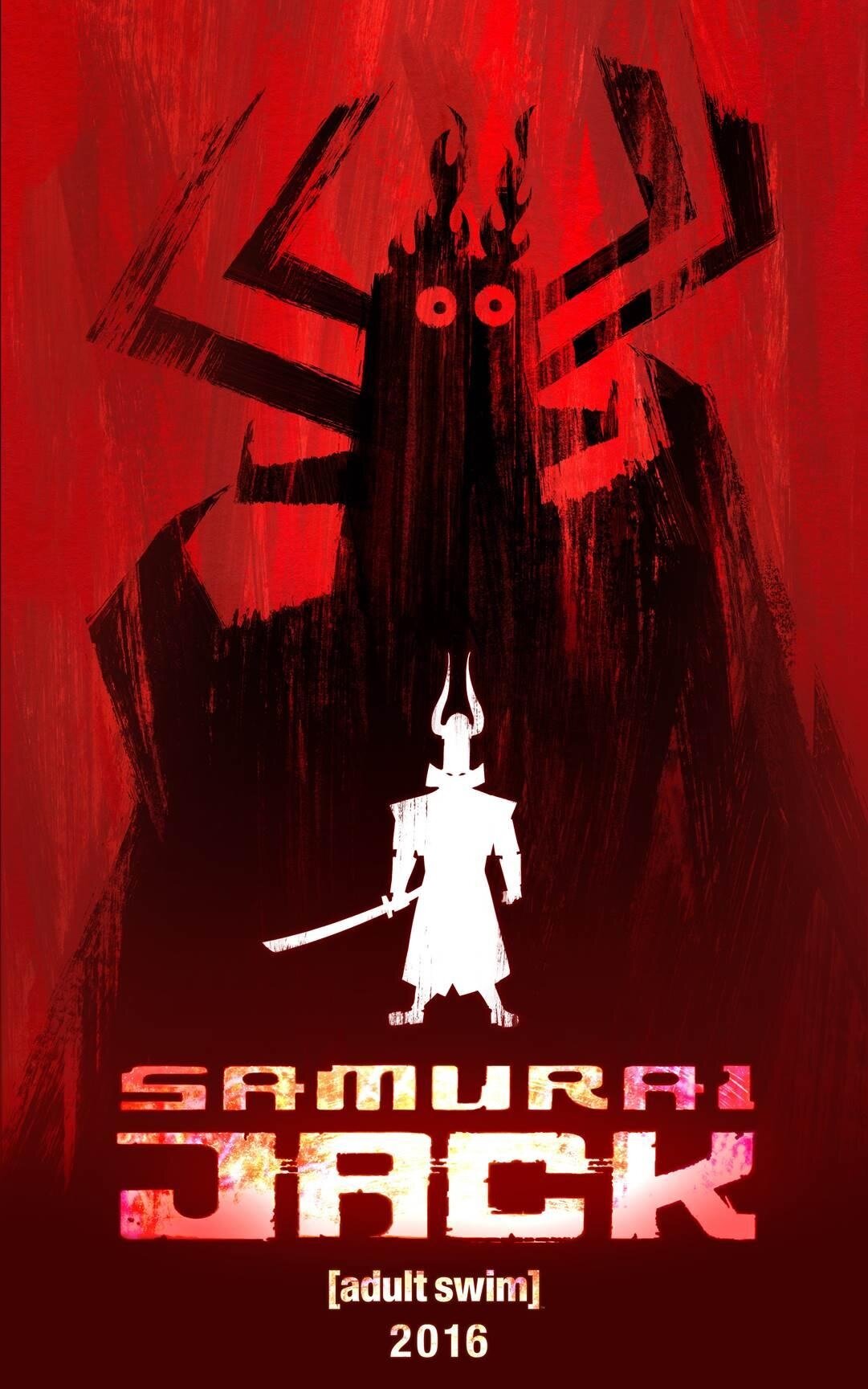
Samurai Jack2001
A warrior displaced in time fights his way home across strange worlds. Genndy Tartakovsky's minimalist visual style creates maximum impact. Adventure without explanation, atmosphere without waste. Genuinely inventive.
But Early seasons are episodic; the serialized plot doesn't kick in until later. Unresolved for years. Some found the revival season disappointing.
Not sure tonight? Get a pick in a minute, starting from Alakazam the Great!
The wildcard
Something you would not have found on your own.
Mr. Osomatsu2015
Both are adventures structured as a series of impossible tests the hero must endure. Both use humor and heart to balance cosmic stakes with petty character struggles. Both feature a chaotic protagonist learning duty through forced companionship.
A late-night anime about six identical brothers surviving poverty with chaos and love. Formally inventive—constantly shifting between styles, genres, and registers. Anarchic but heartfelt, crude but genuinely moving about family and failure.
But The humor is crude, crude, crude. Japanese cultural references are dense. Episodes are deliberately uneven. Requires comfort with structural chaos.
More like this (5)
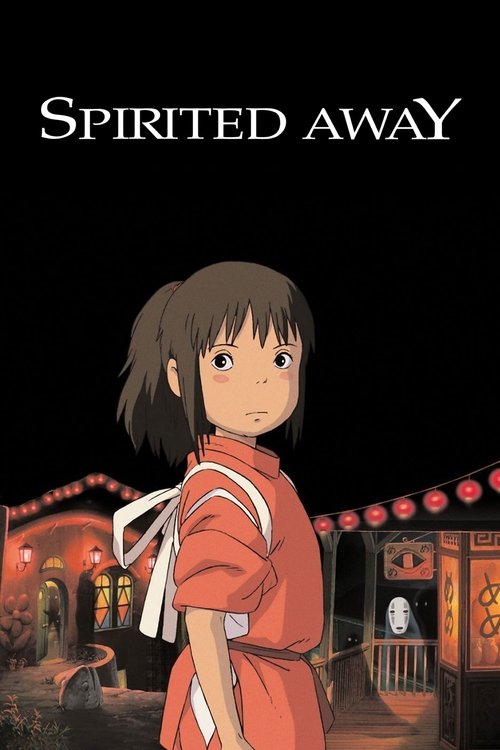
Spirited Away2001
A child navigates a world of spirits and demons to survive and save those she loves. Miyazaki's masterpiece balances whimsy with genuine dread. Gorgeous, moving, endlessly rewatchable.
But If you want plot clarity, you'll be frustrated—the film trusts you to feel rather than understand. Some pacing feels deliberately dreamlike rather than dramatic.
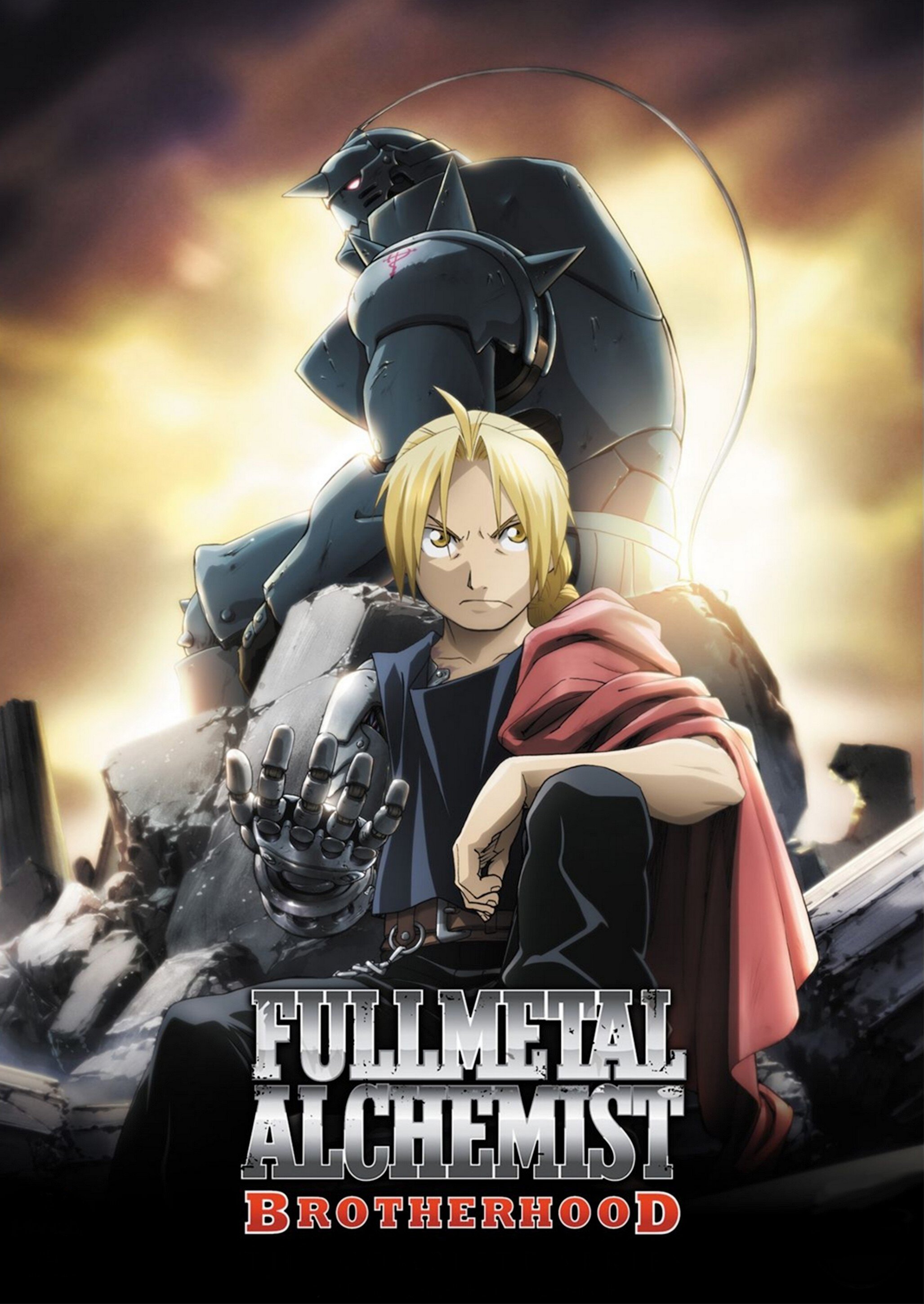
Fullmetal Alchemist: Brotherhood2009
Two brothers seeking redemption for a catastrophic mistake. Serialized adventure that builds to something genuinely profound about consequence and sacrifice. Smart, funny, devastating.
But Slower first arc. Requires commitment—64 episodes. The alchemy system is complicated and sometimes plot-relevant in confusing ways.
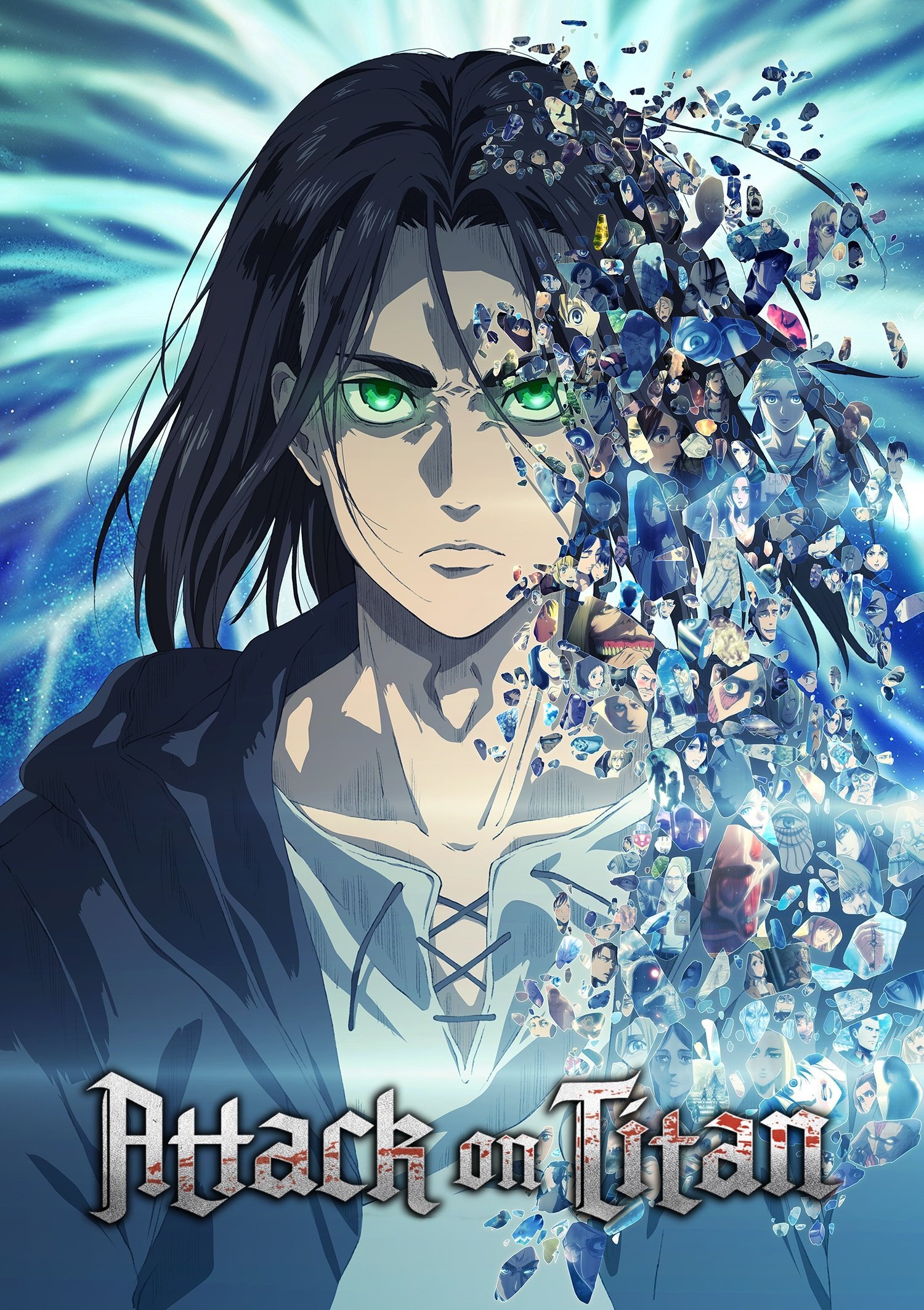
Attack on Titan2013
Impossible mission, monstrous obstacles, moral complexity layered under adventure spectacle. Gripping, shocking, beautifully animated. Asks hard questions about the cost of victory.
But Becomes increasingly complex and mythological—later seasons demand real investment. The finale divided the fandom sharply. Violence is graphic.
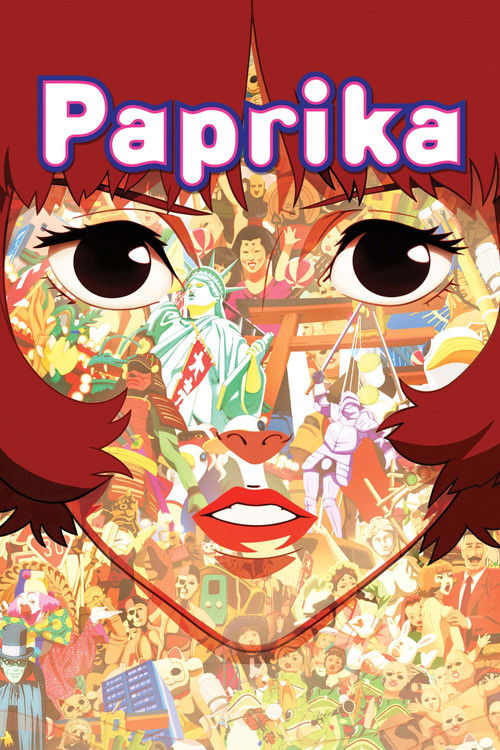
Paprika2006
Both films are about a hero navigating impossible moral spaces and grotesque creatures to restore order to a chaotic spiritual realm. Both mix slapstick humor with genuine cosmic dread. Both were ahead of their animation era.
A therapy device lets people share dreams. A patient's nightmares leak into the waking world and corrupt it. Satoshi Kon's masterpiece is visually hallucinogenic—inventive, funny, strange, and genuinely frightening. Pure cinema.
But The plot becomes abstract and demanding. The visual pace is exhausting. It's surreal enough that multiple viewings barely make it clearer. Definitely not relaxing.
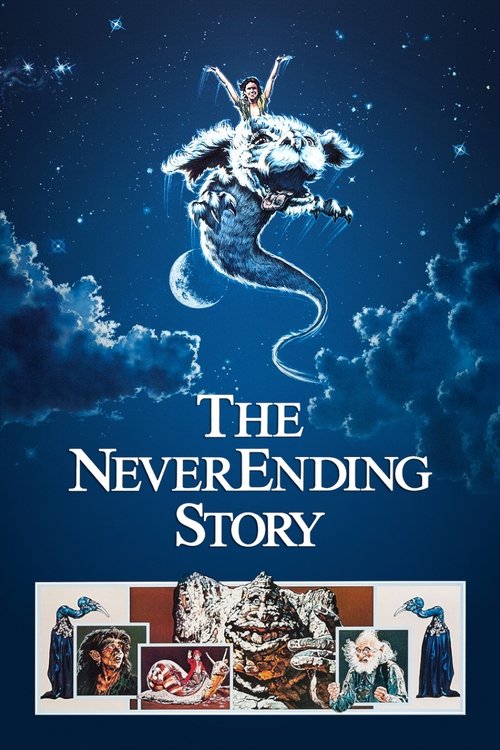
The NeverEnding Story1984
Both follow a flawed protagonist thrown into fantastic worlds to complete an impossible redemption quest. Both feature wise companions, monstrous obstacles, and a moral journey wrapped in adventure. Both were made before animation could hide anything—every frame is handmade choice.
A boy reading a magical book enters that world to save it from destruction. Live-action and puppet fantasy that treats its stakes absolutely seriously. Jim Henson's creature work, Giorgio Moroder's score, and a narrative about the power of imagination itself.
But Slow setup; first act is deliberately bookish. Some puppet effects are obviously dated. The emotional core demands genuine investment in a boy's grief—it's not a romp.
People
Cast
- Kiyoshi KomiyamaSon Gokû (voice)
- Noriko ShindôRinRin (voice)
- Hideo KinoshitaCho Hakkai (voice)
- Setsuo ShinodaSa Gojô (voice)
- Nobuaki SekineSanzô hôshi (voice)
- Kunihisa TakedaShaka-nyorai (voice)
- Katsuko OzakiKanzeon-bosatsu (voice)
- Michiko ShirasakaShoryo (voice)
- Kinshirô IwaoGyûmaô (voice)
- Tamae KatoRasetsu-jo (voice)
- Shigeru KawakuboKinkaku daiô (voice)
- Shûichi KazamatsuriGinkaku daiô (voice)
Directing
- Daisaku ShirakawaDirector
- Taiji YabushitaDirector
Writing
- Osamu TezukaComic Book
- Wu Cheng'enNovel
- Goro KontaiboScreenplay
- Hideyuki TakahashiScreenplay
- Keinosuke UekusaScreenplay
Production
- Goro KontaiboProducer
- Hiroshi OkawaProducer