
Film
Wagon Master
John Ford's lean, humane Western follows two drifters guiding a Mormon wagon train across hostile terrain toward promised land. It's a film about community forming under pressure, shot with Ford's gift for landscape and character. Briskly paced, funny, and morally awake—a masterclass in how much story you can fit into 86 minutes.
Should you watch it?
Watch it if you love Westerns told through patient, unhurried journeys where the pleasure lies in the sway of the wagons, the rhythm of the camp and the slow build of trust between strangers.
Skip it if you need a steady stream of gunfights and plot turns, since this one lingers on the daily grind of the trail and its quieter, more episodic encounters.
What it asks of you: It runs about eighty-six minutes and rolls along at a loose, ambling pace, so give it your patience and let the scenery and small human moments do the work.
Not sure? Find tonight's pick in a minute.
If you liked this
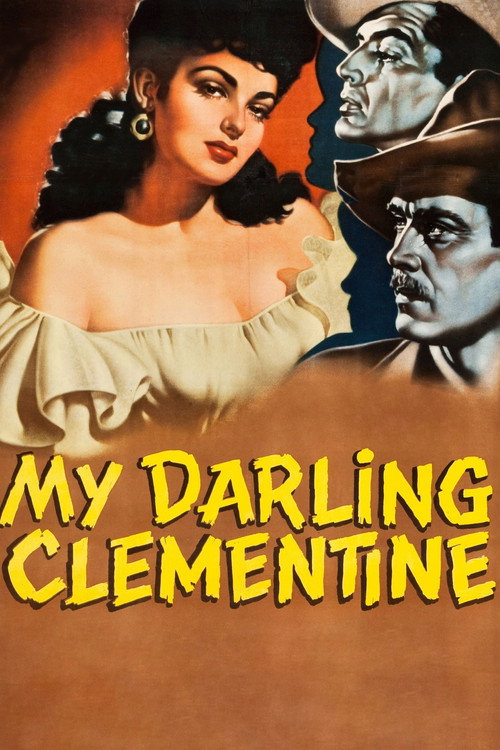
My Darling Clementine1946
Ford's other masterpiece Western, with Henry Fonda as Wyatt Earp. Slower, more meditative, but equally alive to the tension between civilization and wilderness, law and impulse.
But The pacing is glacial by modern standards. Long stretches of mood over plot will test your patience.
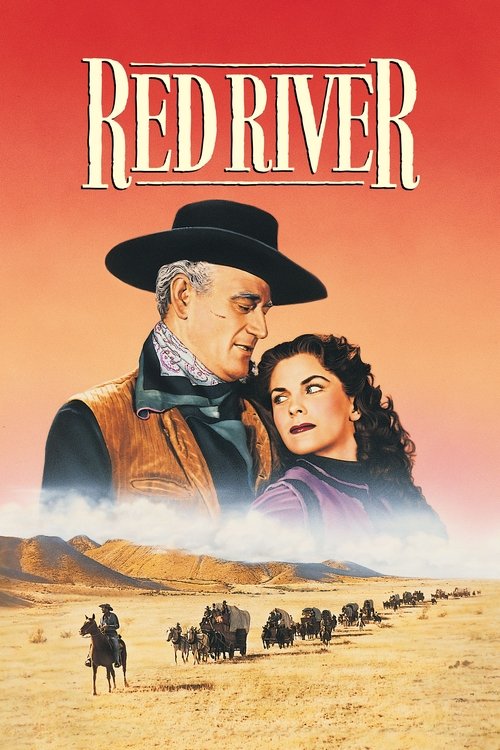
Red River1948
Hawks's cattle-drive epic with John Wayne and Montgomery Clift. Epic in scale but focused on the psychological cost of leadership. Equally smart about group dynamics under strain.
But It's a three-hour commitment with a central relationship that can feel overwrought if the Freudian subtext doesn't grab you.
Johnny Guitar1954
Nicholas Ray's genuinely strange Western about a woman who runs a saloon in the desert. Strange, stylish, and preoccupied with community and belonging like Wagon Master, but from a completely different angle.
But The tone is self-consciously artificial in ways that feel very 1950s camp. Some find it pretentious; others find that's the whole point.

Not sure tonight? Get a pick in a minute, starting from Wagon Master
The wildcard
Something you would not have found on your own.
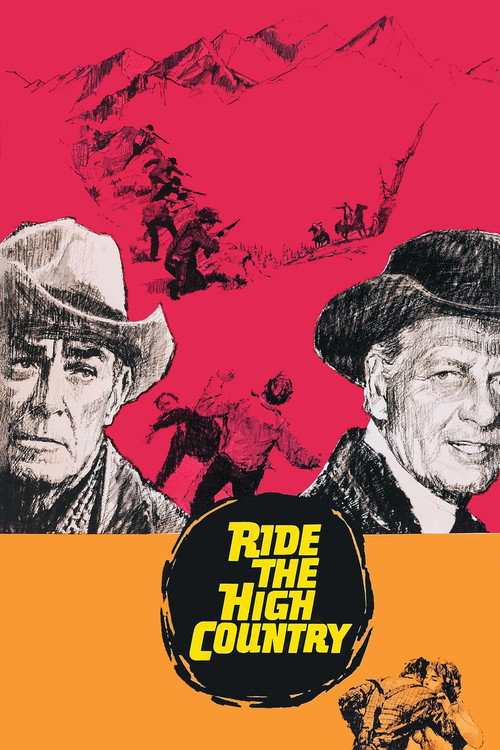
Ride the High Country1962
Both examine how decent people form community and make ethical choices under duress. Both trust the audience to care about character more than plot.
Joel McCrea and Randolph Scott as aging lawmen on one last job. It's a Western about the kindness required to grow old, and about friendship deepening under pressure. The moral clarity feels Fordian, but the film is Sam Peckinpah's, so the violence carries weight.
But It's elegiac rather than exciting. The action is brief and messy. If you're watching for thrills, this is the wrong film.
More like this (8)
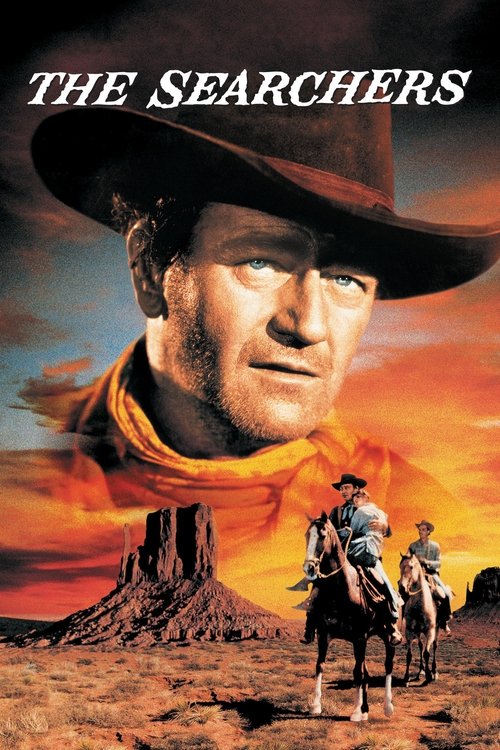
The Searchers1956
Ford's most famous film, equally invested in landscape and community, but darker. Obsession instead of solidarity. If you loved the moral clarity here, The Searchers will complicate everything you think you learned.
But It's 119 minutes, and the John Wayne character is genuinely disturbing. The film asks you to sit with racism and revenge without resolving it neatly.
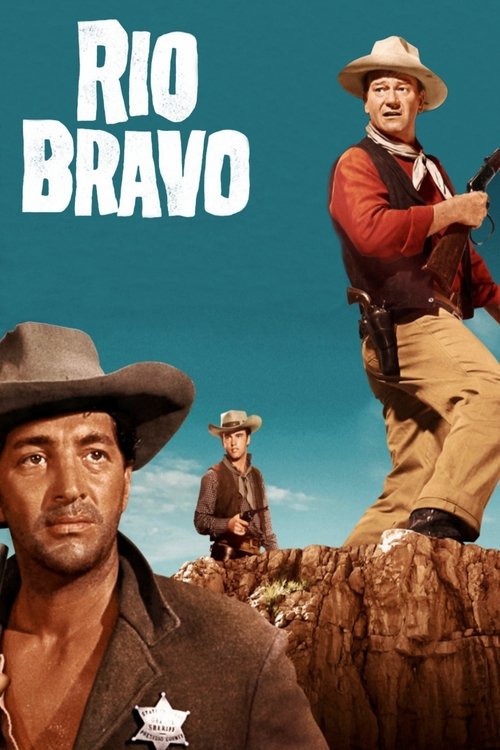
Rio Bravo1959
Hawks's answer to High Noon. A small group of people in one location, bonding under threat. The dialogue is witty and warm; the whole thing feels like hanging out with people you like while danger circles outside.
But The siege premise means it's slower and more talky than a Western usually is. If you want action-packed, this is not your film.
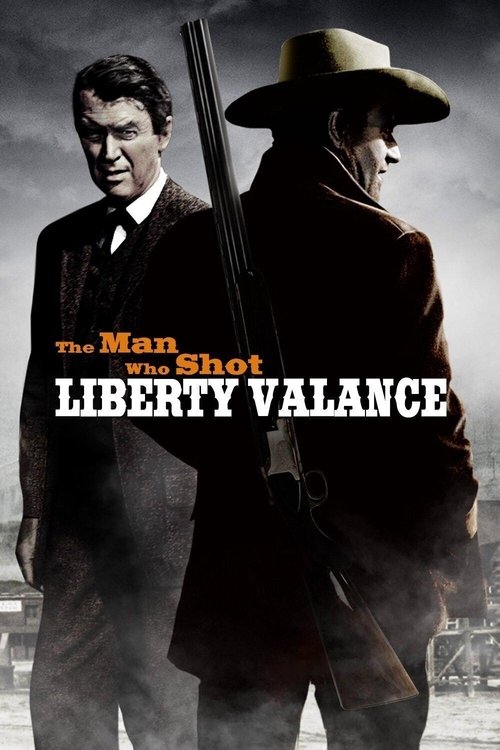
The Man Who Shot Liberty Valance1962
Ford's late meditation on how myths replace truth in the West. A legal confrontation becomes a referendum on civilization itself. Beautifully acted, funny, and genuinely sad.
But It's in black and white and moves at a thoughtful pace. The showdown everyone expects is handled in a way that might feel anticlimactic.
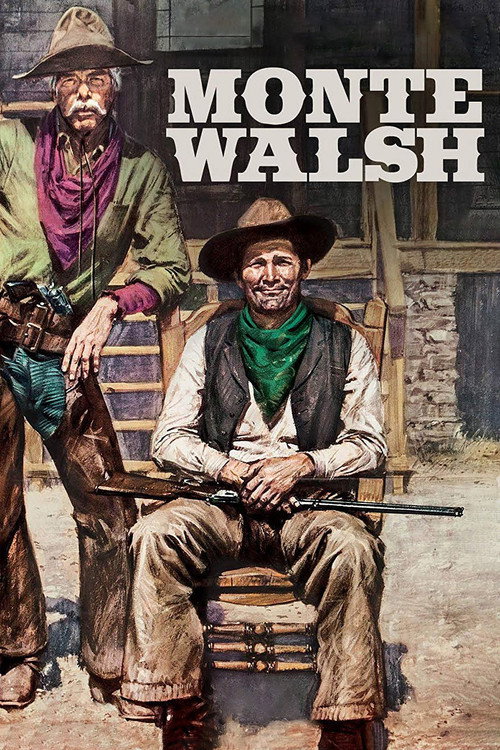
Monte Walsh1970
Lee Marvin as an aging cowboy at the end of the Old West. Elegiac, funny, and full of the specific texture of ranch life. Less epic than Wagon Master but recognizably cut from the same cloth.
But It's a small, quiet film about obsolescence. No rousing climax, no myth-making. Some find that honest; others find it depressing.
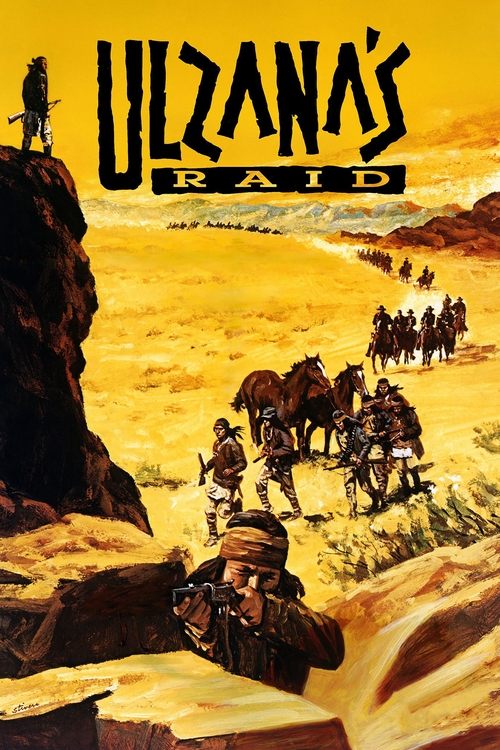
Ulzana's Raid1972
Burt Lancaster and Bruce Davison in Robert Aldrich's brutal frontier story. Focused on the moral cost of survival and the gap between civilization's rules and desert reality. Spare and unsparing.
But It's genuinely violent and doesn't aestheticize suffering. The film trusts you to find it difficult to watch, which some viewers don't enjoy.
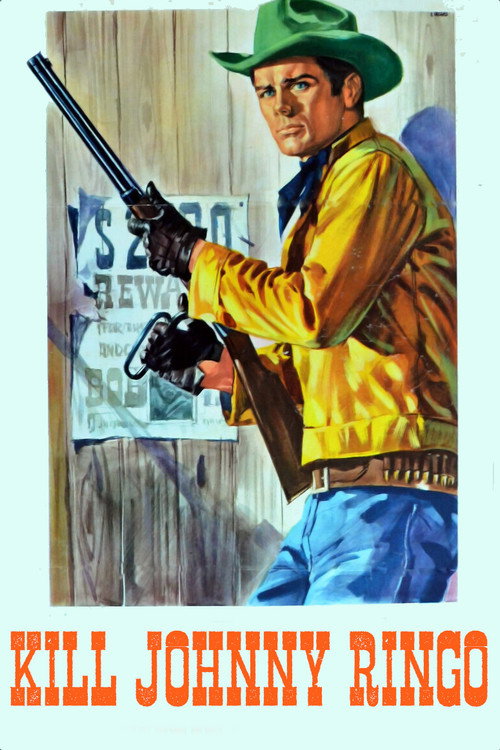
Kill Johnny Ringo1966
Don Durya in a small-scale Western about law versus gunslinger culture. It's pulpy and direct in a way that feels refreshingly unambitious—exactly the kind of second feature Wagon Master resembles.
But This is real B-picture material. The production values are modest and the drama is straightforward. It won't expand your sense of what cinema can do.
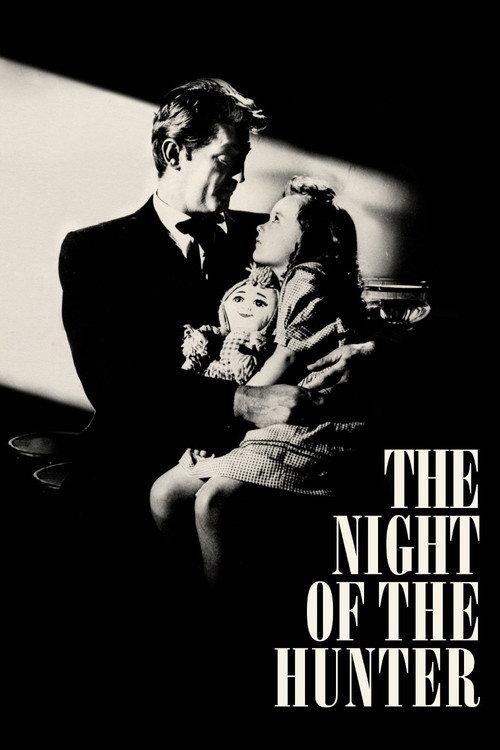
The Night of the Hunter1955
Both films see landscape as a character and a judgment. Both understand that community and belonging are the deepest human need. But where Wagon Master affirms that need, The Night of the Hunter preys on it.
Charles Laughton's only film as director, with Robert Mitchum as a predatory preacher hunting two children. It's shot in expressionist black and white, looks like a nightmare, and uses the river and landscape as moral forces the way Ford does. Completely hypnotic.
But The style is heavy-handed and theatrical. The violence against children is genuinely distressing. The pacing is dreamlike, which some find tedious.
Stalker1979
Both are journey films where the emotional architecture—how people relate under pressure—matters more than where they're going. Both ask what communities are for, and both suggest the answer is not what you expect.
Andrei Tarkovsky's science-fiction journey film: three men crossing a mysterious zone toward a room that grants wishes. It's slow, philosophical, about the nature of desire and community. Visually transcendent. Nothing is explained; everything matters.
But It is three hours of Russian cinema from 1979. The pacing is meditative to the point of stasis. Most viewers will find it either profound or unbearably boring.

People
Cast
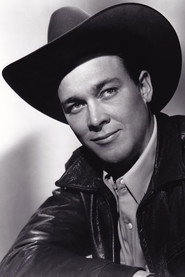 Ben JohnsonTravis Blue
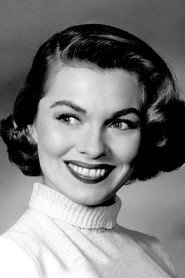 Joanne DruDenver
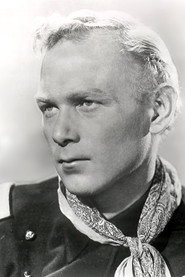 Harry Carey Jr.Sandy
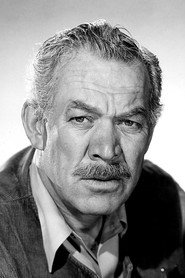 Ward BondElder Wiggs
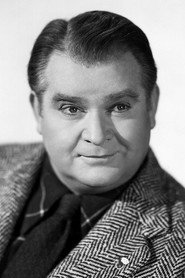 Charles KemperUncle Shiloh Clegg
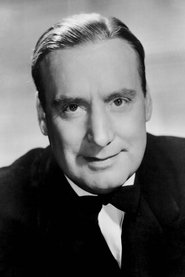 Alan MowbrayDr. A. Locksley Hall
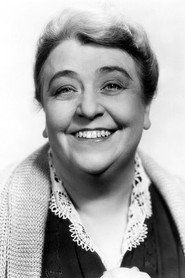 Jane DarwellSister Ledyard
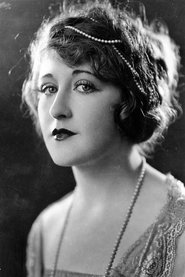 Ruth CliffordFleuretty Phyffe
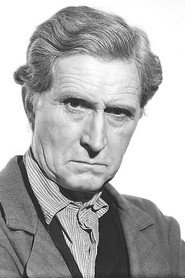 Russell SimpsonAdam Perkins
- Kathleen O'MalleyPrudence Perkins
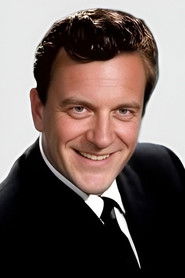 James ArnessFloyd Clegg
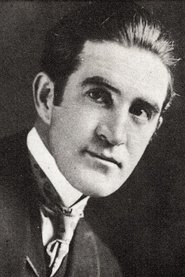 Francis FordMr. Peachtree
Directing
- Wingate SmithAssistant Director
- John FordDirector
- Cliff LyonsSecond Unit Director
Writing
- Frank S. NugentScreenplay
- Patrick FordScreenplay
- John FordStory
Production
- Lowell J. FarrellAssociate Producer
- John FordExecutive Producer
- Merian C. CooperExecutive Producer