
Film
Monte Walsh
A meditation on obsolescence dressed as a Western. Lee Marvin is Monte Walsh, a aging cowboy watching the frontier close around him as barbed wire and railways make his way of life impossible. It's elegiac and unsentimental, more interested in the quiet dignity of men who know their time is ending than in gunfights or heroics. For anyone who's ever loved a Western that trusts silence.
Should you watch it?
Watch it if you like elegiac, unhurried movies about tradesmen whose craft is slipping away, where the humor comes from weathered friendship rather than plot.
Skip it if you want brisk plotting and set-piece action, since this drifts through long stretches of campfire talk, slow horseback travel and rueful reflection.
What it asks of you: Ninety-nine minutes at a deliberately unhurried pace, it lets its melancholy build quietly rather than announcing itself, and wants you to sit with it.
Not sure? Find tonight's pick in a minute.
If you liked this
The Ballad of Little Jo1993
A Western about the frontier closing, told through the eyes of a woman who claimed a man's identity to survive it. Shares Monte Walsh's interest in how the West actually ended—not with a bang but with paperwork, property lines, and the slow erasure of freedom.
But It's deliberately quiet and unglamorous in ways that can feel distant. Some find the pacing austere rather than contemplative.

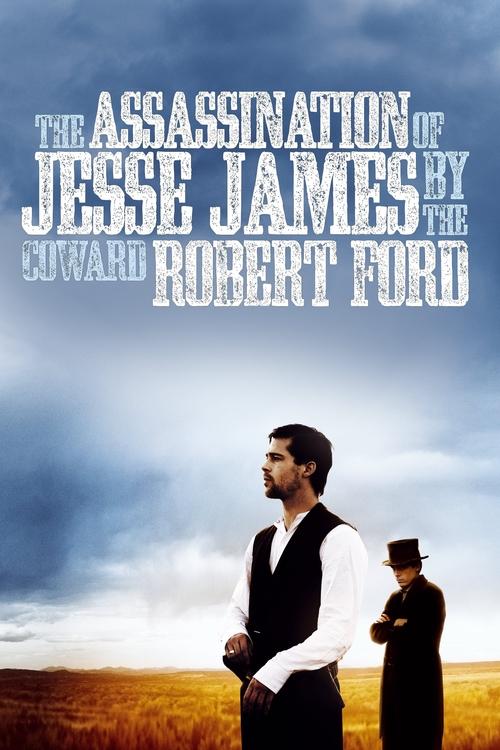
The Assassination of Jesse James by the Coward Robert Ford2007
Another elegy for a dying West, obsessed with mythology versus reality, fame versus obsolescence, and what happens when legends get old. Beautifully shot and psychologically intricate, with a similar melancholy register to Monte Walsh.
But Nearly three hours and very interior. It dwells in hesitation and doubt rather than action, which isn't for everyone.
Johnny Guitar1954
An oddball Western that prizes character and landscape over plot mechanics. Joan Crawford and Sterling Hayden navigate a strange, dreamlike frontier where the usual rules don't apply. Same emotional honesty Monte Walsh reaches for.
But The dialogue is mannered and theatrical. The gender dynamics, though interesting, feel very much of its era in ways that can distract.

Not sure tonight? Get a pick in a minute, starting from Monte Walsh
The wildcard
Something you would not have found on your own.
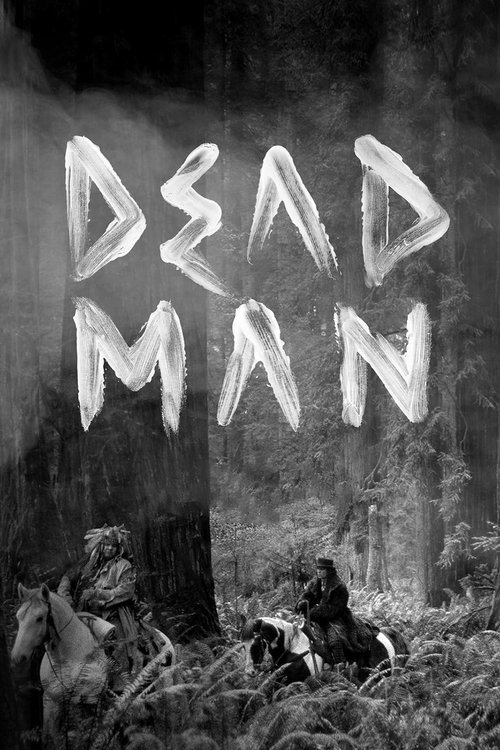
Dead Man1995
Both are elegies for the West filmed as tone poems rather than narratives. Both reject heroism and action in favor of watching men move through landscape toward an ending they can't escape. Same register of quiet devastation.
Jim Jarmusch's black-and-white fever dream of the American frontier as wasteland. Johnny Depp as a dying man drifting through a landscape of violence and capitalism, guided by a Native American mystic. It's a Western that feels like fever dream—hypnotic, strange, and absolutely uncompromising.
But The pacing is glacial. The dialogue is minimal and cryptic. Many people find it inaccessible or pretentious, and it requires patience most Westerns don't demand.
More like this (7)
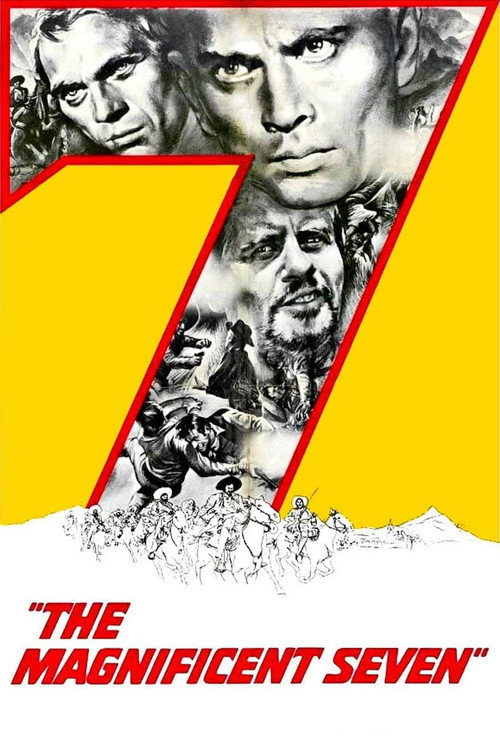
The Magnificent Seven1960
A Western that earns its sentiment through character work rather than spectacle. Seven aging or damaged gunfighters take one last job. It understands why men cling to old codes when the world has moved on.
But It's more action-driven than Monte Walsh, and less willing to sit with ambiguity or failure. Some find it slightly too earnest.
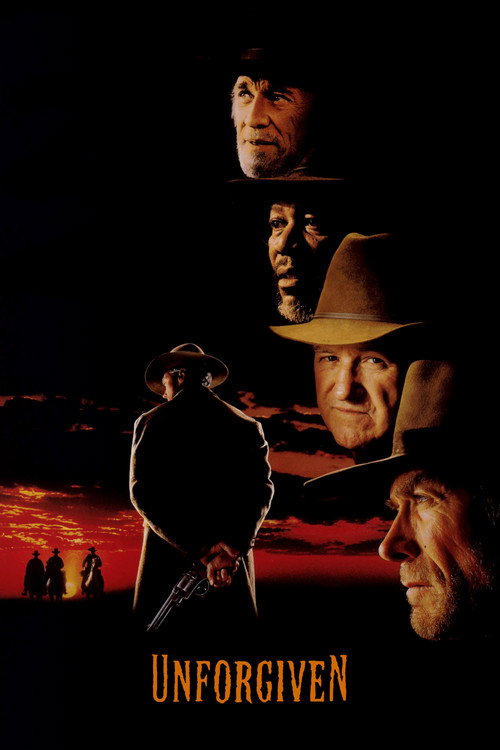
Unforgiven1992
Clint Eastwood's masterpiece about an aging outlaw dragged into one final job. It's savage about violence and unsentimental about the West, and it's obsessed with the same question: what happens when your entire identity becomes obsolete?
But It's violent and nihilistic in places. Some viewers find the darkness overwhelming rather than clarifying.
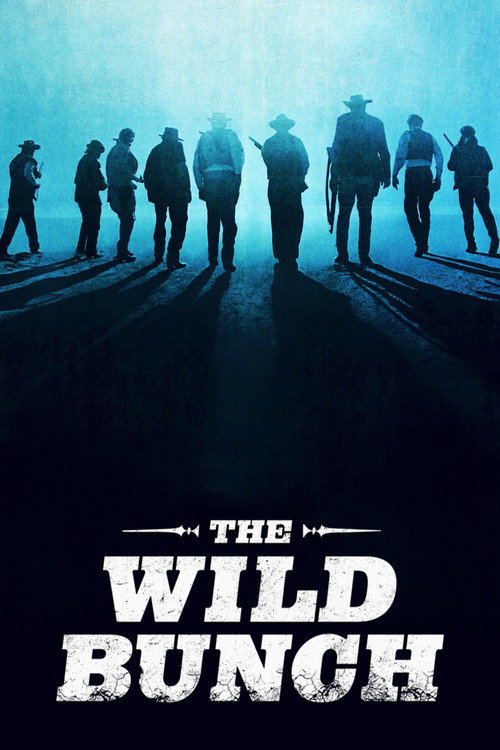
The Wild Bunch1969
Released a year before Monte Walsh, this is another elegy for the dying frontier—aging outlaws on one last job as Mexico modernizes around them. Sam Peckinpah's direction is operatic; the moral weight is immense.
But The violence is graphic and stylized, which some find gratuitous. It's also very long and doesn't hold back on its bleakness.
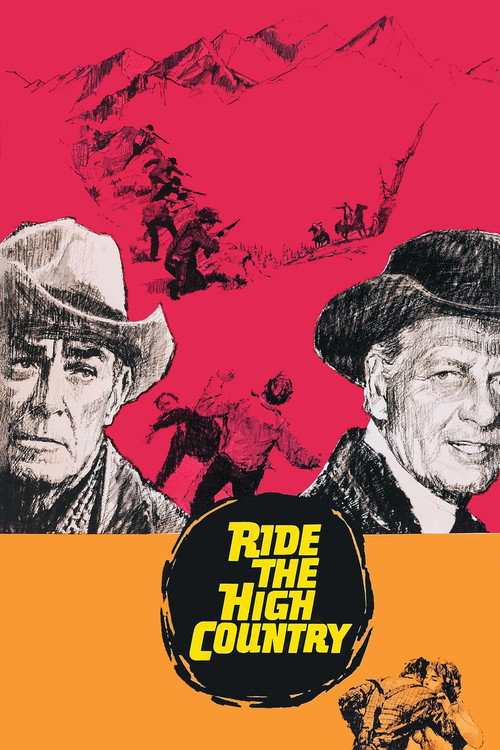
Ride the High Country1962
Two aging lawmen take a final assignment escorting gold through dangerous country. It's a gem—small, perfectly formed, and utterly clear-eyed about aging, honor, and the costs of living by an old code in a new world.
But It's modest in scale and budget. Some viewers find it slow or wish it had more action.
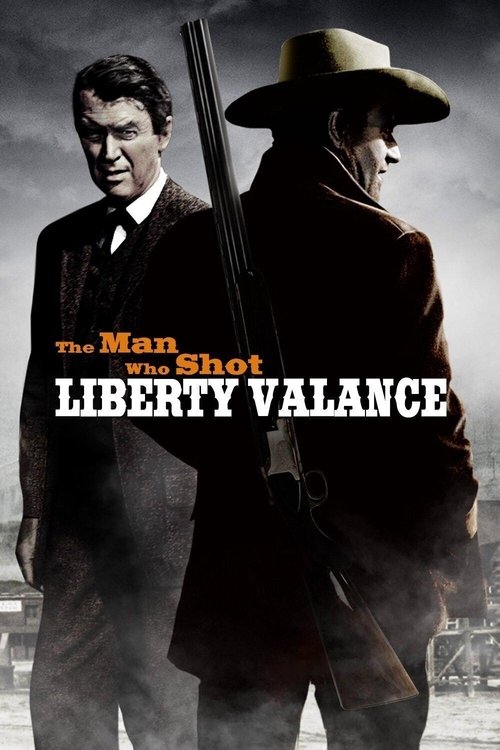
The Man Who Shot Liberty Valance1962
Jimmy Stewart and Lee Marvin (reuniting the Monte Walsh lead with Western legend) in John Ford's meditation on myth versus history. When a journalist returns to a small town for a funeral, secrets about the frontier's real story emerge.
But It's a talky film in black and white, more interested in ideas than movement. The pace is deliberate, sometimes to the point of stalling.
Stalker1979
Both films believe the Western or the frontier are metaphors for spiritual homelessness. Both are patient enough to watch men simply exist in landscapes that dwarf them. Both argue that the real subject of these stories isn't adventure but loss of purpose.
Andrei Tarkovsky's science-fiction masterpiece, set in a mysterious zone where a guide leads a writer and a physicist toward a room that grants wishes. It's obsessed with the same ache: men searching for meaning in a world that has rendered their old values obsolete, and the spiritual emptiness that follows.
But It's nearly three hours of extremely slow cinema. There's no plot in any conventional sense. Some find it boring; others find it transfiguring. There's very little middle ground.

The Leopard1963
Same story as Monte Walsh, told in a completely different context. An aging man of a dying world watches his values and way of life become impossible. Both films argue that grace lies in accepting obsolescence with dignity rather than fighting it. The frontier and the aristocracy are the same metaphor.
Luchino Visconti's Italian masterpiece about an aging Sicilian prince watching his entire world—aristocracy, land ownership, tradition—become obsolete during the 1860 unification. Burt Lancaster as a man clinging to codes that no longer matter. Ravishing to watch and heartbreaking.
But It's an Italian art film about nobility and property, not a Western. The pacing is deliberate and the emotional register is high—operatic, even. Some find it too concerned with surfaces.

People
Cast
 Lee MarvinMonte Walsh
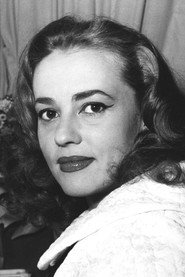 Jeanne MoreauMartine Bernard
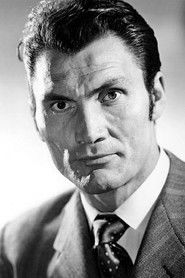 Jack PalanceChet Rollins
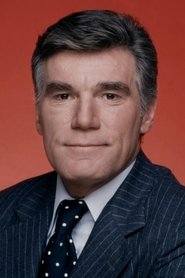 Mitchell RyanShorty Austin
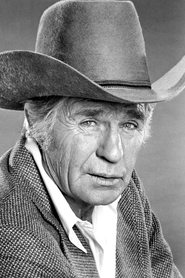 Jim DavisCal Brennan
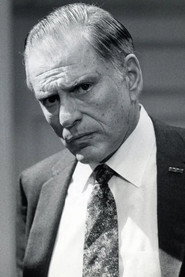 G.D. SpradlinHal Henderson
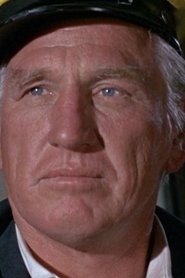 John HudkinsSonny Jacobs
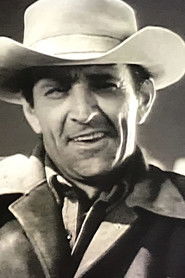 Raymond GuthSunfish Perkins
 John McKeePetey Williams
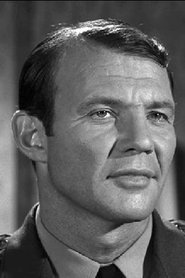 Michael ConradDally Johnson
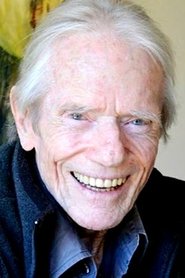 Tom HeatonSugar Wyman
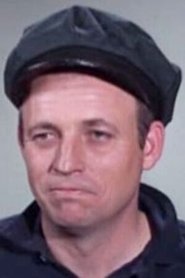 Ted GehringSkimpy Eagans
Directing
- William A. FrakerDirector
Writing
- Jack SchaeferNovel
- David Zelag GoodmanScreenplay
- Lukas HellerScreenplay
Production
- Lynn StalmasterCasting
- Bobby RobertsProducer
- Hal LandersProducer
- Christopher N. SeiterUnit Production Manager
Recommended by
Paint Your Wagon, The Ballad of Cable Hogue, The Professionals, Wagon Master, Lonely are the Brave, Ulzana's Raid, Cockfighter, The Life and Times of Judge Roy Bean, The Big Trees, The Duchess and the Dirtwater Fox, The Hired Hand, Cry Macho, The Badlanders, Pickup on 101, Blackthorn, Heritage of the Desert