
Film
Heritage of the Desert
A Zane Grey western about a young man protecting his desert claim from ruthless jumpers. Sixty minutes of straightforward action with Randolph Scott in an early role, riding hard and fighting harder. Made for audiences who want their westerns lean, quick, and unpretentious—no philosophy, just horses and fists.
If you liked this
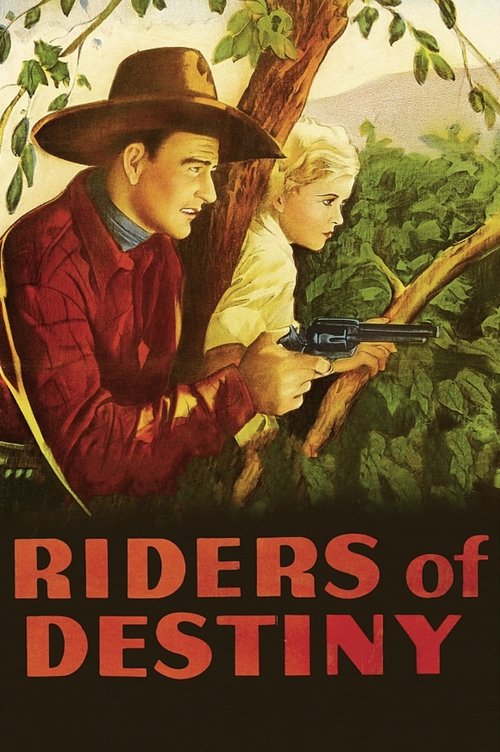
Riders of Destiny1933
John Wayne's first lead role in a Monogram western, just a year later. Fast-paced, unpretentious fun that proves the formula Scott was working with had genuine appeal and legs.
But Wayne looks uncomfortable in places, and the plot is paper-thin even for 1933. The studio system was still figuring out how to use him.
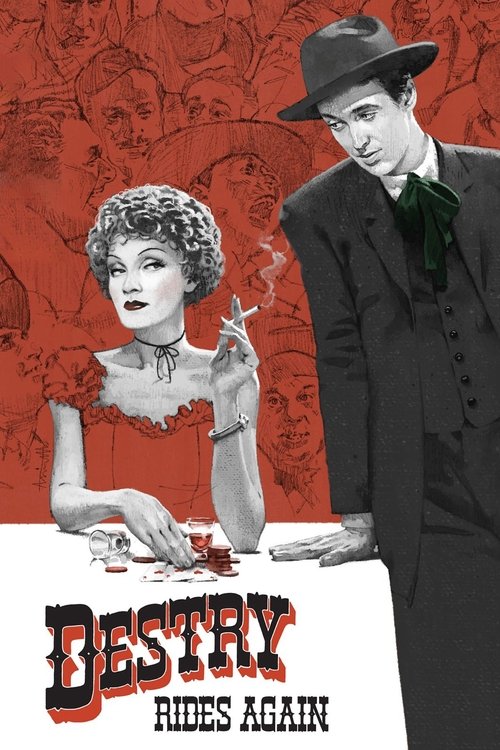
Destry Rides Again1939
James Stewart in a western that understands the genre's DNA: good man, bad odds, landscape that doesn't care. Marlene Dietrich steals every scene. It's what the formula looks like with more money and real stars.
But It's more sophisticated than Heritage—if you want the same spartan kick without the artistry, this might feel overstuffed.
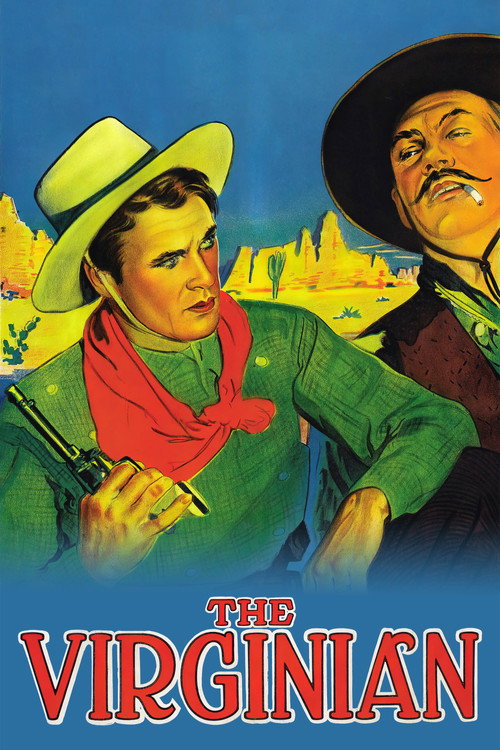
The Virginian1929
Gary Cooper in the first sound western, playing the role that defined the archetype Scott was emulating. You see where the template came from, and Cooper makes every moment count.
But It's slower and more talky than Heritage. By 1932 standards, a 1929 sound film can feel archaic.
Not sure tonight? Get a pick in a minute, starting from Heritage of the Desert
The wildcard
Something you would not have found on your own.
Johnny Guitar1954
Both defend property against invasion, but Ray asks why ownership matters and what it costs. Heritage assumes the answer; Johnny Guitar questions it.
Nicholas Ray's fever-dream western, all psychosexual tension and moral inversion. Joan Crawford as a saloon owner who's tougher than any man. It's what happens when you take the heritage formula and pour it through a visionary's fever dream.
But It's weird, campy, and utterly unconcerned with historical plausibility. If you want the genre straight, this will feel like watching someone parody something you love.

More like this (8)
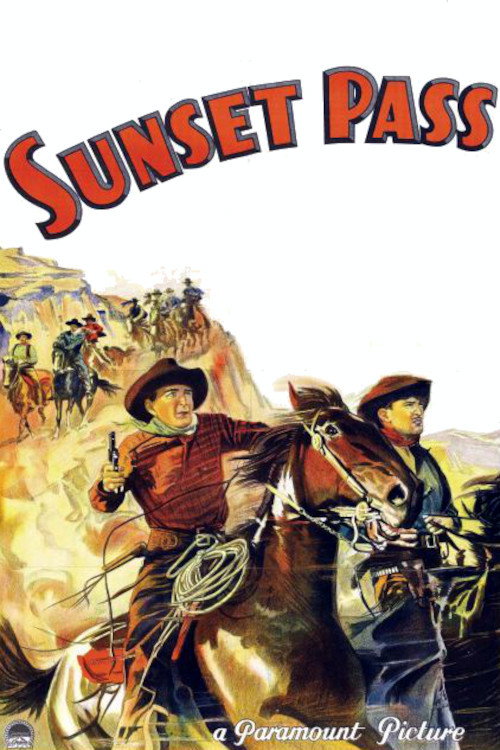
Sunset Pass1933
Randolph Scott again, another Zane Grey adaptation. If you want to see Scott's range in this era, watch him tackle similar material with slightly better resources and a different plot.
But It's marginally glossier but thematically familiar. You're essentially watching a refinement, not a revelation.
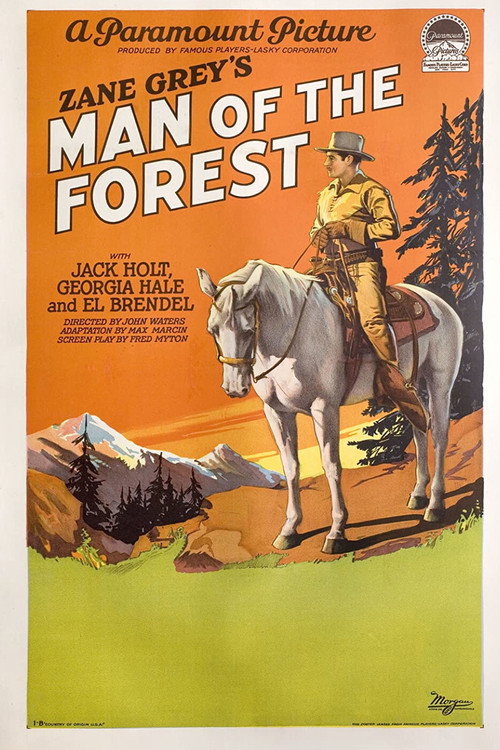
Man of the Forest1926
Another Zane Grey source, another fast western. This one has Gary Cooper too, and captures that pre-sound silent efficiency—story moves, nobody talks, action speaks.
But It's silent film, which means intertitles and a different rhythm. If you watched Heritage expecting sound, this will feel like a step backward.
Under Two Flags1912
Released the same year, also about a man defending his honour against corruption. Ronald Colman carries it with effortless class. Shows what A-list talent and proper budget could do with similar material.
But It's romantic melodrama dressed as adventure—the opposite of Heritage's leanness. If you want action without emotion, this will frustrate you.
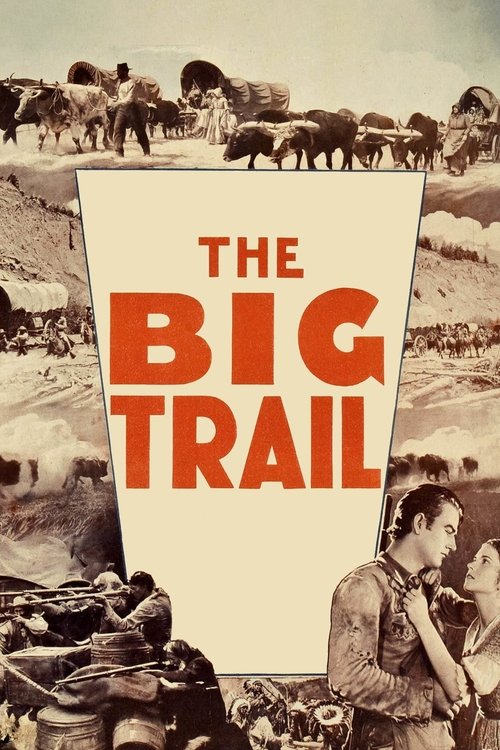
The Big Trail1930
John Wayne in an early spectacular western, a genuine epic about settlers crossing the continent. Shows the ambition some westerns were reaching just before Heritage's bare-bones efficiency.
But It's nearly two hours and often ponderous. Sometimes epic means watching people argue about supplies. Heritage moves faster.
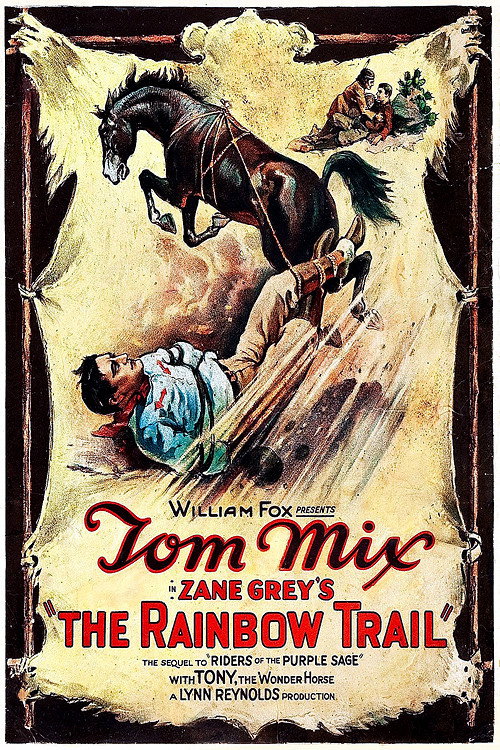
The Rainbow Trail1925
Tom Mix in a Zane Grey adaptation from the twenties. Mix was the silent-era western king, and this shows why—real stunt work, real charm, real danger.
But Silent film conventions will feel alien if you've only seen sound pictures. Mix's style is pure vaudeville.
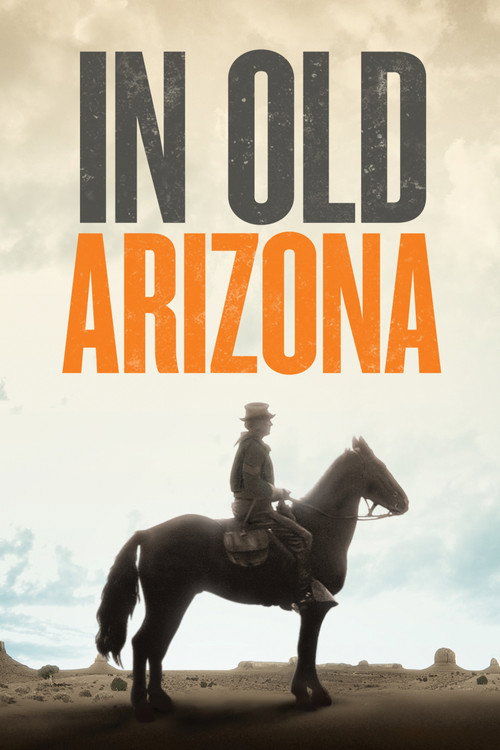
In Old Arizona1928
Early talkie western with Edmund Lowe, worth seeing for how the industry was learning to make sound westerns work. Historical interest and genuine entertainment value.
But Sound recording in 1928 was primitive. Dialogue is often hard to hear, and the pacing is glacial by Heritage's standards.
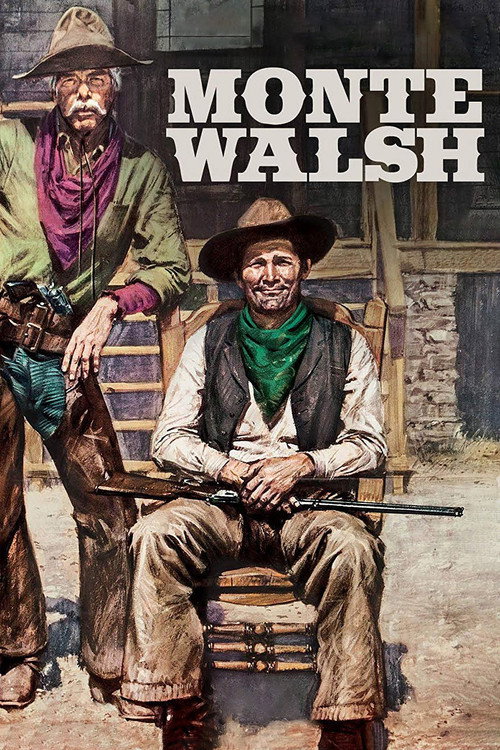
Monte Walsh1970
Both are about defending a way of life against encroaching forces, but Monte Walsh grieves what's lost; Heritage just fights for it.
Lee Marvin and Jack Palance as aging cowboys at the end of the frontier. Elegiac, beautifully shot, about men who belong to a world that's closing. The spiritual opposite of Heritage's youthful urgency.
But It's slow, melancholic, and philosophical. Some will call it boring. If you wanted Heritage for action, this will feel like watching men sit and think.
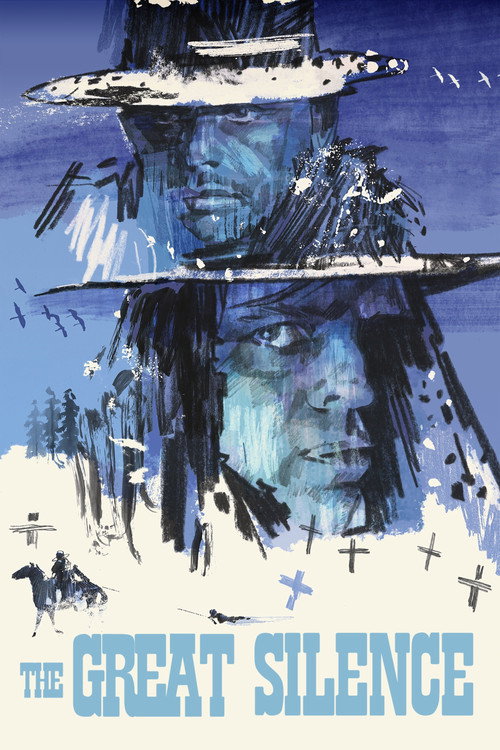
The Great Silence1968
Both strip the story to its essence—a man, a threat, a fight for survival—but Corbucci removes the heroism and adds dread where Heritage adds certainty.
Sergio Corbucci's Italian western about a mute gunslinger fighting bounty hunters in the snow. Visually stunning, morally desolate, and completely committed to its strangeness. Proof the western could be remade in another language and another style.
But Subtitles, cynicism, and a protagonist who never speaks. It's violent and bleak in ways American westerns of 1932 weren't allowed to be.
People
Cast
 Randolph ScottJack Hare
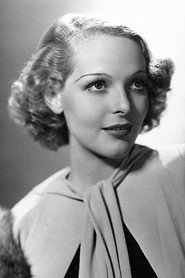 Sally BlaneJudy
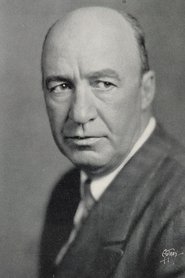 J. Farrell MacDonaldAdam Naab
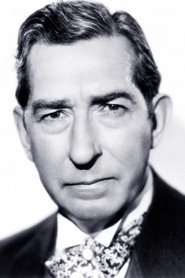 David LandauJudson Holderness
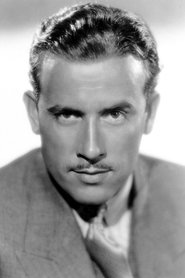 Gordon WestcottSnap Naab
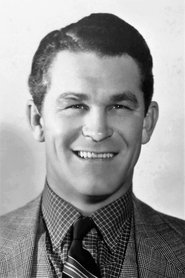
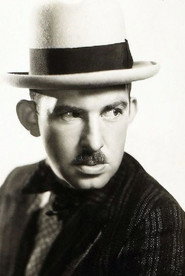 Vince BarnettWindy
Directing
- Henry HathawayDirector
Writing
- Frank PartosAdaptation
- Harold ShumateAdaptation
- Zane GreyStory
Production
- Harold HurleyProducer