
Film
Gunplay
Gunplay is a lean 1951 Western built on mistaken identity and frontier justice. Tim Holt stars in this RKO programmer, a brisk hour of gunfights and deception set in dusty ranch country. It's the kind of film that moves fast, assumes you know the Western grammar, and doesn't waste time on psychology. Perfect if you want a simple, satisfying story about good men sorting out who's lying.
If you liked this
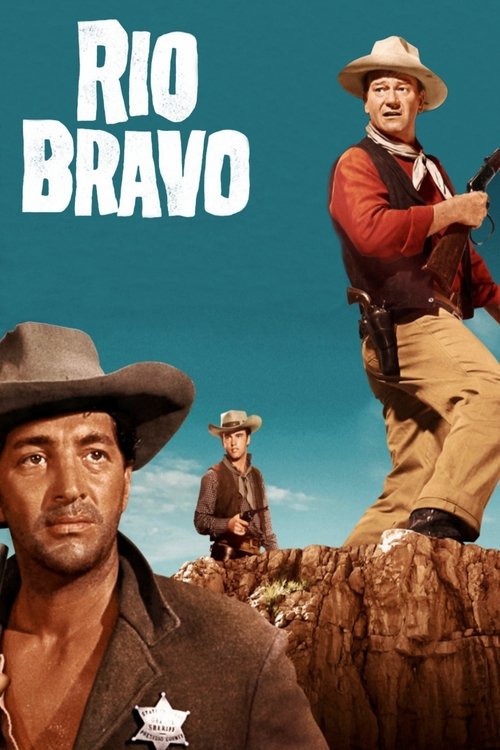
Rio Bravo1959
Hawks' masterpiece about lawmen under siege, with the same confidence in action and character that Gunplay aims for—but with Bogart, Dean, and Ricky Nelson to carry the weight. It's a Western that knows exactly what it's doing.
But At two hours forty, it's four times as long as Gunplay, and demands patience with hangout moments. The pace is deliberate rather than propulsive.
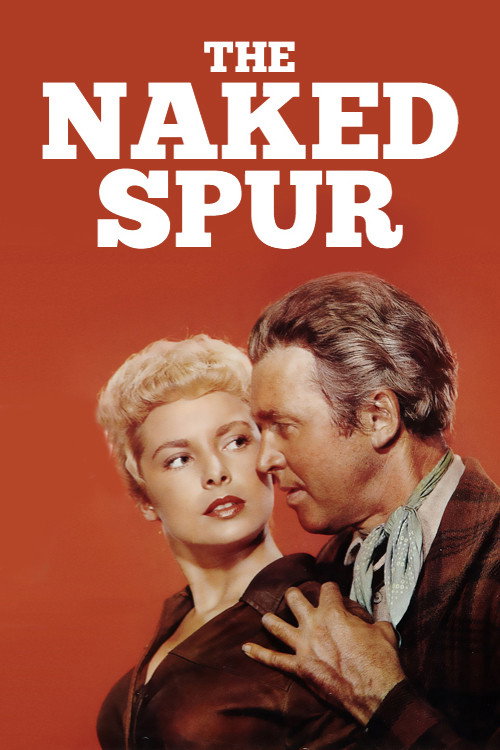
The Naked Spur1953
Mann's stunning technicolor Western about a bounty hunter and his prey, built on the same foundation of deception and mistrust. Sharp, bitter, visually gorgeous—everything Gunplay reaches for but with more resources and time.
But It's psychologically darker than most Westerns of the era, and less interested in simple heroics. The ending asks questions rather than settling them.
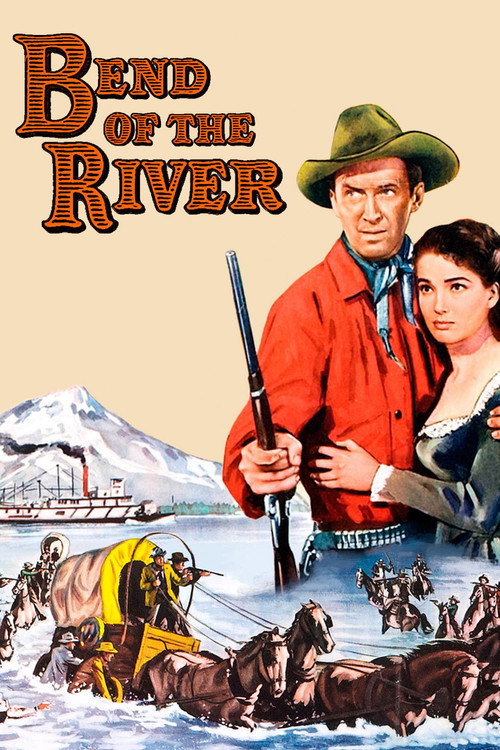
Bend of the River1952
Another Mann film with James Stewart, about frontier settlers and con men in Oregon. It has the same DNA as Gunplay—quick pacing, plot twists, the question of who you can trust—but made with A-picture craft and budget.
But Despite Stewart's charm, the romantic subplot slows the action, and the film is longer and more character-focused than a tight programmer like Gunplay.
Not sure tonight? Get a pick in a minute, starting from Gunplay
The wildcard
Something you would not have found on your own.
The Ballad of Little Jo1993
Both are structured around a central lie (mistaken identity in Gunplay, assumed gender in Little Jo), but where Gunplay uses the lie for plot, this film uses it to interrogate the Western itself.
A revisionist Western told from inside a woman's masquerade, shot in faded colors that mimic 1890s photography. It has Gunplay's interest in deception and identity but uses the form to ask what the Western actually means. Maggie Greenwald's masterpiece.
But It's quiet and takes its time. Modern viewers expecting action will be disappointed, and the film's thesis—that Westerns are built on lies about gender and power—can feel like a lecture if you're not ready for it.

More like this (8)
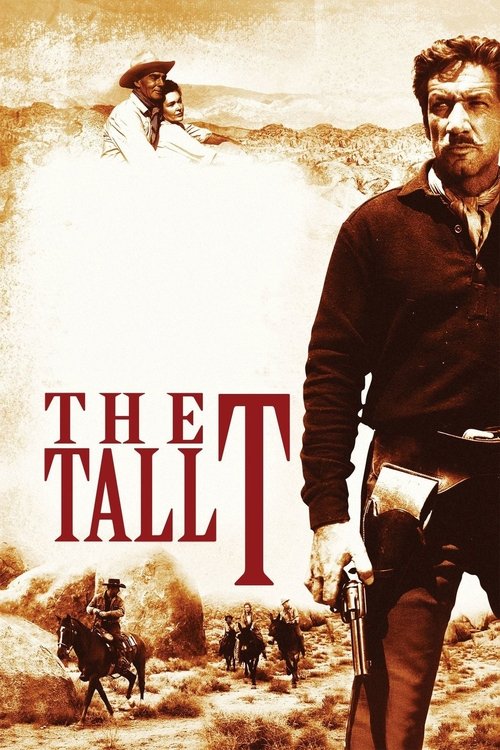
The Tall T1957
Scott's lean, intelligent Western about three outlaws and a ranch owner, directed by Budd Boetticher. It has exactly the economy and directness of Gunplay but with deeper moral weight and better dialogue. Essential.
But It's a thinking person's Western, and slower in the early scenes. If you want constant action, you'll find stretches that feel like waiting.
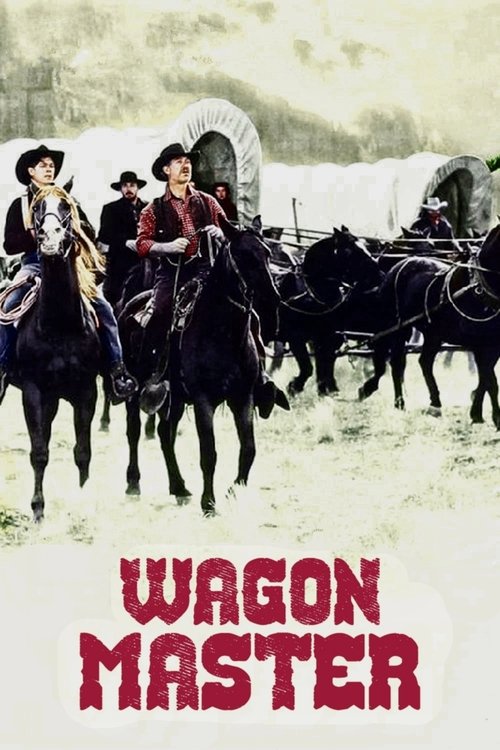
Wagon Master1950
Ford's underrated gem about a wagon train heading west, with the same plainspoken goodness at its heart. It trusts the audience and moves with purpose. A Western that feels honest without being grim.
But There's not much plot—it's more a series of encounters and near-disasters. Some find that formless; others find it true to how frontier travel actually worked.
Johnny Guitar1954
Ray's strange, obsessive Western built around female rivalry and coded desire. If Gunplay intrigued you with its mistaken-identity engine, this one remakes the Western grammar almost entirely. Audacious and weird.
But It's not a conventional Western, and the gender dynamics will feel strange to modern viewers expecting traditional heroics. It can read as camp, which is or isn't a feature depending on your mood.

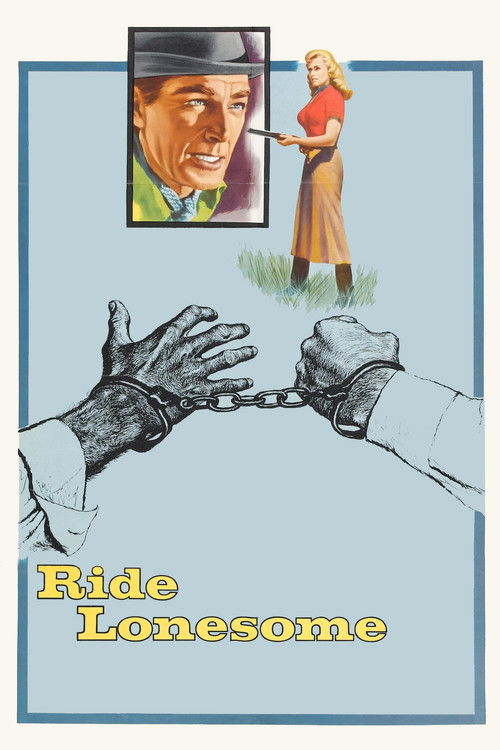
Ride Lonesome1959
Boetticher again, this time following a bounty hunter through desert country with minimal plot and maximum mood. As economical as Gunplay but deeper—every frame and every silence means something.
But If you want plot complications and twists, this isn't it. It's a character study that trusts you to read subtext rather than spell things out.
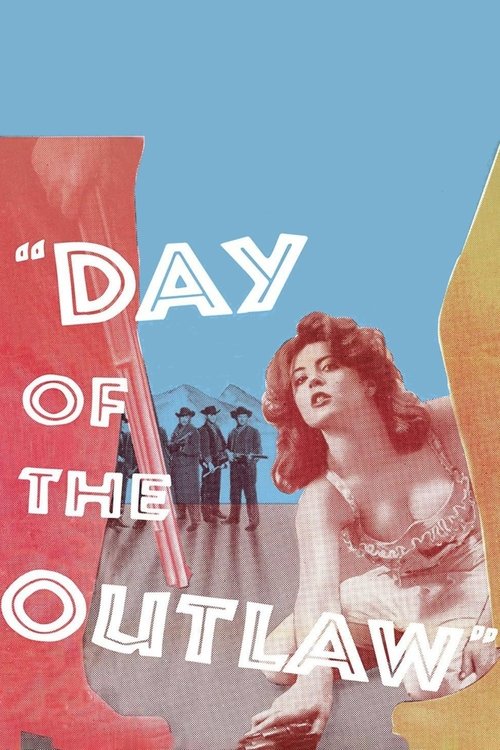
Day of the Outlaw1959
Haskin's icy Western about outlaws and ranchers forced into alliance, shot in black and white with a real sense of isolation and dread. It has Gunplay's structure but turns it toward something harder and colder.
But The mood is bleak rather than fun. There's no heroic satisfaction here, and the ending is ambiguous in ways that some find unsatisfying.
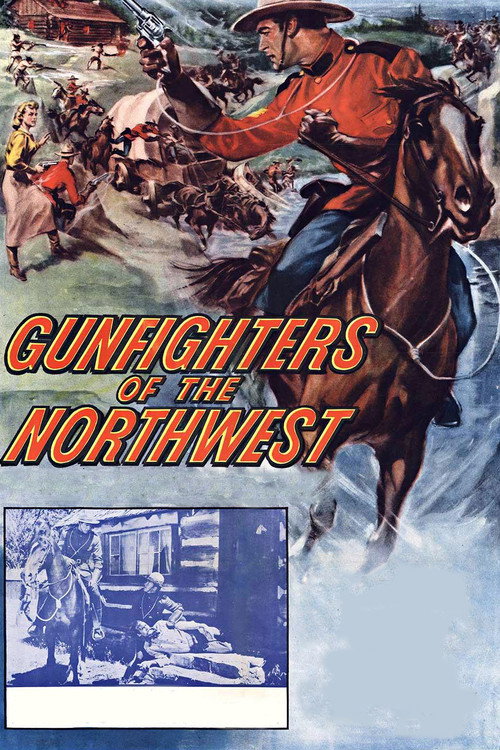
Gunfighters of the Northwest1954
An overlooked RKO Western in the same program tradition as Gunplay, with the same fast pace and no-nonsense approach. If you loved Gunplay's efficiency, this is what you reach for next.
But It's rough around the edges and not well-made by any objective standard. The plot is thin even by B-Western standards, and some of the dialogue creaks.
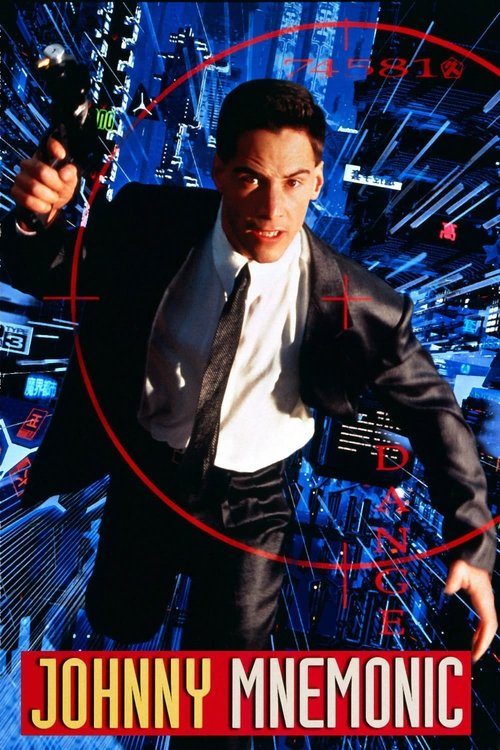
Johnny Mnemonic1995
Both films turn on a MacGuffin of information (Matt Potter/stolen data) and ask simple questions about trust, pursuit, and survival. Gunplay is efficient; this is baroque. Both work within their constraints.
A cyberpunk thriller about stolen data and violent retrieval, directed by Robert Longo. It has the same skeleton as Gunplay—a man caught between factions because of what he knows—but transplants it to neon Tokyo and corporate warfare. Visually wild and completely unhinged.
But It's deeply, almost proudly stupid. The script is ham-handed, Keanu is stiff, and the action sequences are poorly choreographed. It's fascinating mostly as a failure of ambition.
The Killing1956
Both use deception as their engine and both ask what happens when the wrong person gets blamed. Gunplay lets the hero sort it out; Killing shows that sometimes no one does, and everyone dies worse off for trying.
Kubrick's debut is a heist film, not a Western, but it's structured identically to Gunplay—a plan that falls apart because someone lies, creating cascading consequences. Shot in noir black and white with rapid, efficient editing. Extraordinary control for a first film.
But It's cold and cynical in ways that might feel bleak if you came for a Western. The circular structure is clever but can feel mechanical, and there's no one to really root for.

People
Cast
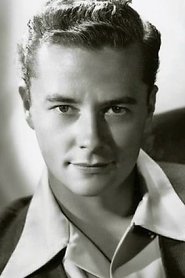 Tim HoltTim Holt
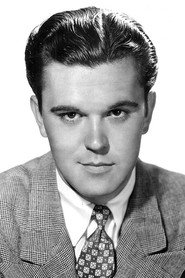 Richard MartinChito Jose Gonzalez Bustamante Rafferty
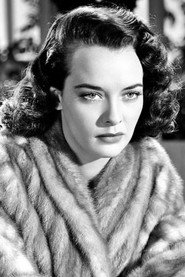 Joan DixonTerry Blake
- Harper CarterChip Martin
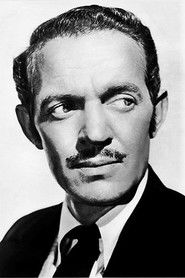 Mauritz HugoMatt Potter, alias Curt Landry
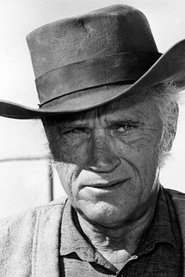 Robert J. WilkeHenchman Winslow
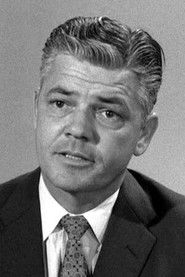 Robert BiceSam Martin
- Leo J. McMahonHenchman Zeke
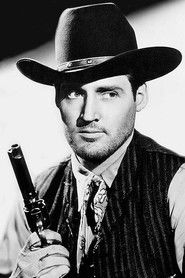 Marshall ReedHenchman Dobbs
- Jack HillThe Sheriff
 Stanley BlystoneThe Storekeeper
 Frank O'ConnorDan, the station agent