
Film
Gunfighters of the Northwest
A 1954 Canadian-set Western about a Mountie constable hunting a mysterious criminal mastermind who manipulates Indigenous peoples against the authorities. It's a straightforward adventure with action sequences and period atmosphere, shot in an era when Westerns were comfort viewing—exactly what audiences wanted from a matinee or Saturday night. For anyone who loves old Hollywood's direct storytelling and sweeping frontier landscapes.
If you liked this
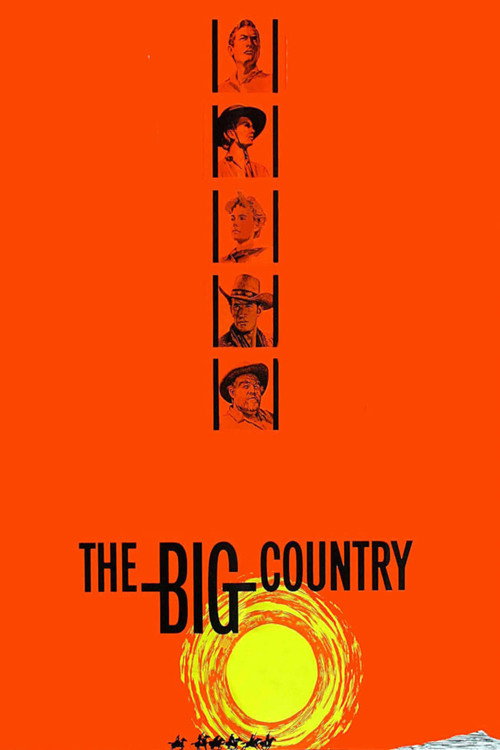
The Big Country1958
Epic Western with genuine moral complexity and unforgettable action sequences. William Wyler's command of landscape and character conflict creates something that feels both intimate and monumental—exactly what the best Westerns achieve.
But It's long and dialogue-heavy in places. Some modern viewers find its pacing deliberate rather than thrilling.
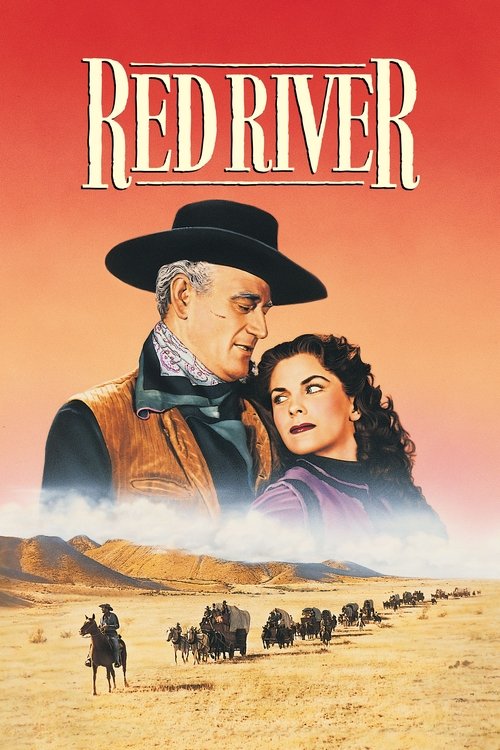
Red River1948
Howard Hawks made a Western about leadership and obsession that still crackles. John Wayne and Montgomery Clift together, a cattle drive that becomes psychological warfare. The film moves with absolute confidence and invention.
But The ending feels abrupt to some. It's also a film very much of its era in its treatment of Native Americans.
Johnny Guitar1954
Nicholas Ray's Western is bizarre, operatic, and entirely its own thing—starring Joan Crawford as a saloon owner in a world that shouldn't exist but mesmerizes you anyway. Shot in Technicolor with real visual strangeness.
But It's not a conventional Western at all. If you want gunfights and sheriffs, this tilts toward myth and surrealism instead.

Not sure tonight? Get a pick in a minute, starting from Gunfighters of the Northwest
The wildcard
Something you would not have found on your own.
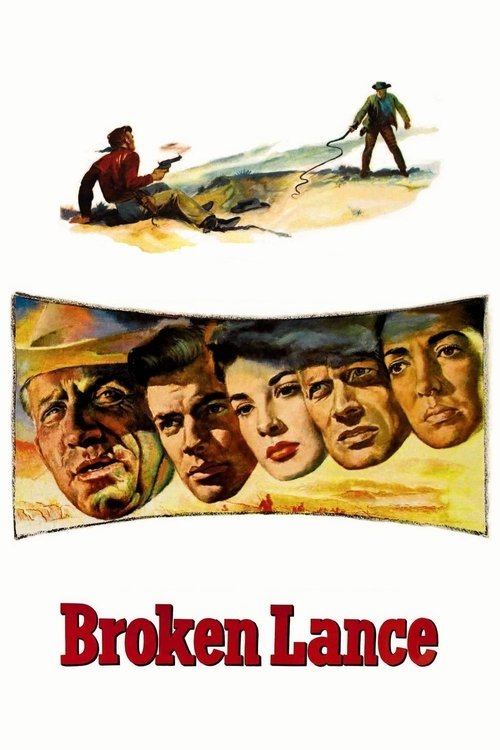
Broken Lance1954
Both use isolated communities (constabulary/ranch) and conflict with outsiders as the structure for exploring who holds authority and how far it corrupts.
A sprawling family saga shot in Technicolor that uses a sprawling ranch as the battleground for authority and loyalty. Spencer Tracy, Richard Widmark, and Robert Wagner orbit his brutal rancher patriarch in a story that's really about succession and power—the same engine as your film, but intimate instead of on the frontier.
But It's a family drama wearing a Western hat, not a conventional adventure. The violence is psychological rather than gunplay.
More like this (8)
The Ballad of Little Jo1993
A woman living as a man on the frontier in the 1880s—based on a true story, shot with Maggie Greenwald's unflinching eye. It's tender, strange, and completely authentic in its details. Suzy Amis delivers a performance of real depth.
But It's quiet and glacially paced. The Western here is backdrop to a character study, not the point itself.

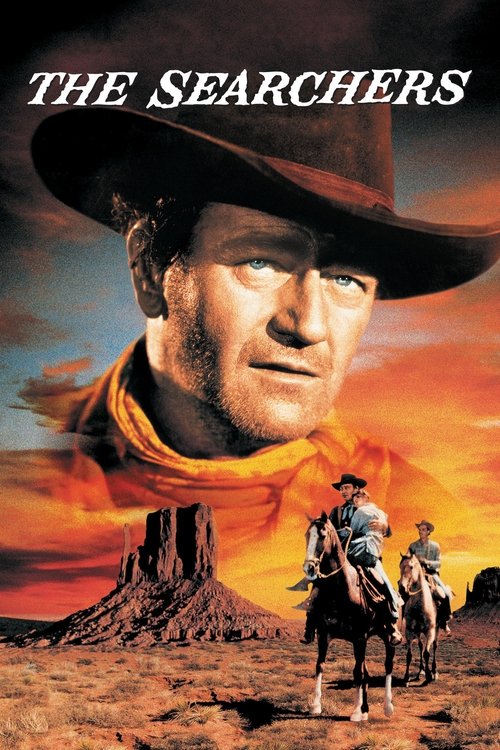
The Searchers1956
John Ford's masterpiece about obsession and racism in the frontier. Visually stunning, morally complicated, and absolutely unflinching about what Westerns usually gloss over. It rewrites the mythology.
But John Wayne's character is genuinely difficult to like. The film takes real time, and doesn't offer easy catharsis.
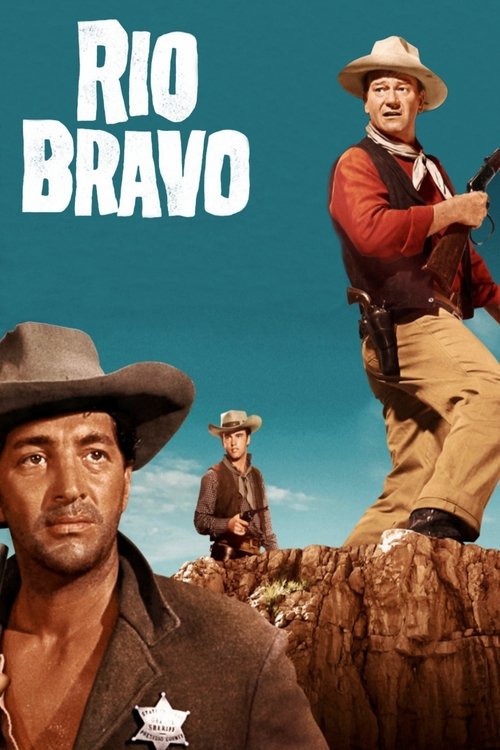
Rio Bravo1959
Hawks again, but in a different mood—a siege film, essentially, with John Wayne, Dean Martin, and Ricky Nelson holed up in a jail. It's funny, character-driven, and lets its actors breathe. Pure entertainment made by masters.
But Nothing happens very quickly. For modern tastes accustomed to cutting and momentum, it can feel like watching paint dry.
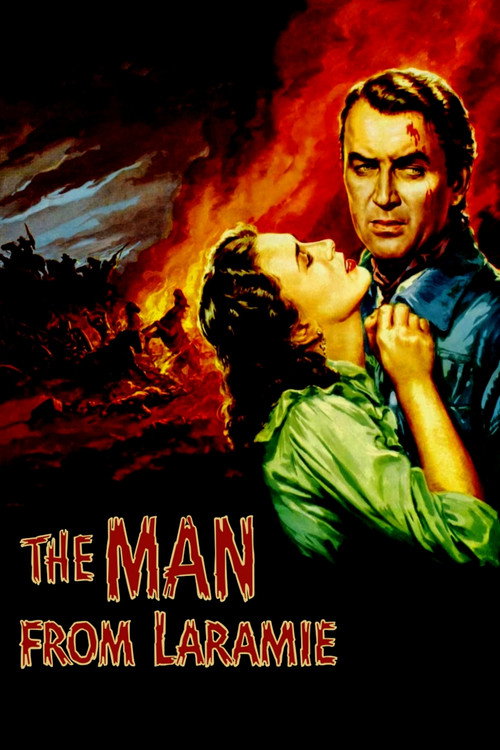
The Man from Laramie1955
Anthony Mann's Westerns have a darker psychology than most. Here, James Stewart's quest for revenge becomes genuinely tragic. The landscape itself feels like a character—vast and indifferent to human suffering.
But It's a revenge story with no heroes. The violence feels consequential rather than cathartic, which some find depressing.
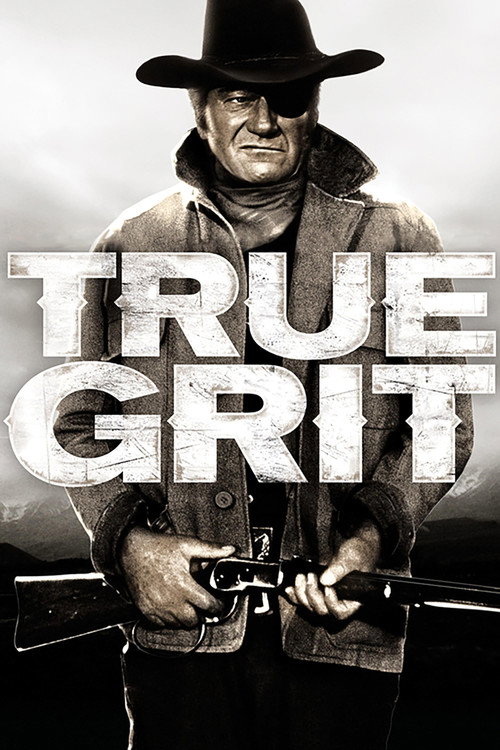
True Grit1969
John Wayne won his only Oscar for this, and it's deserved. A teenage girl hires an aging marshal to hunt her father's killer. It's funny, touching, and built on real chemistry between Wayne and Hailee Steinfeld's predecessor. Also it's a perfect film.
But It's sentimental, and that will alienate anyone allergic to emotion in their Westerns. Some find the humor undercutting.
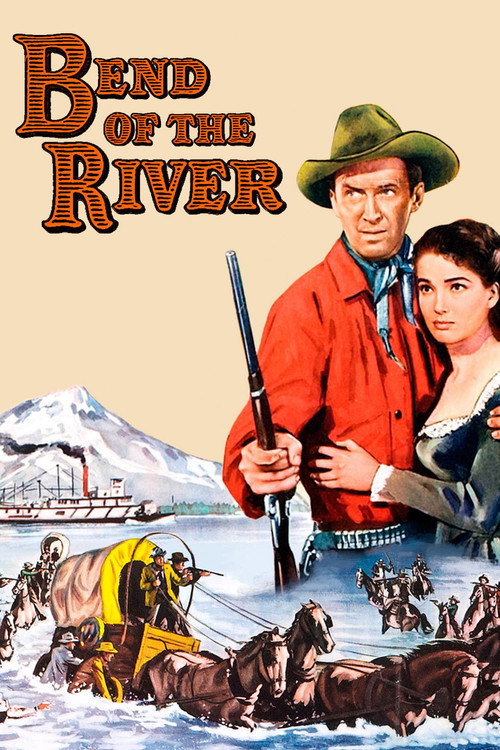
Bend of the River1952
An underrated Anthony Mann film with James Stewart as a reformed outlaw on an Oregon Trail wagon train. It's got moral ambiguity, genuine suspense, and landscapes that make you understand why people risked everything.
But It's a lesser-known film, so there's some uneven pacing. Some scenes feel perfunctory compared to Mann's best work.
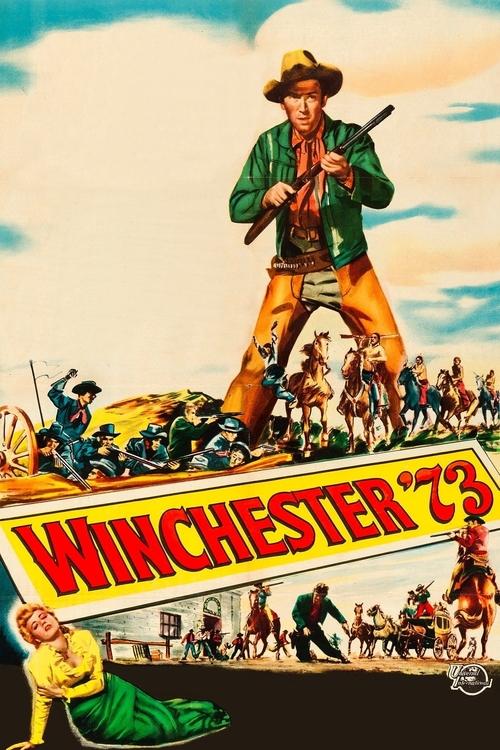
Winchester '731950
Both construct their narratives around a hunt for an object (gold mine/rifle) that different factions pursue, using it to explore what people will become in pursuit of wealth or power.
Anthony Mann and James Stewart's first collaboration—a rifle passes through multiple hands across the frontier, each owner revealing character and moral code. It's a heist film disguised as a Western, propelled by MacGuffin logic that feels surprisingly modern and kinetic.
But The episodic structure means tonal whiplash. Some sequences feel like vignettes rather than a unified film.
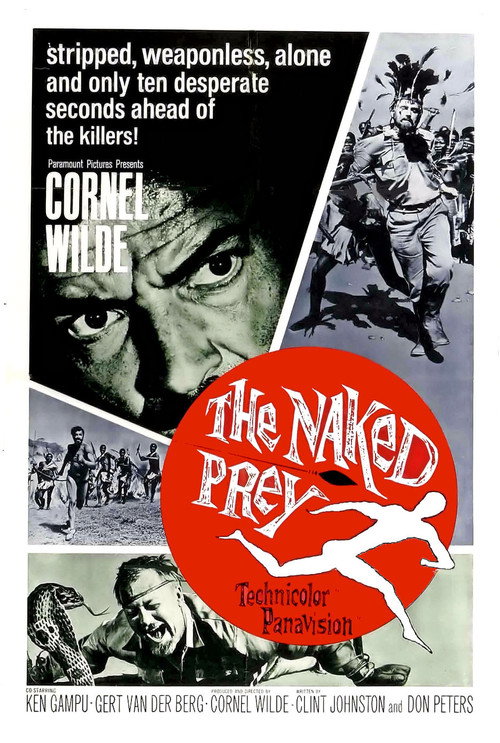
The Naked Prey1965
Both explore how quickly authority and civilization collapse when men venture into territories beyond their control, and how that vacuum reveals primal truths about survival.
Cornel Wilde directs and stars in this extraordinary South African film about a hunter being hunted across the savanna. It's almost wordless, visceral, and built on pure survival logic. A completely different landscape but the same frontier mythology—man versus wilderness, civilization versus nature.
But It's sparse, violent, and offers no sentimentality. There's minimal plot and minimal dialogue—just pursuit and instinct.
People
Cast
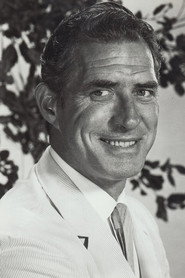 Jock MahoneyJoe Ward
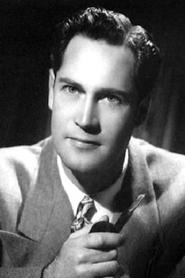 Clayton MooreBram Nevin
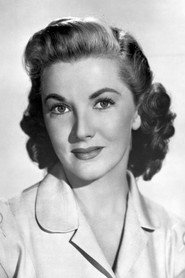 Phyllis CoatesRita Carville
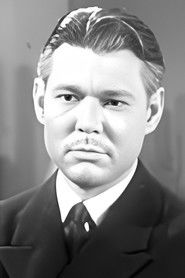 Don C. HarveyOtis Green
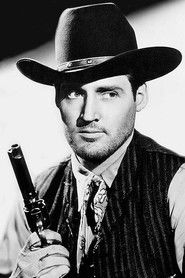 Marshall ReedGale Lynch
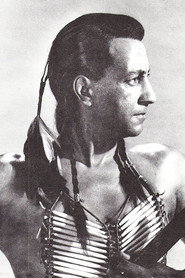 Rodd RedwingBear Tooth
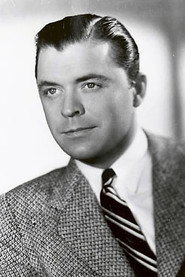 Lyle TalbotInspector Wheeler
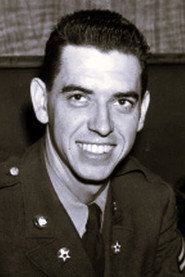 Tommy FarrellConstable Arch Perry - Ch's 1-2
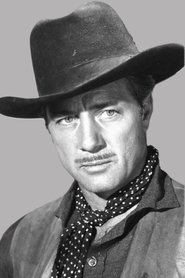 Terry FrostWildfoot
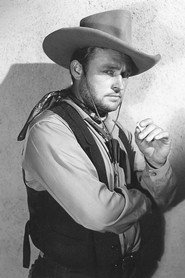 Lee RobertsArnold Reed - Ch's 1-2
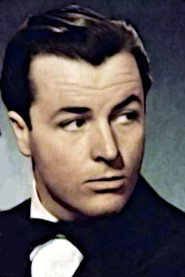 Joseph AllenFletcher Stone
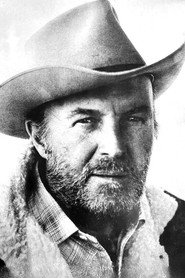 Gregg BartonHank Bridger
Directing
- Charles S. GouldDirector
- Spencer Gordon BennetDirector
Writing
- Arthur HoerlScreenplay
- George H. PlymptonScreenplay
- Royal K. ColeScreenplay
- Arthur HoerlStory
- George H. PlymptonStory
- Royal K. ColeStory