
Television series
Irwin Allen's Lost in Space
Lost in Space is a family adventure serial that treats the Robinson family's crash-landing in the cosmos as ongoing misadventure rather than existential threat. It's earnest, colorful, and pleasingly weird—a show that takes its science seriously enough to make the fantasy stick, but never so seriously it forgets to have fun. Perfect for anyone who loves ensemble charm and practical-effects ingenuity.
Should you watch it?
Watch it if you have a soft spot for episodic 1960s adventure, where a stranded family hops from one strange planet to the next and the villain is more fun than the monsters.
Skip it if you want serialized plotting or modern pacing; each week resets the situation, and the campy effects and earnest dialogue can feel dated to newer viewers.
What it asks of you: Sixty-minute episodes with one self-contained problem apiece, so you can dip in anywhere; the mood is mostly light, with the peril kept mild and the tone brisk rather than brooding.
Not sure? Find tonight's pick in a minute.
If you liked this
The Twilight Zone1959
Anthology structure lets you sample different tones and sci-fi concepts without committing to a season. Every episode is self-contained, so you can dip in whenever. Sharp writing that trusts the audience.
But Some episodes feel dated in their social messaging, and the quality varies wildly. A few are genuinely slow-paced by modern standards.

Star Trek1966
Shares Lost in Space's earnest optimism and practical model work, but with more philosophical weight. The ensemble crew dynamic and episodic planet-hopping are virtually identical in structure—just with sharper dialogue and higher stakes.
But Some episodes are campy in ways that feel accidental rather than charming. The gender politics are of their era, which can feel uncomfortable now.
The Time Tunnel1966
Also Irwin Allen, also about being lost and trying to get home. Two scientists bounce through history in a spirit of pure adventure serial fun. Slightly more grounded than Lost in Space but same DNA—great chemistry between leads.
But Gets repetitive fast. The 'get trapped, escape, fall through time again' formula wears thin when you're watching multiple episodes in a row.
Not sure tonight? Get a pick in a minute, starting from Irwin Allen's Lost in Space
The wildcard
Something you would not have found on your own.
The Outer Limits1963
Both are weekly adventure serials built from practical effects, but Outer Limits trades Lost in Space's warmth for a more sinister, scientific approach to the same 1960s sci-fi playground.
Same era, same anthology structure as Twilight Zone, but *science fiction only*—which means it commits to weird concepts rather than twist endings. The practical creature effects are incredible. Episodes like 'The Invisible Man' and 'Corpus Earthling' are genuinely unsettling.
But The acting is uneven and some episodes drag. The 'Control Voice' narration is heavy-handed, and you'll spend time on clunkers to get to the gems.
More like this (8)
Irwin Allen's Voyage to the Bottom of the Sea1964
Another Allen production with the same ensemble warmth and colorful sets. Giant submarine, international crew, weekly crises that somehow all resolve. Pure comfort-watch adventure that doesn't require you to think too hard.
But The plotting is genuinely thin. Episodes blur together, and there's only so much you can do with a submarine setting before the novelty fades.
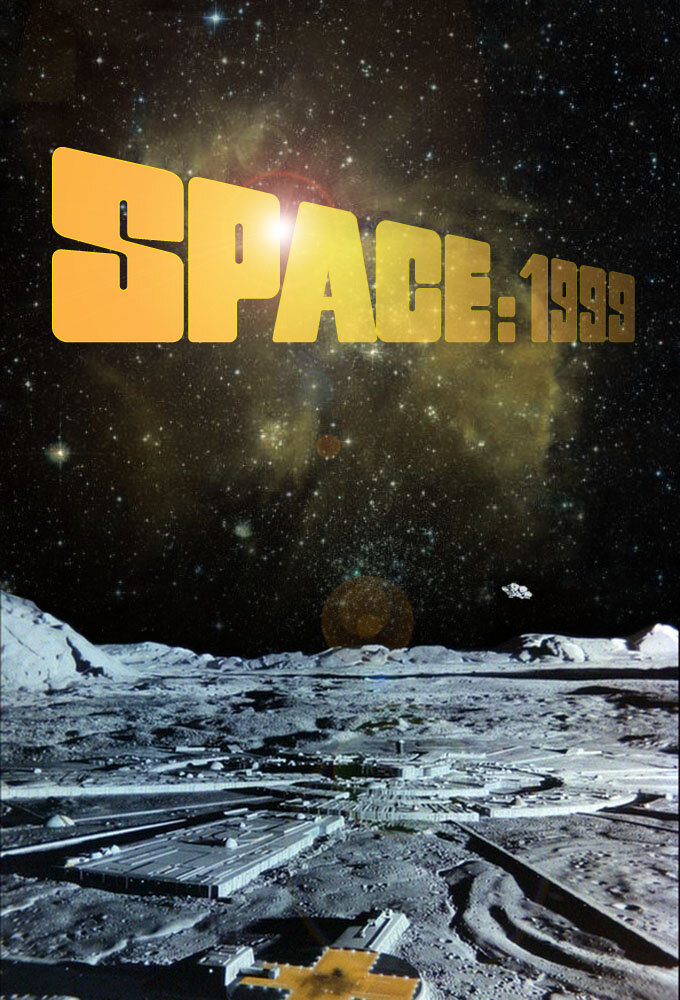
Space: 19991975
Takes the stranded-in-space premise seriously in ways Lost in Space never did. The Moon breaks free and drifts through the galaxy; the tone is somber and the stakes feel real. If you loved the *concept* of being lost, this is that concept grown up.
But It's slow, sometimes ponderous, and the special effects, while ambitious, look extremely dated. Not the fun romp Lost in Space is.
Barbarella1968
Same 1960s pop-art sensibility, same unironic embrace of campy production design. It's bright, colorful, gloriously absurd space adventure that knows exactly what it is and leans into it hard. Pure visual joy.
But The plot is paper-thin and the dialogue is occasionally unintentionally awkward. Some find the campy tone exhausting rather than charming.

Planet of the Apes1968
Shares Lost in Space's practical-effects ingenuity and that era's willingness to strand characters in an alien world. Great ensemble cast, higher stakes, and genuinely thoughtful social commentary hiding beneath the adventure.
But It's considerably darker and more violent than Lost in Space. If you want the optimism and warmth, this will feel like a downer.

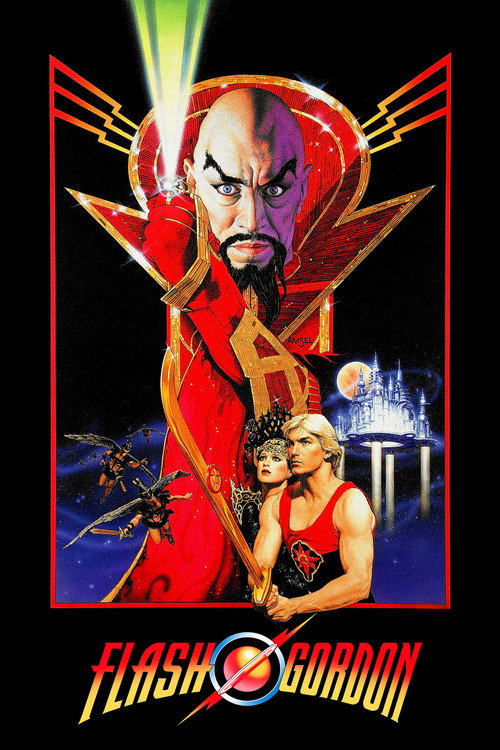
Flash Gordon1980
A loving, campy homage to 1930s serials that Lost in Space itself drew from. Gorgeous production design, fun action, and a score so enthusiastic it threatens to escape the theater. Adventure that doesn't take itself seriously.
But The earnestness is entirely ironic. If you want genuine charm rather than winking nostalgia, it might feel hollow.
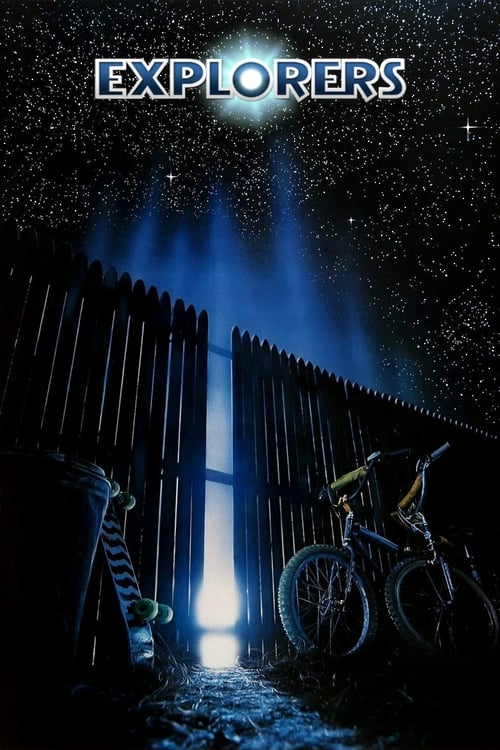
Explorers1985
A small, sweet film about kids building a spaceship from junkyard parts. It has Lost in Space's sense of wonder and DIY ingenuity, plus real heart. More intimate, but same spirit of adventure-from-adversity.
But It's quite dated and the second half loses momentum. Some find it overly sentimental, and the resolution is unconventional enough to frustrate.
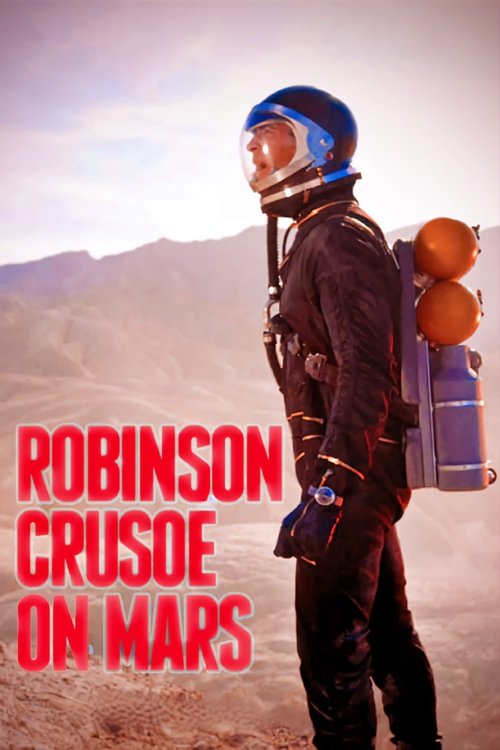
Robinson Crusoe on Mars1964
Both explore what it means to survive isolation on another world, but this film takes the scenario as tragedy while Lost in Space takes it as comedy—they're the same story told in completely different registers.
A serious, surprisingly realistic film about survival on Mars—same last-name protagonist, same stranded-in-space premise, but shot like a hard sci-fi thriller. The minimal cast and isolated setting create genuine tension. Visually stunning.
But It's slow, talky, and utterly humorless. If you watch Lost in Space for the family warmth and adventure, this will feel like the opposite of fun.
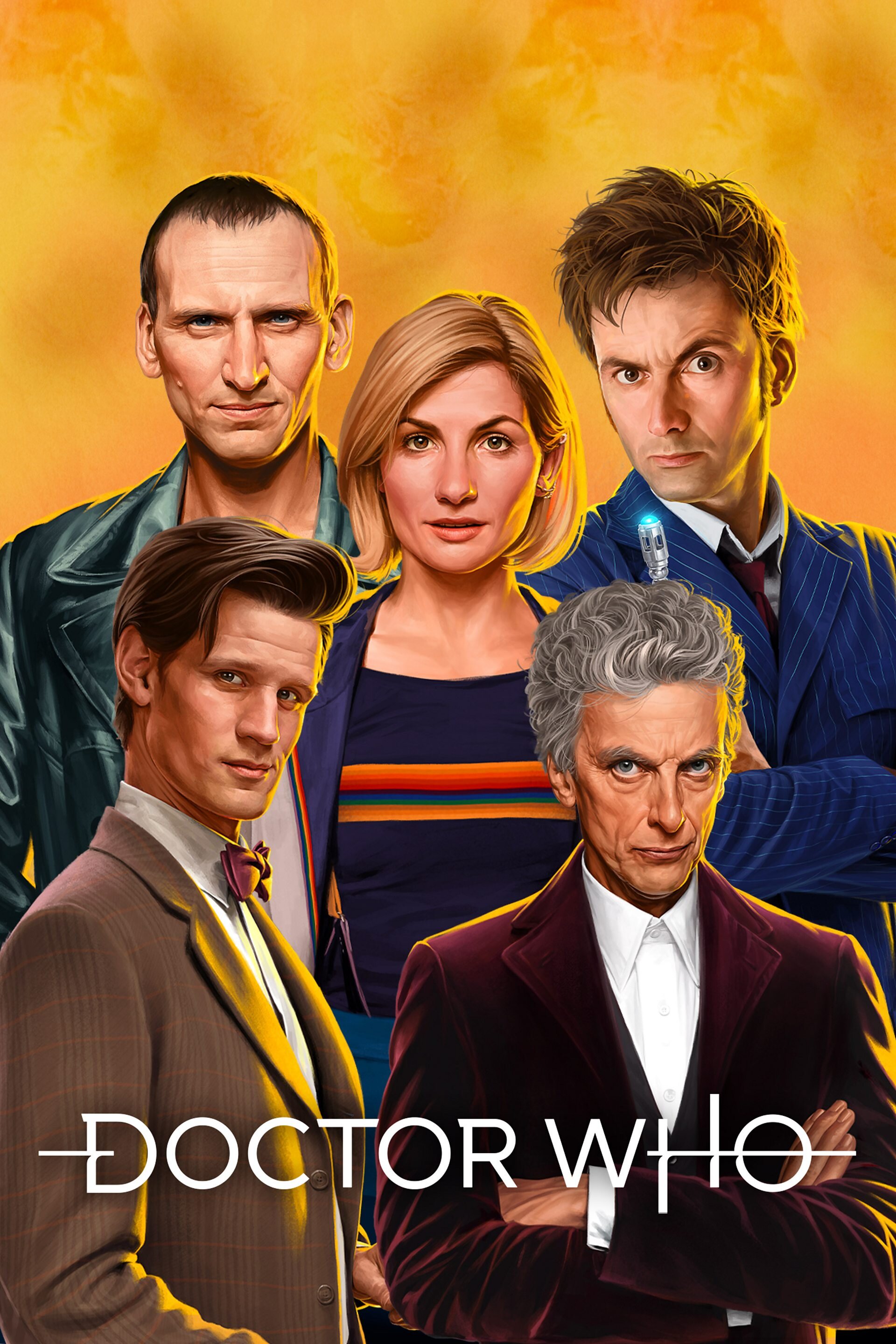
Doctor Who2005
Both are about a makeshift family trapped in a machine that's supposed to do one thing but does another, searching for home while the universe keeps getting in the way—but Doctor Who leans into the weird and melancholic where Lost in Space leans into the cozy and optimistic.
A time-traveling refugee and their two young companions trapped aboard a malfunctioning ship that randomly jumps through time and space. Same ensemble structure as Lost in Space, same practical-effects charm, same 'make it work with whatever you have' ethos—but British, stranger, and genuinely inventive.
But The early episodes have brutally slow pacing and some are genuinely dull. The production values are rougher than Lost in Space. You have to cherry-pick good serials rather than binge comfortably.
People
Cast




 Dick TufeldNarrator



Directing
- Bill FarallaAssistant Director
- Dave SilverAssistant Director
- Gil MandelikAssistant Director
- James M. Walters Jr.Assistant Director
- Joseph LenziAssistant Director
- Pepi LenziAssistant Director
- William Dario FarallaAssistant Director
Writing
- Irwin AllenCreator
- Anthony WilsonStory Editor
Production
- Jerry BriskinAssociate Producer
- William Dario FarallaAssociate Producer
- Guy Della CioppaExecutive Producer
- Irwin AllenProducer