
Television series
Mahabharat
Other titles called Mahabharat: the 1988 series (DD National).
A sprawling 2013 Indian television epic retelling the Mahabharata, India's foundational mythology. Over 267 episodes, it dramatises dynastic conflict, moral ambiguity, and the legendary Kurukshetra war with elaborate sets, devotional reverence, and performances that anchor themselves in the text's emotional depths. For viewers seeking immersive mythological storytelling and those curious about how Indian television renders classical literature.
If you liked this
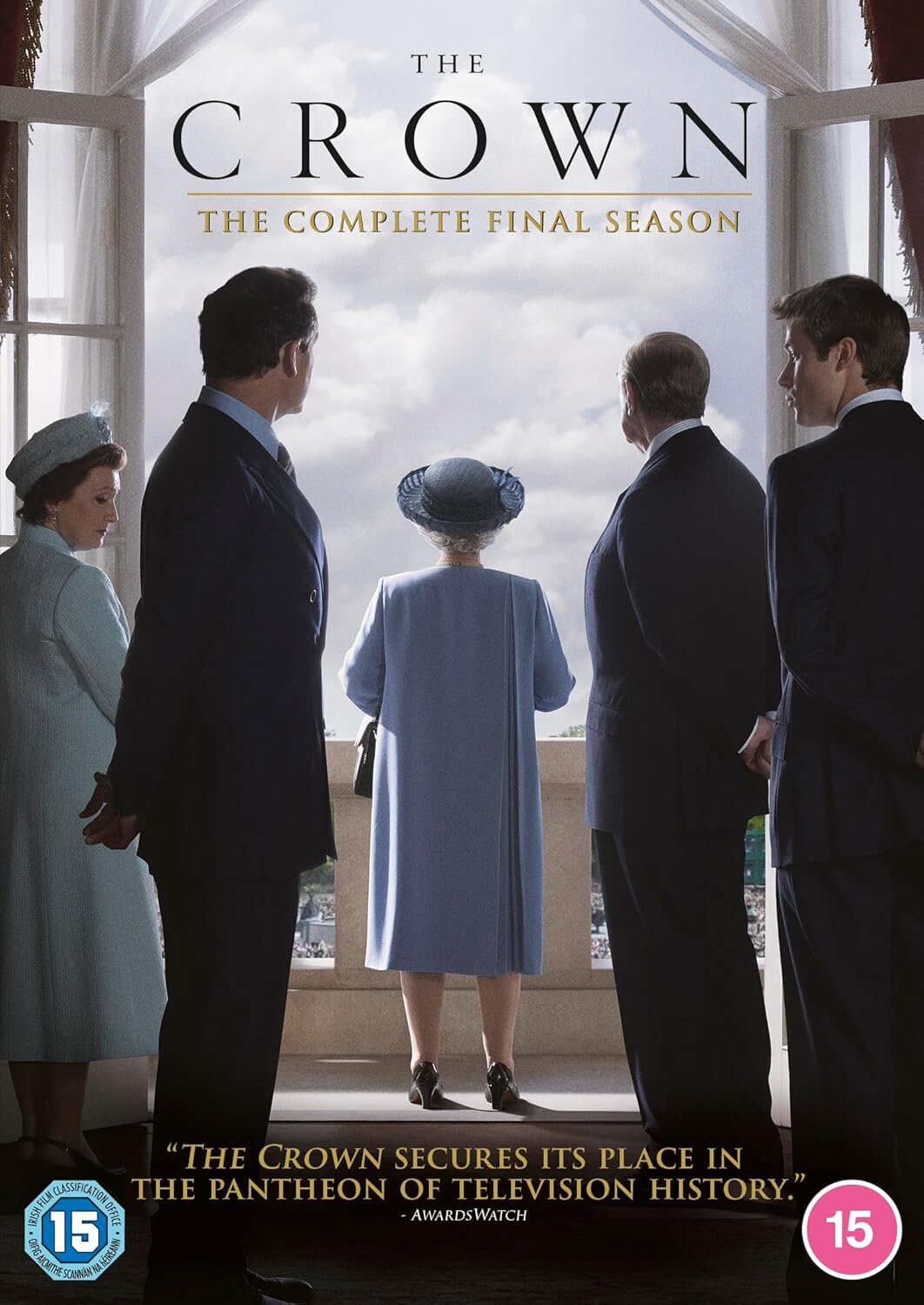
The Crown2016
Similarly constructed: a dynasty's internal mechanics over decades, throne succession as the engine, power plays between family members treated with seriousness. Both find drama in duty and competing claims.
But Crown obsesses over a real recent history; Mahabharat dwells in myth. Tone and texture are very different despite structural parallels.
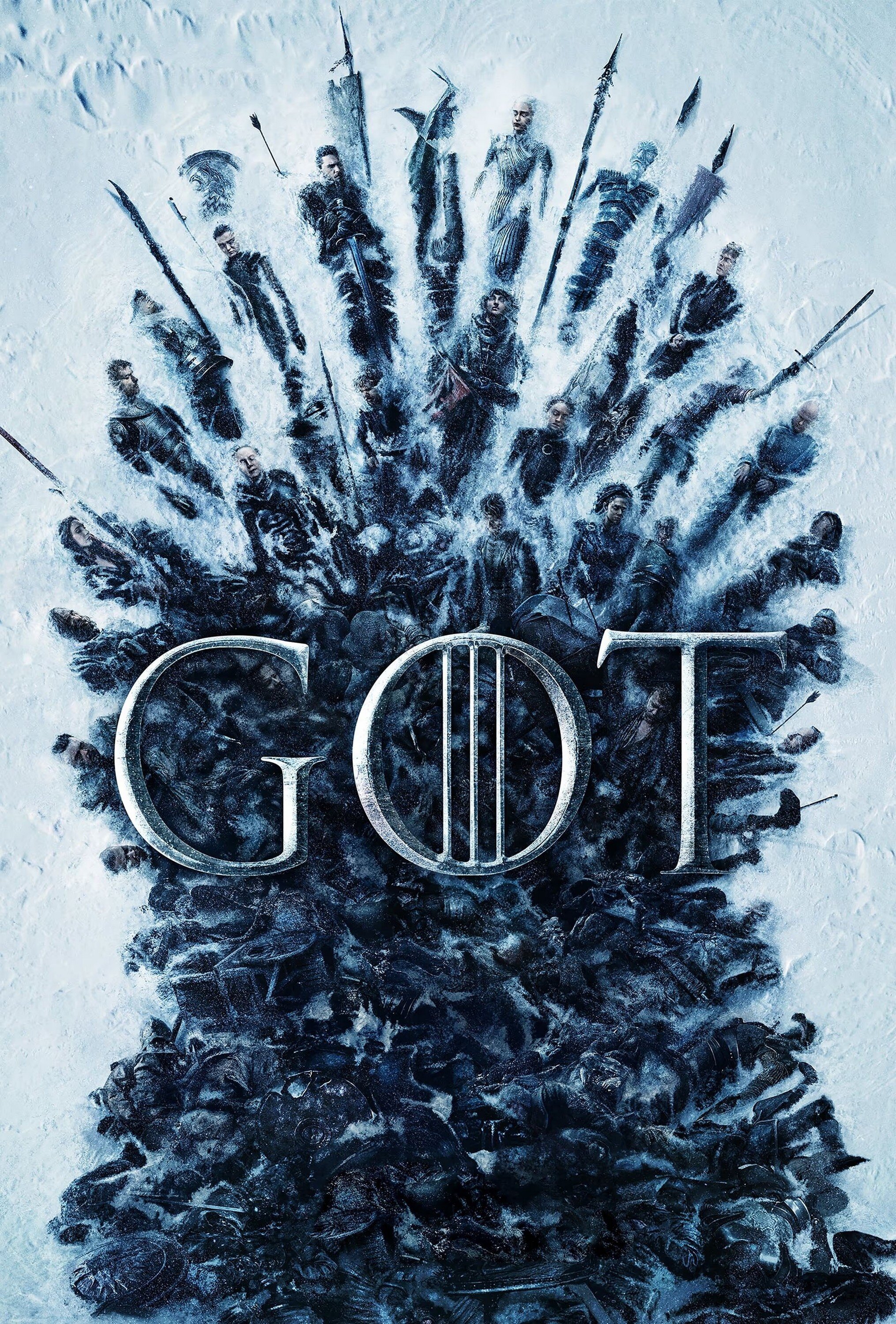
Game of Thrones2011
Two warring houses, complex family loyalties, a sprawling cast juggling ambition against kinship. It borrowed from epics like this one. The architecture is familiar even if the moral universe is inverted.
But GOT is cynical and violent for its own sake. Mahabharat's conflicts are rooted in duty and dharma, not simple greed. Watching backwards might disappoint.
Narcos2015
Another extended narrative about power, betrayal, and the cost of ambition. Builds character across seasons so their choices carry weight. Equally committed to complexity over simple villainy.
But Completely modern and drug-war focused; the spiritual and devotional dimensions that centre Mahabharat are entirely absent here.

Not sure tonight? Get a pick in a minute, starting from Mahabharat
The wildcard
Something you would not have found on your own.
A Prophet2009
Both trace moral compromise in systems where power determines survival. Both ask whether loyalty to a code matters when the code itself is corrupt. But one is myth; one is sociology.
A French crime drama about a young man learning to navigate loyalties, manipulation, and survival within an enclosed world's brutal hierarchy. Two hours of what Mahabharat explores across 267: how ambition and circumstance corrode integrity.
But Bleak modern realism set in a prison. No mythology, no devotion, no spectacle. Will feel abrasive after Mahabharat's narrative generosity.

More like this (6)
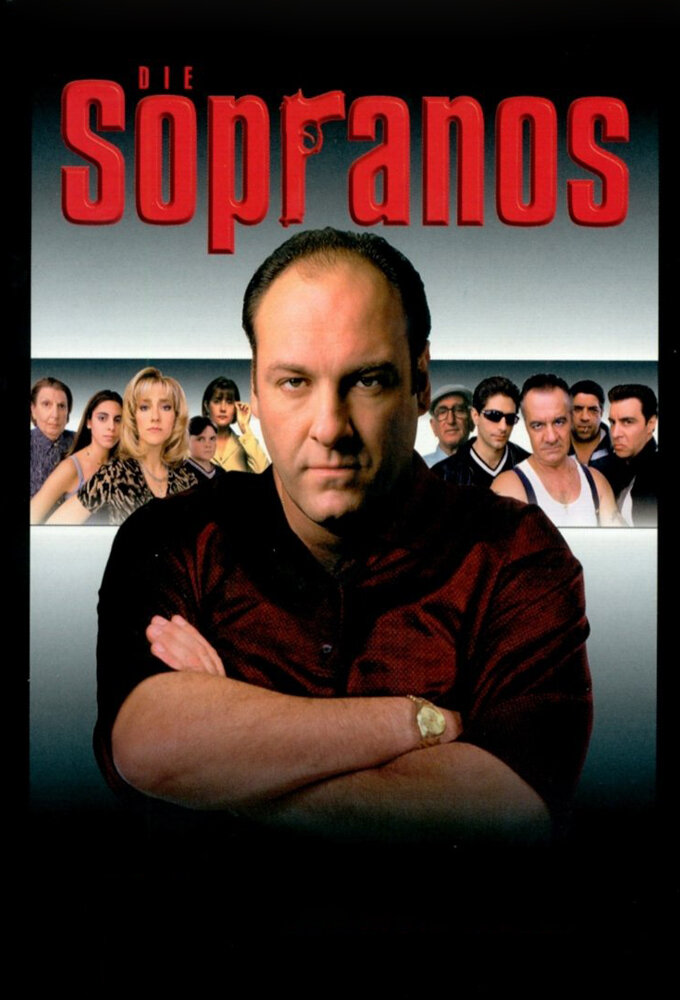
The Sopranos1999
A family at war with itself, split between loyalty and self-interest. That tension—what you owe to blood versus what you owe to conscience—is central to both.
But Suburban New Jersey crime drama versus mythic dynasty. Tonal mismatch. The Sopranos is intimate; Mahabharat is grand.
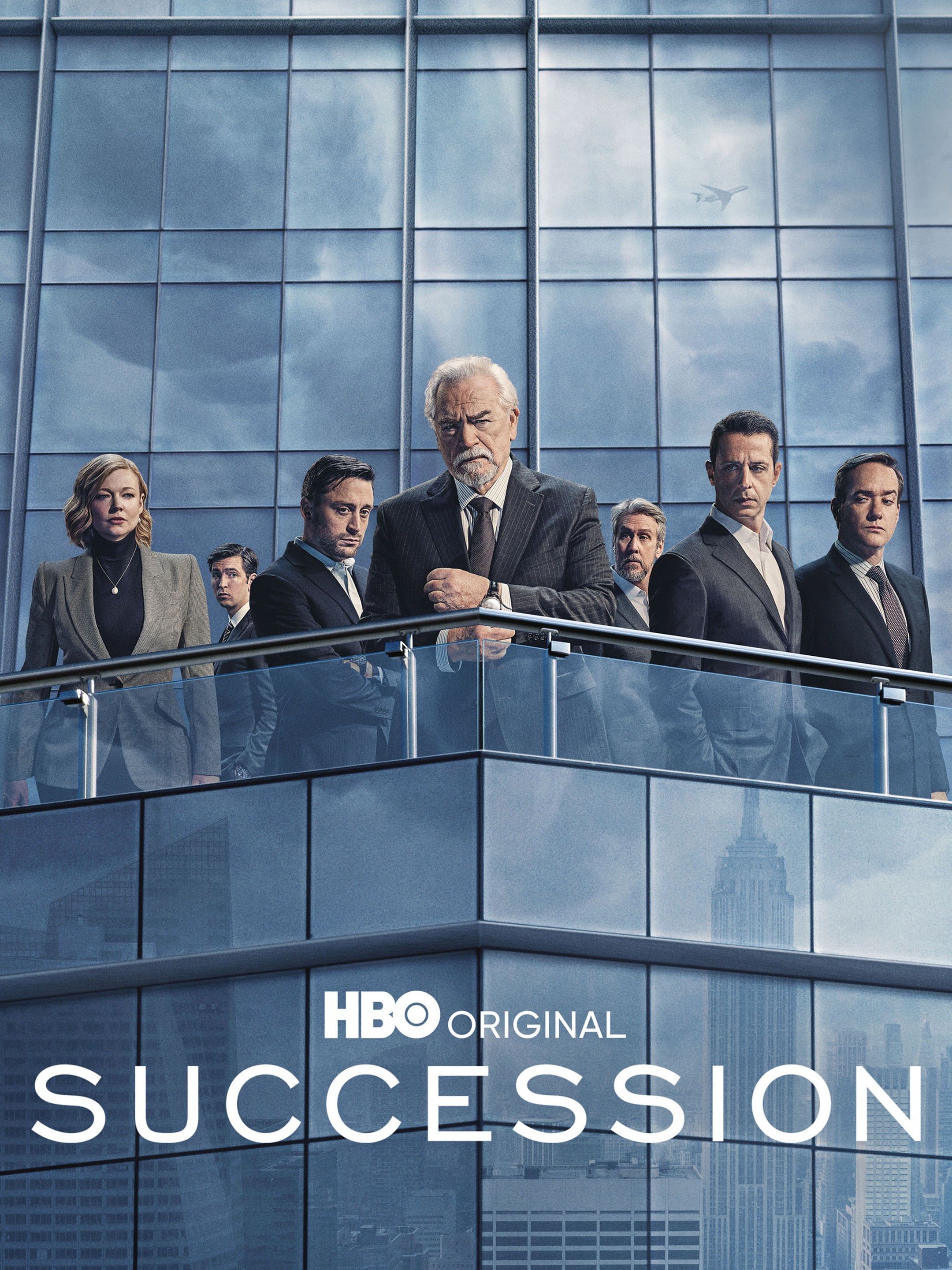
Succession2018
Four hundred episodes cannot contain the complications of who should inherit power. Like Mahabharat, it finds endless dramatic texture in succession disputes and family fracture.
But Deeply cynical about every character. Mahabharat maintains moral seriousness about duty even when characters fail it.
Vikings2013
Epic historical drama released the same year, tracking generational conflict, ritual, and the weight of decisions that ripple through families. Treats violence and honour with equal gravity.
But Norse pagan register is worlds away from Hindu devotional framing. And it leans harder into spectacle than reflection.
True Detective2014
Season one especially: two men bound by a case and their own nature, exploring fate, duty, and moral compromise. Lean and electric where Mahabharat is expansive, but the questions overlap.
But Completely different scale and pace. True Detective is tense; Mahabharat is immersive and slow. Very different experiences.
Godless2017
A miniseries about competing moral codes and community survival. Treats philosophical questions seriously without needing to resolve them. Strong ensemble work.
But Much shorter and narrower in scope. Western frontier town versus ancient dynasty. Unlikely to scratch the same itch for expansive mythology.
Ran1985
Both are adaptations of earlier texts exploring how succession disputes destroy families and kingdoms. Both find grandeur in catastrophe. Ran compresses; Mahabharat sprawls. Same questions, inverted scale.
Kurosawa's adaptation of King Lear as Japanese warlord tragedy. Over three hours, it unfolds dynastic collapse, generational conflict, and the ruins left when powerful men fail their duties. Visually operatic, emotionally devastating.
But Extremely long, deliberately paced, built on Shakespearean plot (which means you know the shape). Demands active viewing. Older film technology and aesthetic may feel distant.
People
Cast





Writing
- Siddharth Kumar TewaryCreator
- Siddharth Kumar TewaryStory Editor