
Film
Taj Mahal
A lavish 1963 Hindi drama about love, duty, and immortal devotion. Shah Jahan and Mumtaz Mahal's romance unfolds against Mughal palace intrigue, leading to history's most famous monument. Gorgeously staged with music and spectacle, it's equal parts romance and political tragedy. For anyone who loves epic period drama and melodrama that doesn't apologize for its emotions.
If you liked this
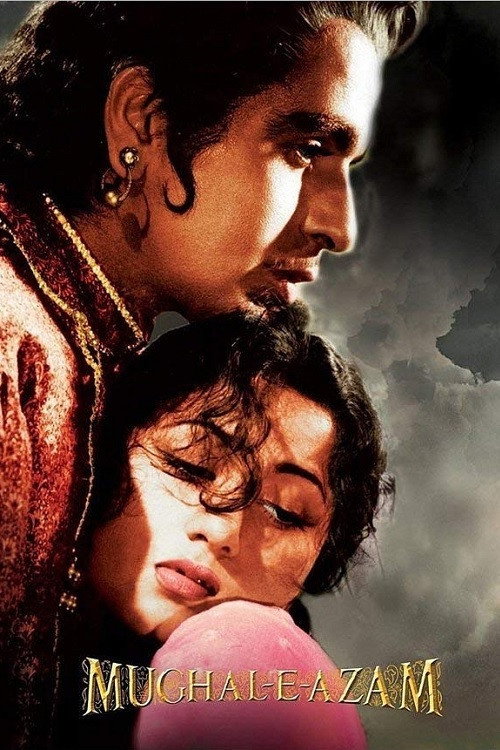
Mughal-e-Azam1960
The definitive Mughal romance: Akbar and Jodha's love story told with even grander sets, more famous songs, and a three-hour intensity that redefined Hindi cinema's visual ambition.
But Deeply melodramatic, with stilted modern dubbing over the original performances. The emotional register is pitched so high it can feel overwrought.
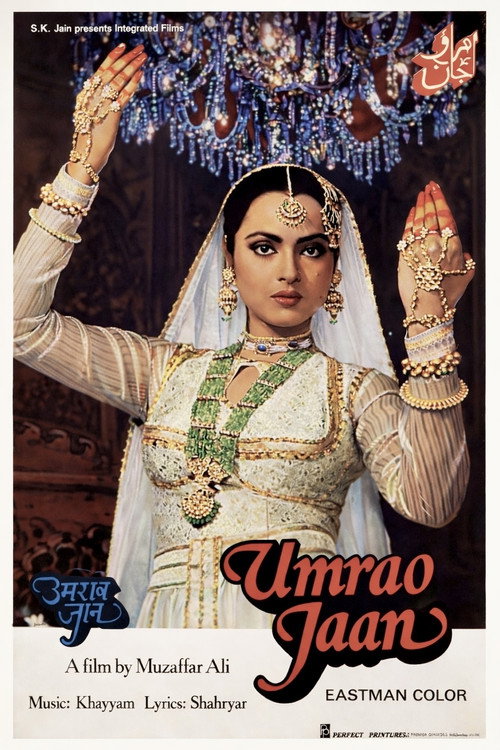
Umrao Jaan1981
Rekha as a courtesan navigating power, desire, and survival in Lucknow. Like Taj Mahal, it's a woman's fate intertwined with history, but told with nuance and sorrow rather than triumph.
But Slower paced and melancholic rather than sweeping. The tragedy is intimate, not monumental, which some find less satisfying.
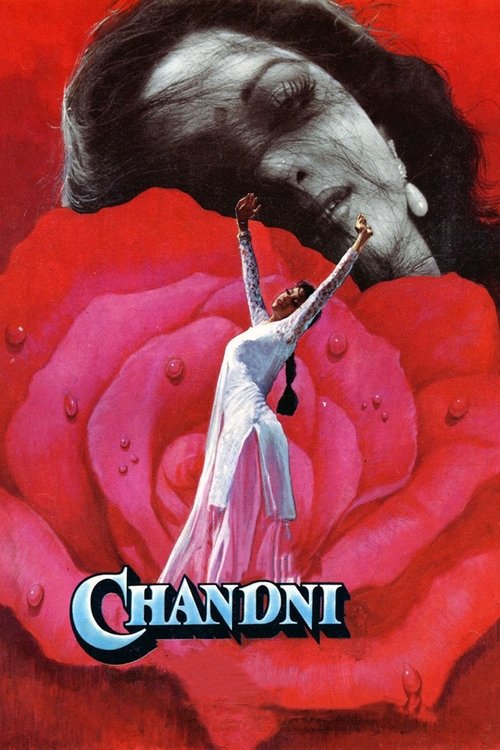
Chandni1989
If you loved the romance and spectacle of Taj Mahal, this 80s phenomenon delivers swooning devotion, elaborate musical sequences, and a love story that feels genuinely epic in scale.
But The gender politics are dated even by 1989 standards. Sridevi's character exists almost entirely to be adored; there's little agency or depth.
Not sure tonight? Get a pick in a minute, starting from Taj Mahal
The wildcard
Something you would not have found on your own.
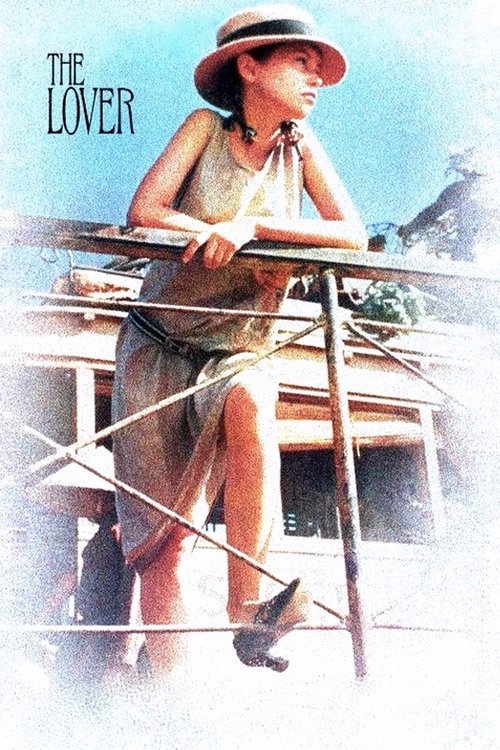
The Lover1992
Both films are built on the idea that a love story *is* a political story—that personal devotion and historical consequence are the same thing. But they tell it in entirely different registers.
A French-Vietnamese co-production about a colonial-era romance in Indochina. Like Taj Mahal, it's built on the collision of desire and politics, but told with sensuality and restraint rather than spectacle. Visually stunning.
But Sexually explicit in ways 1963 Hindi cinema could never be. The power dynamics are troubling, and the film doesn't critique them as clearly as it should.
More like this (7)
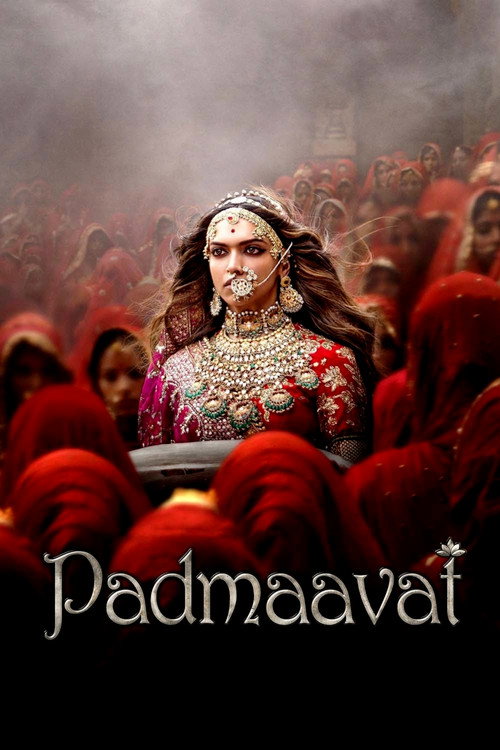
Padmaavat2018
A Mughal-era epic about a queen, a sultan, and the collision of desire with duty and honor. The production design rivals any period drama ever made; it's visually intoxicating.
But Deeply controversial in its telling. Some sequences border on exploitative, and the historical liberties are so vast they obscure what actually happened.
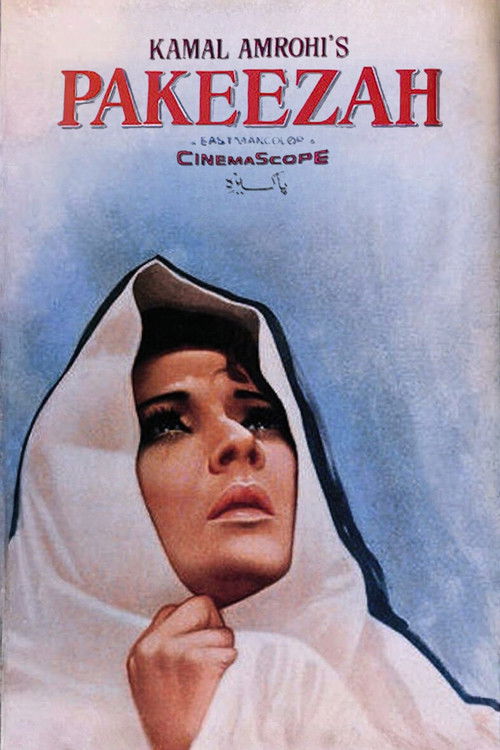
Pakeezah1972
A courtesan and a nobleman: the same tension between love and social hierarchy as Taj Mahal, but told as intimate tragedy rather than imperial spectacle. Meena Kumari's performance is heartbreaking.
But The pacing is glacial by modern standards. Long stretches of beauty and music with minimal plot movement will test your patience.
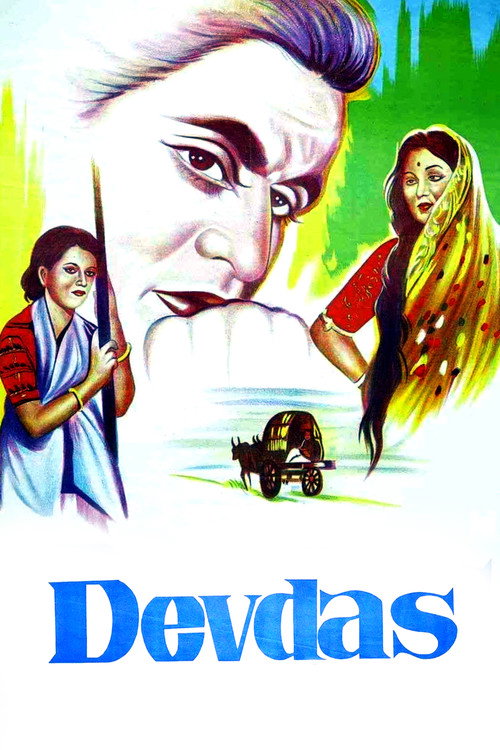
Devdas1955
Sanjay Leela Bhansali's 2002 version is more famous, but this 1955 original has the same doomed romance and music-soaked atmosphere, with a rawer, less polished beauty.
But The print quality can be rough, and the emotional repetition becomes exhausting by the end. Devdas's self-destruction is the point, but it's relentless.
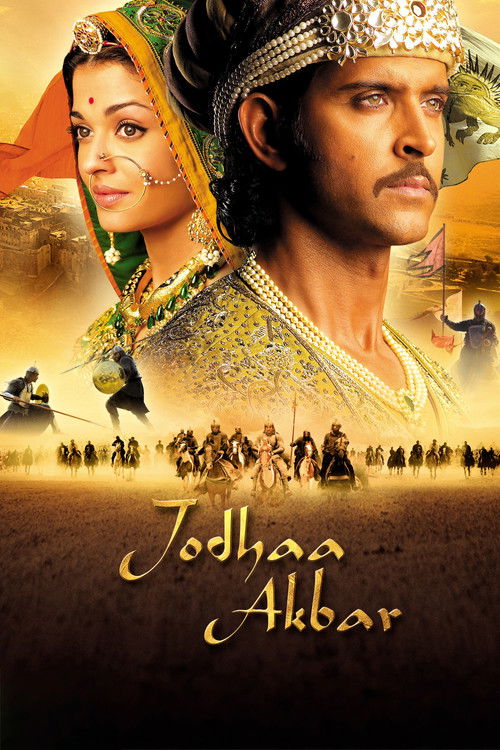
Jodhaa Akbar2008
A Mughal romance built on political alliance that becomes genuine love. Lavishly made, with strong performances from Hrithik Roshan and Aishwarya Rai, and battles as well as ballrooms.
But Loosely historical at best, and the romantic resolution feels artificially neat given the film's own setup about duty and empire.
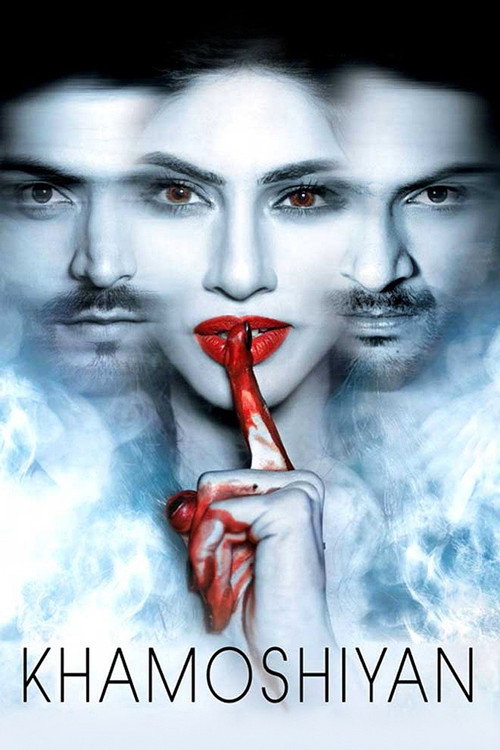
Khamoshiyan2015
A contemporary take on forbidden love and obsession. If you respond to Taj Mahal's emotional intensity, this explores similar themes of desire so overwhelming it consumes everything around it.
But The thriller elements are predictable, and the modern setting means you lose the visual spectacle that makes period drama so easy to love.
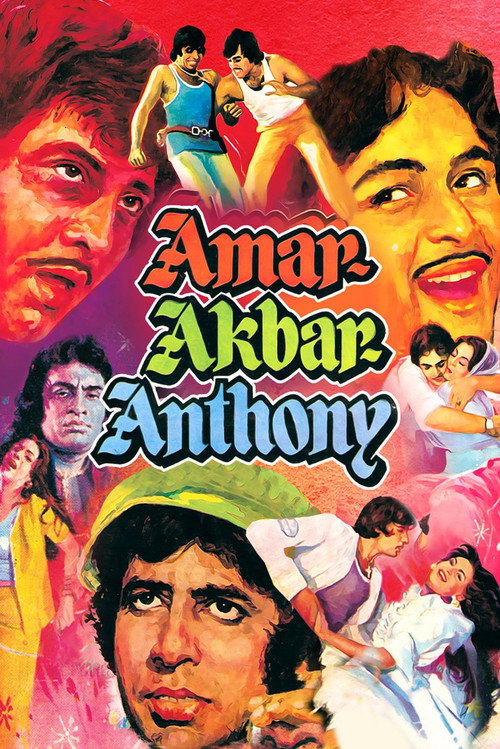
Amar Akbar Anthony1977
Both are Hindi cinema at its most unapologetic—stories where emotion matters more than logic, where history or fate or coincidence are acceptable plot devices. Both trust spectacle and feeling over restraint.
Utterly unhinged masala epic where three brothers (Hindu, Muslim, Christian) raised separately reunite. If you loved Taj Mahal's blend of history, romance, spectacle, and melodrama, this takes the same DNA and scrambles it into glorious chaos.
But Almost three hours of plot twists, coincidences, and emotional whiplash. It's less a narrative than a collection of set pieces held together by goodwill and music.
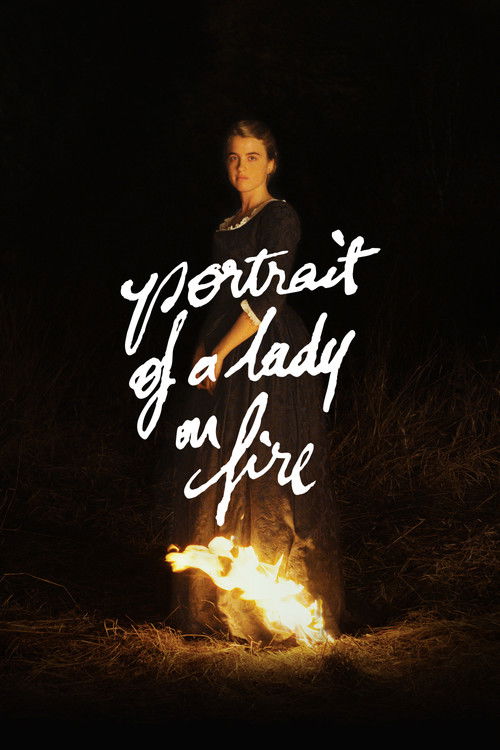
Portrait of a Lady on Fire2019
The inverse of Taj Mahal: where Shah Jahan builds a monument to Mumtaz Mahal, this film argues that the only true monument is letting go. Both are about love as the most important thing in the world, but they answer differently what that obligation means.
A painter and her subject in 18th-century Brittany. A quiet, exquisite film about desire and devotion where the Taj Mahal—the monument to possession—becomes a conversation about what it means to love someone you cannot keep.
But Minimalist where Taj Mahal is maximalist. Slow, dialogue-light, and the emotional climax is a woman walking away. If you need external spectacle to feel moved, this won't deliver.
People
Cast
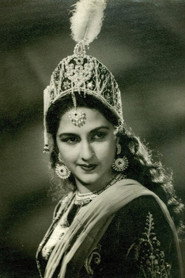 Bina RaiArjuman Banu / Mumtaz Mahal
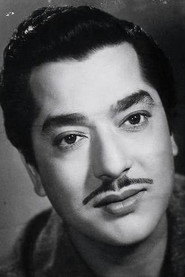 Pradeep KumarShehzada Khurram / Shah Jehan
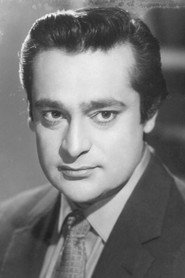 RehmanJahangir
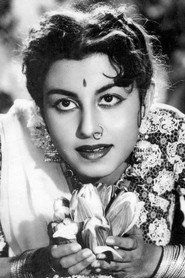 Jabeen JalilLadli Banoo
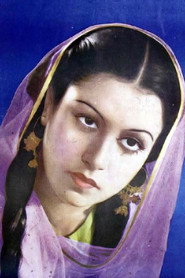 VeenaEmpress Nur Jahan
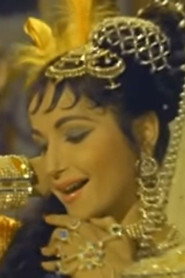
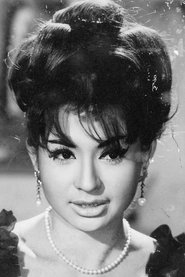 HelenTawaif/ Court Dancer
Directing
- M. SadiqDirector
Writing
- Tabish SultanpuriDialogue
- Qamar JalalabadiStory