
Film
Lootera
A heist wrapped in a love story, set across rural Bengal. Lootera moves at a hushed, deliberate pace—more concerned with glances and silences than exposition. It's visually lush and emotionally measured, for viewers who want romance to feel earned, who don't mind a slow burn, and who like their sentiment genuine rather than manipulative.
Should you watch it?
Watch it if you love slow-burn period romances built on glances, faded landscapes and a quiet, aching melancholy, where the mood matters more than the plot.
Skip it if you want brisk storytelling or a clear romantic arc, since it lingers over silences and often drifts, and its 136 minutes can feel long when the mood sags.
What it asks of you: It runs a leisurely 136 minutes, unhurried and wistful, and asks you to settle into its tempo and read faces rather than dialogue.
Not sure? Find tonight's pick in a minute.
If you liked this
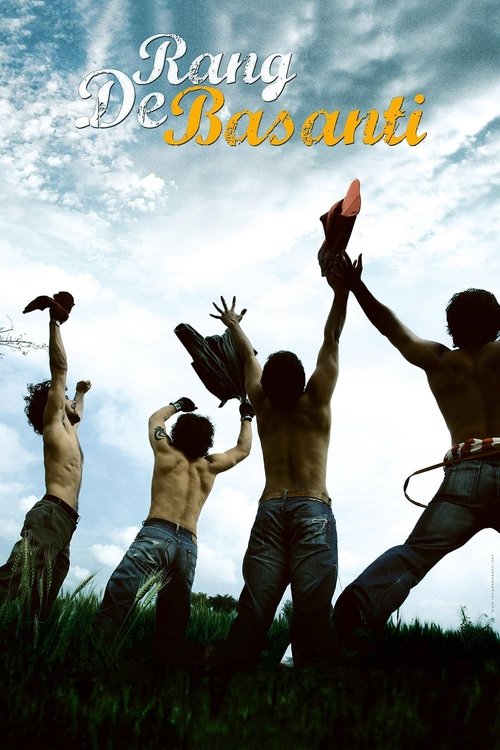
Rang De Basanti2006
A sweeping tale of idealism and betrayal with a similar emotional architecture. Aamir Khan's intensity mirrors Ranveer's here, and both films trust their audience to feel the weight of consequence without spelling it out.
But The patriotic element feels dated now, and the tonal shift midway—from comedy to something darker—still divides viewers on whether it earns its turn.
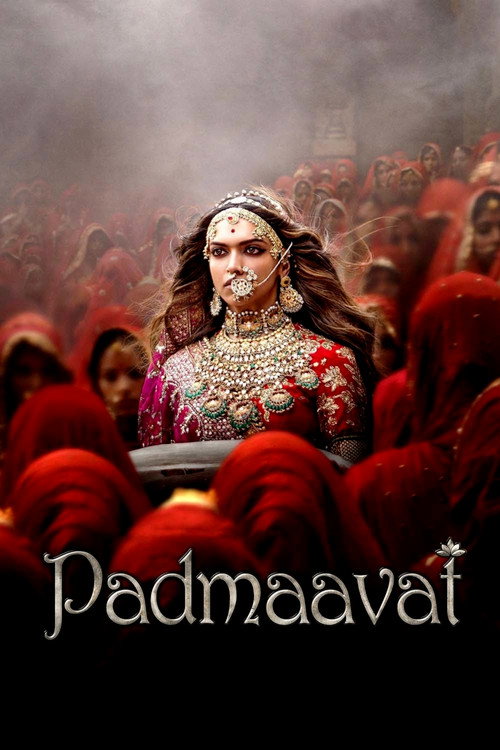
Padmaavat2018
Deepika Padukone and Ranveer Singh reteam with extraordinary production design and a similar tragic grandeur. Sanjay Leela Bhansali's visual language here echoes Lootera's painterly approach to landscape and longing.
But It's a three-and-a-half-hour commitment with a predetermined ending, and the film's gender politics are complicated in ways that may frustrate you.
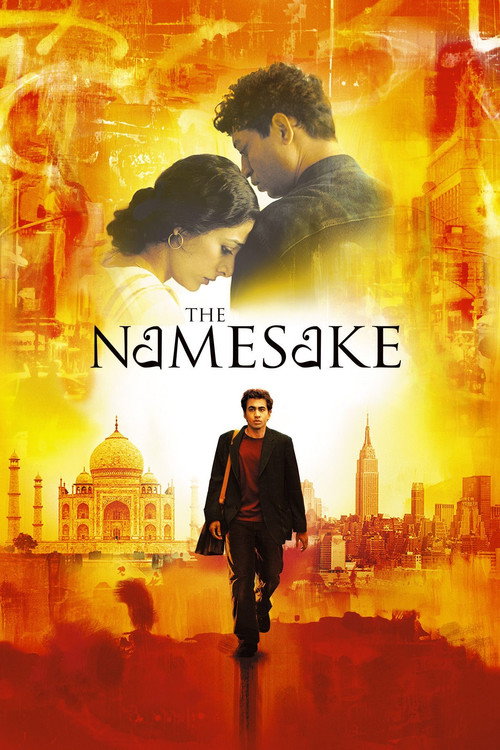
The Namesake2006
Mira Nair's direction finds quiet intimacy in displaced love and cultural collision. Like Lootera, it privileges mood and small gestures over plot momentum, and both examine what gets lost when worlds collide.
But It's structurally slow and almost entirely interior. If you need narrative propulsion, you'll feel it dragging.
Not sure tonight? Get a pick in a minute, starting from Lootera
The wildcard
Something you would not have found on your own.
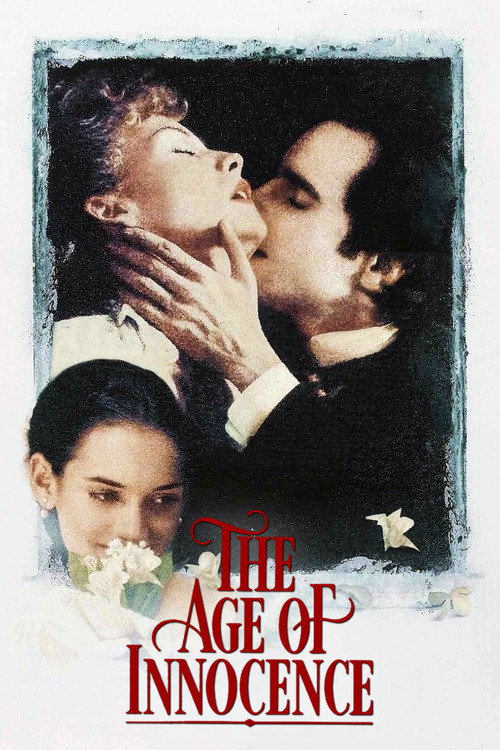
The Age of Innocence1993
Both use extreme formal beauty and meticulous production design to tell stories about love destroyed not by passion but by social architecture.
Martin Scorsese's adaptation of Edith Wharton tracks impossible love across class and geography with the same tragic inevitability. Daniel Day-Lewis carries the same wounded restraint Ranveer brings here; both films use visual opulence to frame emotional constraint.
But It's a 1950s Manhattan drawing-room drama adapted from 1870s literature—glacially paced, deeply interior, and requires engagement with a world of social codes that never explicitly explains itself.
More like this (8)
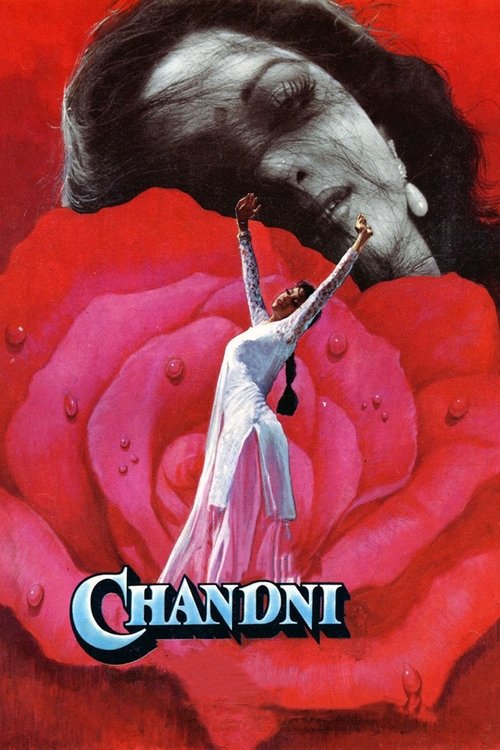
Chandni1989
The DNA of Lootera runs through this Yash Chopra classic—romance as yearning, landscape as character, wealth and class as an insurmountable gulf. Ranveer's role echoes Rishi Kapoor's doomed earnestness.
But The film is of its era; the emotional register will feel heightened or even camp if you're not attuned to 1980s Hindi cinema convention.
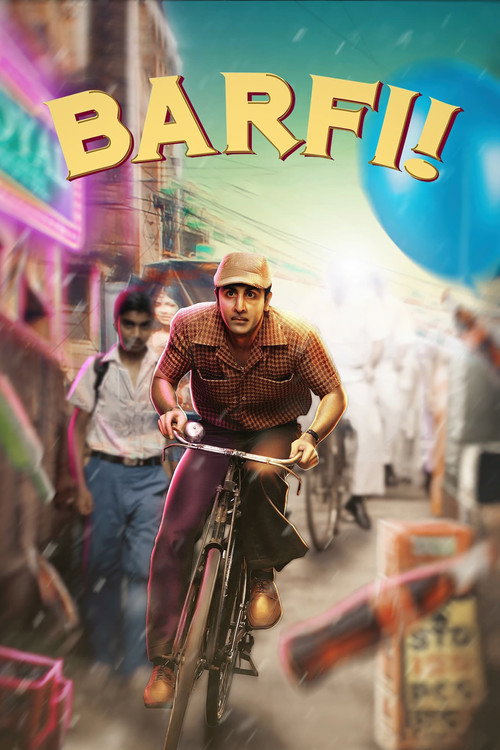
Barfi!2012
Released the year before Lootera, this Anurag Basu film shares a sensibility: romance without dialogue-heavy declaration, visual storytelling, and a melancholy that doesn't apologize for itself. Ranbir Kapoor's performance is similarly restrained.
But The quirky tone and the mute protagonist may feel too cutesy or manufactured. Some find the whimsy cloying.
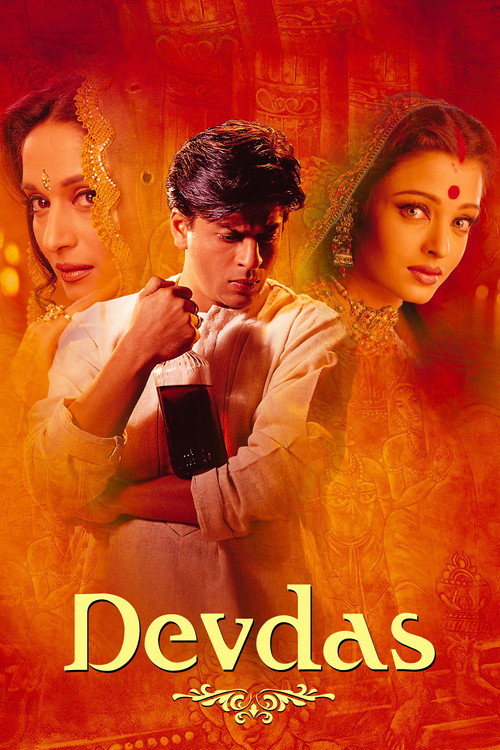
Devdas2002
Sanjay Leela Bhansali's baroque adaptation of Shunyam Chatterjee's novel carries similar themes of impossible love and self-destruction through beauty and excess. Shah Rukh Khan's performance is its own kind of masterclass in romantic anguish.
But It's nearly four hours, drenched in melodrama, and the film wants you to feel every second of its protagonist's wallowing. Patience required.
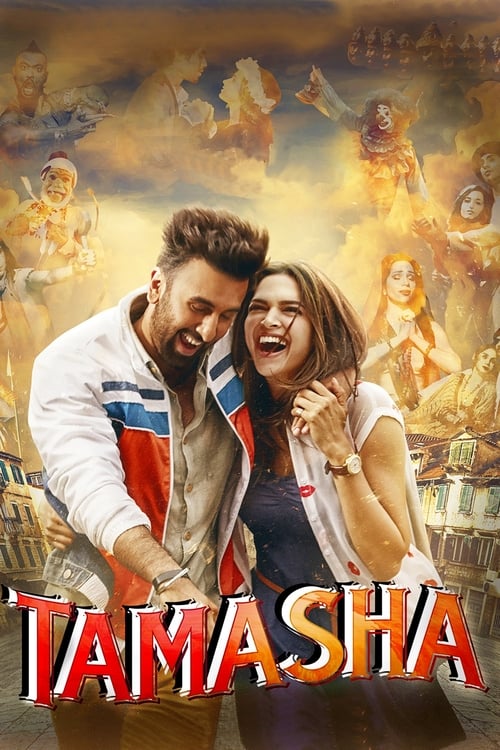
Tamasha2015
Imtiaz Ali's meditation on identity and love beneath performance. Like Lootera, it's concerned with what lies underneath surfaces—who we are when nobody's watching—and both films move with narrative understatement.
But The film is deliberately opaque about its own meaning, which some find profound and others find frustratingly vague. The ending splits audiences.
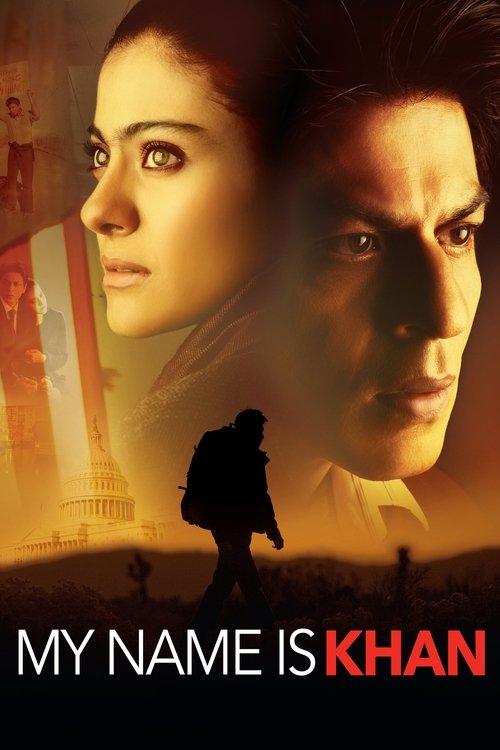
My Name Is Khan2010
Karan Johar directs a quieter, more introspective film than his usual work. Shah Rukh Khan and Kajol's restrained performances and the film's focus on inner life rather than spectacle align with Lootera's sensibility.
But The post-9/11 narrative framework feels dated, and the film's earnestness about integration can feel heavy-handed in retrospect.
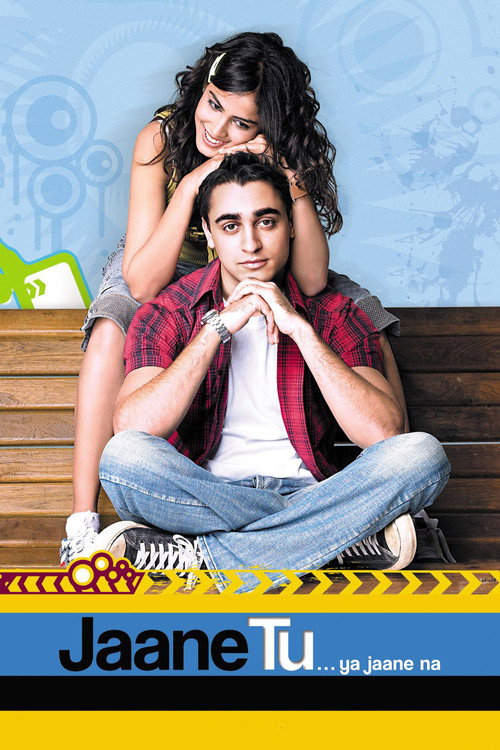
Jaane Tu... Ya Jaane Na2008
Abbas Tyrewala's debut is a love story that doesn't announce itself as one, with chemistry that builds through banter and proximity rather than grand gestures. The casual warmth here complements Lootera's more formal melancholy.
But It's a rom-com with the pacing of one; after Lootera's measured burn, the lightness might feel trivial or too knowingly cute.
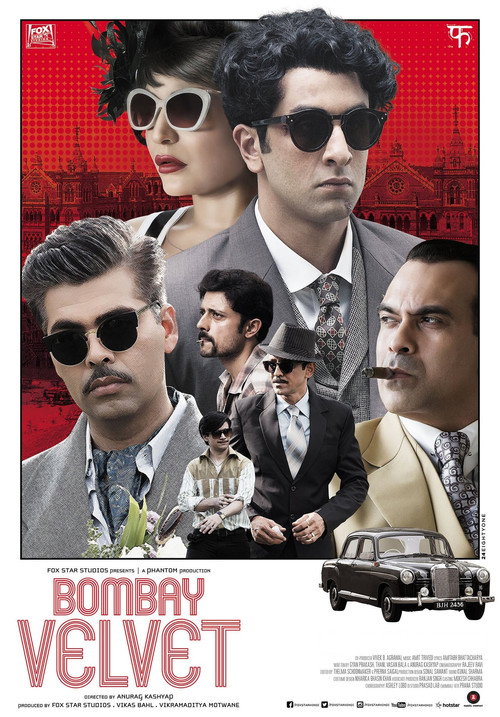
Bombay Velvet2015
Both are passion projects from Kashyap that prioritize atmosphere and visual language over coherence, and both end with their protagonists caught between desire and conscience.
Also directed by Anurag Kashyap (Lootera's director), this film swaps rural archaeology for 1960s noir Mumbai. It shares the same visual ambition, the same willingness to let mood trump plot clarity, and a similar romantic tragedy rooted in moral compromise.
But It's genuinely messy—narratively convoluted, tonally uncertain, and in places actively confusing. The film wants to be many things and doesn't always succeed.
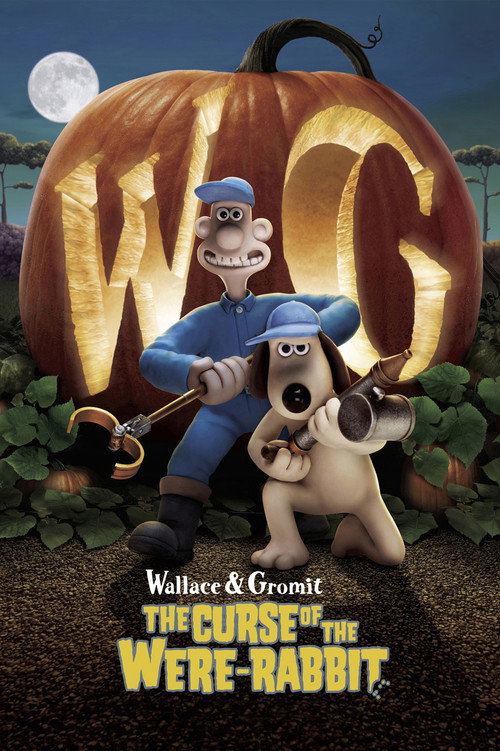
Wallace & Gromit: The Curse of the Were-Rabbit2005
Both trace the long, slow devastation of desire and loyalty. Yara asks what Lootera does: what does it cost to love someone when the world won't allow it?
An underrated gem about three men whose friendship and complicity span decades. It carries Lootera's patient examination of how love—romantic or platonic—corrodes when it collides with the world. Vikrant Massey (who plays Devdas opposite Ranveer) is central here.
But It received minimal distribution and feels deliberately obscure. The tonal mix of crime thriller and intimate drama doesn't always gel, and some will find the pacing glacial.
People
Cast
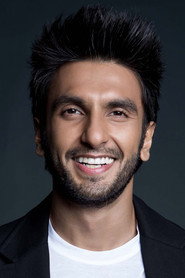 Ranveer SinghVarun Srivastav
 Sonakshi SinhaPakhi Roychoudhary
 Adil HussainK. N. Singh
 Vikrant MasseyDevdas
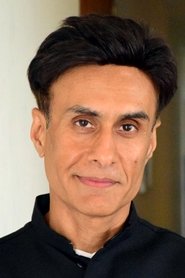 Arif ZakariaBajpai
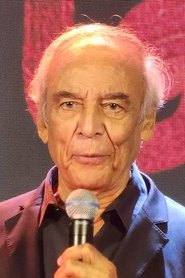 Barun ChandaZamindar Soumitra Roychowdhury
 Divya DuttaShyama
- Shirin GuhaDevyani
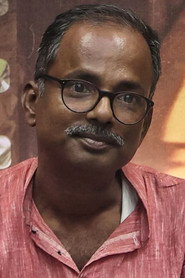
Directing
- Vikramaditya MotwaneDirector
Writing
- Anurag KashyapDialogue
- Bhavani IyerScreenplay
- Vikramaditya MotwaneScreenplay
- O. HenryShort Story
Production
- Atul MongiaCasting
- Dipa MotwaneExecutive Producer
- Ranjan SinghExecutive Producer
- Anurag KashyapProducer
- Ekta KapoorProducer
- Shobha KapoorProducer
- Tanuj GargProducer
- Vikas BahlProducer
- Kanishka MehtaProduction Manager
Recommended by
Dev.D, Raanjhanaa, Tamasha, Kai Po Che!, Fitoor, Rockstar, Kalank, Andaaz, Delhi-6, Gangubai Kathiawadi, Kya Kehna, Dhobi Ghat, Pavitra Rishta, Ishqbaaz, Iss Pyaar Ko Kya Naam Doon?