
Film
Exotica
Atom Egoyan's elliptical masterpiece unfolds in and around a Toronto strip club, where desire, shame, and longing collide in the spaces between what people say and what they actually want. It's hypnotic and unsettling—a film that trusts you to piece together its emotional geometry. For viewers drawn to formal risk-taking and psychological depth over plot mechanics.
Should you watch it?
Watch it if you are drawn to films where grief and desire are handled with patience, and where a scene's meaning shifts once you learn what you did not know yet.
Skip it if you need brisk plotting or a clear sense of direction; this one moves at a cool, deliberate pace and holds its feelings at arm's length for long stretches.
What it asks of you: Settle in for nearly two hours of unhurried scenes that loop back on themselves, cutting between threads and asking you to hold several timelines and motives in mind.
Not sure? Find tonight's pick in a minute.
If you liked this
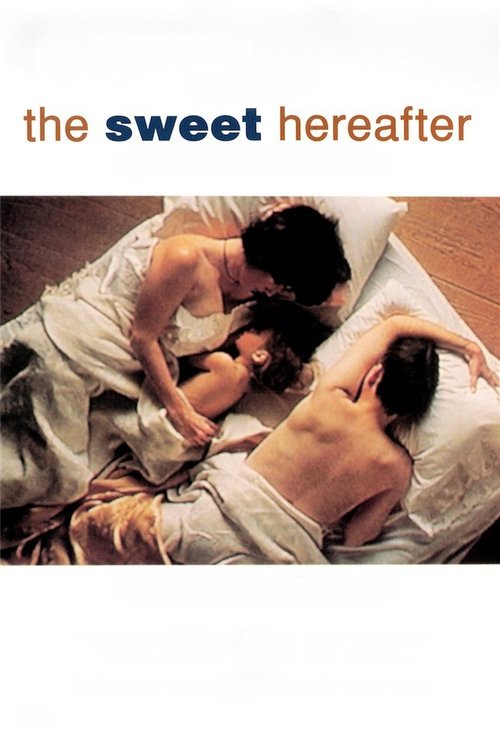
The Sweet Hereafter1997
Another Egoyan film about trauma and community, told through fragmented timelines and multiple perspectives. Achingly human, formally adventurous, and genuinely devastating about grief and culpability.
But His narrative puzzles aren't for everyone, and the deliberately oblique structure can feel withholding rather than profound. Some find it exhausting.
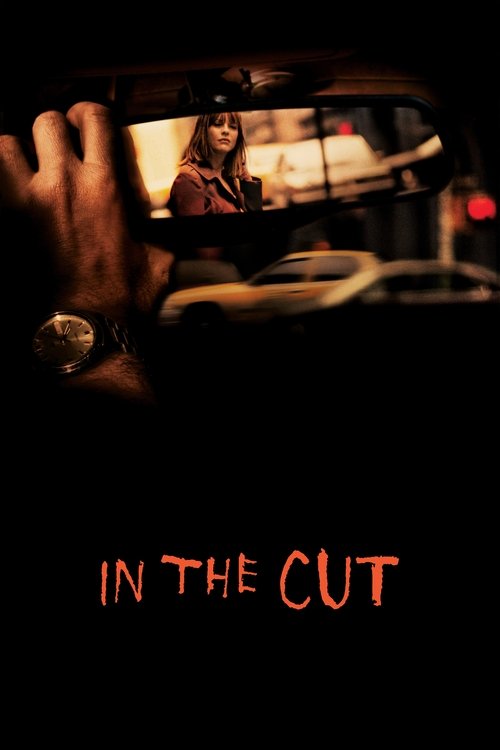
In the Cut2003
Jane Campion's portrait of desire and danger in New York, centered on a woman drawn into a detective's orbit. Like Exotica, it's sensual, psychologically complex, and refuses easy moral judgments about its characters' compulsions.
But It's darker and more violent than Exotica, with explicit content that serves the story but isn't everyone's threshold. The ambiguity can feel unresolved to some.
Mulholland Drive2001
Lynch's Los Angeles thriller plays with perspective and memory the way Exotica does—showing you the same space from different angles until you're not sure what's real. Hypnotic, erotic, and structurally audacious.
But It's longer, stranger, and more deliberately inaccessible. Lynch's dreamlogic won't click for everyone, and the ending deliberately refuses clarity.

Not sure tonight? Get a pick in a minute, starting from Exotica
The wildcard
Something you would not have found on your own.
Tokyo Story1953
Both films locate profound emotion in stillness, proximity, and what remains unspoken. They trust silence and composition to convey what dialogue cannot.
Ozu's masterpiece seems like it has nothing to do with Exotica until you realize both films are about longing expressed through physical presence rather than words—the way bodies in rooms communicate desire, regret, and connection. Completely different surface, identical emotional architecture.
But It's deliberately quiet, plotless by conventional standards, and from another era entirely. The pacing will feel glacial to viewers used to dramatic momentum. But if you feel Exotica's spell, this will devastate you.

More like this (7)
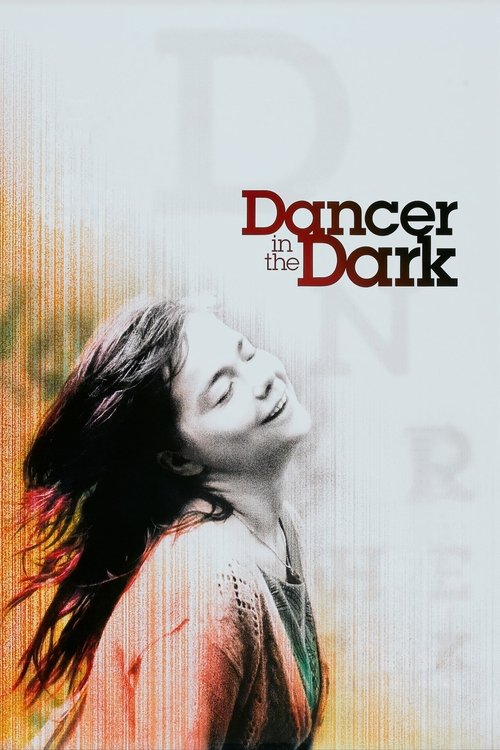
Dancer in the Dark2000
Lars von Trier's film about a factory worker who dreams through musicals while her life collapses. Like Exotica, it uses performance as a window into the gap between inner and outer self, with devastating emotional power.
But It's bleak and emotionally punishing in ways that can feel manipulative. The ending is brutal. Not a film that offers comfort.
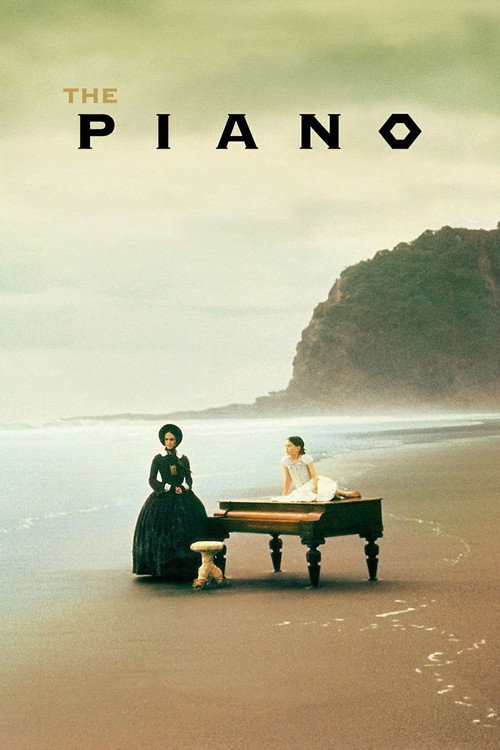
The Piano1993
Jane Campion's debut about a mute woman, her music, and desire in colonial New Zealand. Richly sensual, formally innovative, and deeply interested in how bodies and creativity intersect. It shares Exotica's air of transgression.
But The pacing is deliberate and meditative rather than gripping. Some of its sexual dynamics are uncomfortable by design, which not all viewers will want to sit with.
Under the Skin2014
Jonathan Glazel's film uses long silences, minimal plot, and a protagonist who observes more than she speaks. Hypnotic and strange, it shares Exotica's faith in showing rather than telling, and its fascination with desire and surface.
But It's glacially paced with little dialogue and almost no narrative payoff. Visually abstract. Many people find it boring or pretentious.

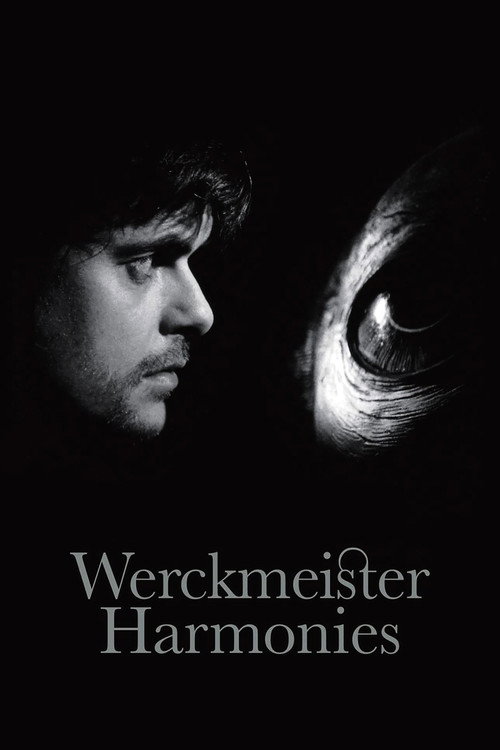
Werckmeister Harmonies2001
Béla Tarr's Hungarian epic about a whale exhibit that arrives in a provincial town. It's deliberately paced, achingly composed, and builds an atmosphere of collective yearning and dread. Formally adventurous in the way Exotica is.
But It's 145 minutes long, in black and white, with almost no conventional plot. The tone is bleak and remote. Very much not mainstream entertainment.
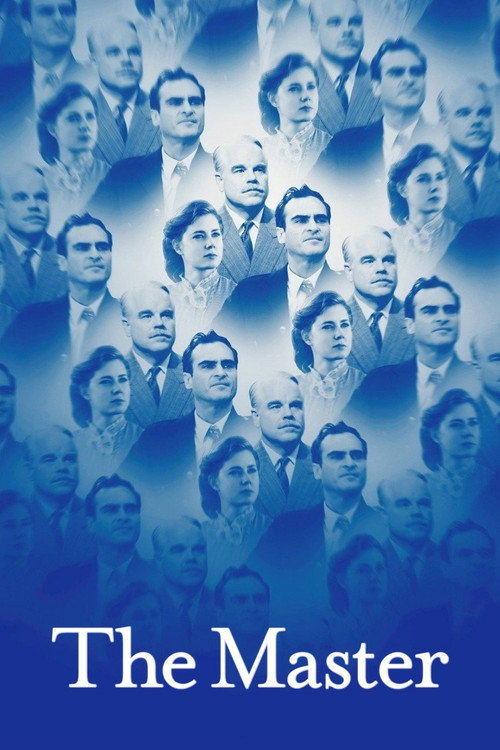
The Master2012
Paul Thomas Anderson's portrait of obsession, charisma, and the spaces between people. Like Exotica, it's interested in what men want from other men, desire, and the rituals that structure longing. Visually and psychologically probing.
But It's opaque, deliberately unresolved, and built on a dynamic between two men that the film never quite explains. Some find it cold or inaccessible.
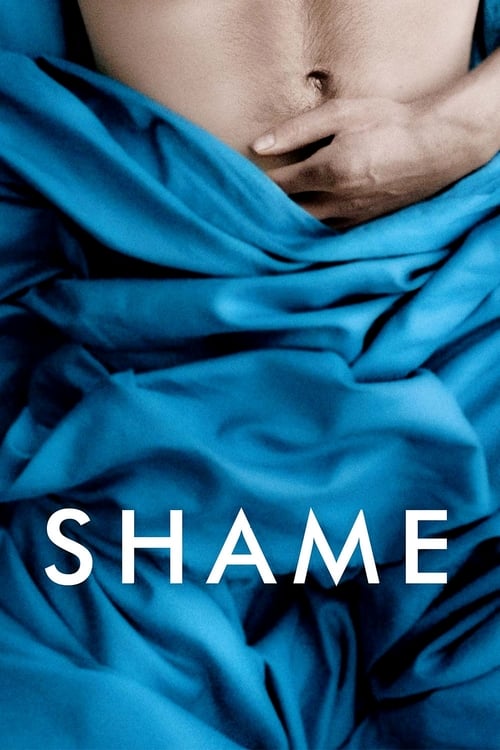
Shame2011
Steve McQueen's film about a man's compulsive sexual behavior and the shame that drives it. It shares Exotica's interest in desire as a form of damage, performance as refuge, and the gap between public and private self.
But It's sexually explicit and deliberately uncomfortable. The portrait of addiction is bleak and offers no redemption or resolution. Some will find it gratuitous.
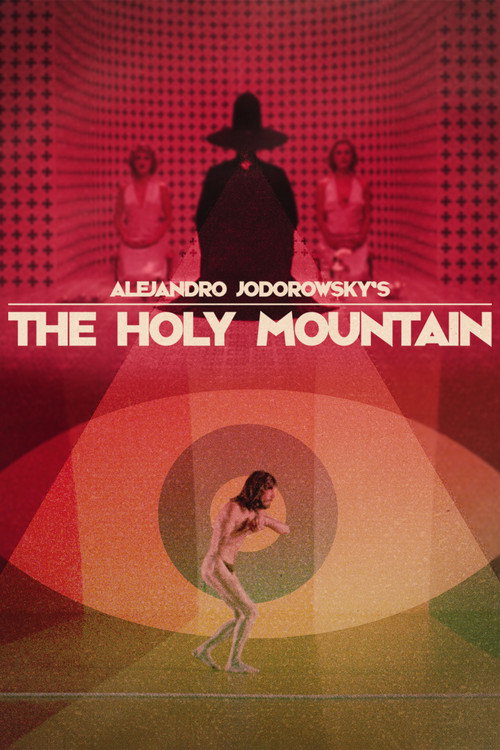
The Holy Mountain1973
Both films treat the body and ritual as the primary language—not psychology or dialogue. Both are uncompromising about depicting desire as something beautiful and dangerous and irreducible to meaning.
Jodorowsky's hallucinatory, sensual odyssey is built from image, metaphor, and desire rather than plot. Like Exotica, it uses performance, bodies, and ritual to explore spiritual and erotic hunger. Completely mad, completely committed, and impossible to forget.
But It's surrealist, sexually explicit, violent, and utterly unconcerned with accessibility. The 1970s transgression is deliberately confrontational. Many people find it pretentious or repellent.
People
Cast
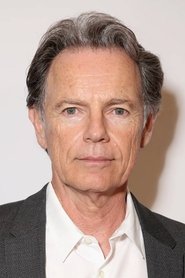 Bruce GreenwoodFrancis
 Mia KirshnerChristina
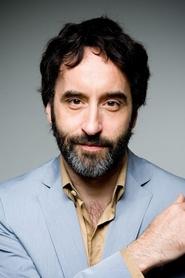 Don McKellarThomas
 Sarah PolleyTracey
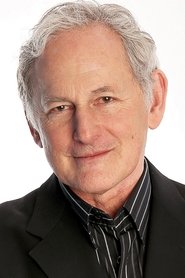 Victor GarberHarold
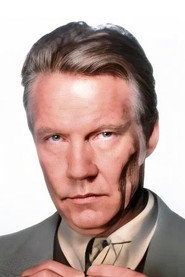 David HemblenInspector
- Peter KrantzMan in Taxi

 Elias KoteasEric
- Calvin GreenCustoms Officer
 Damon D'OliveiraMan at Opera
 Jack BlumScalper
Directing
- David WebbAssistant Director
- Mary SylwesterAssistant Director Trainee
- Atom EgoyanDirector
- Joanne T. HarwoodScript Supervisor
- Fergus BarnesSecond Assistant Director
- Michele RakichThird Assistant Director
Writing
- Atom EgoyanWriter
Production
- Eardley WilmotAssistant Location Manager
- Roberta PazdroAssistant Production Manager
- David WebbAssociate Producer
- Victoria HardingLocation Manager
- Atom EgoyanProducer
- Camelia FriebergProducer
- Roland SchlimmeProduction Coordinator
- Sandra CunninghamProduction Manager