
Film
Two Acres of Land
A 1953 Indian masterpiece about a farmer and his son journeying to Calcutta to earn money and reclaim their stolen land. Bimal Roy's film is a tender, unsentimental portrait of rural poverty and urban struggle—a story told through small gestures and hard silences. Essential cinema for anyone who wants to understand how great filmmakers capture dignity in desperation.
Should you watch it?
Watch it if you want a patient, humane social drama where poverty shows up in small daily details rather than speeches, and where a father's dignity matters more than plot machinery.
Skip it if you need brisk pacing, since this one lingers on hardship and long journeys at a deliberate pace, and its old-fashioned sincerity can feel earnest to modern eyes.
What it asks of you: Two hours and five minutes at a steady, unhurried clip, with little action and plenty of quiet watching people work, wait and worry.
Not sure? Find tonight's pick in a minute.
If you liked this
Bicycle Thieves1948
De Sica's parallel classic of ordinary people fighting impossible odds in postwar Rome. Shot with the same neorealist clarity and moral depth, following a father and son through a day that matters everything to them.
But The pacing is deliberately slow and the ending offers no comfort—it's a film that trusts you to sit with sadness.

Pather Panchali1955
Ray's Bengali masterpiece shares Roy's sensibility: rural life rendered with poetry and patience, beauty found in scarcity. A family's quiet struggle against poverty and circumstance, shot in natural light with nonprofessional actors.
But It's long, contemplative, and resistant to Western narrative rhythm. You have to surrender to its pace to feel its power.

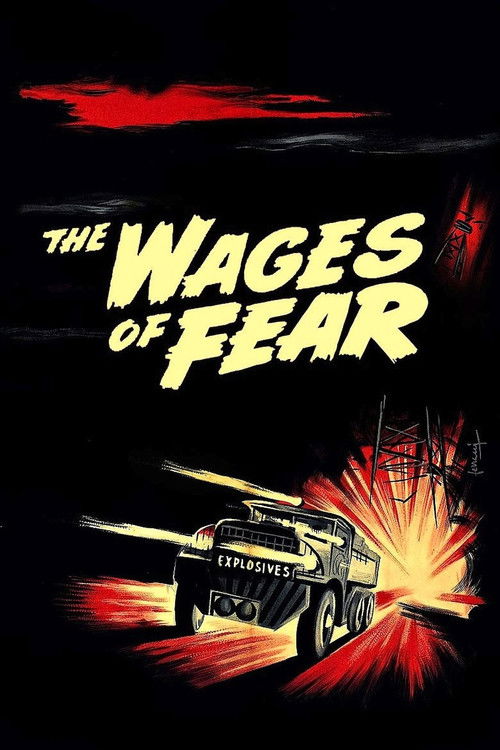
The Wages of Fear1953
Clouzot's tense, character-driven drama about desperate men taking dangerous work for money—the same economic desperation as Two Acres, but wound into a thriller. Sweaty, gripping, morally complicated.
But It's less poetic than Roy's film; the tone is grimier and more cynical about human nature.
Not sure tonight? Get a pick in a minute, starting from Two Acres of Land
The wildcard
Something you would not have found on your own.
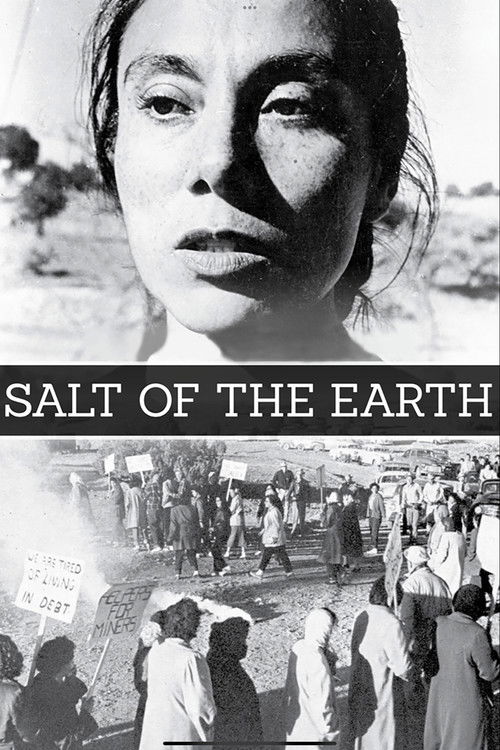
Salt of the Earth1954
Both films trust their audiences to understand economic oppression through the lived experience of ordinary people rather than through melodrama or explanation. Both were made by artists who believed cinema had moral work to do.
A American documentary-drama about a Mexican-American mining strike, made by a blacklisted crew. Like Two Acres, it centers working-class dignity and the fight for land and justice, but it's angrier, more explicitly political, and formally radical—shot in stark black-and-white with a collective rather than individual focus.
But It's overtly Marxist propaganda, which some will reject outright. The acting is uneven because the miners played themselves.
More like this (3)
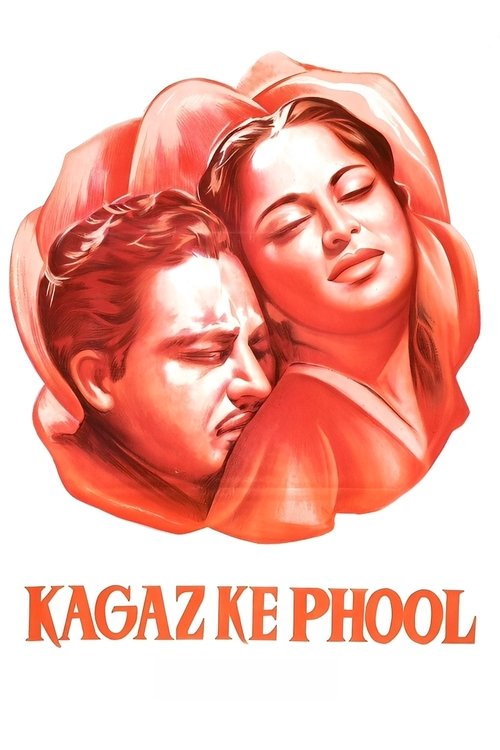
Kaagaz Ke Phool1959
Guru Dutt's dizzyingly beautiful meditation on ambition, love, and the cost of dreams in Bombay's film industry. Different setting and genre, but the same tragic dignity in watching someone lose everything.
But It's a melodrama as much as a realist film—the emotional register is higher and more stylized than Two Acres.
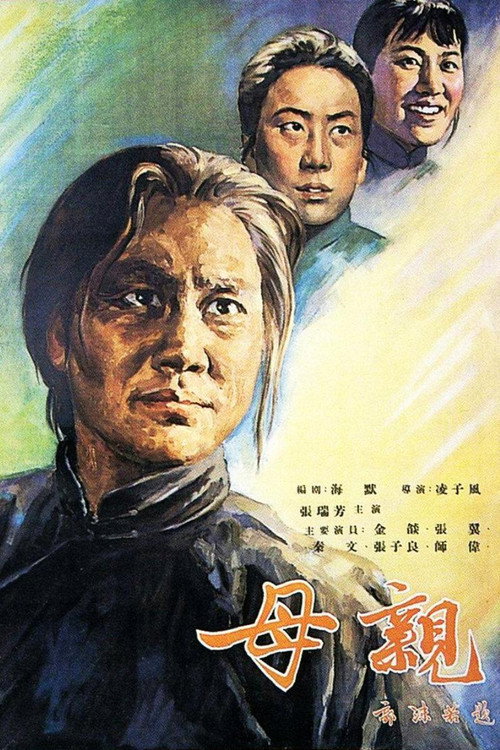
The Mother1956
Ray again, this time following an aging widow as her adult sons pull away and she confronts her irrelevance and isolation. A quieter film than Pather Panchali, but just as precise about small domestic devastations.
But Very little plot happens. If you need narrative momentum, this will feel like watching paint dry.
Shadows1960
Both are foundational works about dignity in economic precarity, made by directors who refused to simplify their subjects. Both insist that the poor are as complex and contradictory as anyone else.
Cassavetes' improvisational debut about race, family, and drifting through American cities—shot in grainy 16mm with no script and nonprofessional actors. Formally it couldn't be further from Roy's classical composition, but it shares the same commitment to capturing how ordinary people actually move and speak, and how love persists in material hardship.
But The image is deliberately ugly and the sound is sometimes inaudible. It's jazz-like rather than symphonic; you have to attune yourself to its rhythms.

People
Cast
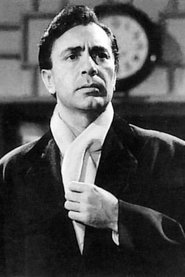 Balraj SahniShambhu Maheto
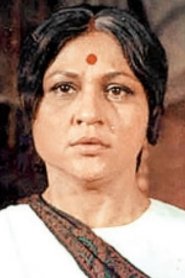 Nirupa RoyParvati Maheto
- Nana PalsikarDhangu Maheto
- Rattan KumarKanhaiya Maheto
 Meena KumariThakurain
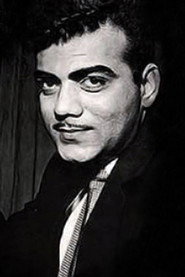 MehmoodPreetam
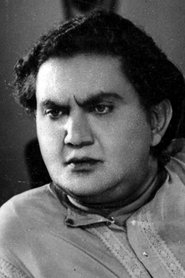 MuradThakur Harnam Singh
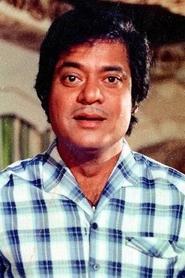 JagdeepLaloo Ustad
 Noor JehanRani
Directing
- Hrishikesh MukherjeeAssistant Director
- Moni BhattacharjeeAssistant Director
- Sunil Das GuptaAssistant Director
- Bimal RoyDirector
Writing
- Paul MahendraDialogue
- ShailendraLyricist
- Hrishikesh MukherjeeScreenplay
- Salil ChowdhuryStory
Production
- Asit SenExecutive In Charge Of Production
- Bimal RoyProducer
- Jugal KishoreProduction Manager
- Naseem SiddikiProduction Manager
Recommended by
Mother India, The Expedition, Naya Daur, Sheesh Mahal, Uphaar, Bazar, Neecha Nagar, Dharti Ke Lal, Sohag Raat, Seema, Gundamma Katha