
Film
Dharti Ke Lal
- Drama
- Very dark
A 1946 Indian drama about rural families uprooted by famine during independence's final years. Balraj Sahni anchors a multigenerational story of dignity tested by hunger and displacement. It's simultaneously intimate and historically urgent—a film about ordinary people enduring extraordinary hunger, made when those wounds were still fresh.
If you liked this
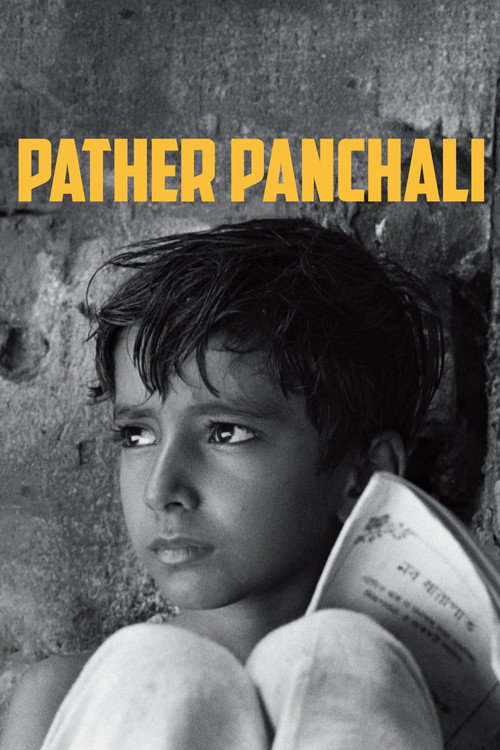
Pather Panchali1955
Satyajit Ray's masterpiece about rural Bengali poverty also finds grace and humour in material hardship. If you felt the emotional weight of Dharti Ke Lal, this trilogy's opening film extends that vision with Ray's visual poetry and deeper psychological insight into a family's struggle.
But It moves slowly by design, and some find its pacing—especially in the first half—contemplative to the point of languor. Subtitled, black-and-white, and demanding patience.
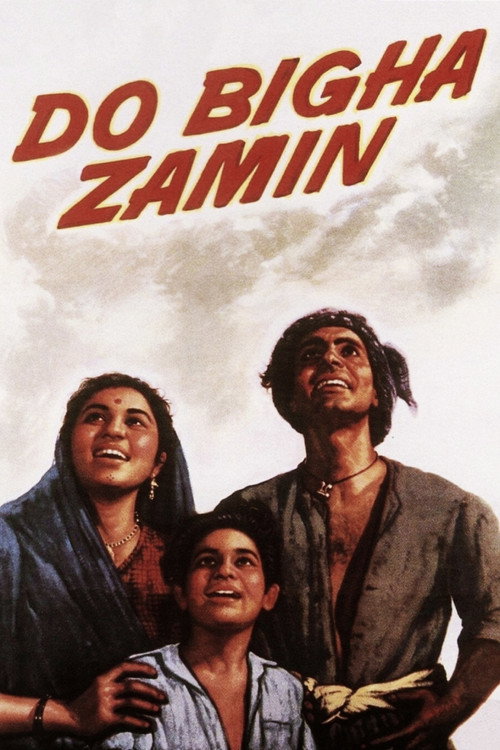
Two Acres of Land1953
Balraj Sahni again, this time as a peasant fighting to keep his land. It's a direct thematic companion to Dharti Ke Lal: both explore how systems grind down rural dignity. Bimal Roy's direction brings similar documentary realism and emotional honesty.
But The plot mechanics sometimes feel forced in service of its message. It can read as didactic rather than lived-in, especially in the second half.
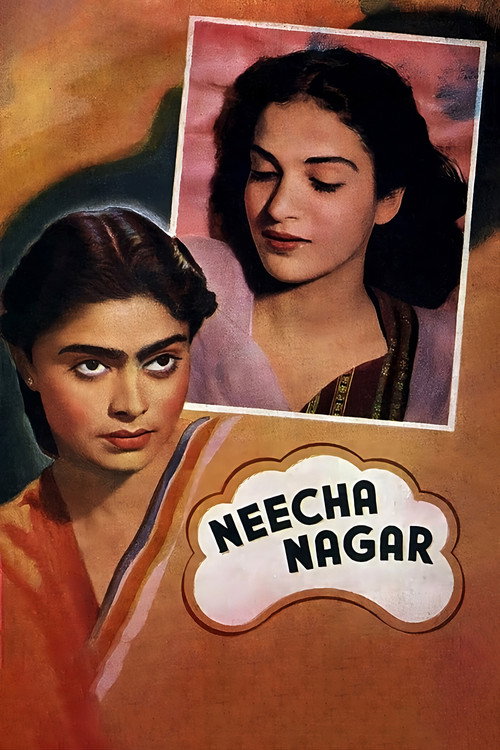
Neecha Nagar1946
Made the same year as Dharti Ke Lal, this Chetan Anand film won the Palme d'Or at Cannes and examines urban poverty with similar unflinching clarity. It's a companion piece to your film—Indian cinema's dual-pronged reckoning with mass suffering and social injustice.
But It's harder to find than Pather Panchali or Do Bigha Zamin. Print quality varies significantly, which can distance you from the emotional immediacy.
Not sure tonight? Get a pick in a minute, starting from Dharti Ke Lal
The wildcard
Something you would not have found on your own.
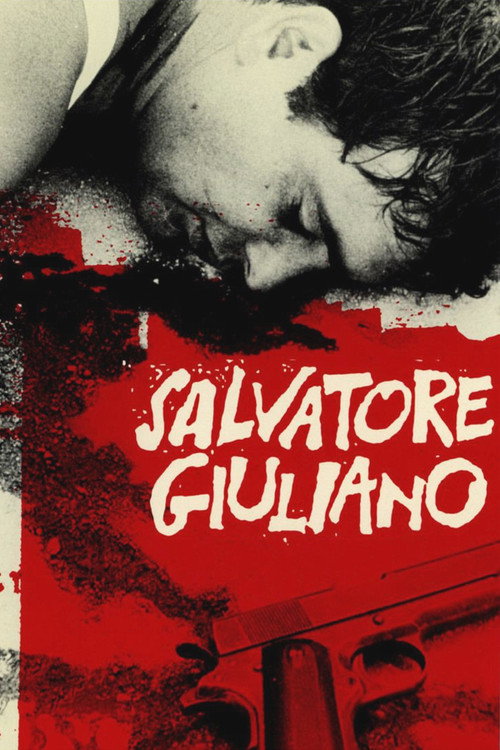
Salvatore Giuliano1962
Both films see the poorest people as products of systems larger than themselves, refusing to blame them for their own destruction. Both use ensemble narratives where no single protagonist can contain the story.
Francesco Rosi's Sicilian tragedy uses the same fractured, documentary-realist approach to show how geography, poverty, and political systems destroy individual lives. Like Dharti Ke Lal, it refuses sentimentality; famine becomes banditry, displacement becomes crime, and both are structural. Italian, but asking the same questions.
But It's formally challenging—non-linear, austere, sometimes bewildering in its narrative structure. Some find it cold rather than moving.
More like this (5)
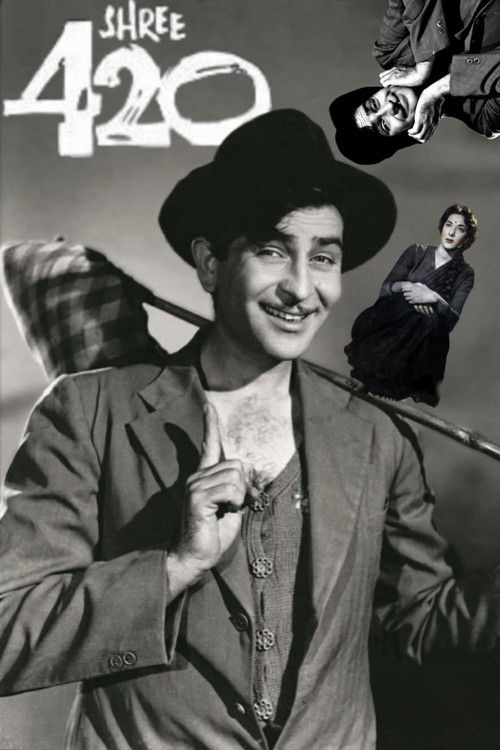
Shree 4201955
Raj Kapoor's social drama about a poor man's moral compromise in the city. Where Dharti Ke Lal shows famine displacing people, this shows the city itself as both promise and corruption. It shares that mid-century Indian cinema's fierce clarity about class and survival.
But It's far lighter in tone—almost a musical-comedy at times. If you want sustained gravity throughout, the tonal shifts may feel like relief or distraction depending on your mood.
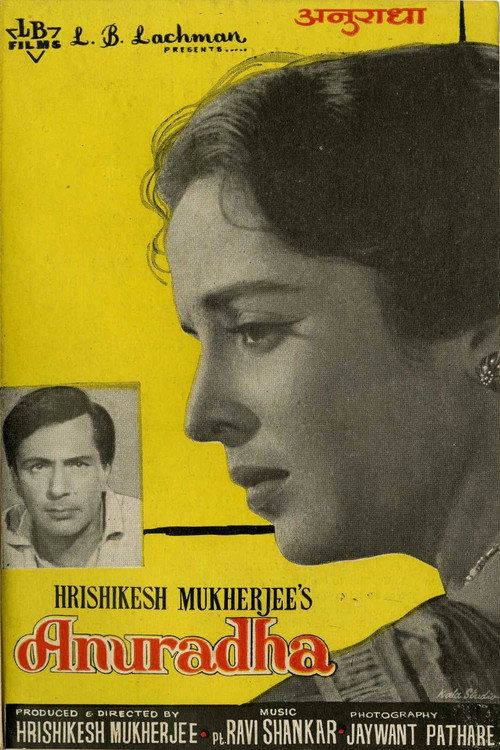
Anuradha1960
Hrishikesh Mukherjee's film about a woman caught between a husband's ambition and her own desires. Like Dharti Ke Lal, it's concerned with how systems (and people) squeeze ordinary individuals. More intimate in scale, but with the same moral seriousness and restraint.
But It's a quieter, more introspective film. Those seeking dramatic confrontations or plot momentum may find it feels slight or overly domestic.
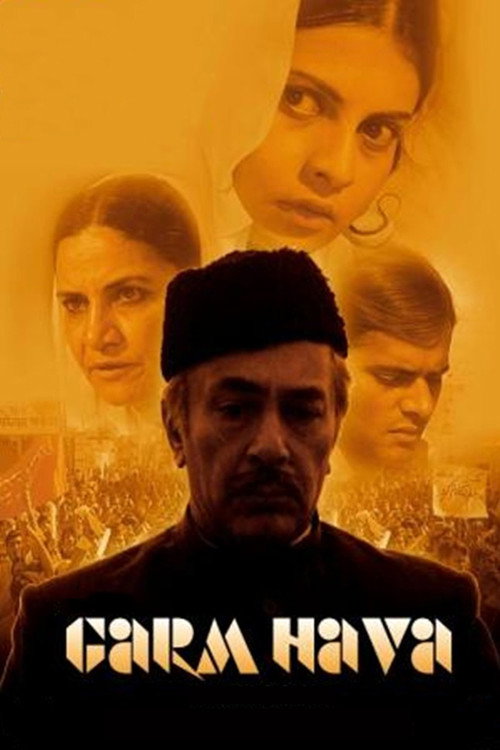
Garm Hava1973
M.S. Sathyu's devastating film about a Muslim family fractured by Partition. It inherits Dharti Ke Lal's commitment to showing how history uproots ordinary people. Made two decades later, it applies those same principles to a different tragedy—displacement as a wound that won't heal.
But Partition's communal violence is woven throughout. Emotionally heavy, and the family's slow dissolution can feel unrelenting rather than cathartic.
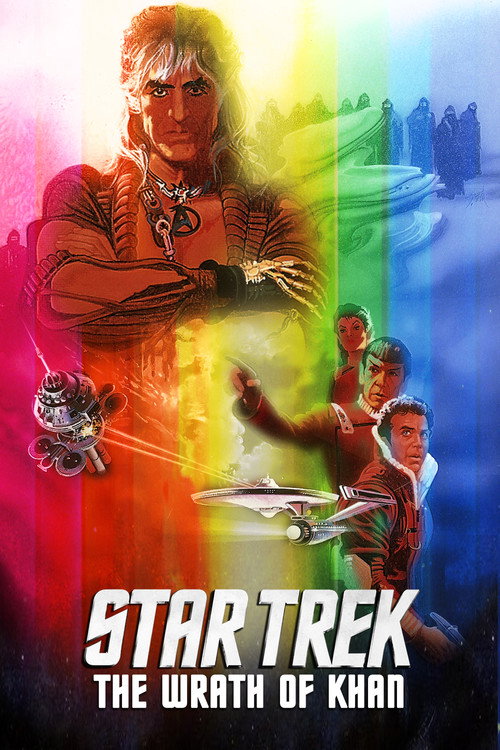
Star Trek II: The Wrath of Khan1982
Both films argue that suffering is inherited and structural, not accidental. Both show how one person's loss ripples outward, shaping everyone downstream.
Wait—hear this out. This Star Trek film is obsessed with sacrifice, generational debt, and the cost of survival. Khan's entire motivation stems from a displacement and loss that echoes through decades. It's not about poverty, but about how systems wound people across time, and how those wounds persist as rage.
But It's science fiction. If you want social realism, this detours into space opera and genre thrills. The surface is entirely different.
Bicycle Thieves1948
Both films see dignity as fragile and conditional. Both show good people compromised by systems, and both refuse to sentimentalize poverty. They're separated by geography but not by moral vision.
Vittorio De Sica's Italian neorealist masterpiece about a father and son searching for a stolen bicycle in post-war Rome. Like Dharti Ke Lal, it's about ordinary people undone by forces beyond control. Shot on streets, with non-actors, refusing to look away from the fact that desperation makes people do terrible things.
But At 89 minutes it's shorter, and some find its hopelessness—especially the ending—emotionally devastating rather than cathartic. It doesn't offer easy comfort.

People
Cast
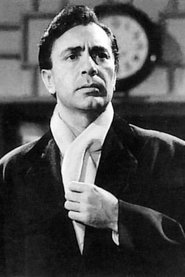 Balraj SahniNiranjan, the eldest son of Samaddar
- Damayanti SahniBinodini, wife of Niranjan
- Anwar MirzaRamu, the youngest son of Samaddar
- Tripti BhaduriRadhika, wife of Ramu
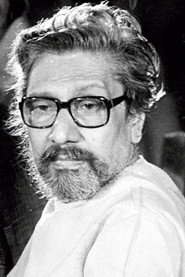 Sombhu MitraСамаддар
- Usha DuttaSamaddar's wife
- Rashid Ahmedteacher
Directing
- Khwaja Ahmad AbbasDirector
Writing
- Krishan ChanderStory
- Bijon BhattacharyaWriter
- Khwaja Ahmad AbbasWriter
Production
- Khwaja Ahmad AbbasProducer