
Film
Anuradha
A 1960 Indian melodrama about a celebrated singer who abandons her career for marriage, only to find herself invisible to a husband consumed by his work. When her former lover reappears, she faces the question of what she gave up—and whether she can reclaim it. Gorgeously shot, emotionally raw, and unafraid of ambiguity.
Should you watch it?
Watch it if you like slow-burning marital dramas where the conflict is quiet, domestic and grounded, and where a love story is weighed against a woman's art and sense of self.
Skip it if you want brisk melodrama, since at 141 minutes its long stretches of domestic friction move slowly and can feel repetitive.
What it asks of you: Settle in for a little over two hours of conversations that linger and emotions that simmer rather than erupt; patience pays off more than attention to plot.
Not sure? Find tonight's pick in a minute.
If you liked this
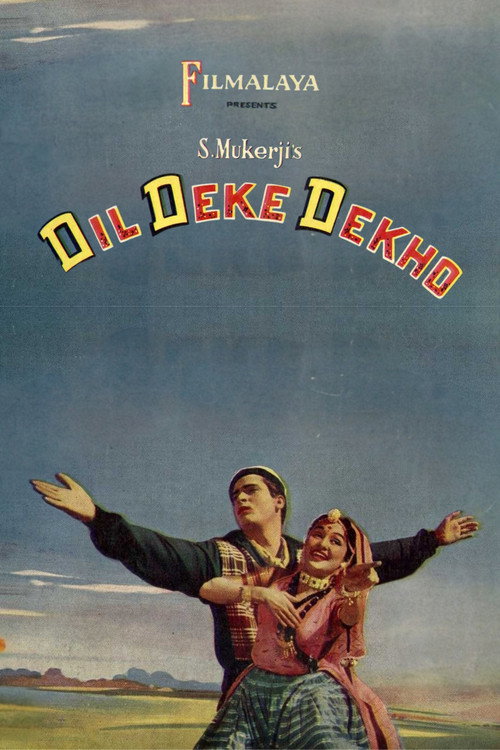
Dil Deke Dekho1959
An earlier Balraj Sahni vehicle that shares Anuradha's interest in marriage as a battleground between duty and desire. Sahni's quiet intensity anchors both films, but here he plays a man unraveling rather than unknowingly causing harm.
But The pacing is deliberate almost to the point of stillness—not every scene moves the plot forward, and some will feel like padding.
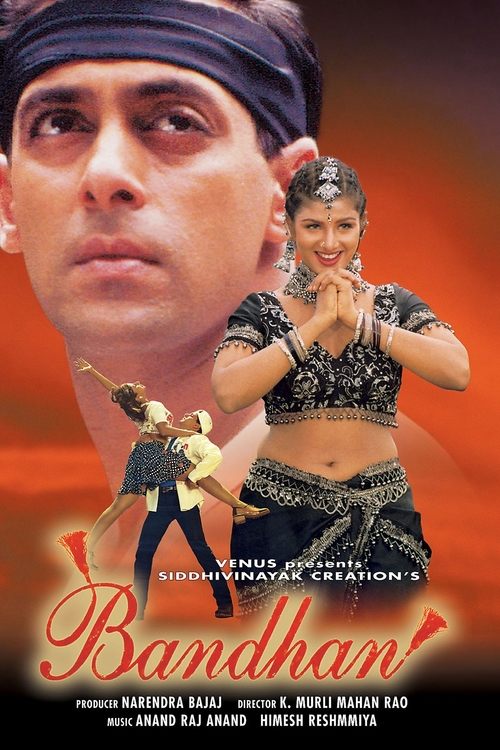
Bandhan1998
A modern Hindi film that returns to the same core tension: a wife's identity dissolving into her husband's ambitions. It echoes Anuradha's moral clarity about sacrifice without making easy judgments about who is right.
But The melodrama thickens considerably; it's less interested in ambiguity and more interested in wringing emotion from every scene.
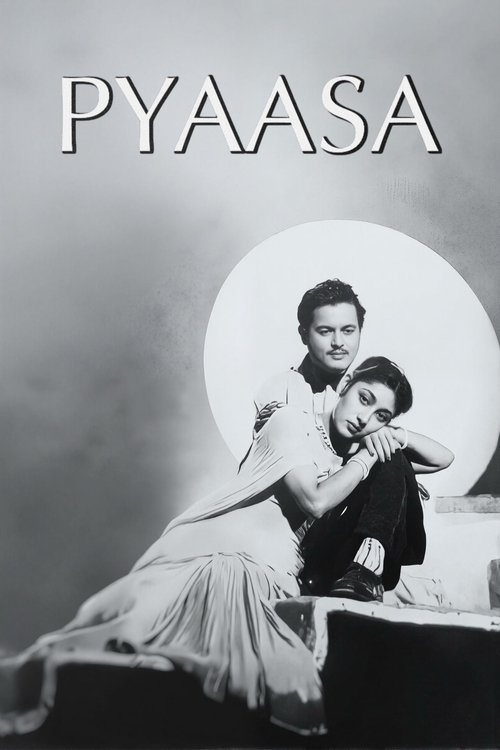
Pyaasa1957
Guru Dutt's masterpiece about artistic sacrifice and the cost of idealism. Both films ask whether love requires you to stop being yourself, and both refuse easy answers about nobility and resentment.
But It's a philosophical film dressed as melodrama—some viewers find the mood impenetrably sad rather than moving.
Not sure tonight? Get a pick in a minute, starting from Anuradha
The wildcard
Something you would not have found on your own.
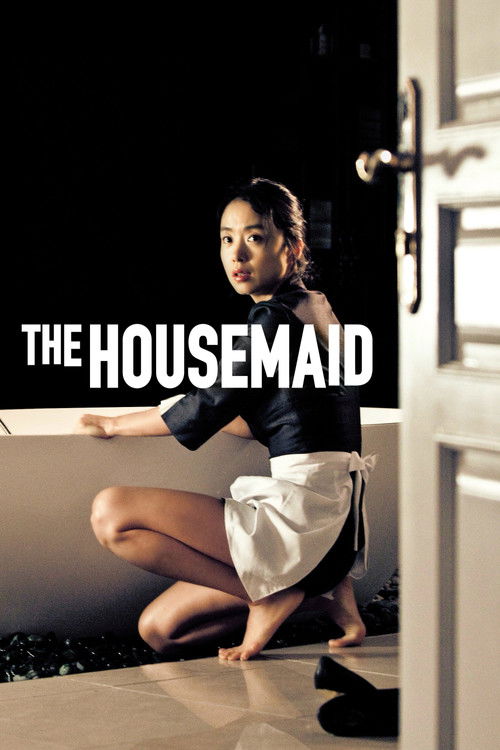
The Housemaid2010
Both films understand that the home can be a trap disguised as sanctuary, and that a wife's dissatisfaction can crack open the family's facade.
Kim Jee-woon's South Korean thriller uses a nearly identical premise—a woman enters a household and destabilizes it—but takes it into psychological horror. Both films are fascinated by how domestic spaces can become battlegrounds, and how silence and resentment fester.
But It's a thriller, not a melodrama: expect shocks and violence rather than quiet emotional revelation. The tonal shift will be abrupt.
More like this (8)
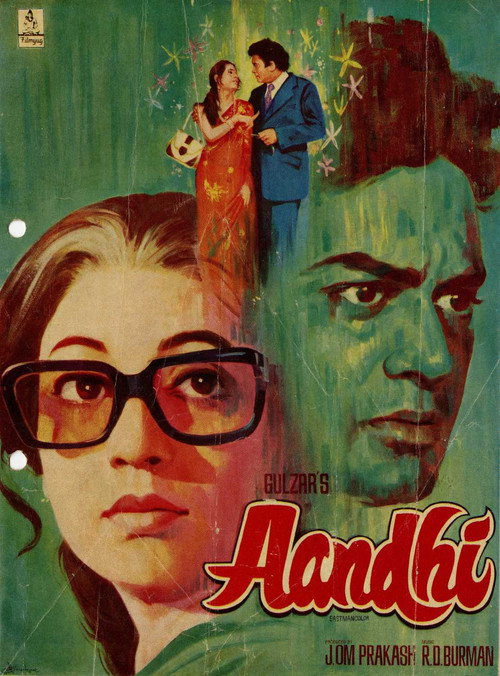
Aandhi1975
Suchitra Sen in a role that mirrors Anuradha's dilemma but inverts it: a powerful woman in public life, struggling to be seen at home. Forty-six minutes shorter, tighter, and more directly angry.
But The ending will feel unresolved to anyone hoping for closure or triumph; Gulzar's style is to ask questions rather than answer them.
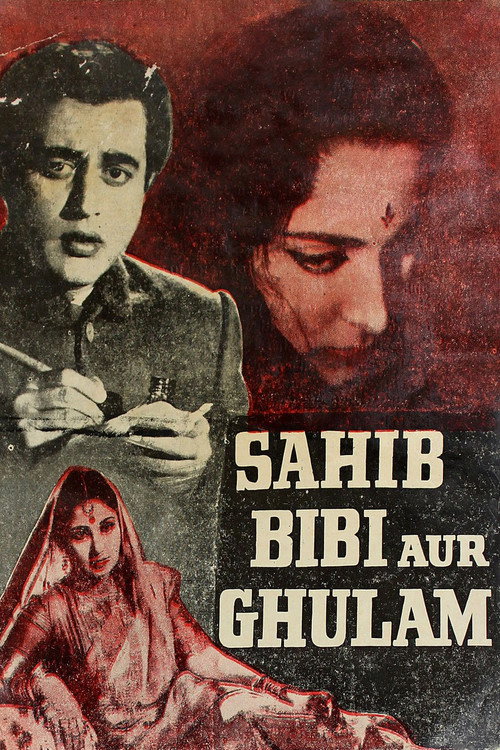
Sahib Bibi Aur Ghulam1962
Released just after Anuradha, this explores similar territory with Abhishek Bachchan and Meena Kumari—infidelity, class, marriage's slow erosion. It swings wider, from comedy to tragedy to genuine darkness.
But The plot meanders, and by the third act the film seems to lose confidence in what it wants to say.
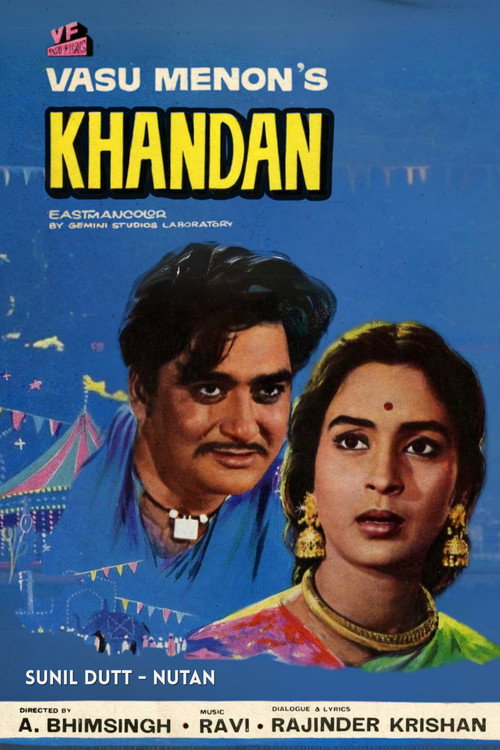
Khandan1965
An earlier, quieter meditation on wives and work by Balraj Sahni's generation. Less polished than Anuradha but equally interested in the ordinary heartbreak of feeling taken for granted.
But It's a relic of an earlier film style—the acting feels theatrical, and some sequences drag without advancing anything.
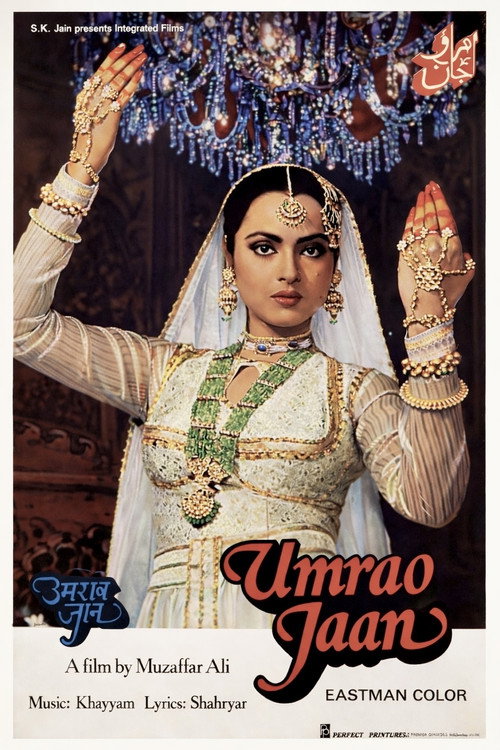
Umrao Jaan1981
Another film about a woman whose public gift (here, as a courtesan-artist) is her deepest self, and what it costs her in private life. Rekha is transcendent, and the film's moral world is complex.
But It romanticizes suffering in ways that some viewers will find poisonous rather than tragic.
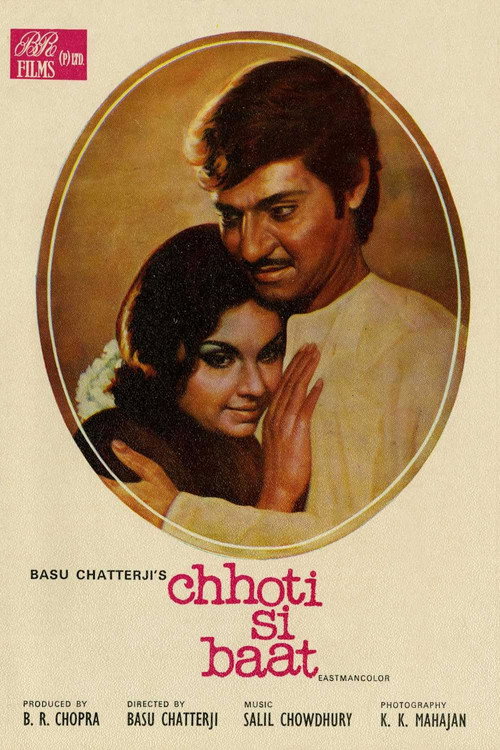
Chhoti Si Baat1976
A lighter examination of marriage and ego, but genuinely interested in how couples misread each other. It proves that Bollywood could think about these things with humor rather than only melodrama.
But The lightness itself might feel evasive if you're looking for Anuradha's emotional weight.
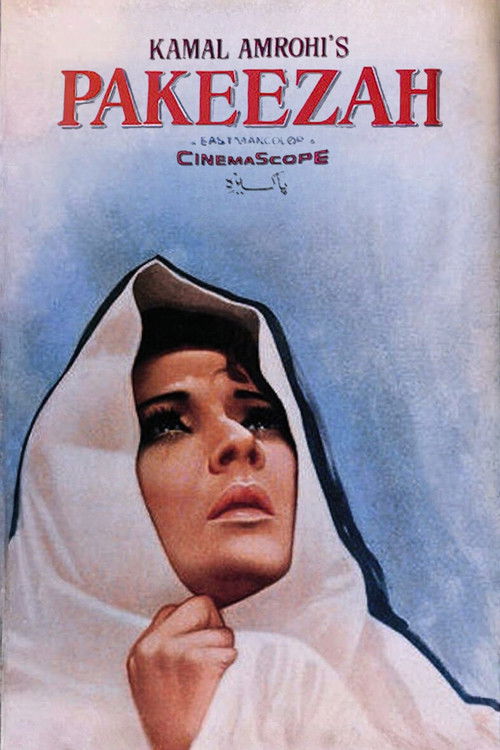
Pakeezah1972
Meena Kumari in one of her last roles, revisiting themes of sacrifice and artistic identity. The film is visually sumptuous and morally fascinating, even as it works through ideas about women and respectability.
But The plot relies on coincidences that strain credibility, and some of the attitudes toward women haven't aged gracefully.
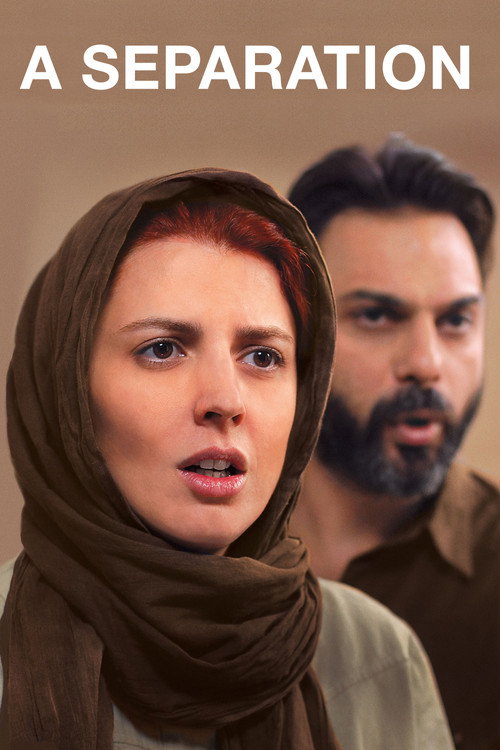
A Separation2011
Both films trust their audience to sit with ambiguity about marriage and sacrifice. Neither asks you to pick a side; both ask you to understand them all.
Asghar Farhadi's Iranian masterpiece examines marriage's breakdown with surgical precision, refusing to assign villains. Like Anuradha, it's interested in how two people can love each other and still make each other miserable, and what we owe to the people we're supposed to care for most.
But It's bleak and legalistic rather than romantic. The film will not comfort you or resolve its moral questions—it leaves you with the wreckage.
Jeanne Dielman, 23, quai du Commerce, 1080 Bruxelles1976
Where Anuradha dramatizes the wife's crisis, Dielman documents the crisis of the everyday. Both films make visible what most cinema renders invisible—the cost of being a woman in a domestic space.
Chantal Akerman's three-hour Belgian film is a seemingly static portrait of a widow's daily domestic routine. It sounds boring; it's hypnotic. Watching it teaches you to see what Anuradha's heroine is performing every day—the invisible labor of maintaining a home, the erosion of identity into routine.
But There is almost no plot. You watch a woman cook, clean, and receive a client for sex. If you need conventional narrative momentum, this will feel like punishment.

People
Cast
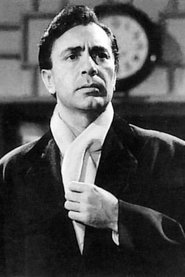 Balraj SahniDr. Nirmal Chowdhary
 Leela NaiduAnuradha Chowdhary
- Hari ShivdasaniBrijeshwar Prasad Roy
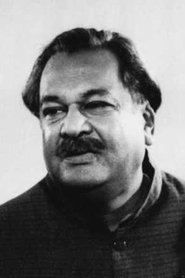 Asit SenZamindar
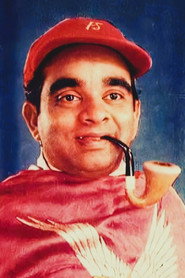 MukriAtmaram
- Erfan RashidRam Bharose
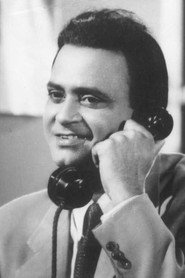 Abhi BhattacharyaDeepak
Directing
- Hrishikesh MukherjeeDirector
Writing
- Rajinder Singh BediDialogue
- D.N. MukherjeeScreenplay
- Sachin BhowmickScreenplay
- Samir ChowdhuryScreenplay
- Sachin BhowmickStory
Production
- Hrishikesh MukherjeeProducer
Recommended by
Chori Chori, Hum Kisise Kum Naheen, Baton Baton Mein, Dharti Ke Lal, Bandini