
Film
The Housemaid
Other titles called The Housemaid: the 1960 film, the 2025 film.
- Erotic thriller
- Very dark
A South Korean thriller about a maid hired into a wealthy household where nothing is as it seems. Director Im Sang-soo crafts an acidic, darkly funny exploration of class, power, and manipulation told through escalating schemes and reversals. It's for viewers who want their genre thrills laced with social commentary and aren't looking for easy answers about who deserves sympathy.
Should you watch it?
Watch it if you like domestic thrillers where the menace builds through class, cruelty and quiet manipulation, and where the tension comes from a sharp, controlled style rather than gore or jump scares.
Skip it if you want a brisk, plot-driven ride, since its unease is slow to gather and it leans heavily on sexual coercion and humiliation that some viewers will find hard to sit through.
What it asks of you: It runs about 107 minutes and asks you to stay alert to glances, staging and what goes unsaid, while the mood stays cool, tense and rarely lets you exhale.
Not sure? Find tonight's pick in a minute.
If you liked this
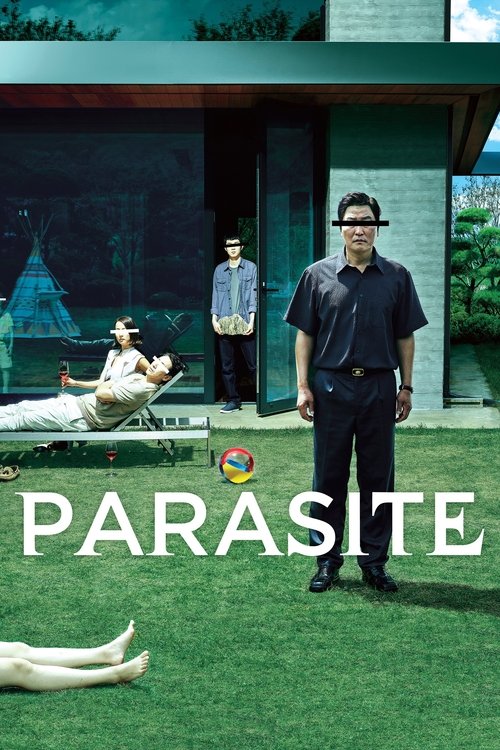
Parasite2019
Bong Joon-ho's masterpiece also mines class tension and household infiltration for both horror and dark comedy, with the same sharp eye for how desperation warps morality and allegiances.
But It's become a cultural phenomenon that feels inescapable; you might feel like you're watching what everyone else watched rather than discovering it yourself.
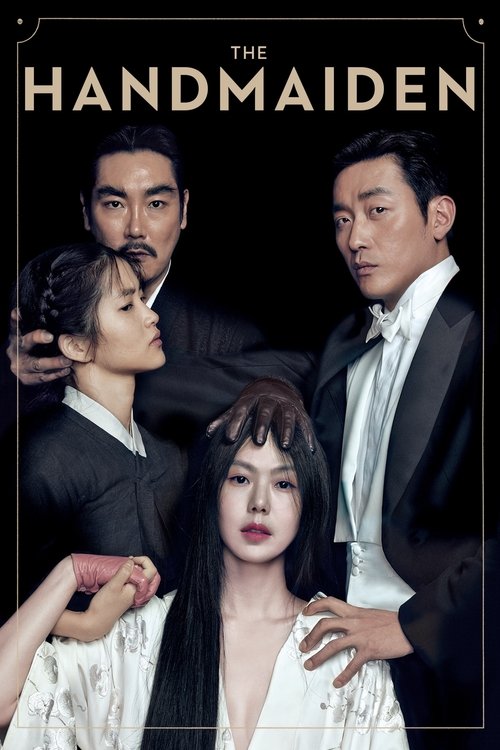
The Handmaiden2016
Park Chan-wook's sensual, twisted con-artist film shares Im Sang-soo's interest in power dynamics disguised as seduction, and features women outmaneuvering men through cunning and manipulation.
But The sexual content is explicit and sometimes uncomfortable; the plotting can feel baroque and requires close attention to follow all the reversals.
Mulholland Drive2001
Lynch's Hollywood nightmare also uses shifting perspectives and unreliable narration to explore predation and powerlessness. Both films suggest that the truth about who's really in control is slipperier than it appears.
But It's deliberately obscure and offers no reassuring explanation; some find that liberating, others find it frustrating and pretentious.

Not sure tonight? Get a pick in a minute, starting from The Housemaid
The wildcard
Something you would not have found on your own.
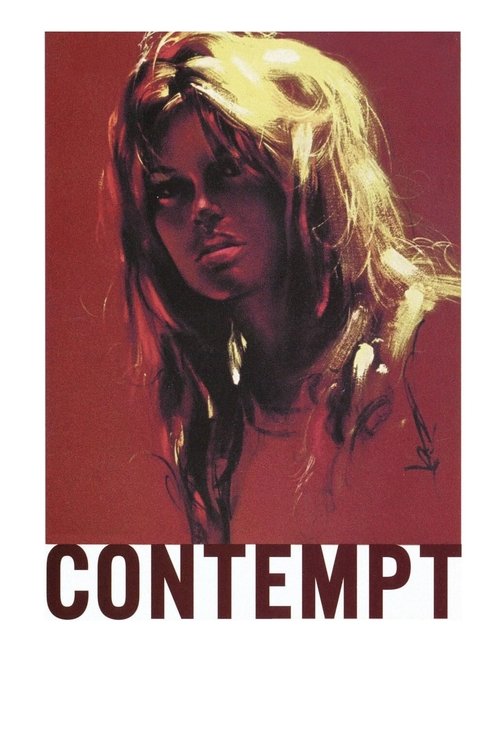
Contempt1963
Both use visual style as moral argument; both are obsessed with the gaze itself as an instrument of control.
Godard's film about the collapse of a marriage doubles as a meditation on how cinema itself mirrors predatory dynamics—the camera as invasive, desire as performative, the look as a weapon. Like The Housemaid, it's about surfaces concealing power struggles.
But It's deliberately slow, philosophically dense, and Godard demands you work; many find it more interesting to read about than to actually watch.
More like this (7)
The Neon Demon2016
Refn's fever dream about predatory environments and women weaponizing beauty shares The Housemaid's acidic view of desire as a battleground where vulnerability is a liability.
But It's more style than plot; if you need linear narrative momentum and character development, this will feel hollow and glacial.

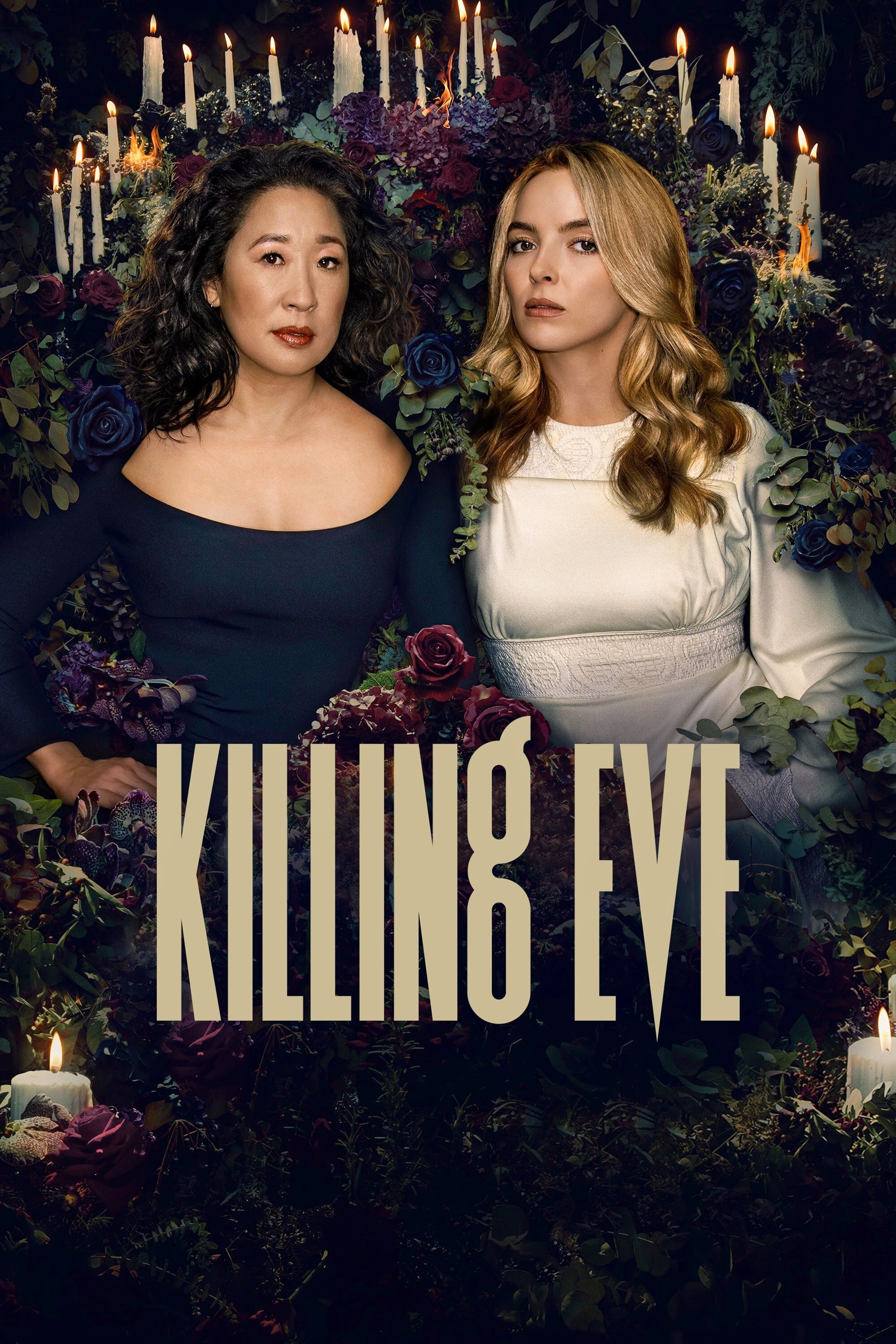
Killing Eve2018
This series captures similar energy: two women locked in a psychological game where attraction and danger blur, with sharp dialogue and the constant question of who's actually in control.
But The first season is brilliant; later ones decline. And if you need your antagonist to face consequences, the show's moral ambiguity will be maddening.
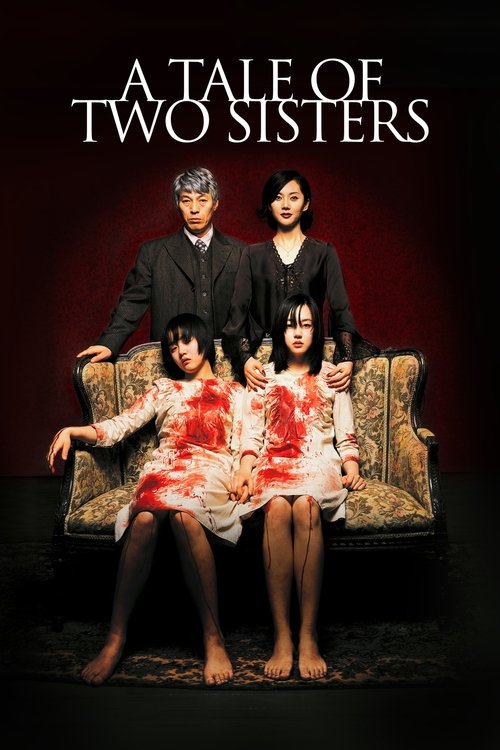
A Tale of Two Sisters2003
Another Korean horror-thriller about women in a household, similarly interested in trauma, cruelty hidden behind closed doors, and whether what we're seeing is reliable. Gorgeously shot and deeply unsettling.
But It hinges on a twist that, once revealed, makes rewatching feel like you're watching a different film. Some find that clever; others feel cheated.
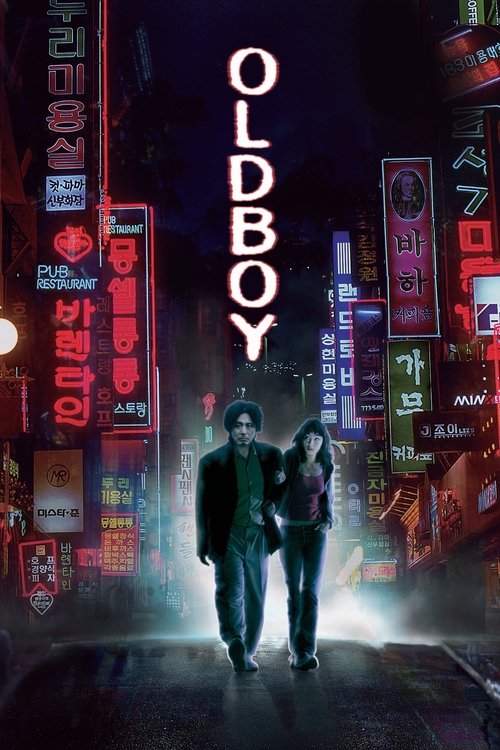
Oldboy2003
Park Chan-wook's breakthrough shares The Housemaid's baroque plotting, its interest in schemes within schemes, and its willingness to make the audience complicit in something ugly.
But It's extremely violent and the final moral implication is deeply disturbing in ways designed to linger unpleasantly.
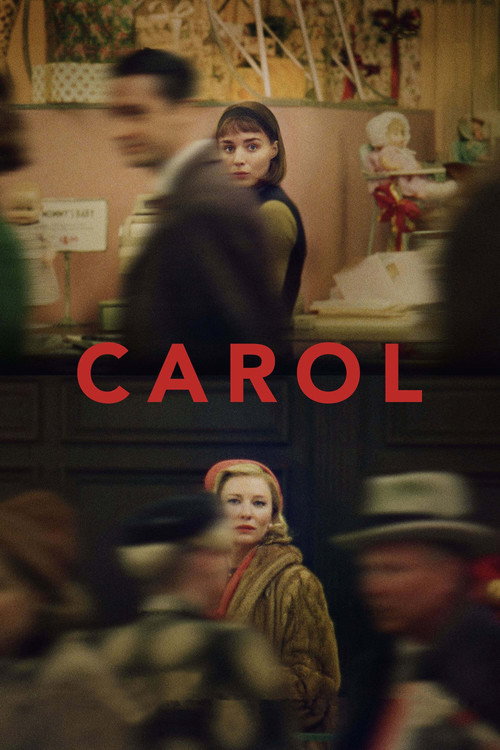
Carol2015
Haynes' period romance also understands desire as destabilizing and dangerous, especially across class lines. Like The Housemaid, it never lets you forget that attraction and exploitation can coexist.
But It's restrained and interior; if you want plot momentum and dramatic confrontation, it will feel slow and emotionally distant.
Come and See1985
Both use genre and formal beauty to prevent you from looking away from brutality; both ask why the audience watches at all.
Elem Klimov's Belarusian masterpiece about a child witnessing war shares The Housemaid's interest in innocence destroyed by systems and people who profit from exploitation. Unflinching, visually ravishing, and morally serious in ways that remake how you see cinema.
But It's among cinema's most harrowing films; the violence against civilians and children is relentless and designed to break you. Not entertainment.

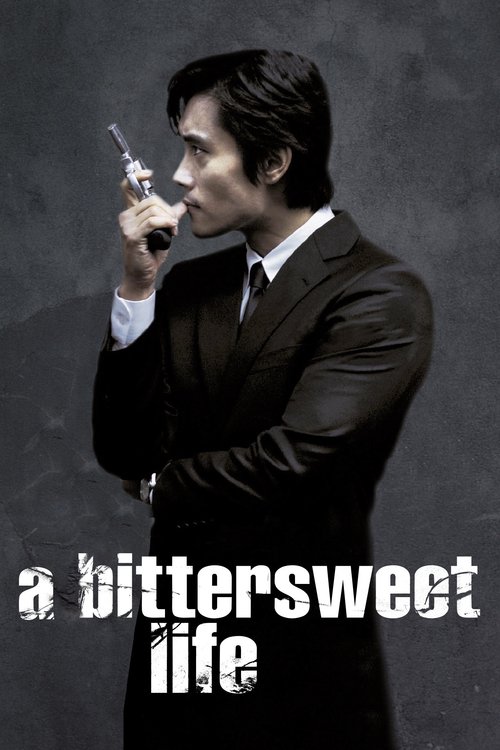
A Bittersweet Life2005
Both are Park Chan-wook films about households as battlefields; this one weaponizes beauty in service of kinetic action instead of static dread.
Park Chan-wook's sleek revenge thriller about power and betrayal within a household employs The Housemaid's visual sophistication and moral ambiguity, but through an entirely different genre—operatic violence instead of psychological warfare.
But It's a stylish action film first; if you're resistant to genre thrills and prefer social critique to gunplay, the violence will feel gratuitous rather than purposeful.
People
Cast
 Jeon Do-yeonEun-yi
 Lee Jung-jaeHoon
 Seo WooHae-ra
 Youn Yuh-jungMiss Cho
 Park Ji-youngMi-hee
 An Seo-hyunNami
 Hwang Jeong-minSoon-boon
 Moon So-riObstetrician
 Kim Jin-ahAunt
- Chae Tae-backHerbal Medicine Shop Doctor
 Chun Sin-hwanChief Secretary
- Noh Sang-minDriver
Directing
- Im Sang-sooDirector
- Namkoong SunScript Supervisor
Writing
- Kim Ki-youngOriginal Story
- Im Sang-sooScreenplay
Production
- Cho Il-hyungCo-Executive Producer
- Choi Pyung-hoCo-Producer
- Jason ChaeProducer
Recommended by
Parasite, Audition, The Beguiled, Mustang, Poison Ivy, Stree, A Hard Day, The Great Indian Kitchen, Pari, Wuhan Wuhan, The Second Mother, Gulaab Gang, Aamir, Khamoshiyan, Sahib Bibi Aur Ghulam, Kaavalan, Begum Jaan, Ek Hasina Thi, High Society, Thugs of Hindostan, Anaarkali of Aarah, Ahista Ahista, Anuradha, Possessed, Spellbound, Khilona, Arjun, Kadambari