
Film
Neecha Nagar
A 1946 Indian drama about class struggle in a village where a wealthy landlord dumps waste to clear land for profit, sparking resistance from impoverished residents. Shot in neorealist style with non-professional actors, it's politically urgent without preaching—a film about dignity and collective action that feels lived rather than performed.
Should you watch it?
Watch it if you care about class struggle told as a fight over ordinary dignity, and you are happy with a black-and-white film from 1946 whose anger is pointed and unsentimental.
Skip it if you need fast pacing or modern polish, since this is a 1946 black-and-white film that argues its point openly and does not hurry to get there.
What it asks of you: Give it a bit under two hours of steady, unhurried drama, serious in mood, with attention going to crowds, arguments and what each decision costs the poor.
Not sure? Find tonight's pick in a minute.
If you liked this
Pather Panchali1955
Satyajit Ray's masterpiece of rural poverty and family resilience in Bengal. Like Neecha Nagar, it finds profound humanity in struggle, though Ray's lens is more intimate, following a single family across seasons rather than a village uprising.
But Slow and contemplative; nearly three hours of a family surviving rather than dramatic confrontation. Requires patience and attentiveness to mood over plot.

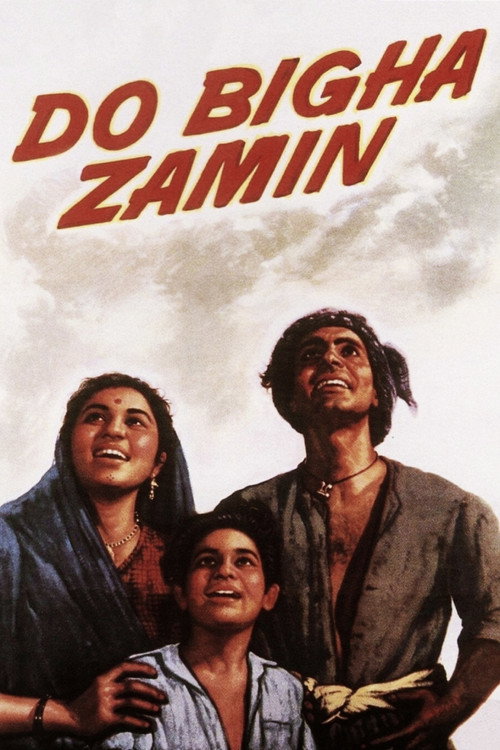
Two Acres of Land1953
A farmer fights to keep his land from a developer, echoing Neecha Nagar's core conflict but from a single man's devastating perspective. Dilip Kumar's performance anchors a story about dispossession that cuts to the bone.
But Relentlessly bleak and tragic. There's no victory here, only the weight of systemic injustice. Can feel punishing if you go in hoping for hope.
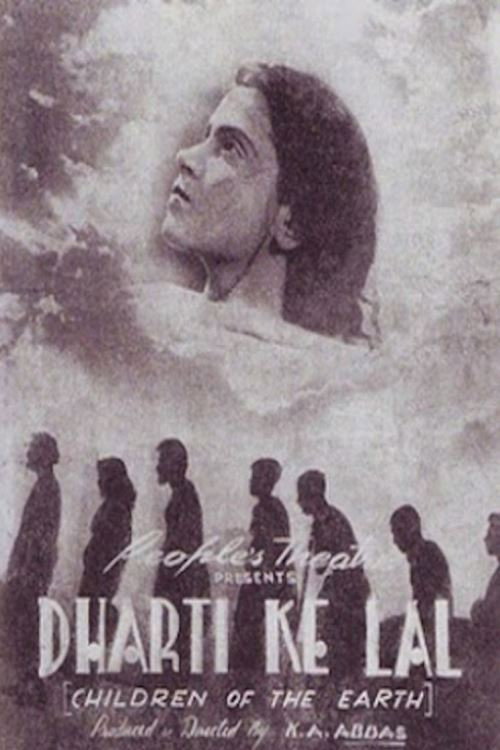
Dharti Ke Lal1946
Released the same year as Neecha Nagar, this Khwaja Ahmad Abbas film about the Bengal famine is similarly committed to showing exploitation through the eyes of the afflicted. Both films emerged from the same radical moment in Indian cinema.
But Historically specific and tragic; the famine is not a backdrop but the entire subject. Its urgency can feel dated if you need distance from the historical moment.
Not sure tonight? Get a pick in a minute, starting from Neecha Nagar
The wildcard
Something you would not have found on your own.
Road to Life1931
Both films center collective action by the dispossessed as the path to dignity; both use non-professional actors and documentary-inflected style to authenticate struggle rather than sentimentalize it.
A Soviet film about homeless children organizing collectively to reclaim dignity, made 15 years before Neecha Nagar. Same moral architecture—the powerless finding strength through solidarity—but in Russian neorealism, creating a surprising dialogue across continents and ideologies about how cinema shows collective resistance.
But Soviet propaganda cinema, which carries its era's rhetoric and aesthetics. The prints available are often damaged, and the register feels very much of the 1930s.

More like this (5)
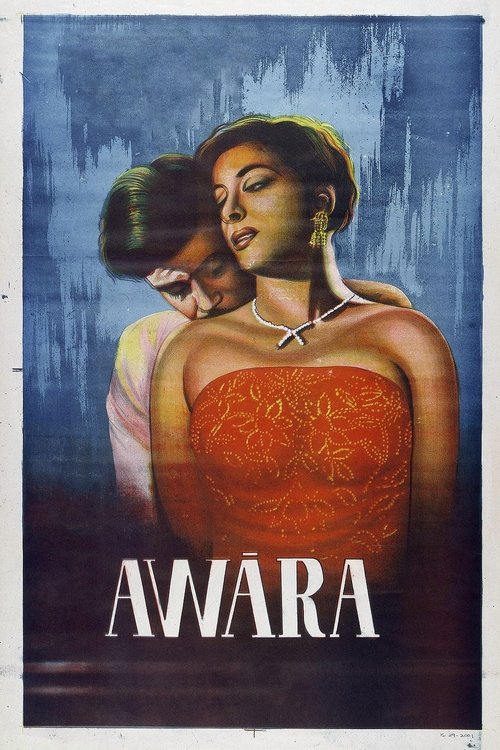
Awaara1951
Raj Kapoor's film about poverty and urban displacement has social conscience alongside melodrama—it wants to move your heart about inequality while entertaining you, which Neecha Nagar also attempts through different means.
But Much glossier and more romantic than Neecha Nagar. The spectacle and music can feel at odds with the serious social message, which some find inconsistent.
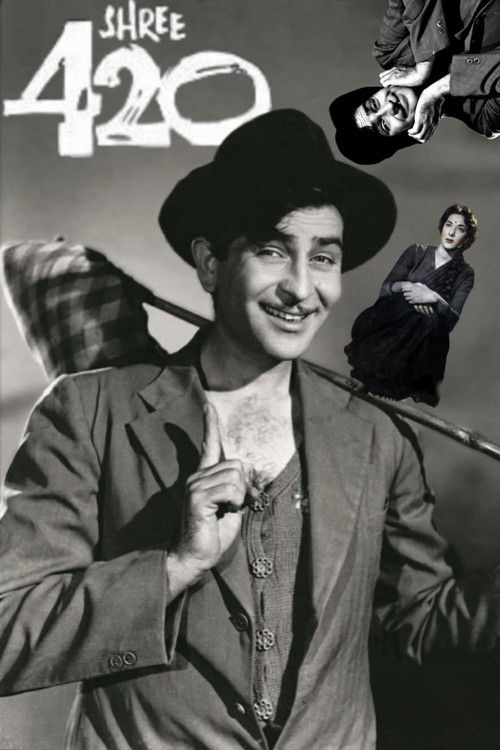
Shree 4201955
Raj Kapoor again, but this time examining poverty and moral compromise in postcolonial India. The film contrasts rural innocence with urban corruption in ways that parallel Neecha Nagar's class-based critique.
But A love story at its heart, and quite long. The musical interludes can interrupt the social argument if you're looking for relentless critique rather than entertainment.
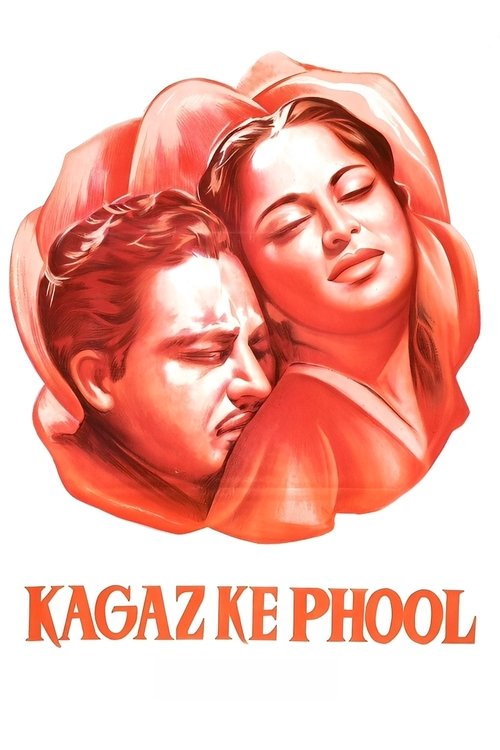
Kaagaz Ke Phool1959
Guru Dutt's masterpiece about a director's fall explores class and social ostracism through the prism of cinema itself. Both films care about the invisible, the excluded, the systematically erased.
But A tragic love story set in the film industry, not a social drama. The focus is intimate and personal rather than collective, which changes the whole register.
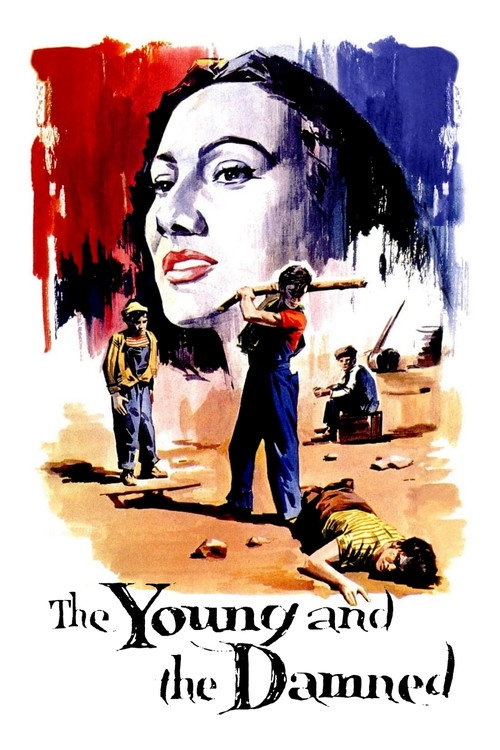
The Young and the Damned1950
Both films treat the excluded as fully human agents rather than victims, and both use cinema's visual power to make systemic cruelty impossible to ignore or aestheticize.
Buñuel's Mexico City film about street children and urban abandonment predates much neorealist cinema and channels moral fury into surreal, nightmarish sequences. Like Neecha Nagar, it refuses to make poverty picturesque, but Buñuel adds dreamlike distortion to show how displacement warps the mind.
But Surrealist and sometimes grotesque; sexual violence and child exploitation are shown directly. Not a comfortable film, and the surrealism can feel mannered or obscure rather than clarifying.
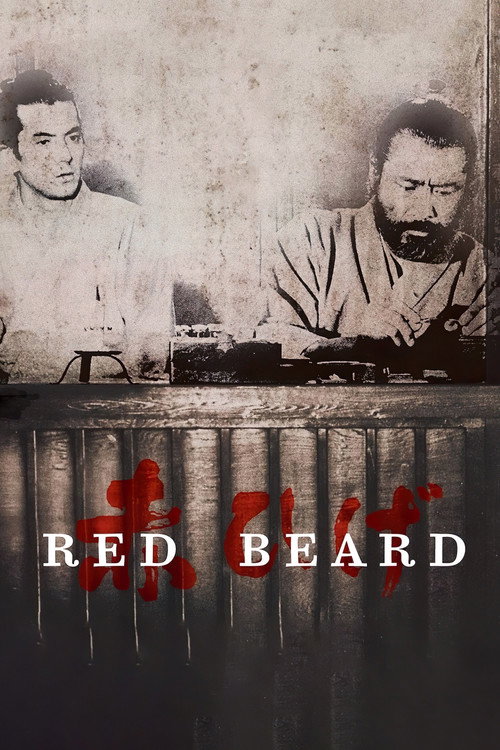
Red Beard1965
Both films propose that human dignity emerges through collective commitment to others' welfare; both show struggle not as dramatic confrontation but as daily, unglamorous, necessary work.
Kurosawa's longest film, set in an 18th-century Japanese clinic for the poor. A young doctor learns that serving the afflicted requires humility and solidarity—thematic terrain close to Neecha Nagar's moral inquiry, but mediated through Kurosawa's humanism and visual grandeur rather than realism.
But Three and a half hours in Japanese period setting about medical practice. The pacing is deliberate, the story episodic rather than driving toward climax, and the register is utterly different from the kitchen-sink urgency of Neecha Nagar.
People
Cast
- Rafiq AnwarBalraj
- Uma AnandMaya
 Kamini KaushalRupa
- Rafi PeerSarkar
- S.P. BhatiaSagar
- Hameed ButtYaqoob Chacha
- Mohan SaigalRaza
- B.M. VyasBhai
 Zohra SehgalBhabi
Directing
- Mohan SegalAssistant Director
- Chetan AnandDirector
Writing
- Hayatulla AnsariWriter
- Khwaja Ahmad AbbasWriter
Production
- A. HalimProducer
- R. S. RajanProducer
- Rashid AnwarProducer