
Film
Shor
A 1972 Hindi melodrama about a working-class father desperate to raise money for his mute son's surgery after a family tragedy. Shor (literally 'noise') is emotionally direct, built on the premise that love means sacrifice, with Manoj Kumar delivering a performance of raw determination. It's for viewers who want cinema unafraid of tears and moral clarity.
If you liked this
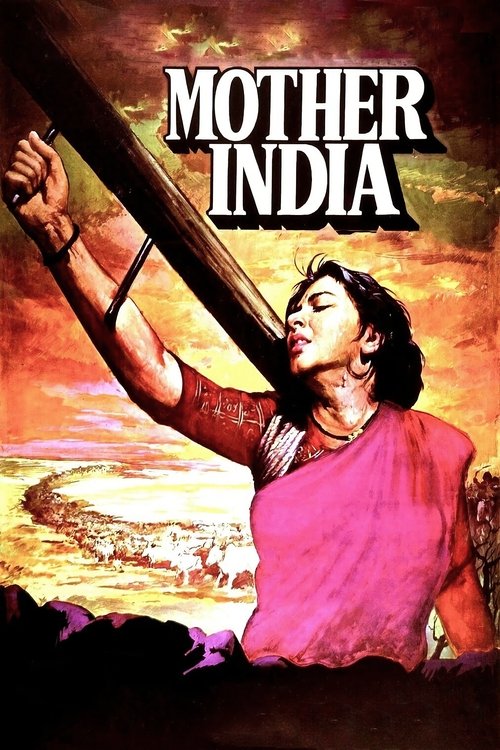
Mother India1957
The spiritual predecessor to this kind of intimate family tragedy. A mother's impossible choices to keep her family alive, framed with the same operatic devotion to suffering and redemption that defines Shor.
But Shot in a more formally theatrical style; the pacing reflects 1950s cinema, which can feel mannered to modern viewers.
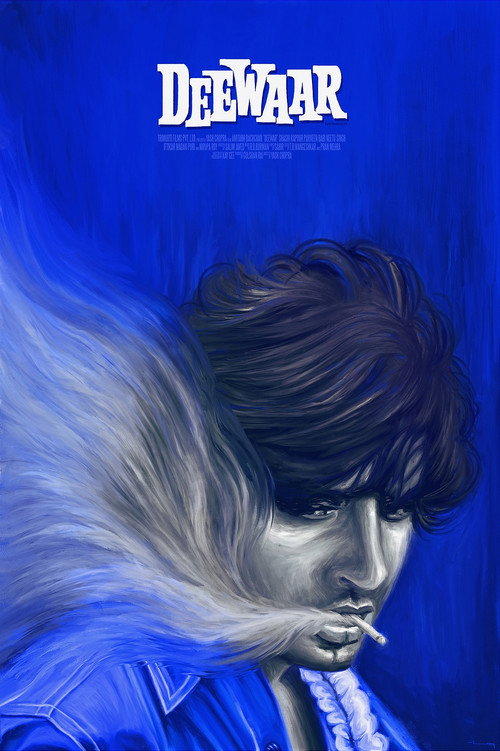
Deewaar1975
Another father-son story about sacrifice and class struggle, but with Amitabh Bachchan's angry young man energy. The emotional architecture is similar—a parent's willingness to debase themselves for their child—but Deewar lets resentment in.
But Bachchan's intensity and the film's length can feel exhausting; it's nihilistic where Shor offers spiritual comfort.
Khoon Ka Rishta1981
A contemporary revenge melodrama with the same Manoj Kumar, exploring how far a man will go when his family is destroyed. Same actor, same era, same moral seriousness about violence and duty.
But The plot hinges on genre conventions that can feel contrived; it's more plot-driven where Shor is character-driven.
Not sure tonight? Get a pick in a minute, starting from Shor
The wildcard
Something you would not have found on your own.
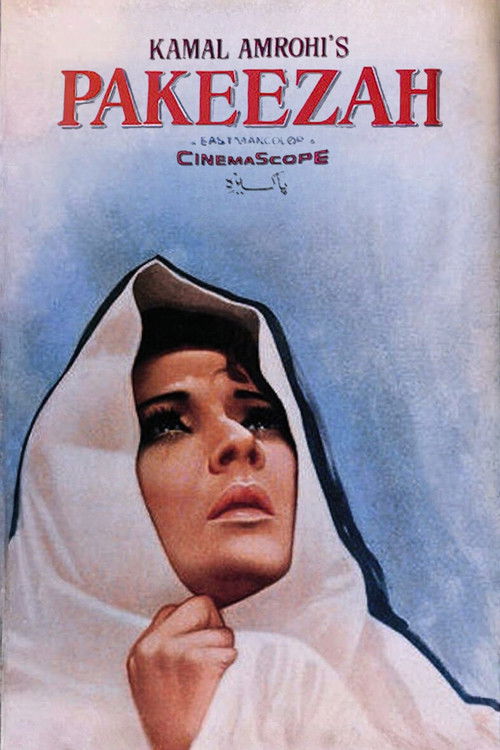
Pakeezah1972
Both 1972 films star Jaya Bachchan navigating impossible class boundaries; both use melodrama not as sentiment but as moral language.
Released the same year as Shor, another Jaya Bachchan film, but the inverse story—a woman of supposed shame seeking dignity and love. Both films are operatic and use class as destiny, but where Shor is about a man's will overcoming tragedy, Pakeezah is about a woman reclaiming her name.
But It's much more visually stylized and dreamlike; the narrative is fractured and requires patience. The romance can feel abstract.
More like this (8)
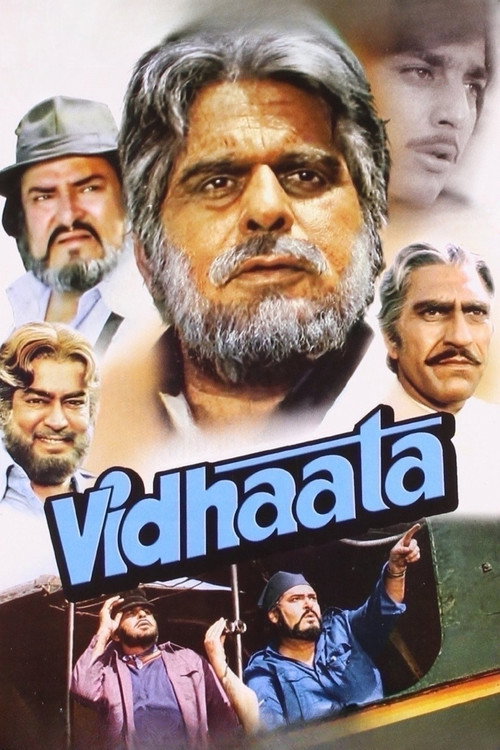
Vidhaata1982
A later Rajesh Khanna film about a father raising his children in poverty, with the same mythic approach to family obligation. Quieter than Shor but equally committed to the spiritual weight of parenthood.
But It's more domestic and less dramatically climactic; some find the pacing slow and the emotional notes repetitive.
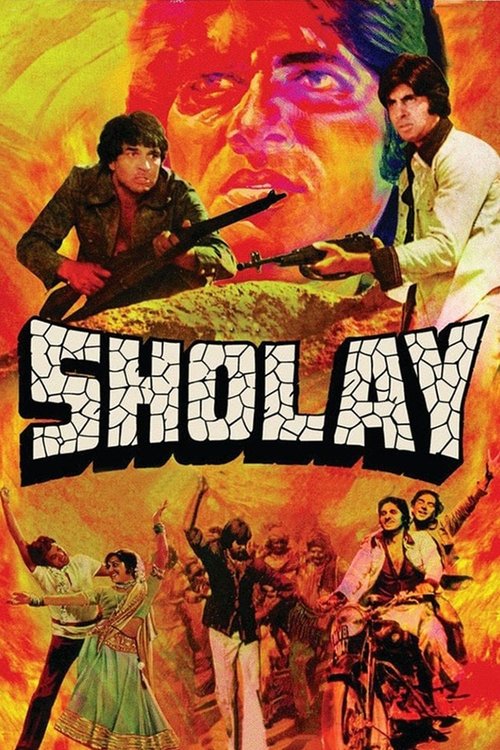
Sholay1975
The most influential Hindi film of the era. While it's a revenge Western rather than family melodrama, it shares Shor's commitment to spectacle in service of moral questions and Manoj Kumar's presence as a man of principle.
But Three and a half hours; it's an experience rather than a story you can drift through. The tonal shifts between comedy and violence take adjustment.
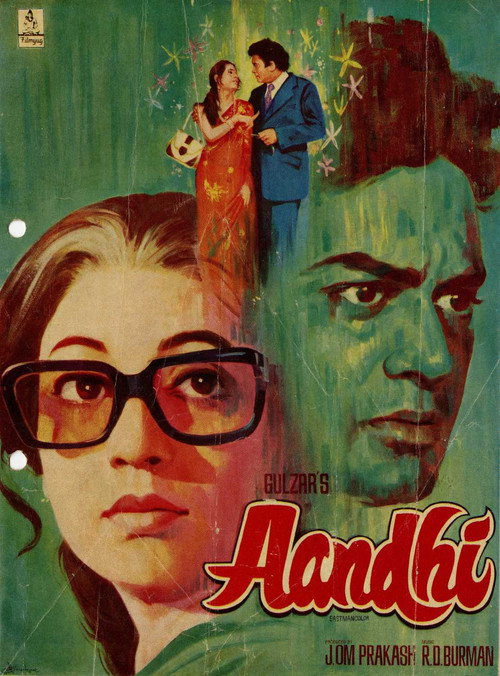
Aandhi1975
Jaya Bachchan (your film's second lead) in a political melodrama about marriage and public duty. Same era, same actress, same willingness to let emotion overwhelm plot.
But It's primarily about marriage and politics rather than family; if you came for the father-son story, this will feel sideways.
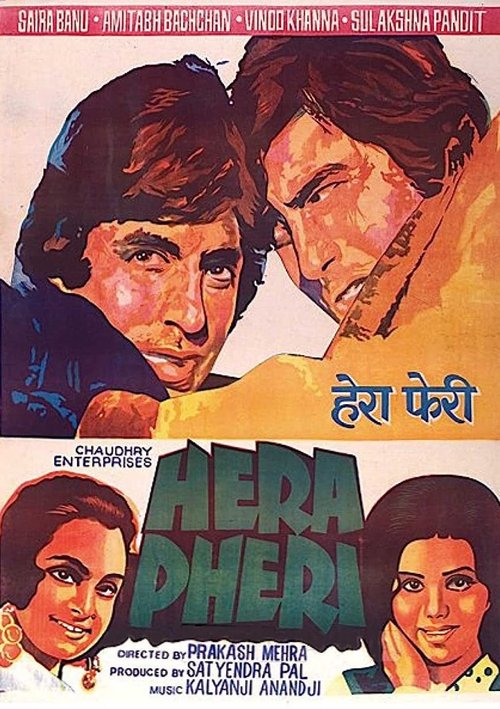
Hera Pheri1976
A heist film with Vinod Khanna and Jaya Bachchan that uses class struggle and desperation as its emotional engine, not just its backdrop. The stakes feel earned rather than imposed.
But It's a genre exercise first; the emotional depth is secondary, and some scenes prioritize plot mechanics over character.
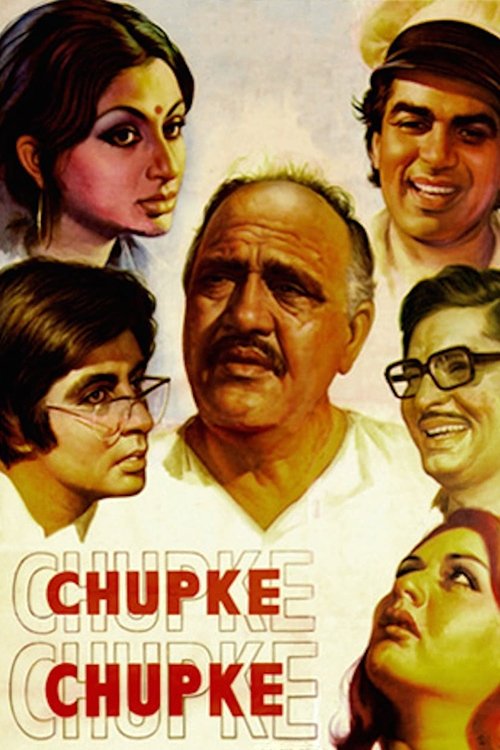
Chupke Chupke1975
Dharmendra and Jaya Bachchan in a domestic comedy that, despite its lightness, explores marriage and deception with real insight. A palate cleanser from Shor's intensity while remaining in the same era and sensibility.
But It's fundamentally a comedy; if you want the emotional weight Shor provides, this will feel too frothy.
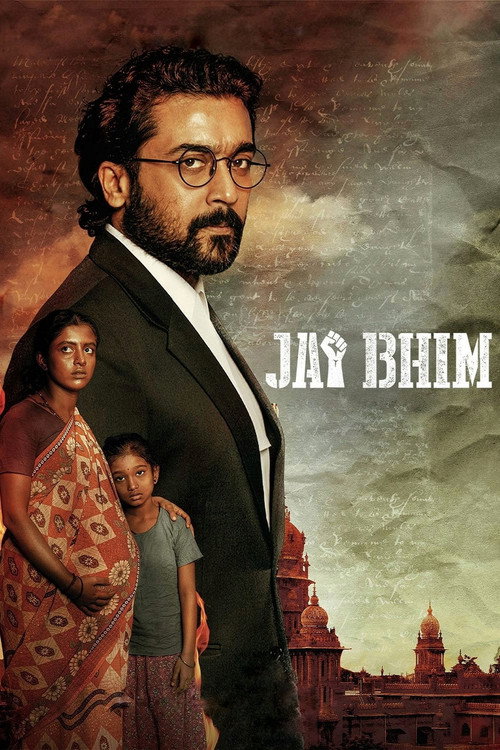
Jai Bhim2021
A modern Tamil film with the same DNA as Shor: a working-class man fighting a system that has crushed his family, with documentary-level social observation under the melodrama. Proof the form still speaks.
But Graphic depictions of police brutality and caste violence; it's angrier and less spiritually consoling than Shor's fatalism.
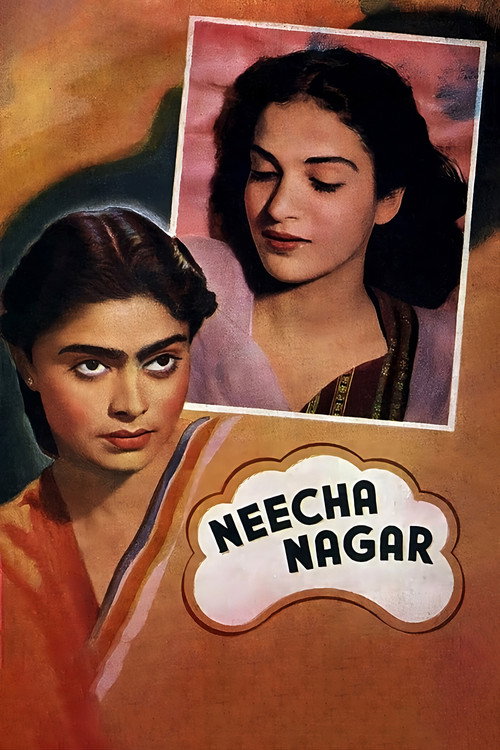
Neecha Nagar1946
Both films treat poverty as the engine of character rather than backdrop; both believe working-class people deserve mythic treatment.
A Chetan Anand film about slum dwellers that won the Palme d'Or before Indian cinema had a name internationally. It has Shor's DNA—working-class struggle, a father's determination, the moral clarity that poverty forces—but shot in neorealist black-and-white that grounds the melodrama in observable reality.
But Pre-independence filmmaking, so the image quality is poor; the pacing reflects 1940s narrative tempo. Subtitles and historical remove can create distance.
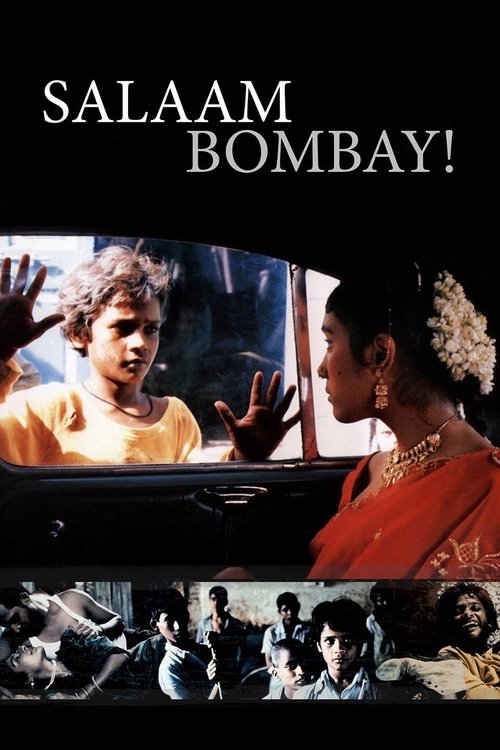
Salaam Bombay!1988
Both films are urban poverty studies; one believes in will and love, the other in systems and abandonment. They're arguments with each other.
Mira Nair's devastating portrait of a street child in Bombay. Where Shor imagines a father's love as redemptive, Salaam Bombay shows a child nobody is coming for. Same city, same era of hardship, but with the moral ambiguity Shor avoids. A dark mirror.
But It's bleak and offers no comfort. The child protagonist is failed by every system, and the film doesn't redeem that. Some find it nihilistic where they wanted faith.
People
Cast
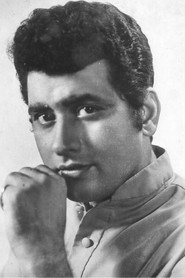 Manoj KumarShankar
 Jaya BachchanRaat Ki Rani / Rani
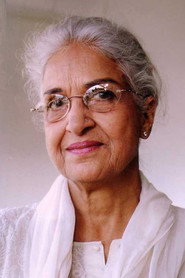 Kamini KaushalShankar's Mom
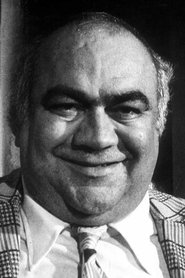 Premnath MalhotraKhan Badshah
- Meena TalpadeShanta
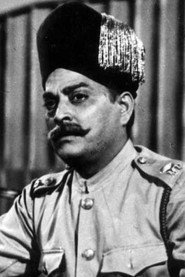 Raj MehraDoctor
 AsraniShantilal
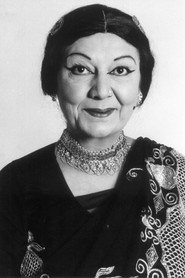 ManoramaVictoria
Directing
- Chandra BarotAssistant Director
- Manoj KumarDirector
Writing
- Manoj KumarWriter