
Film
Road to Life
Soviet drama from 1931 about street orphans and troubled youths recruited into a labor commune during post-Civil War hardship. Nikolai Batalov leads a reformatory experiment mixing ideology with genuine humanity. Handsomely shot, emotionally direct, this is early sound cinema proving itself as a serious medium—urgent rather than sentimental.
If you liked this
M1931
Fritz Lang's first sound film, released the same year, tracks a child killer through Weimar Berlin with stark realism and moral urgency. Like Road to Life, it uses cinema to interrogate society's broken parts.
But The subject matter is dark and the pacing deliberate. If you want entertainment rather than confrontation, look elsewhere.

Battleship Potemkin1925
Eisenstein's revolutionary masterpiece about mutiny and collective action. It shares Road to Life's conviction that cinema can document social transformation and inspire belief in human change.
But It's silent, formally experimental, and demands active viewing. The montage style can feel dated if you're not prepared for it.

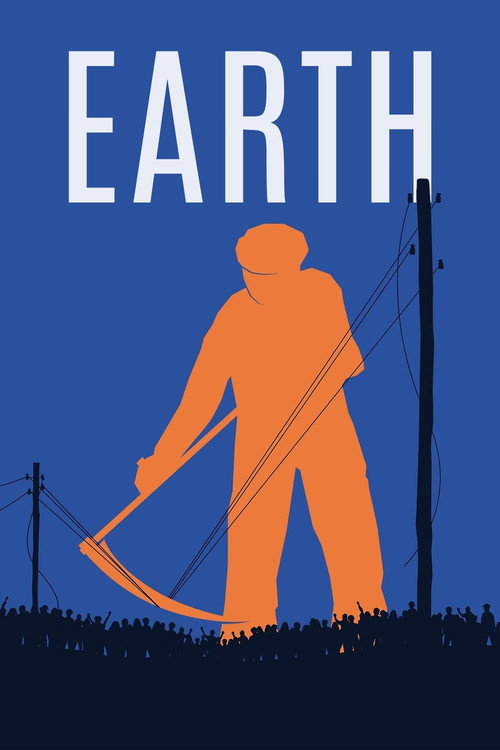
Earth1930
Dovzhenko's Ukrainian epic about collectivization uses landscape and ordinary people to explore idealism meeting reality. Both films find tragedy and hope in the same historical moment.
But It's meditative and visual rather than plot-driven. The pacing will test anyone accustomed to narrative momentum.
Not sure tonight? Get a pick in a minute, starting from Road to Life
The wildcard
Something you would not have found on your own.
Bicycle Thieves1948
Both films pit individual or collective hope against indifferent institutions; both trust that showing ordinary suffering is more powerful than explaining it.
Rossellini's Italian neorealist masterpiece about a man's desperate search for his stolen bicycle in post-war Rome—a wholly different cinema tradition but asking the same question: does society have any obligation to its most vulnerable people? Both films use a simple premise to expose structural indifference.
But It's slow, unhappy, and has no hero to root for. The ending offers no resolution, only clarity about how the world actually works.

More like this (8)
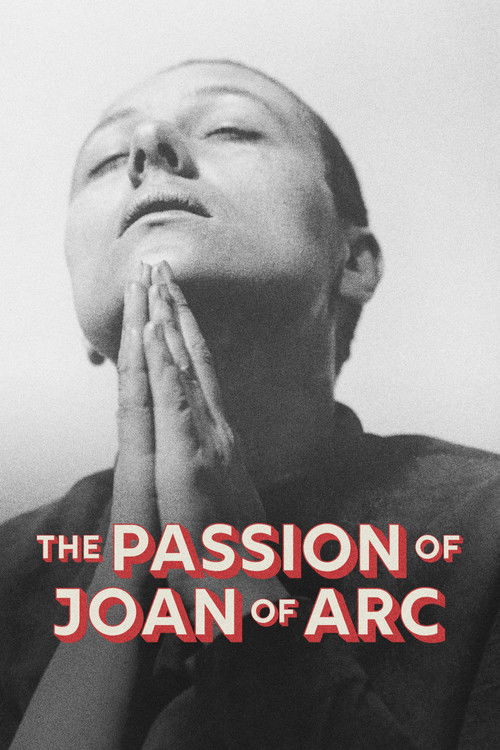
The Passion of Joan of Arc1928
Dreyer's silent masterpiece about conviction and suffering, featuring Renée Jeanne Falconetti's devastating performance. Like Road to Life, it refuses sentimentality while asking what faith costs.
But It's relentlessly grim and emotionally exhausting. The close-ups of anguish can feel unbearable.
Metropolis1927
Fritz Lang's earlier epic about class division and redemption. Both films use utopian impulses to explore whether society can actually reform itself, and at what human cost.
But At over two hours with restored footage, it's visually overwhelming. The plot is earnest to the point of naïveté.

The General Line1929
Eisenstein's Soviet drama about agricultural collectivization, blending propaganda with genuine character and visual invention. It captures the same historical urgency as Road to Life.
But The ideological messaging is blunt. If you find Soviet cinema's rhetoric heavy-handed, this will confirm it.
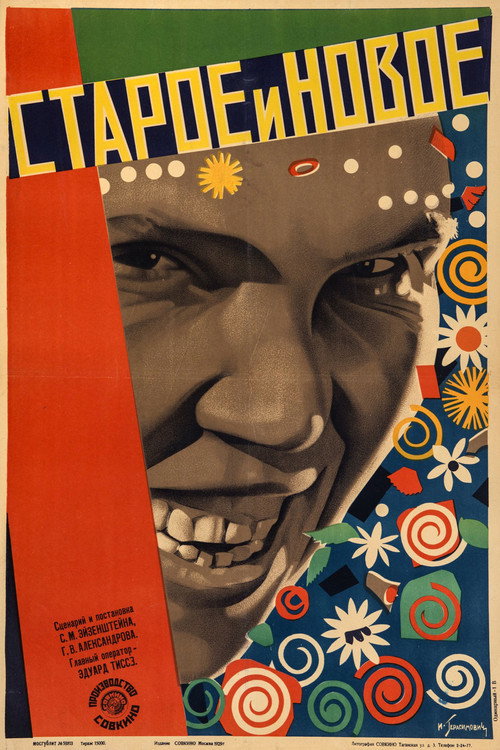
Sunrise: A Song of Two Humans1927
F.W. Murnau's talkie about urban corruption and redemption, with visual sophistication and emotional depth. Both films trust that audiences will sit with moral complexity.
But The sentimentality of the ending may feel manipulative. The pacing is slow by modern standards.

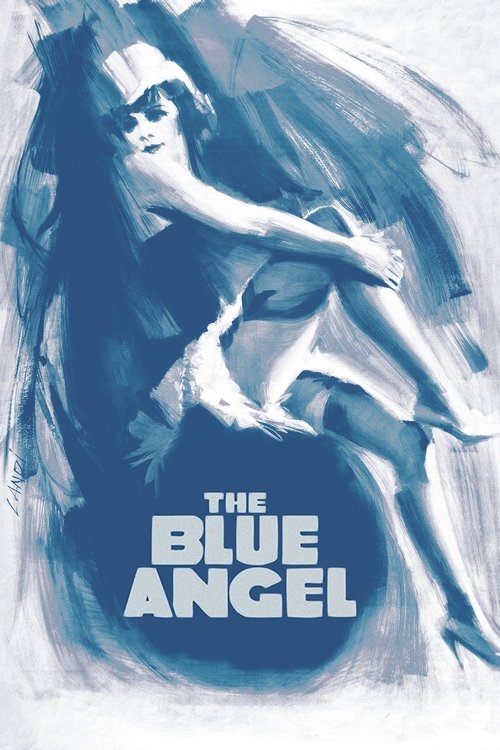
The Blue Angel1930
Sternberg's Berlin classic about corruption and moral collapse. Like Road to Life, it captures a historical moment of social crisis with unflinching honesty and extraordinary visual style.
But It's erotic and cynical, the opposite of Road to Life's hopefulness. The misogyny embedded in its worldview is real.
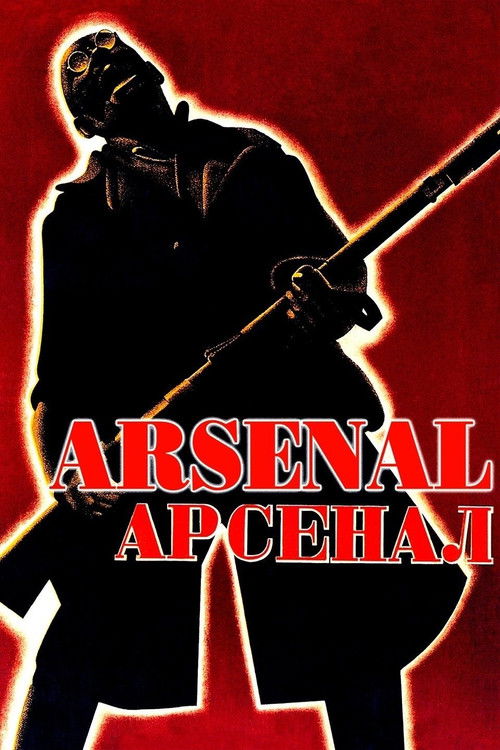
Arsenal1929
Dovzhenko's Kiev film about revolution and sacrifice, with visual poetry that rivals anything in Soviet cinema. Both are about transformation, shot with conviction and beauty.
But It's abstract and symbolic rather than narrative. You need patience for elliptical storytelling.
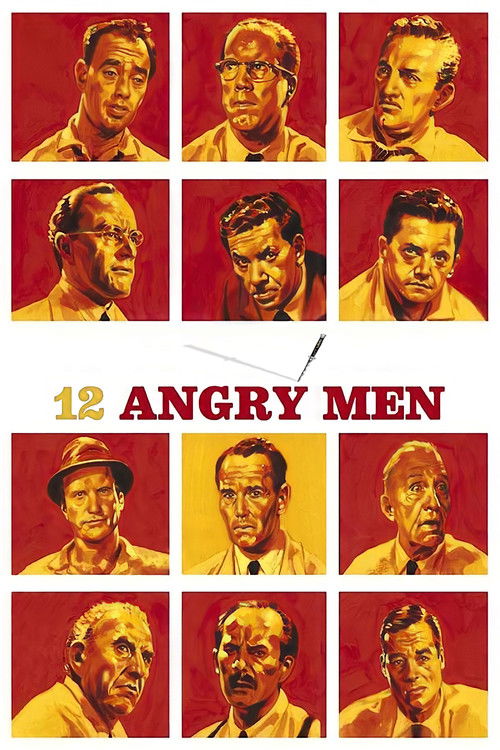
12 Angry Men1957
Both are about rehabilitation through collective effort and individual conviction—watching people change their minds because someone refuses to accept the easy answer.
Sidney Lumet's jury-room drama about reason and persuasion, where one man attempts to reform a group of strangers through argument and appeal to conscience. Like Road to Life, it believes transformation is possible and watches it happen in real time, character by character.
But It's nearly all dialogue in one room. If you need action or visual spectacle, you'll find this stagey and tedious.
Kes1970
Both films locate hope in the relationship between a transformative adult and a youth written off by society; both refuse false comfort while refusing despair.
Ken Loach's film about a northern English boy who escapes his grim life through training a hawk. Like Road to Life, it follows a difficult young man discovering agency and purpose through patient mentorship, shot with unromantic clarity and deep feeling for working-class struggle.
But It's bleak, the outcome is complicated, and there's no triumphant finale. The accent and dialect may be challenging for non-British viewers.

People
Cast
 Nikolai BatalovНиколай Иванович Сергеев, организатор трудовой коммуны
 Yvan KyrlyaМустафа «Ферт»
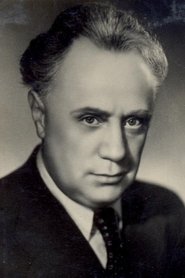 Mikhail ZharovФомка «Жиган»
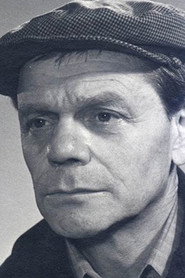 Vladimir UralskiyHead of children allocation (uncredited)
 Rina Zelyonayaдевушка из «малины» Жигана
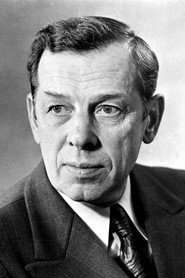 Georgi Zhzhyonov(нет в титрах)
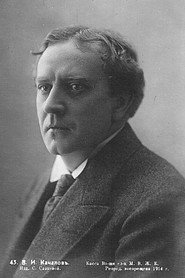 Vasiliy Kachalovвступительное и заключительное слово
 Aleksander NovikovВаська «Буза»
- Mariya Andropovaдетский соц.инспектор Мария Скрябина
- Vladimir Vesnovskyотец Кольки
- Mariya GonfaЛелька «Мазиха»
 M. Libakov-Ilyinskiyэпизод (нет в титрах)
Directing
- Nikolai EkkDirector
Writing
- Anton MakarenkoNovel
- Aleksandr StolperWriter
- Nikolai EkkWriter
- Regina YanushkevichWriter
Production
- Moisey AleynikovProducer