
Film
The General Line
Eisenstein's 1929 silent film tracks a peasant woman's crusade to modernize her village through collective farming and Soviet progress. It's a work of staggering visual invention—montage as argument, tractors as metaphor—where every frame crackles with ideological conviction. For anyone serious about cinema history or fascinated by how politics becomes art.
If you liked this
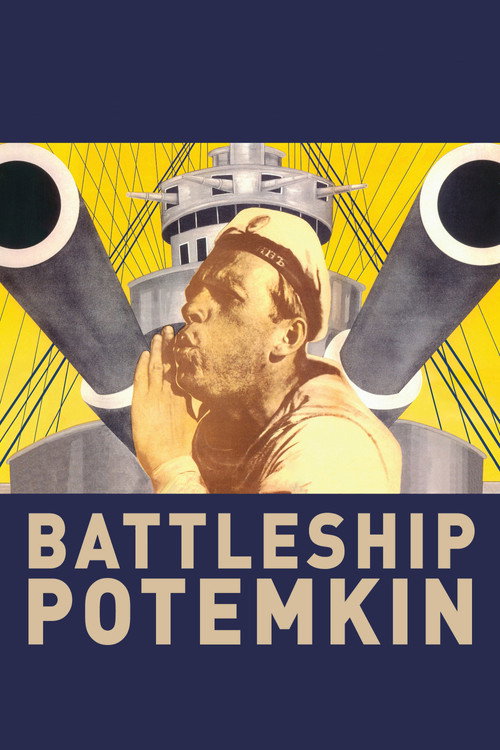
Battleship Potemkin1925
Eisenstein's earlier masterpiece and the foundation for everything he'd attempt after. The Odessa Steps sequence alone justifies the watch; it's cinema discovering what it can do.
But Silent film, 70 minutes, and the pacing is deliberate rather than propulsive. Requires patience and an openness to montage as narrative.
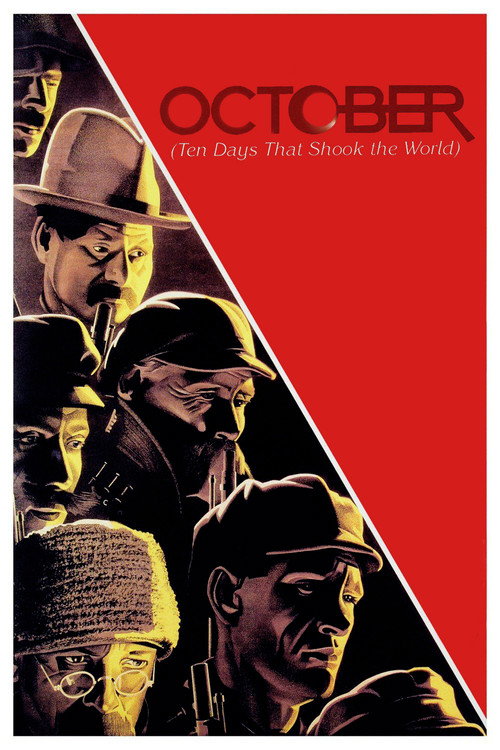
October (Ten Days that Shook the World)1928
Eisenstein at peak formal experiment, treating the Russian Revolution as pure visual symphony. Audacious, strange, and every shot was chosen to mean something.
But Even more abstract than The General Line. Plot is secondary to the collision of images, which can feel like watching someone else's fever dream.
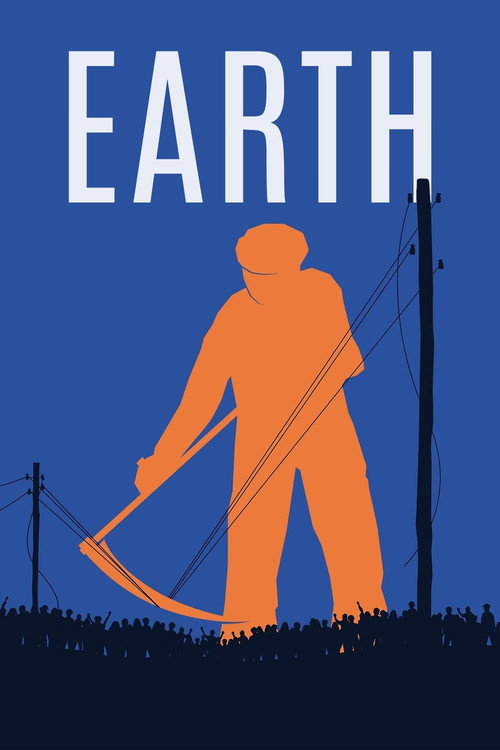
Earth1930
Dovzhenko's Ukrainian masterpiece channels Eisenstein's visual radicalism but with a different soul—earthy, sensual, mythic. Death and harvest as the same thing. Hypnotic.
But Also silent, also Soviet, also demands you meet it halfway. The pacing will feel glacial if you're expecting conventional narrative momentum.
Not sure tonight? Get a pick in a minute, starting from The General Line
The wildcard
Something you would not have found on your own.
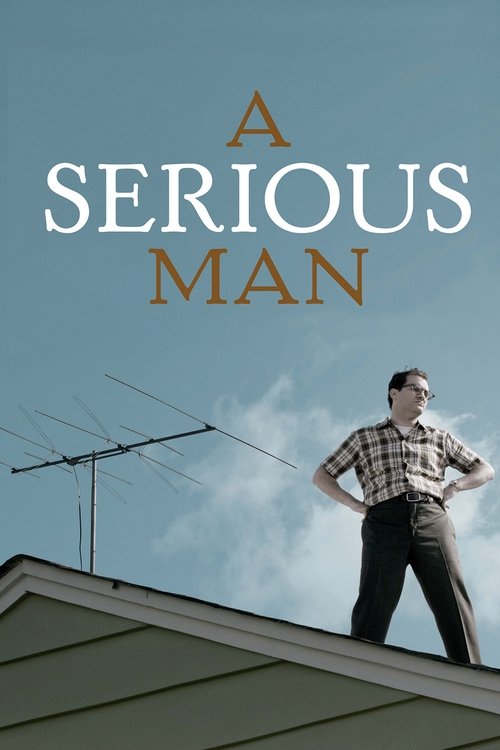
A Serious Man2009
Both films use a protagonist caught between old ways and new systems, but where Marfa's journey affirms collective progress, Larry Gopnik's demolishes faith in any system. Inverted mirror images of the same ideological crisis.
The Coen Brothers' meditation on social order, ideological collapse, and what happens when systems fail you. A Jewish-American film grappling with the same question: can progress and faith coexist? Formally restless and genuinely unsettling.
But Black comedy about despair and meaninglessness. If you came to The General Line for Soviet optimism, this is its acid counterargument. Also divisive—many find it distancing and bleak.
More like this (6)
Man with a Movie Camera1929
Dziga Vertov's kinetic documentary essay, filmed the same year as The General Line. A city filmed as symphony; proof that the avant-garde and reportage aren't opposites.
But No plot, no characters, no conventional structure. Some find it exhilarating; others find it exhausting exercises in technique.

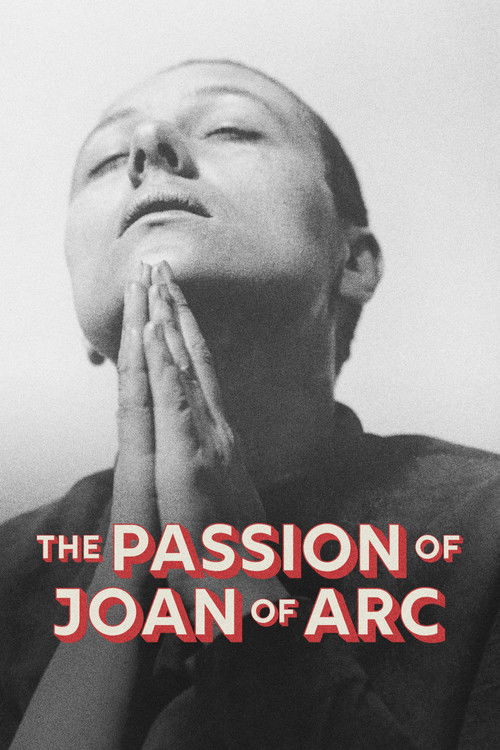
The Passion of Joan of Arc1928
Dreyer's silent masterpiece. Where Eisenstein argues through montage, Dreyer argues through the actor's face. Both are reaching for transcendence through cinema; radically different approaches.
But Emotionally brutal. Renée Jeanne Falconetti's performance is so exposed it can feel uncomfortably intimate, even voyeuristic.
Sunrise: A Song of Two Humans1927
Murnau's silent film about temptation and redemption. Visually sophisticated without being didactic. A companion to Eisenstein—showing what German Expressionism brought to silent cinema.
But The story is slight and the moralizing dated. If you're watching for plot, you'll miss why it matters.

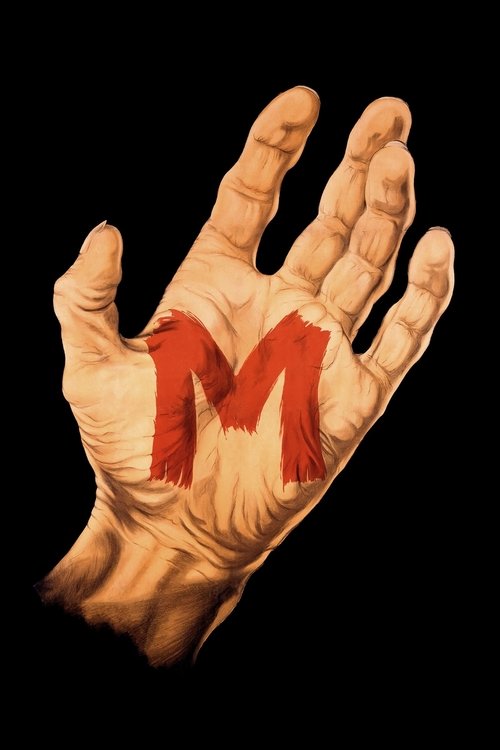
M1931
Lang's early talkie examines society from the bottom up—the inverse of Eisenstein's top-down ideological project. Darker, more skeptical, utterly gripping.
But Grim subject matter and the early sound recording is sometimes murky. Also arrives after the Soviet optimism of The General Line with significantly less faith in collective solutions.
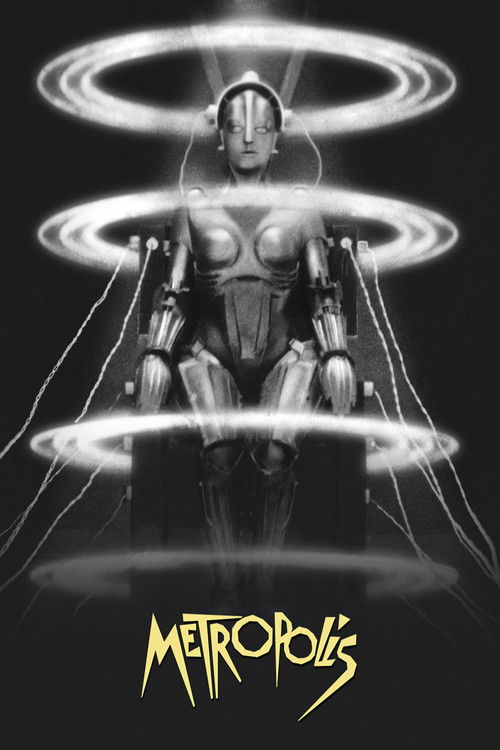
Metropolis1927
Lang's silent epic also grapples with industrialization and class, but through German Expressionist glamour rather than Soviet realism. Spectacle meets ideology in a very different register.
But The restored versions are long and the story can feel muddled. Some of the class politics are simplistic by comparison to Eisenstein's work.
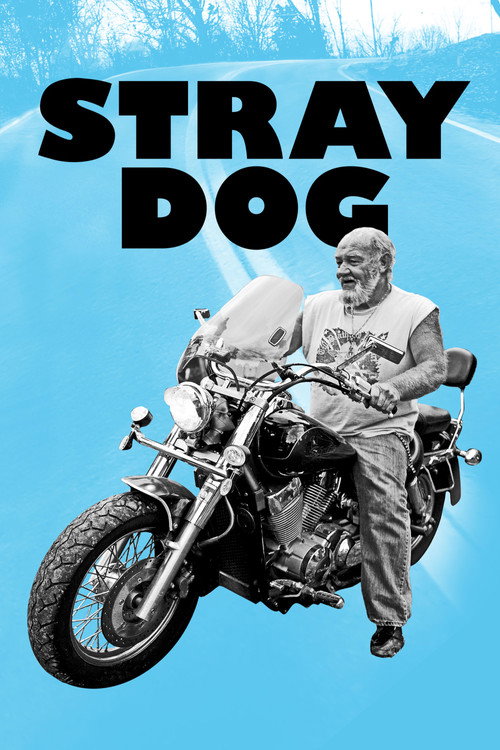
Stray Dog2014
Kurosawa's postwar masterpiece channels Soviet montage and German Expressionism into something entirely his own. Proof the formal language Eisenstein pioneered had world-historical reach.
But It's long, densely constructed, and the 1952 context (occupied Japan) won't be immediately obvious without some reading. Requires investment.
People
Cast
- Marfa LapkinaMarfa
- M. IvaninMarfa's son
- Konstantin VasilyevTractor Driver
- Vasili BuzenkovSecretary of the milk cooperative
- NezhnikovMiroshkin - Schoolmaster
- ChukamaryevThe butcher
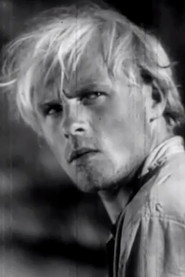 Ivan YudinKomsomolets
- E. SuharevaWitch
- G. MatveiPriest
- Lev IvanovStudent (uncredited)
Directing
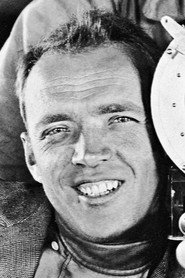
- Maksim ShtraukhAssistant Director
- Mikhail GomorovAssistant Director
- Grigori AleksandrovDirector
- Sergei EisensteinDirector
Writing
- Grigori AleksandrovWriter
- Sergei EisensteinWriter