
Film
Arsenal
- Drama
- Very dark
A 1929 Soviet silent film about a soldier adrift in revolution-torn Kyiv, caught between nationalist and Bolshevik forces at the Arsenal factory. Dovzhenko's visual poetry transforms political upheaval into nightmare and myth. Formally daring, ideologically uncompromising, difficult and unmissable—a film that rewires how you see cinema.
Should you watch it?
Watch it if you love silent cinema where images carry the argument, with bold montage, sweeping crowd movement and a political fury that Soviet filmmakers put into every frame.
Skip it if you need tight plotting and clear character arcs, because this one is more a restless series of striking tableaux and sudden jolts than a story that unfolds in a straight line.
What it asks of you: It runs about ninety-three minutes and asks you to read pictures rather than dialogue, staying alert as scenes cut hard and the mood shifts without much warning.
Not sure? Find tonight's pick in a minute.
If you liked this
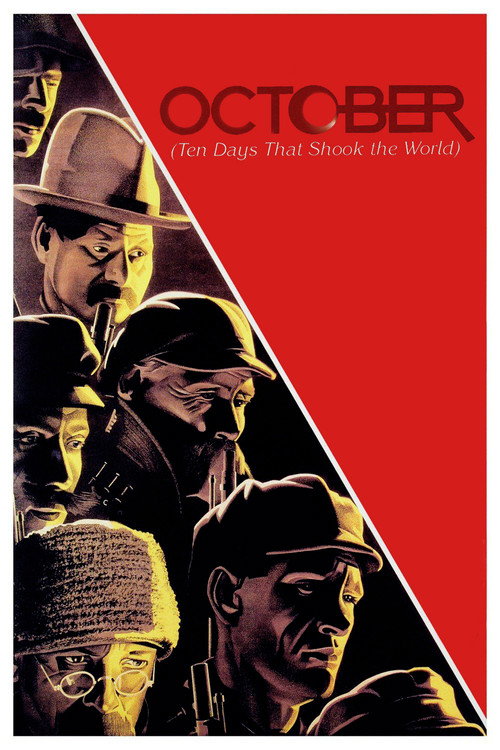
October (Ten Days that Shook the World)1928
Eisenstein's montage masterpiece of the Russian Revolution. If Arsenal is Dovzhenko's fever dream of politics, this is the grand architectural vision. Both films remake cinema itself, but October builds cathedrals where Arsenal walks through hell.
But It's longer, denser, and requires active engagement with Soviet montage theory. The editing style can feel alien even to modern viewers comfortable with experimental cinema.
Man with a Movie Camera1929
Vertov's kaleidoscopic city symphony made the same year. Both films reject narrative for pure visual experience; both treat location—Kyiv and Moscow—as living protagonist. A companion piece that shows different Soviet formal possibilities.
But No actors, no plot, no traditional structure. Pure cinema in the abstract. If you came for story, this will test your patience severely.

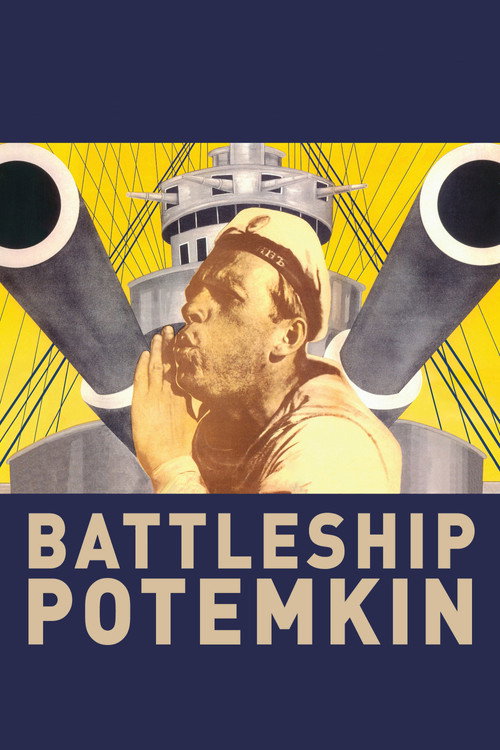
Battleship Potemkin1925
Eisenstein's earlier revolution film. Shares Arsenal's political urgency and formal innovation, but Potemkin is more accessible—a genuine narrative about mutiny. Same era, same stakes, more entry points.
But It's also Soviet propaganda cinema with an explicit political message. If you're watching to avoid ideology, neither this nor Arsenal is for you.
Not sure tonight? Get a pick in a minute, starting from Arsenal
The wildcard
Something you would not have found on your own.
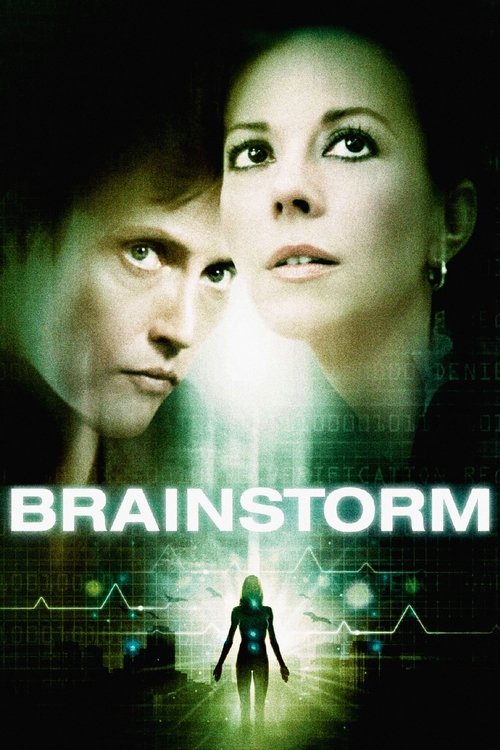
Brainstorm1983
Both are Soviet films treating cinema itself as a medium that can alter consciousness and reveal hidden truths. Both prize visual and conceptual boldness over conventional narrative satisfaction.
Natasha Sharygina stars as a woman recording experiences directly into the brain—Arsenal becomes science fiction. Like Arsenal, it's a Soviet film that uses cinema as metaphysical technology. Where Dovzhenko sees revolution as a dream, Konchalovskiy makes the dream literal.
But It's a 1980s soft-SF thriller, tonally distant from 1920s expressionism. The plot mechanics can feel crude compared to Arsenal's visual abstraction.
More like this (8)
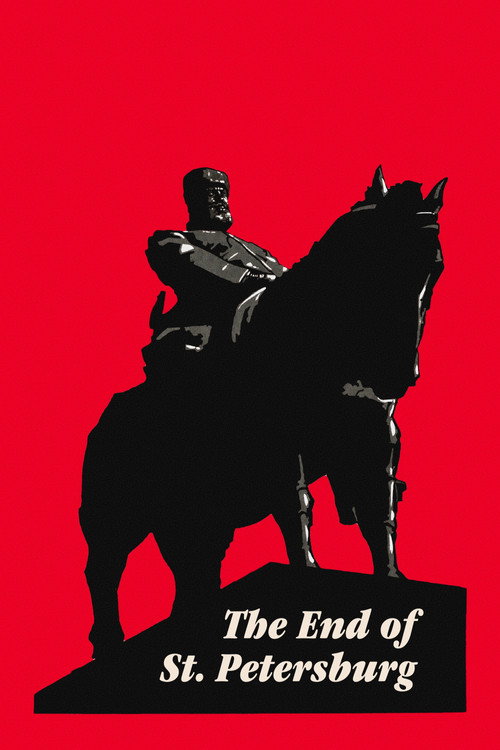
The End of St. Petersburg1927
Pudovkin's revolution film balances narrative and montage elegantly. A peasant boy becomes a soldier; the war becomes politics becomes cinema. Shares Arsenal's provincial perspective on grand historical forces.
But Silent film with intertitles in translation can feel distancing. The pacing is glacial by modern standards, demanding patience that not everyone has.
Nosferatu1922
German Expressionism as pure visual language—distorted, shadows, psychological landscape made physical. Like Arsenal, it abandons realism for nightmare logic. Politics become vampire; revolution becomes plague.
But Horror of a very different kind. If you want historical politics, this abstracts them into metaphor to an unsettling degree.

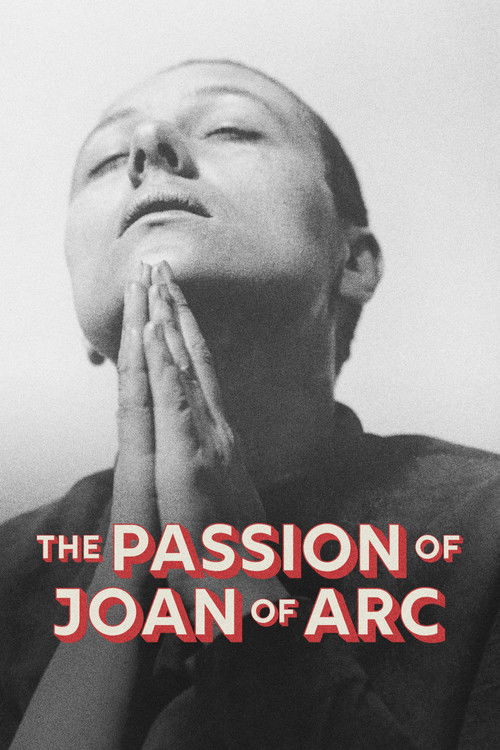
The Passion of Joan of Arc1928
Dreyer's close-ups of suffering and faith. Like Arsenal, it's about ideological conviction meeting overwhelming force. Different subject, same moral temperature—spiritual anguish rendered luminous.
But Utterly focused on a woman's face and internal collapse. No action, no politics as spectacle. Requires you to sit with grief for ninety minutes.
The Phantom Carriage1921
Sjöström's Swedish ghost film uses supernatural form to explore morality and redemption. Like Arsenal, it treats the fantastic and the real as equals. Both films see cinema as a tool for metaphysical vision.
But It's a moral fable dressed as ghost story. The piety can seem dated; the slow reveal tests whether you believe in the story being told.

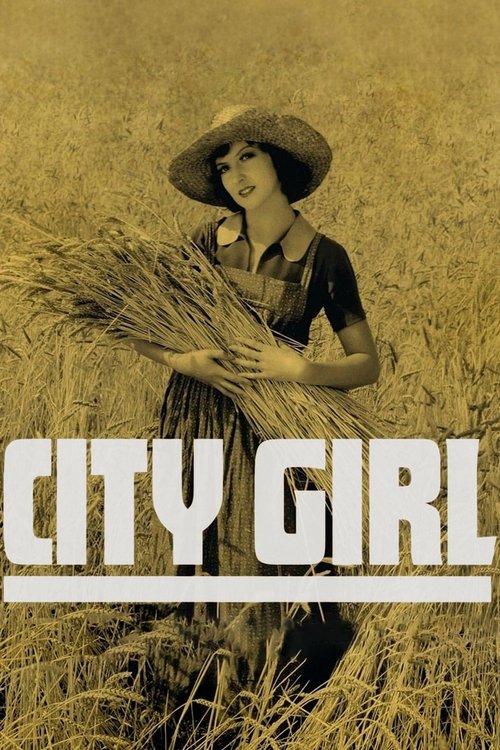
City Girl1930
F.W. Murnau's American film, made around the same time, about rural life colliding with urban machinery. Shares Arsenal's visual poetry and its sense that modernity is both salvation and catastrophe.
But It's more conventional narratively. If you're drawn to Arsenal for its formal risk-taking, this will feel safer and less urgent by comparison.
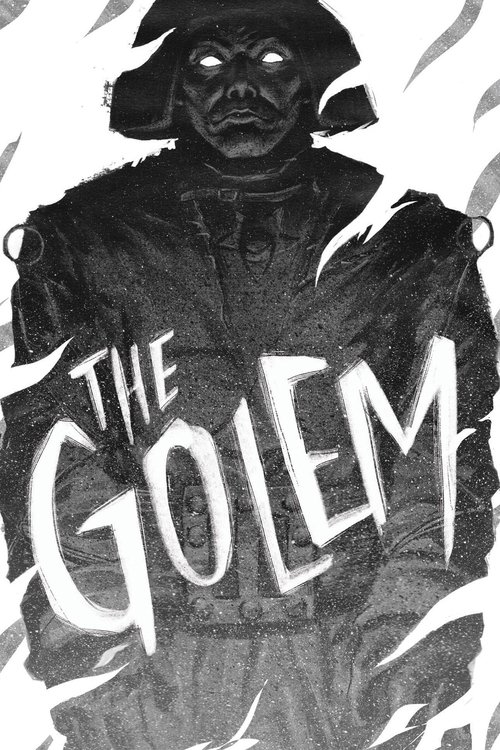
The Golem: How He Came into the World1920
German Expressionism turned to legend—a creature made of clay, brought to life to save a people, becomes their destroyer. Formally ambitious, thematically about revolution and its uncontrollable forces.
But The plot is thin and the pacing deliberate. It's a visual and thematic experience rather than a dramatic one, which can feel insubstantial to story-first viewers.
Come and See1985
Both films refuse to prettify political violence. Both place a young protagonist at the mercy of forces beyond comprehension. Both argue that cinema has a duty to show what ideology actually costs.
A Belarusian film of devastating power: a boy finds a rifle during WWII and discovers what war actually means. Like Arsenal, it refuses beauty or comfort when documenting ideological violence. But where Arsenal is montage and myth, Come and See is unflinching realism—harder to watch, equally important.
But It contains genuine atrocity imagery and the desecration of corpses. It's not abstract; it's horrifying. Many viewers will find it unwatchable, and that's a legitimate choice.

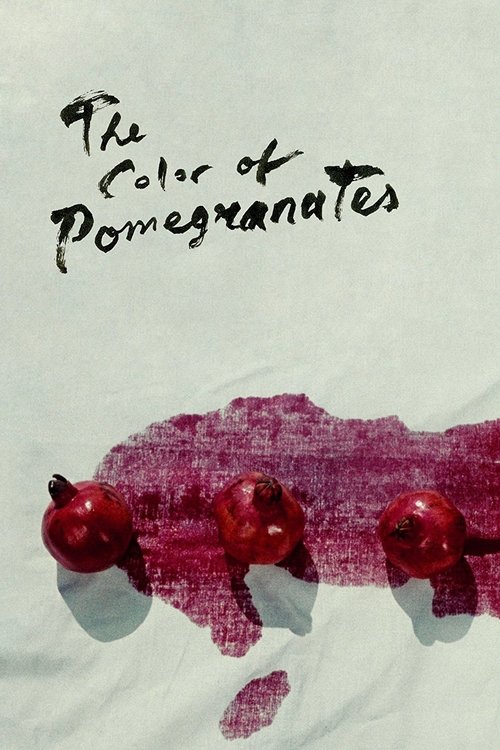
The Color of Pomegranates1969
Both are Soviet films that use montage and visual abstraction to evoke inner states rather than external events. Both treat cinema as a fine art medium rather than a storytelling mechanism. Both were controversial for subordinating politics to pure form.
Sergei Parajanov's biography of an 18th-century Armenian poet. Pure visual abstraction—no plot, just tableaux vivants of astonishing color and composition. Like Arsenal, it's cinema as poetry and painting. But Pomegranates abandons all Soviet orthodoxy; it's sensual, decorative, unapologetically gorgeous.
But There is no conventional narrative and almost no dialogue. It moves at the pace of a gallery, not a story. Many will experience it as pretentious formalism rather than film.
People
Cast
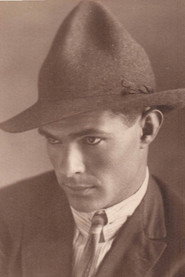 Semyon SvashenkoTymish
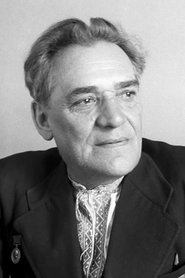 Amvrosii Buchmaa German soldier
- Dmytro Erdmana German officer
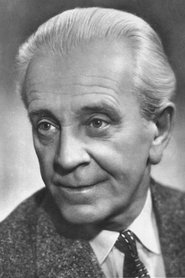 Sergey Petrova German officer
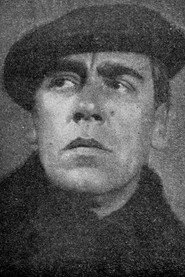 Mykola KuchynskyiPetliura
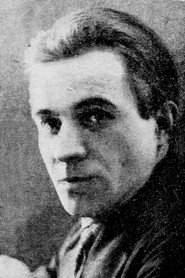 Mykola Nademskyia nationalist with a lamp
- Borys Zahorskyidead German soldier
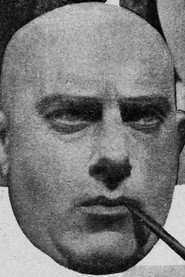 Osyp MerlattiMykhailo Sadovskyi
- Heorhii Khorkova Red Army soldier
- Andrii Mykhailovskyinationalist
- Oleksandr YevdakovNicholas II
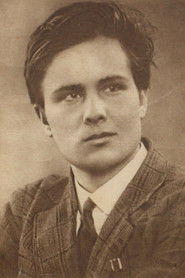 Petro Masokhaworkman
Directing
- Aleksei KaplerAssistant Director
- Alexander DovzhenkoDirector
Writing
- Alexander DovzhenkoWriter
Production
- Alexander DovzhenkoProducer