
Film
Hands Up!
A silent comedy from 1926 where a Confederate spy chases stolen gold across the Civil War, tangling with two sisters, Native Americans, and his own incompetence. It's broad, physical, and pleasingly silly—the kind of film that proves silent comedians understood momentum and timing better than almost anyone since.
If you liked this
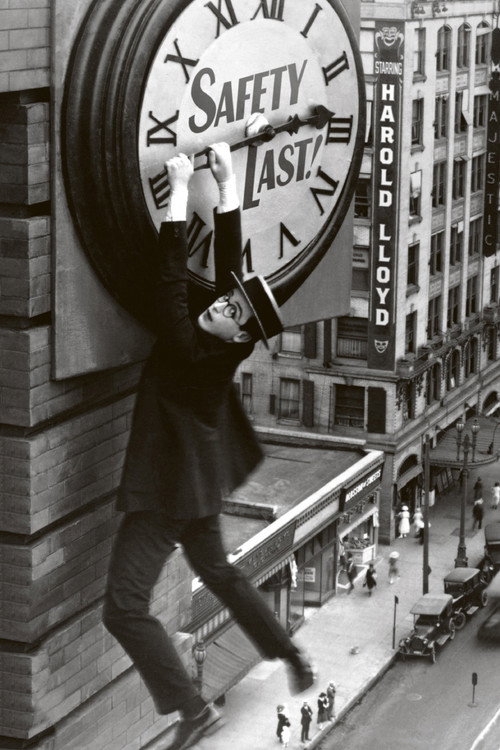
Safety Last!1923
Harold Lloyd scaling a twelve-storey building with his bare hands is cinema's purest distillation of escalating chaos and nerve. The stunts are real, the gags build perfectly, and it's genuinely thrilling.
But Silent comedy demands patience with its pacing and titles. If you need dialogue and music to stay engaged, this will feel glacial.
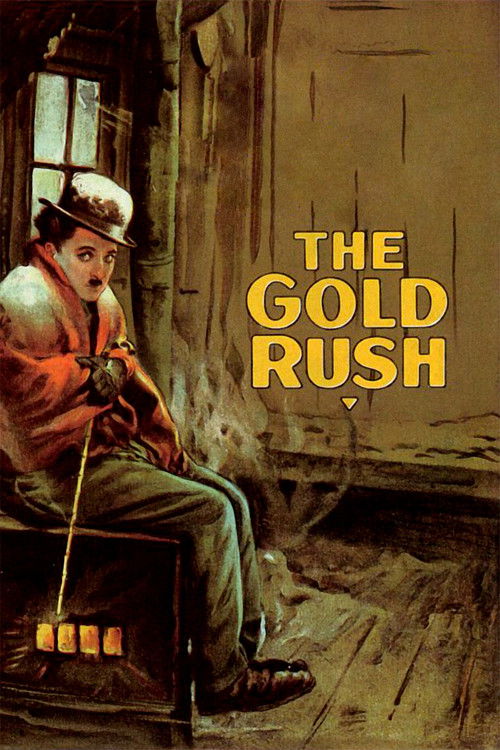
The Gold Rush1925
Chaplin's tramp in the Yukon: desperate, resourceful, heartbreaking, and hilarious. It moves between slapstick and genuine pathos with an ease that makes most modern comedies look clumsy.
But The sentimentality in the second half won't land if you're allergic to emotional stakes in your comedy. Some find it schmaltzy.
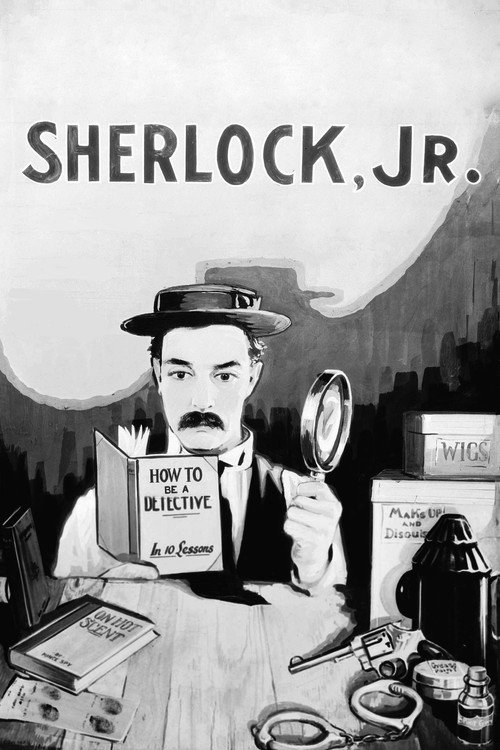
Sherlock Jr.1924
Buster Keaton as a projectionist who dreams himself into a movie and has to solve a crime while the sets literally crumble around him. The camera tricks are astonishing and it's funny without ever winking.
But At seventy minutes of nearly silent storytelling, it requires active attention. Checking your phone will cost you the whole thing.
Not sure tonight? Get a pick in a minute, starting from Hands Up!
The wildcard
Something you would not have found on your own.
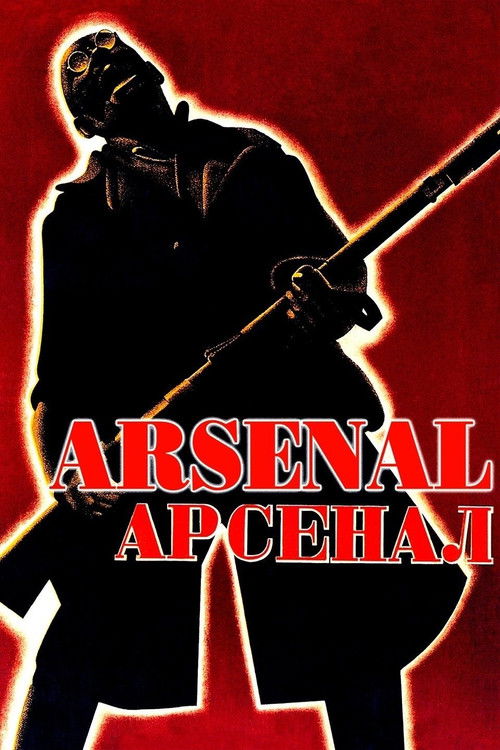
Arsenal1929
Both are films from silent cinema's final years where plot takes a backseat to comic or visual momentum—the pleasure is in *how* the story unfolds, not what happens next.
Soviet montage cinema at its most experimental: a film about the 1917 uprising built from clashing images, symbols, and rhythms rather than traditional narrative. It's like watching a graphic novel from the future, made in 1929.
But There is almost no plot. It requires active interpretation. You cannot passively watch this; it will frustrate anyone looking for a story.
More like this (8)
The Phantom Carriage1921
A Swedish ghost story that's genuinely eerie and moving—a drunk sees the death coach on New Year's Eve and gets a second chance. Visually inventive and surprisingly emotional for something made a century ago.
But It's slower and more meditative than you might expect. The mood is melancholy, not fun; if you want laughs, look elsewhere.

Nosferatu1922
German Expressionist vampire film that created the visual language for horror cinema. It's atmospheric, genuinely unsettling, and proof that you don't need gore or dialogue to terrify an audience.
But The pacing is glacial by modern standards. The acting is stagey. If you need constant movement to stay awake, this will test you.

Intolerance: Love's Struggle Throughout the Ages1916
D.W. Griffith's mad, ambitious epic interweaving four stories across four eras to argue against intolerance. It's visually overwhelming, structurally audacious, and made for spectacle on the biggest screen you can find.
But At three and a half hours, it's exhausting. The narrative jumps can feel chaotic. Griffith's politics are complicated. You need to really want this.

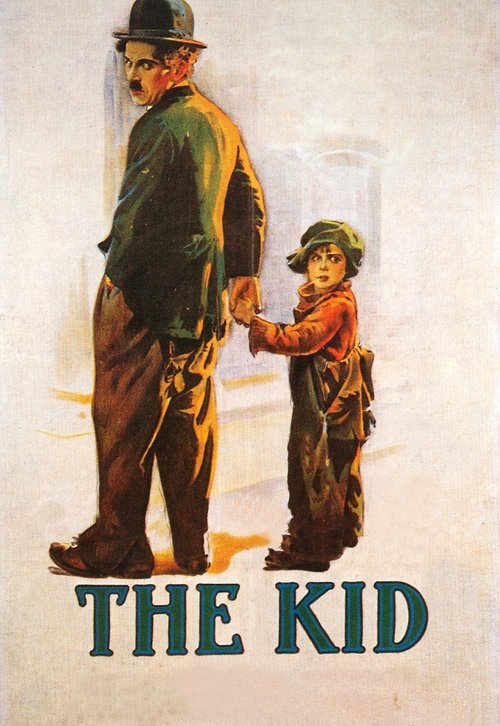
The Kid1921
Chaplin and a child actor playing a vagrant and an orphan. It's funny, surprisingly tender, and moves between comedy and heartbreak without apologizing for either. A masterpiece of tone.
But The emotional manipulation is deliberate and heavy-handed. If sentiment in comedy makes you cringe, this will feel like it's trying too hard.
Sunrise: A Song of Two Humans1927
A man and woman tempted into infidelity nearly destroy each other before rediscovering love. It's gorgeous, melodramatic, and uses the camera in ways that still feel modern. One of cinema's most visually sophisticated films.
But The plot is familiar soap opera stuff. The acting is broad. If you need novelty in story, the craft alone might not hold you.

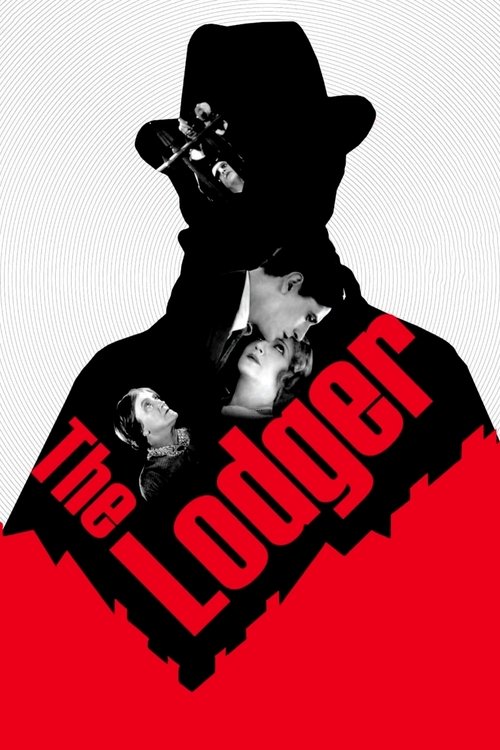
The Lodger: A Story of the London Fog1927
Hitchcock's first feature: a landlady suspects her new tenant might be a serial killer prowling London. It's tense, inventive with suspense, and moves briskly through its seventy minutes.
But It's more a suspense exercise than a character piece. The ending is abrupt. If you need narrative satisfaction, you might feel shortchanged.
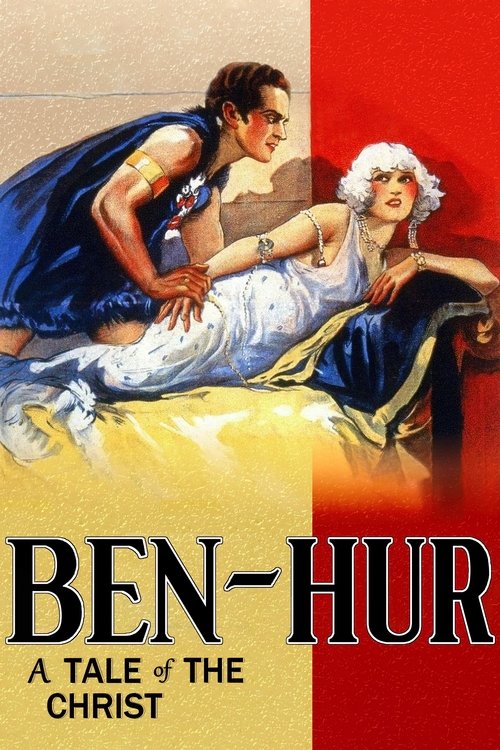
Ben-Hur: A Tale of the Christ1925
Like *Hands Up!*, it's a period adventure where the plot is mostly an excuse for action sequences, stunts, and period detail—a spy chase and a chariot race are the same engine in different costumes.
A biblical epic that somehow works: a wronged prince seeking vengeance against his best friend turned Roman officer. The chariot race is the most thrilling sequence silent cinema ever made, and the emotional core is genuinely felt.
But It's three and a half hours. The piety can feel heavy. The supporting cast sometimes overact. It demands patience and appetite for historical spectacle.
M1931
Both deal with lawlessness, pursuit, and violence during chaotic historical moments, but where *Hands Up!* plays it for laughs, *M* extracts the genuine horror underneath—same scenario, inverted register.
Fritz Lang's first sound film: a child murderer hunted by both police and Berlin's underworld. It's terrifying, innovative in its use of sound, and structurally brilliant—the criminal is the protagonist you follow.
But A child is murdered. The subject matter is bleak and disturbing. If you need moral clarity or hope in your entertainment, this won't provide it.

People
Cast
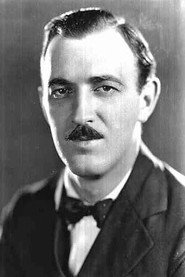 Raymond GriffithJack
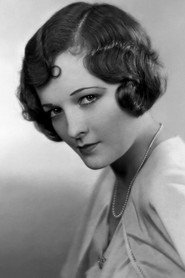 Marian NixonMae Woodstock
 Virginia Lee CorbinAlice Woodstock
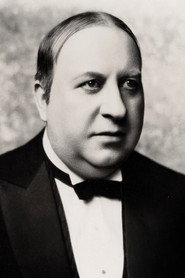 Mack SwainSilas Woodstock
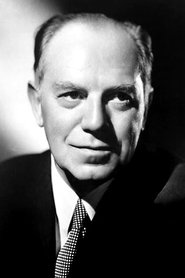 Montagu LoveCapt. Edward Logan
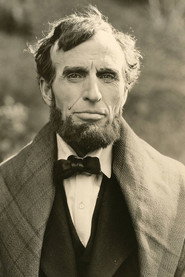 George A. BillingsAbraham Lincoln
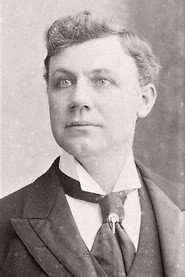 Charles K. FrenchBrigham Young
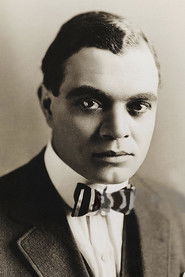 Noble JohnsonSitting Bull
- Jim BlackwellServant
Directing
- Clarence G. BadgerDirector
Writing
- Reggie MorrisStory
- Lloyd CorriganWriter
- Monte BriceWriter