
Film
Mother
Other titles called Mother: the 2009 film, the 2010 series (NTV), the 2017 film.
Eisenstein's *Mother* is a silent Soviet masterpiece about a factory worker's widow drawn into her son's revolutionary politics. It's visceral, formally audacious cinema—montage as philosophy, faces as landscape. For anyone who's wondered what made silent film revolutionary (literally and artistically), this is essential. It demands attention but rewards it completely.
Should you watch it?
Watch it if you care more about how a film builds meaning through faces, crowds and rapid cuts than about dialogue, and you can enjoy a political story told largely through images and gesture.
Skip it if the silent format, with its intertitles and stagey acting, can feel slow and hard going, and its political argument is delivered more bluntly than subtly.
What it asks of you: Eighty-seven minutes of patient looking: you read the intertitles, hold your attention through long stretches of staged gesture, and let the sharp montage bursts land when they come.
Not sure? Find tonight's pick in a minute.
If you liked this
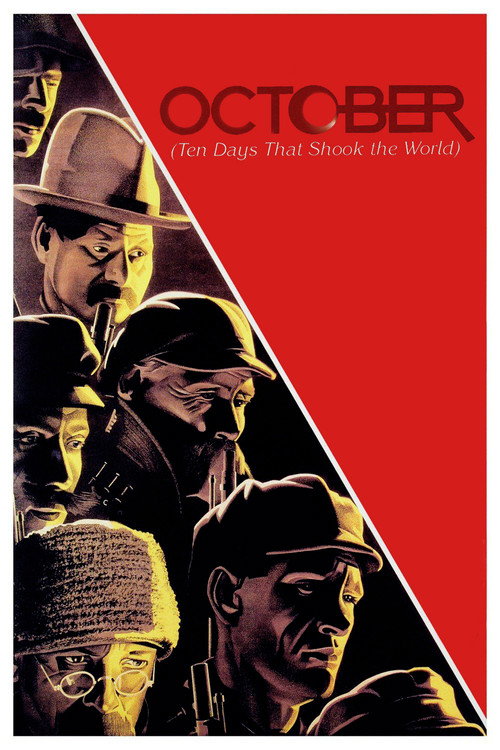
October (Ten Days that Shook the World)1928
Eisenstein's follow-up is even more formally daring, turning the Russian Revolution itself into a symphony of images. If *Mother* showed you what montage could do, this pushes further into abstraction and spectacle.
But At 109 minutes of pure visual argument with almost no conventional narrative, it's exhausting. You need to lean in completely or it becomes tedious.
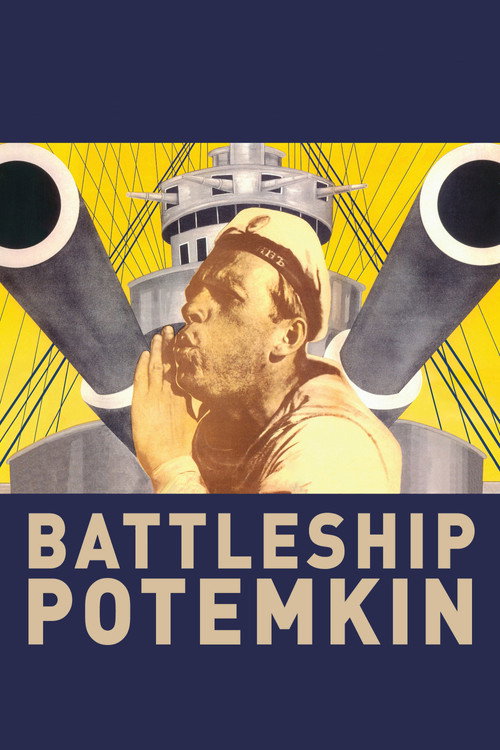
Battleship Potemkin1925
The other Eisenstein essential—shorter, more urgent, and that Odessa Steps sequence is genuinely the most imitated moment in cinema history. It's the perfect entry if *Mother* feels too intense.
But Still silent and still demanding, but the narrative spine (a mutiny, a massacre) is clearer. Some find even that clarity cold.
Man with a Movie Camera1929
Vertov's dazzling documentary symphony of Soviet life uses montage like Eisenstein but for joy—speed, energy, the sheer poetry of the everyday. It's exhilarating and half the length.
But No plot, no actors, no drama. Just images and rhythm. If you want human connection, you won't find it here.

Not sure tonight? Get a pick in a minute, starting from Mother
The wildcard
Something you would not have found on your own.
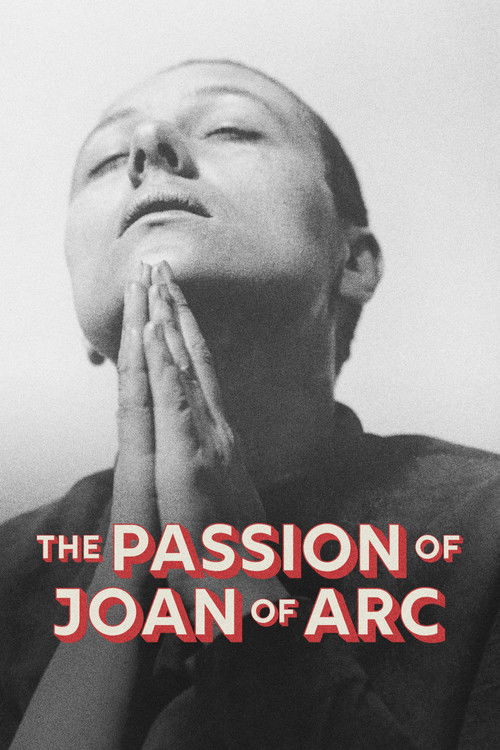
The Passion of Joan of Arc1928
Both are about mothers (biological or spiritual) choosing principle over self-preservation; both use cinema's formal power to make abstract conviction visible and unbearable.
Dreyer's Danish silent about the Maid of Orleans is Eisenstein's contemporary and equal—but where *Mother* uses montage as dynamite, Dreyer uses the camera and Renée Jeanne Falconetti's face as scalpels. A different formal language, same intensity. The politics are faith instead of revolution, but the structure—a woman choosing conscience over survival—mirrors *Mother*'s anatomy exactly.
But Extremely close-ups of suffering for 82 minutes. Draining rather than energizing. Requires total patience with abstraction.
More like this (7)
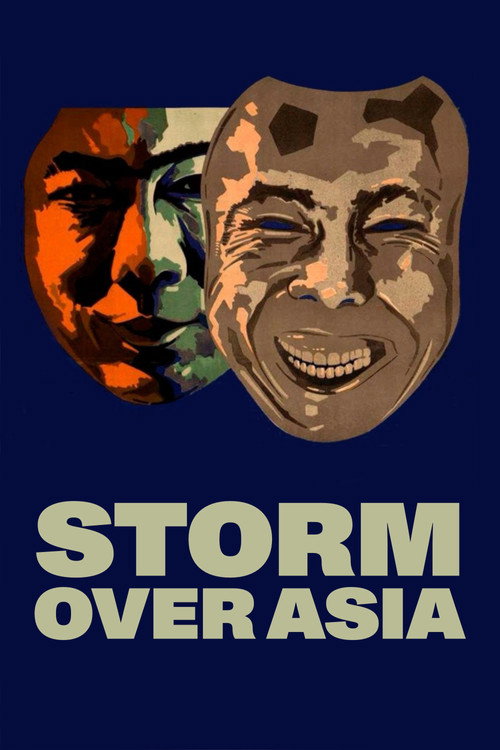
Storm Over Asia1928
Pudovkin's masterpiece (he was in *Mother*) tells a clearer story—a Mongol herder caught between empires—while using montage with equal sophistication. Less abstract than Eisenstein, more emotionally legible.
But Still asks a lot of silent-film literacy. The politics are explicit but not subtle.
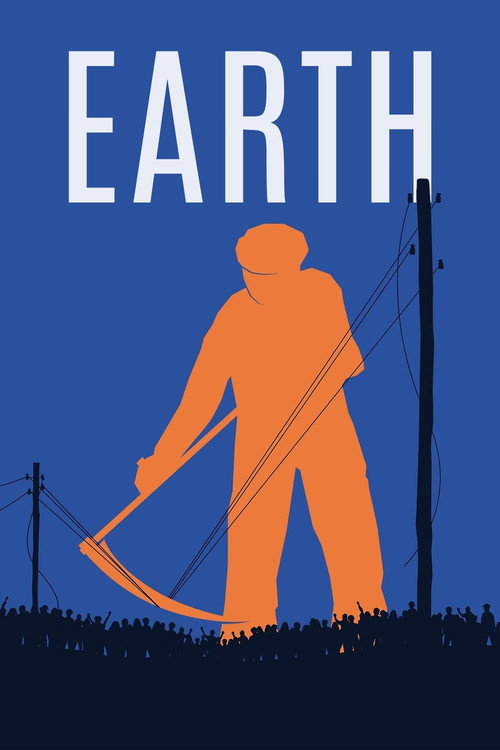
Earth1930
Dovzhenko's Ukrainian elegy about collectivization is perhaps the most purely beautiful of the Soviet silent epics. Landscape becomes character; grief becomes revolution. Hypnotic and strange.
But The pacing is glacial and the politics can feel propagandistic. Beauty alone doesn't always sustain two hours.
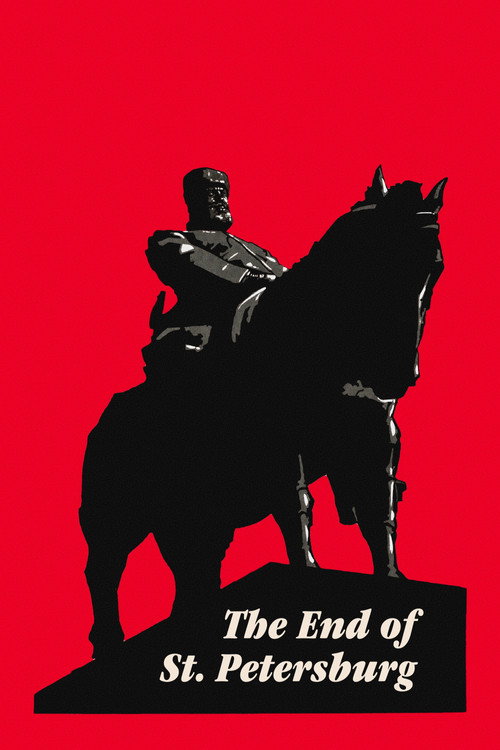
The End of St. Petersburg1927
Pudovkin again, this time tracing a peasant's journey from innocence to revolutionary consciousness across the 1917 upheaval. More intimate than the other epics, more human in scale.
But Follows a fairly conventional bildungsroman shape, which can feel dated after Eisenstein's formal experiments.
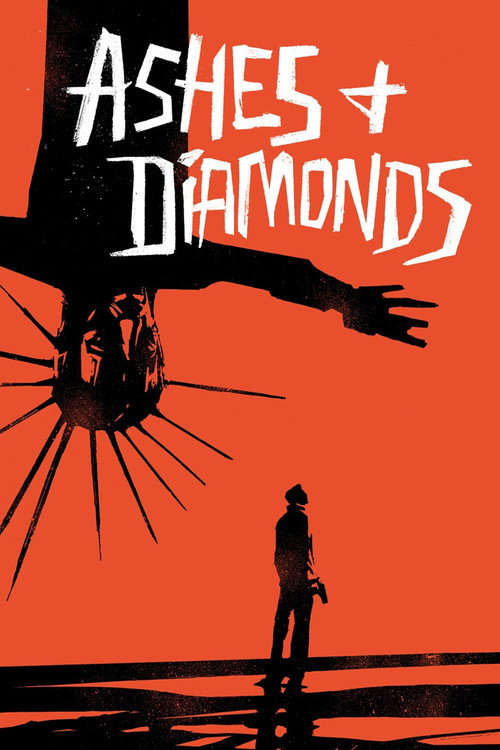
Ashes and Diamonds1958
Wajda's Polish masterpiece inherits the Soviet montage tradition but applies it to moral ambiguity—a resistance fighter in the hours after WWII. It shows what became of Eisenstein's language in different hands.
But Post-war Polish cinema, not Soviet. If you want to stay in the 1920s revolutionary moment, this is a step sideways.
Come and See1985
Klimov's Belarusian apocalypse about a boy soldier in WWII is Soviet cinema at its most visceral and devastating. It has *Mother*'s intensity and weight but in color and sound, utterly modern.
But Genuinely traumatizing. Not a film you enjoy—you survive it. Some will find that valuable, others will feel punished.

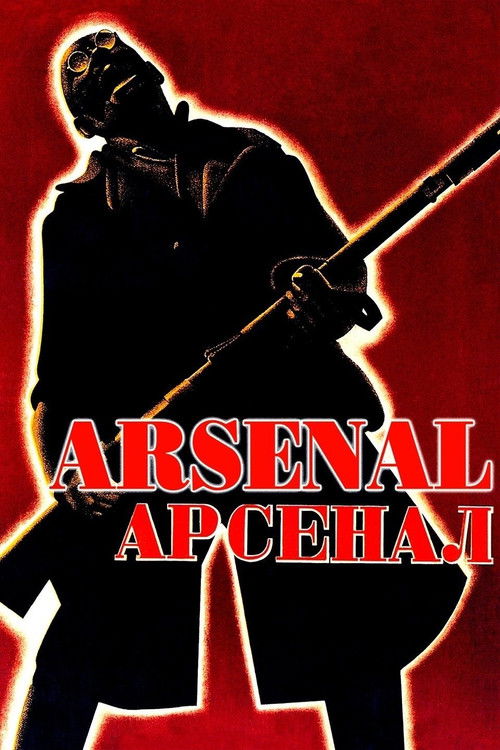
Arsenal1929
Dovzhenko's Kyiv-set revolution film uses montage like Eisenstein but with dreamlike, almost surreal juxtapositions. Formally experimental, politically urgent, deeply strange.
But The editing is so radical it can feel like watching someone's fever dream. Coherence takes a back seat to sensation.
Chungking Express1994
Both use montage as the primary storyteller; both argue that how images collide matters more than what they are. One is about revolution, one about falling in love, but the form—the faith in editing—is the inheritance.
Wong Kar-wai's Hong Kong neon phantasm seems to come from nowhere near Soviet montage, but watch how he builds emotion through rapid-cut sequences of the everyday—tea, raincoats, longing—accumulating meaning through juxtaposition just as Eisenstein does. A love story told through visual rhythm instead of dialogue. Dazzling and heartbreaking.
But Opaque plot, deliberately oblique. If you need narrative clarity or want to understand what's happening, this will frustrate you immediately.

People
Cast
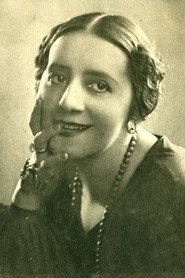 Vera BaranovskayaPelageya Nilovna Vlasova, the Mother
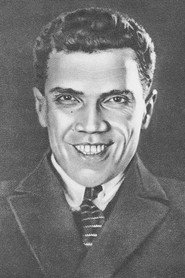 Nikolai BatalovPavel Vlasov, the Son
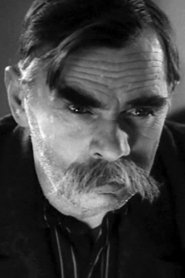 Aleksandr ChistyakovVlasov, the Father
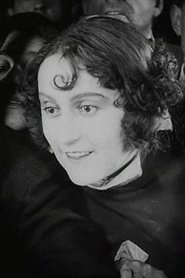 Anna ZemtsovaAnna
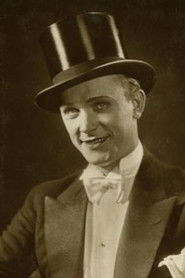 Ivan Koval-SamborskiyVessovchtchnikov
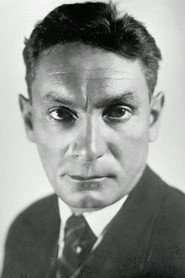 Vsevolod PudovkinPolice Officer
 Ivan BobrovYoung Prisoner
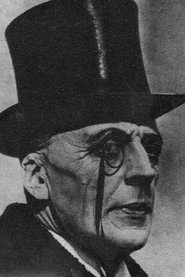 Pavel PoltoratskiyJudge
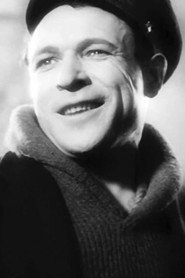 Fyodor IvanovPrison warden
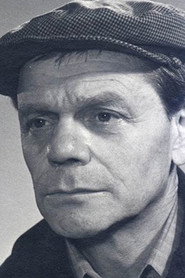 Vladimir UralskiyStudent
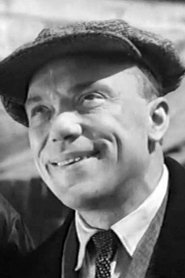 Vyacheslav NovikovWorker
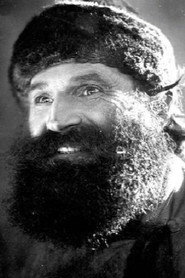
Directing
- Vsevolod PudovkinDirector
Writing
- Maxim GorkyNovel
- Nathan ZarkhiWriter
Production
- Moisey AleynikovProducer
Recommended by
October (Ten Days that Shook the World), Sons and Lovers, Strike