
Film
Sons and Lovers
Jack Cardiff's 1960 adaptation of Lawrence's novel is a sensual, beautifully photographed portrait of a young man caught between artistic ambition, his mother's suffocating love, and desire for two very different women. It's introspective and intimate—cinema that trusts you to feel the weight of unspoken things. For anyone drawn to character-driven period drama about the messiness of desire and family bonds.
Should you watch it?
Watch it if you love slow-burning family dramas where a mother's grip on her son and his restless hunger for art are painted in close, claustrophobic detail, with the pit village itself feeling like a character.
Skip it if you want brisk plotting or a lighter touch, since this is talky, emotionally heavy and happy to sit in its characters' stifled silences for long stretches.
What it asks of you: Patience with a long, deliberate runtime of about an hour and three-quarters, and a willingness to let the mood settle heavily rather than be rewarded with quick payoffs.
Not sure? Find tonight's pick in a minute.
If you liked this
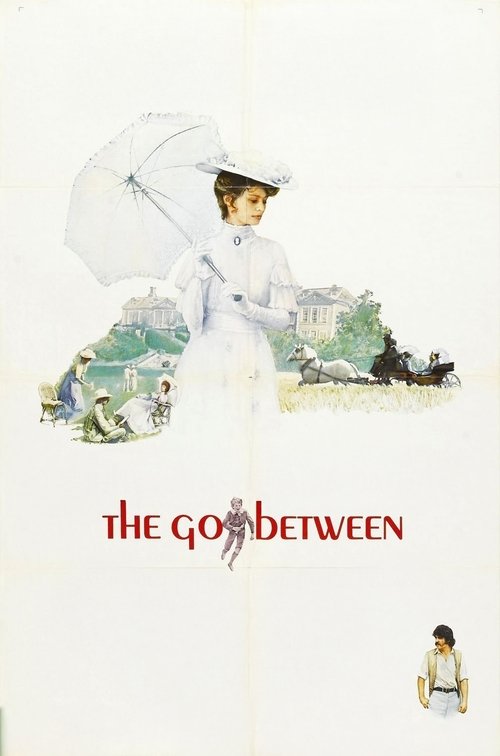
The Go-Between1971
Like Sons and Lovers, this captures the erotic and emotional undercurrents simmering beneath a provincial surface. A boy becomes entangled in an adult affair, and the film moves with the same languorous, haunting pace.
But It's glacially slow and deeply melancholic. There's no resolution that feels cathartic—just the slow recognition of betrayal and loss.
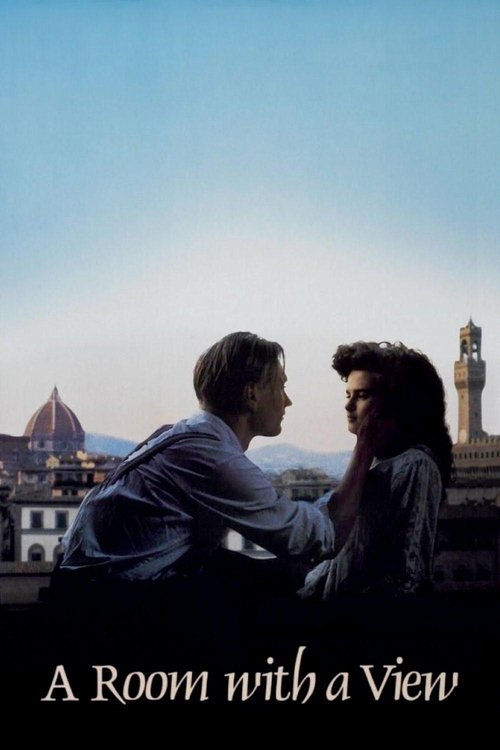
A Room with a View1986
Another literary adaptation about a young person awakening to desire and art while constrained by family expectation. Visually lush, genuinely romantic, and funny in ways that feel earned rather than forced.
But The Merchant-Ivory aesthetic can feel precious. If period romance isn't your world, the gentility might distance you.
Kes1970
A working-class British boy finds dignity and beauty through his passion for a bird. It shares Sons and Lovers' portrait of industrial grit and a young man's quiet rebellion against circumstance and family pressure.
But It's unsparing about poverty and masculinity. The ending is bleak in ways that linger uncomfortably.

Not sure tonight? Get a pick in a minute, starting from Sons and Lovers
The wildcard
Something you would not have found on your own.
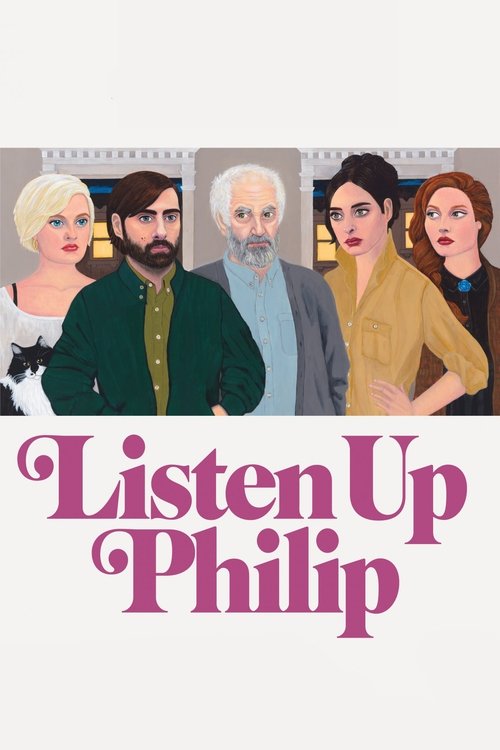
Listen Up Philip2014
Both explore the crippling effect of maternal devotion on a young man's capacity for adult love and independence—but Perry updates the setting and adds acidic humor as a way of examining the same paralysis.
Alex Ross Perry's film follows a young male artist—a writer this time—consumed by ambition and utterly infantilized by his mother's influence. It has the same toxic entanglement at its core, but Perry makes it darkly funny and deeply uncomfortable in ways Lawrence never quite did.
But It's aggressively unlikeable. Philip is awful, the comedy is bitter, and there's no catharsis. If you need to root for your protagonist, this will exhaust you.
More like this (8)
The Remains of the Day1993
Another adaptation of repressed British emotion, this time about a man unable to act on what he feels because of duty and class. The parallel guilt and sacrificed potential will feel familiar.
But Stevens' emotional restraint can read as coldness. If you need characters to articulate their feelings, this will frustrate you.

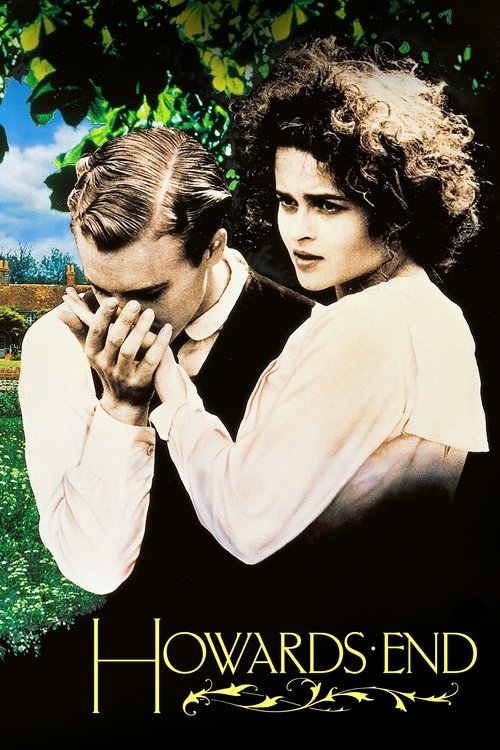
Howards End1992
Forster's novel, like Lawrence's, is about class collision and the inadequacy of polite society to contain human need. The performances burrow into contradictions—people saying one thing while wanting another.
But It's crowded with plot. The political arguments can overshadow the intimate character moments you came for.
Chariots of Fire1981
A young man's drive to pursue something meaningful against family and social expectation. The emotional core—what we owe ourselves versus what we owe others—mirrors Paul's dilemma exactly.
But The uplift is real. If you're allergic to inspirational narratives, this will feel too earnest by half.

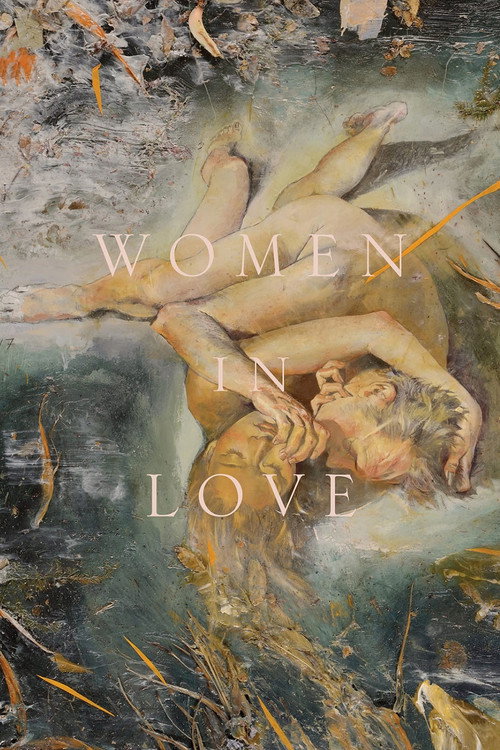
Women in Love1969
Another Lawrence adaptation, even rawer and more sexually frank than Sons and Lovers. It grapples with the same questions about passion, class, and whether love can survive what society demands.
But It's genuinely shocking for 1969, and not everyone finds that liberation comfortable. The tone shifts unpredictably between intimacy and abstraction.
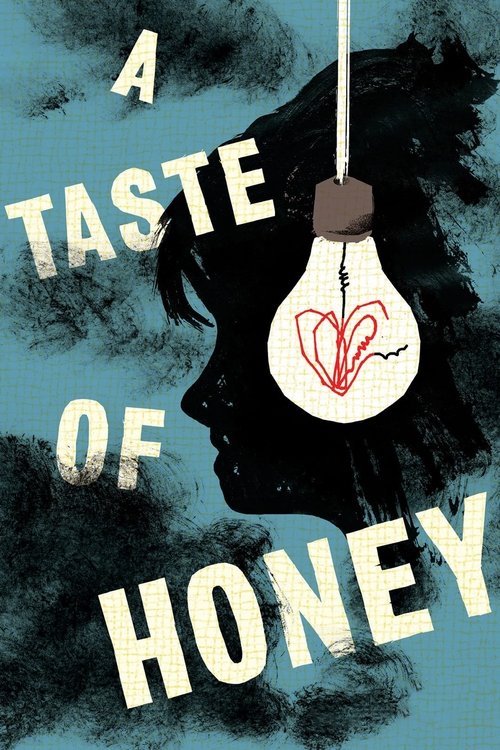
A Taste of Honey1961
A young working-class woman in industrial Britain pursues her own desires against family pressure and poverty. The texture is rough and real, the emotional honesty unflinching, the class-consciousness sharp.
But It's unglamorous and sometimes deliberately awkward. If you need narrative propulsion or clear character arcs, it will feel shapeless.
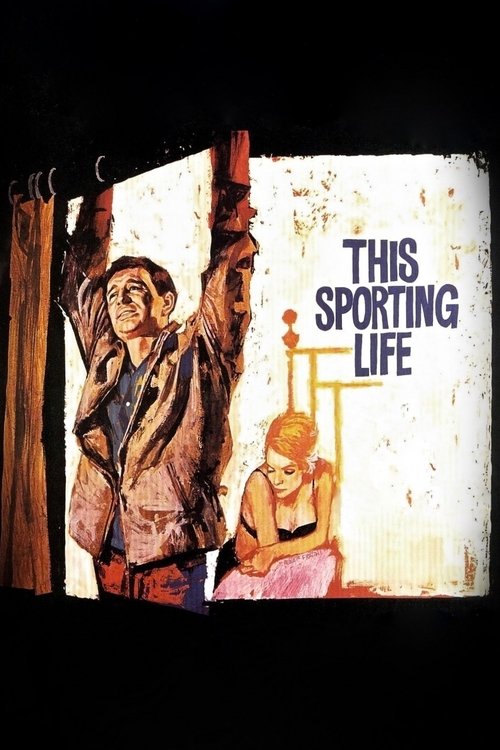
This Sporting Life1963
A working-class rugby player entangled with a widow who can't give him what he needs. The sexual and emotional frustration—the sense of people unable to bridge the gap between desire and circumstance—is palpable.
But It's brutal and often ugly. The relationship deteriorates without redemption, and there's a harshness to the direction that can feel punishing.
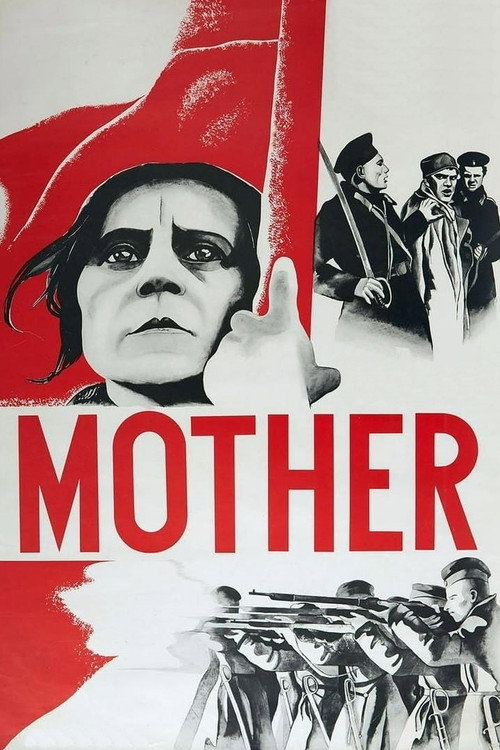
Mother1926
Both films use the mother-son relationship as the engine for exploring class, desire, and the individual's place in larger social forces. Lawrence makes it intimate; Pudovkin makes it historical. Same questions, opposite scales.
Pudovkin's Soviet silent film—about a woman's slow political awakening after her son joins the revolution—is formally radical and emotionally shattering. The mother-son bond, the class struggle, the way personal attachment collides with historical necessity: all of it echoes Lawrence, but in a completely different register.
But It's silent cinema from nearly a century ago. The pacing and acting style will feel alien unless you're accustomed to the form. It requires patient attention.
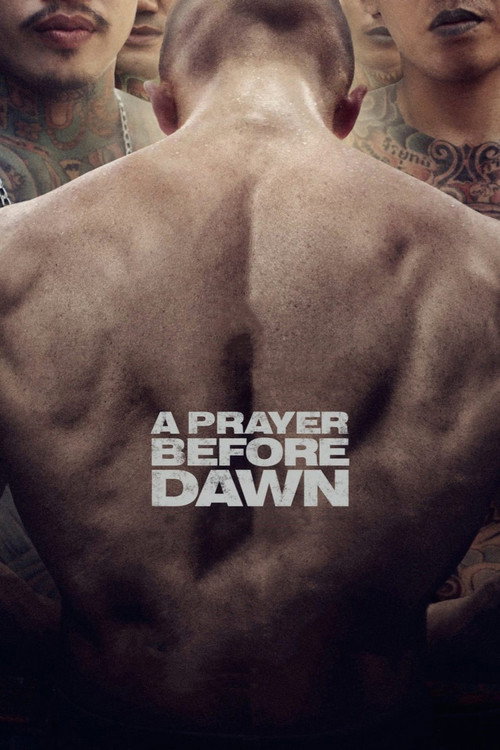
A Prayer Before Dawn2018
Both follow a young man seeking transcendence through a passion—art or fighting—while trapped by circumstance and family damage. But where Lawrence stays psychological, this film lives in the body, in pain, in the physical world as redemption.
The true story of a young boxer learning Muay Thai in Thai prisons—it has the same obsessive focus on mastery and physicality as Paul's pursuit of art. But where Sons and Lovers is introspective, this is brutal, visceral, and set in a landscape utterly foreign to Lawrence's industrial England. A young man's body as his only avenue of expression.
But It's punishingly violent and deeply uncomfortable. The sexual violence and degradation are unflinching, and the film doesn't soften any of it for comfort.
People
Cast
 Mary UreClara Dawes
 Trevor HowardWalter Morel
 Dean StockwellPaul Morel
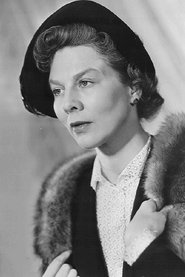 Wendy HillerGertrude Morel
 Heather SearsMiriam Leivers
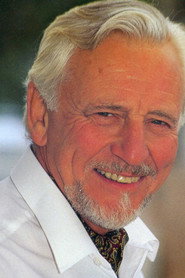 William LucasWilliam Morel
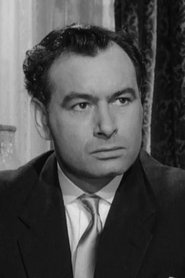 Conrad PhillipsBaxter Dawes
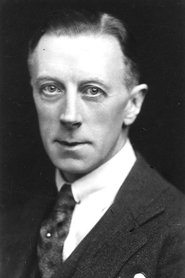 Ernest ThesigerMr. Hadlock
 Donald PleasenceMr. Pappleworth
 Rosalie CrutchleyMrs. Leivers
 Sean BarrettArthur Morel
- Elizabeth BegleyMrs. Radford
Directing
- Jack CardiffDirector
Writing
- D. H. LawrenceNovel
- Gavin LambertScreenplay
- T. E. B. ClarkeScreenplay
Recommended by
How Green Was My Valley, The Stars Look Down, Look Back in Anger