
Film
How Green Was My Valley
John Ford's 1941 Best Picture winner is less a plot than a long, aching memory — a grown man's voice recalling the Welsh valley of his boyhood before the pits, the strikes and the years hollowed it out. Shot in gleaming black-and-white on a Hollywood soundstage standing in for Wales, it's gorgeous, unhurried and unashamedly sentimental. For anyone who likes their nostalgia thick and their family dramas quietly heartbreaking.
If you liked this
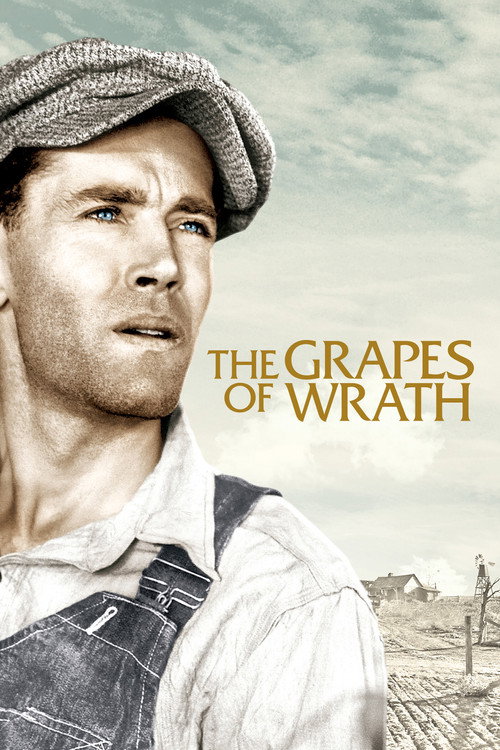
The Grapes of Wrath1940
Same director, same year of prestige, same instinct for turning a family's hardship into American myth — Ford's other great Depression-era portrait of dignity under pressure.
But Dust and desperation instead of coal and community; harsher, angrier, less inclined to comfort you.
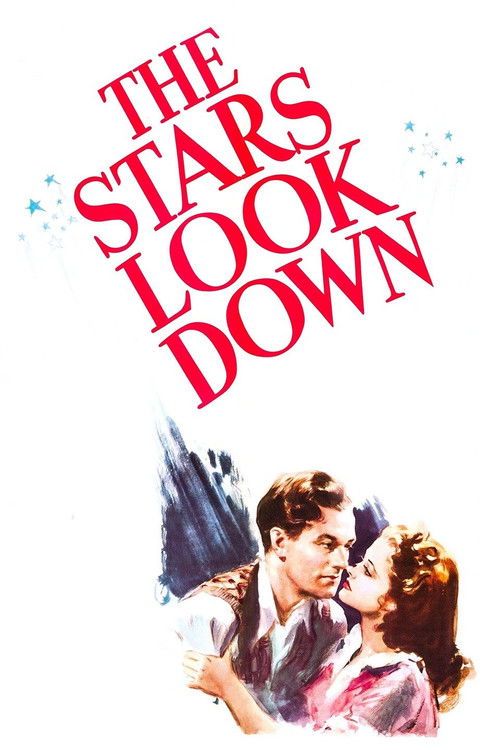
The Stars Look Down1940
A.J. Cronin's British mining drama, made the same year, tackles the strike and safety issues Huw's family argue about head-on, with less romance and more grit.
But Rougher production values and a flintier tone; it wants to indict, not console.
Sons and Lovers1960no page yet
Another mining-town coming-of-age story, this time D.H. Lawrence's, with the same tension between a mother's ambitions and a father's pit-bound world.
But More frankly about desire and resentment than Ford ever allows himself to be — less cosy.
The wildcard
Something you would not have found on your own.
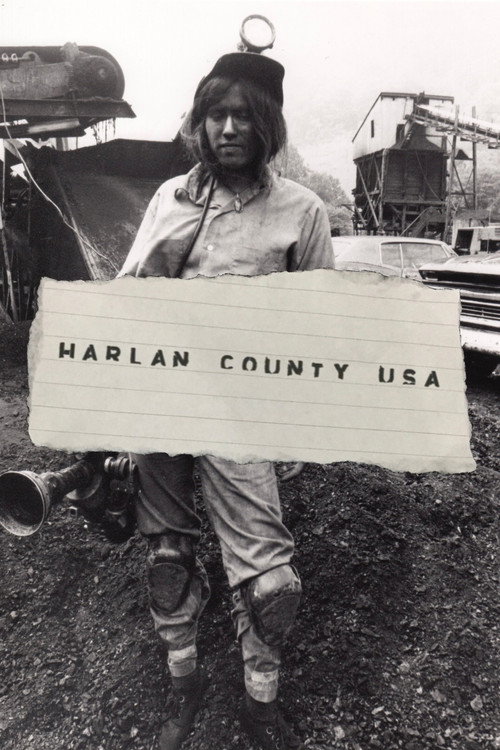
Harlan County U.S.A.1976
How Green Was My Valley is a strike remembered through rose-tinted memory; this is the same conflict caught live, decades later but recognisably the same fight, with none of the softening distance of time.
A real coal strike in Kentucky, filmed as it happened — gunfire, picket lines, women organizing while their men are jailed. It's the strike Huw's father feared, unfiltered by memory or myth.
But No score, no nostalgia, no narrative safety net — this is documentary rawness that can be genuinely frightening.
More like this (8)
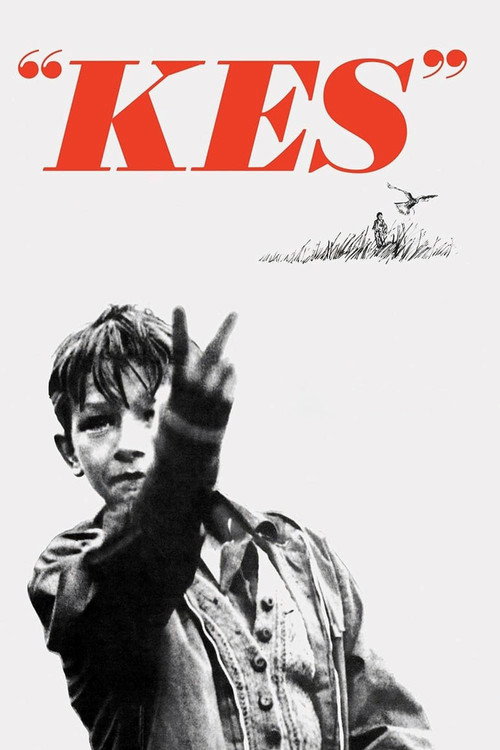
Kes1970
Ken Loach's Yorkshire classic swaps sentiment for social realism but keeps the same wide-eyed boy watching his world close in around him.
But No orchestral swell, no soft focus — it's bleak, and the ending doesn't comfort.
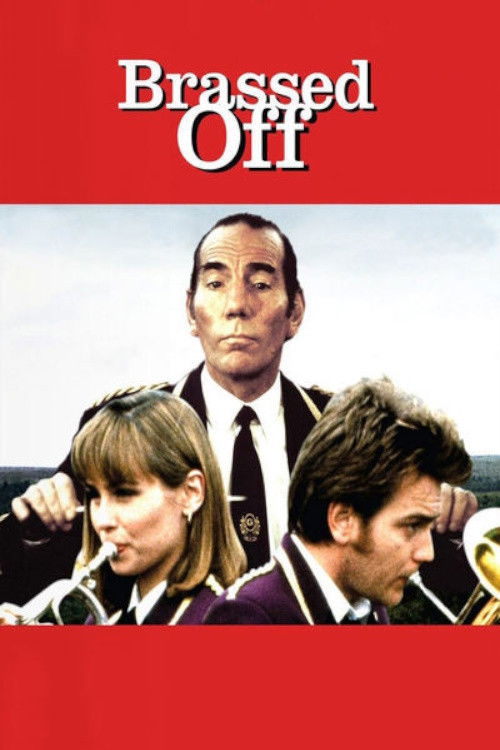
Brassed Off1996
The pits a century later, dying instead of thriving, and a community holding itself together with brass instruments and stubborn pride.
But Broader comedy and a more overtly political anger than Ford's film ever risks.
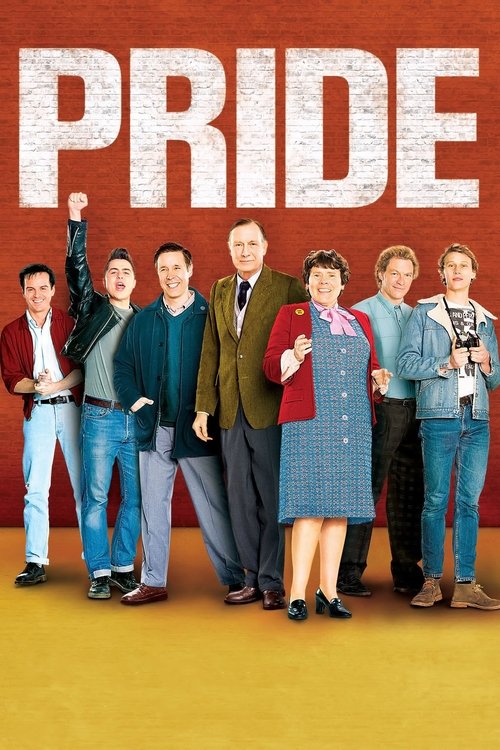
Pride2014
Another mining community under siege, this time allied with gay activists in 1980s Britain — warm, funny, and just as interested in solidarity holding a town together.
But Its politics are loud and its tone upbeat; nothing here is filtered through wistful memory.
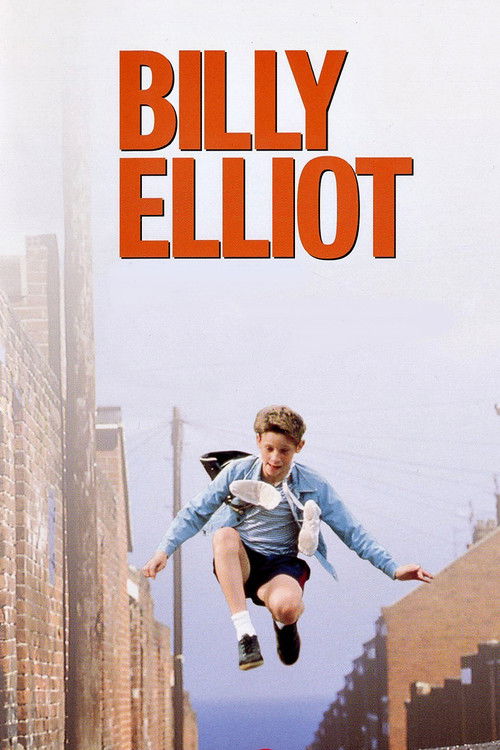
Billy Elliot2000
A miners' strike as backdrop to a son defying his father's expectations — same bones as Huw's story, danced instead of narrated.
But Punkier and funnier, with none of the elegiac hush; it wants you cheering, not misty-eyed.
A Tree Grows in Brooklyn1945no page yet
Another lyrical, memory-soaked account of a poor family and a sensitive child watching adults absorb life's disappointments with quiet grace.
But Tenement Brooklyn instead of the valley, and a mother's story more than a father's — a different center of gravity.
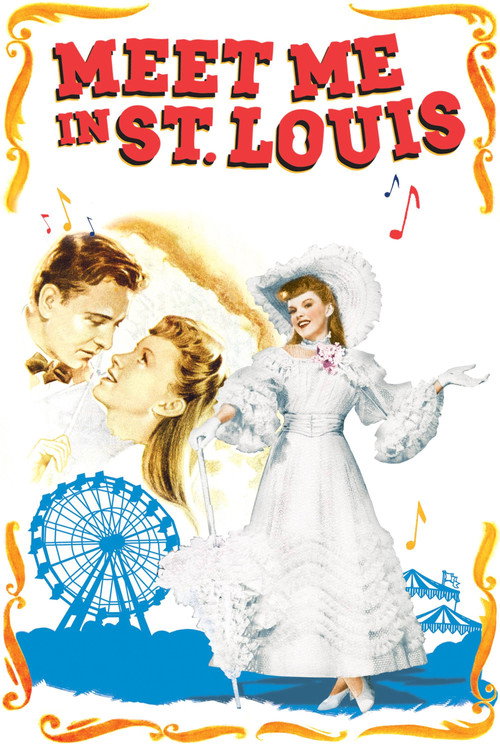
Meet Me in St. Louis1944
The same appetite for nostalgia and a vanished golden age of family life, dressed up in Technicolor and musical numbers instead of coal dust.
But It's warm where How Green Was My Valley turns tragic — no strikes, no funerals, just gentle turn-of-the-century charm.
Twin Town1997no page yet
Same country, same working-class Welsh setting a century later, but every ounce of the mythic dignity Ford gave the valley has curdled into black comedy — a rude corrective to nostalgia.
Two feral Swansea brothers cause chaos in a film that's basically Wales' answer to Trainspotting — filthy, funny, and gleefully unsentimental about national identity.
But Deliberately vulgar and cynical where Ford is tender; if you want your Wales dignified, this will offend.
Comradeship1931no page yet
Made a decade before Ford's film, in the language and landscape of actual European coalfields rather than Hollywood's version of Wales, it's the same instinct — that a mine binds people together — filmed from inside the coal-dust reality Ford recreated on a soundstage.
A German-French early-sound drama in which miners on opposite sides of a border tunnel through to rescue each other after a disaster — solidarity as instinct, not slogan.
But Early-sound pacing and subtitles ask patience; it's a museum piece in the best and hardest sense.
People
Cast
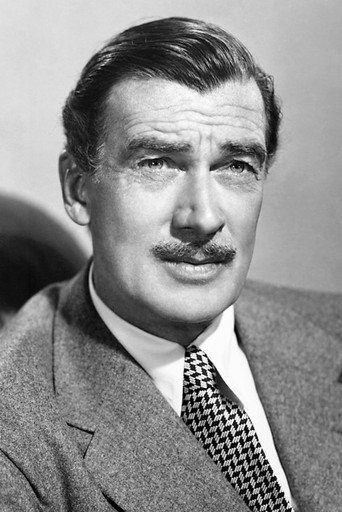 Walter PidgeonMr. Gruffydd
 Maureen O'HaraAngharad Morgan
 Anna LeeBronwyn
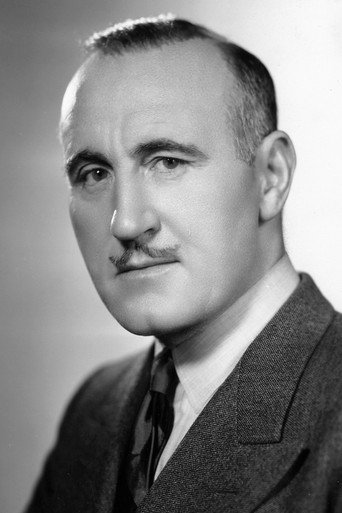 Donald CrispGwilym Morgan
 Roddy McDowallHuw Morgan
 John LoderIanto Morgan
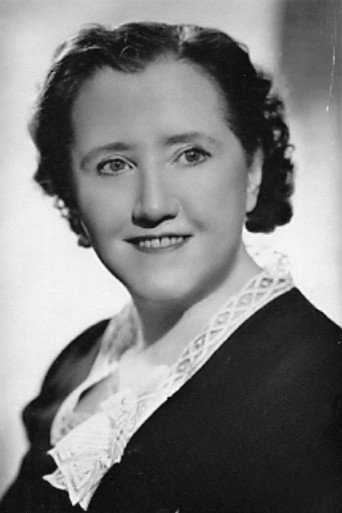 Sara AllgoodBeth Morgan
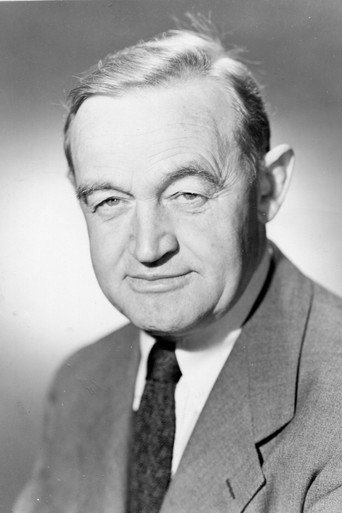 Barry FitzgeraldCyfartha
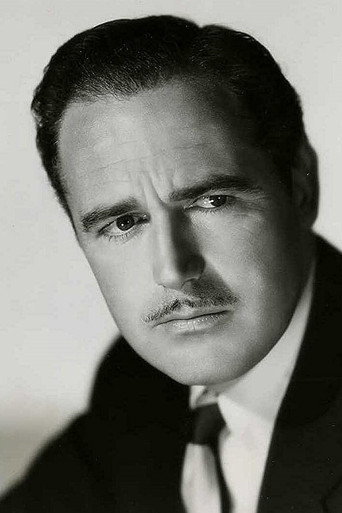 Patric KnowlesIvor Morgan
 Morton LowryMr. Jonas
 Arthur ShieldsMr. Parry
 Ann E. ToddCeinwen
Directing
- Edward O'FearnaAssistant Director
- Gene BryantAssistant Director
- John FordDirector
- Wingate SmithSecond Assistant Director
Writing
- Richard LlewellynNovel
- Philip DunneScreenplay
Production
- Ray C. MooreLocation Manager
- Darryl F. ZanuckProducer
- William KoenigProduction Manager
- Gene BryantUnit Production Manager
Recommended by
The Wonder Years, The Grapes of Wrath, A Christmas Story, Cavalcade, The Stars Look Down