
Film
The Corn Is Green
Other titles called The Corn Is Green: the 1979 film.
A Welsh schoolteacher in a poor mining village decides an intelligent boy is Oxford material and sets out to transform his life through education. It's a sincere, character-driven drama about ambition, class, and the power of one person's belief. Bette Davis commands the screen with warmth and steel, and the film never condescends to its subjects or settles for easy sentiment.
Should you watch it?
Watch it if you love a stubborn, pushy teacher who believes in a hard-scrabble kid so fiercely that the whole village ends up pulled into the project, told with old-fashioned warmth and sharp dialogue.
Skip it if you want a quick, plot-driven picture; this one lingers over lessons, village rivalries and a slow build of conviction, and its sentiment is sincere enough to feel earnest at times.
What it asks of you: Just under two hours of patient, talky scenes where most of the drama comes from people arguing about what a boy deserves, so settle in and let the conversations do the work.
Not sure? Find tonight's pick in a minute.
If you liked this
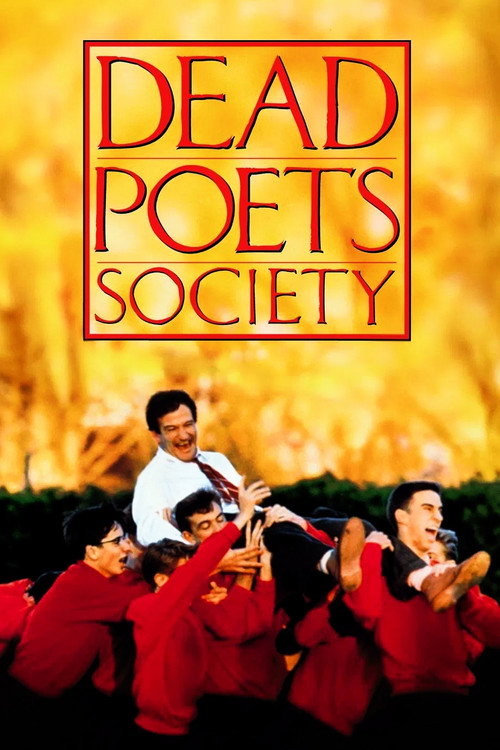
Dead Poets Society1989
A teacher reaches beyond the curriculum to inspire students toward their potential, challenging the systems that constrain them. The emotional core—lives changed by one person's conviction—directly mirrors The Corn Is Green.
But Its inspirational arc can feel predictable, and the tonal shift in the final act divides viewers who see it as earned or manipulative.
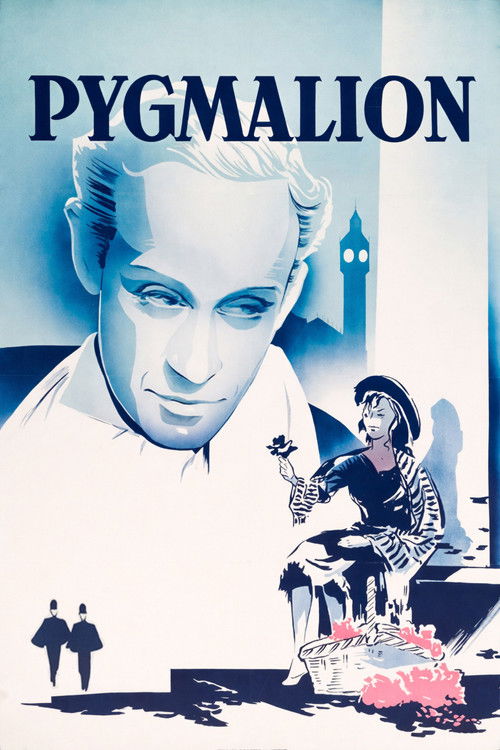
Pygmalion1938
Shaw's wit crackles as a linguist remakes a flower girl, exploring class, language, and transformation. The dynamic between teacher and pupil, the social climbing, the moral questions about who deserves opportunity—it's thematically sibling to The Corn Is Green.
But It's a stage play filmed as a stage play, so the theatrical rhythm and dialogue-heavy scenes can feel static if you expect cinematic pacing.
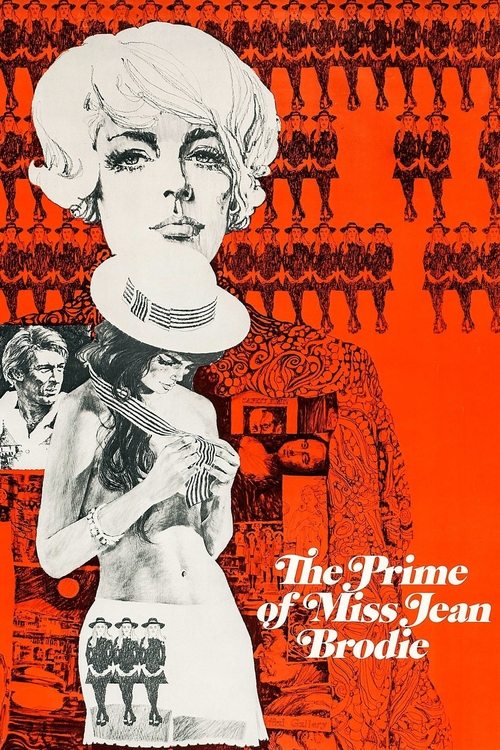
The Prime of Miss Jean Brodie1969
Maggie Smith electrifies as an unconventional teacher who shapes her girls' lives—intellectually, morally, and dangerously. Both films ask what responsibility a teacher bears for their influence, and both have a complex, unsentimental view of mentorship.
But The film jumps between timelines in a way that can feel distracting, and the ending carries a sting some find unearned.
Not sure tonight? Get a pick in a minute, starting from The Corn Is Green
The wildcard
Something you would not have found on your own.
Kes1970
Both locate dignity and intelligence in communities written off as hopeless; both use a mentor figure and a transformative object (education vs. the hawk) to reveal a young person's true nature.
A boy in a bleak English mining town finds grace in training a kestrel hawk. Like The Corn Is Green, it sees working-class children with perfect clarity and finds poetry in their lives—but here the transformation comes from nature, not schooling. Loach's film is achingly beautiful and unsentimental.
But The broad Yorkshire dialect is difficult for some viewers to parse, and the boy's ultimate fate is genuinely tragic rather than uplifting.

More like this (7)
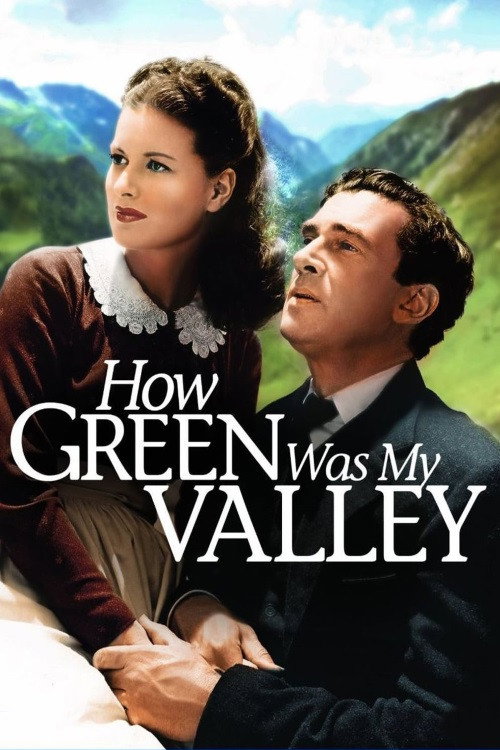
How Green Was My Valley1941
John Ford's Welsh mining family saga shares the setting, the poetry, the dignity of poor communities, and a deep nostalgia for a world changing faster than anyone wanted. The visual beauty and emotional depth are extraordinary.
But It's nearly three hours long and the narrative is reflective rather than propulsive—you must lean in rather than be carried.
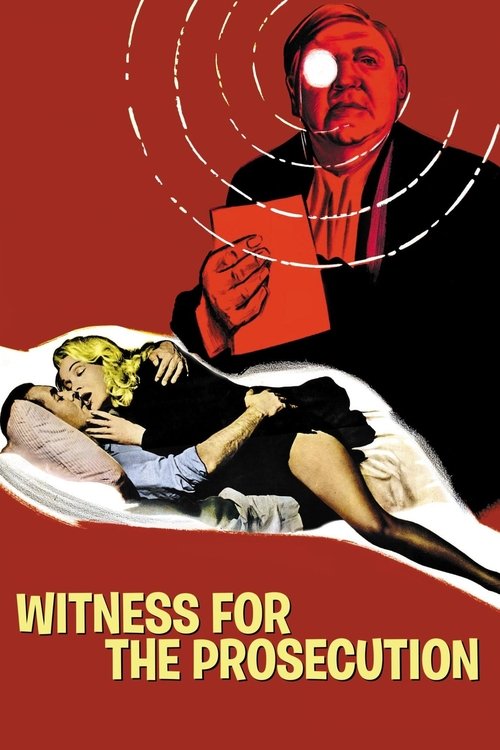
Witness for the Prosecution1957
Like The Corn Is Green, it's a perfectly crafted drama centered on a commanding lead—Marlene Dietrich, in this case—with intelligence, structure, and a twist that recontextualizes everything. Billy Wilder's direction is impeccable.
But It's a courtroom thriller, not a character study, so if you're watching for the warmth of the teacher-student relationship, the tone is quite different.
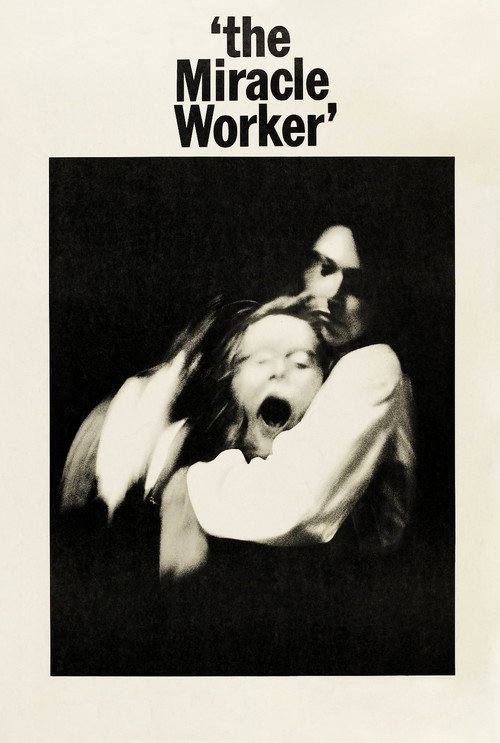
The Miracle Worker1962
Anne Bancroft and Patty Duke in a play about a teacher breaking through to a deaf-blind girl. It has the same intensity of focused mentorship and the same belief that one person's determination can crack open a closed world.
But The middle section is repetitive and exhausting by design—the film is testing your patience as much as Helen is testing Annie's.
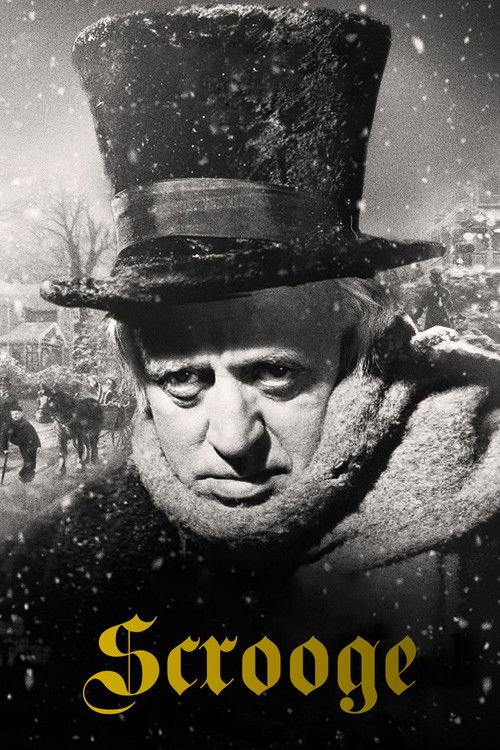
Scrooge1951
A different genre—a Christmas ghost story—but Alastair Sim inhabits a character arc about transformation and moral education with the same sincerity Davis brings to Miss Moffat. The film respects Dickens without being precious about it.
But It's fundamentally a period piece with theatrical lighting and sets; if you want naturalism, this won't provide it.
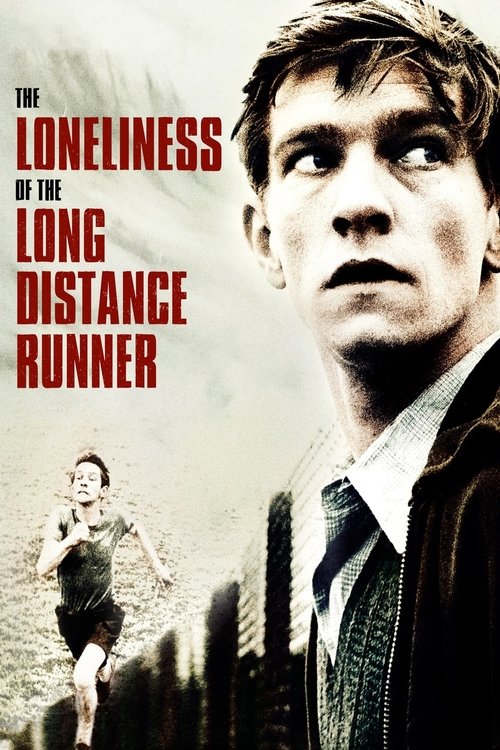
The Loneliness of the Long Distance Runner1962
A rebellious working-class boy and the teacher who sees something in him—it's The Corn Is Green's dark mirror, showing what happens when the system and the student resist each other. Tony Richardson's film is unsentimental and visually striking.
But It's determinedly bleak and ends without resolution, which some will find authentically truthful and others will find punishing.
The Servant1963
Both examine power dynamics between people of different classes; both question whether one person can truly remake another without cost or corruption.
A psychological thriller where class dissolves in a decaying London house. It's the inverse of The Corn Is Green—rather than elevation and clarity, here we have corruption and moral collapse. Dirk Bogarde is magnetic and deeply unsettling; Joseph Losey's direction is hypnotic.
But It's slowly paced, perverse, and deliberately opaque about its own meaning. Some will find it pretentious or simply unpleasant to spend two hours in.

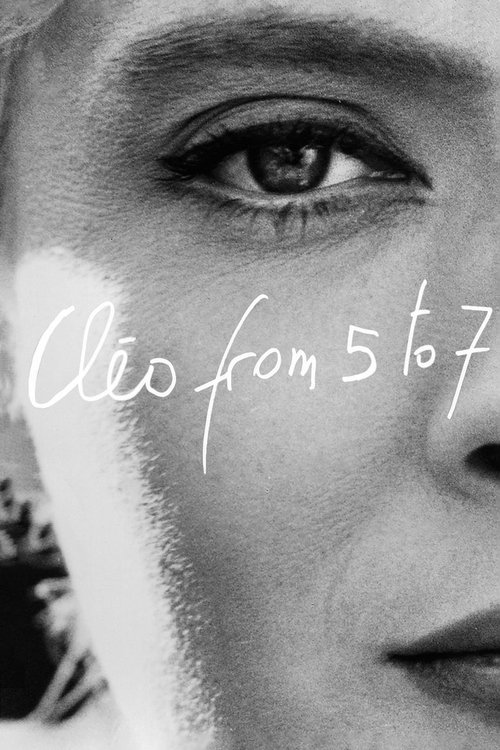
Cléo from 5 to 71962
Both are intimate examinations of transformation and self-discovery, using close observation rather than sentiment to show how a person changes. Both trust their audience to find meaning in small moments.
Agnès Varda's film follows a woman through ninety minutes of Paris, exploring identity, mortality, and what it means to see yourself clearly. It's European and formally experimental where The Corn Is Green is classical, but both share a profound interest in how one person becomes themselves.
But Nothing 'happens' in the conventional sense. It's a mood piece and a philosophical essay; if you need plot momentum, it will frustrate you.
People
Cast
 Bette DavisMiss Lilly Christabel Moffat
 John DallMorgan Evans
 Nigel BruceThe Squire
 Rhys WilliamsMr. Jones
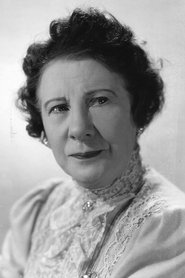 Rosalind IvanMrs. Watty
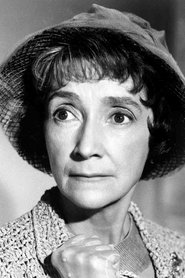 Mildred DunnockMiss Ronberry
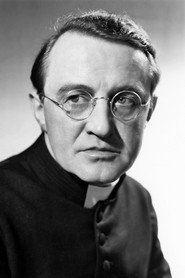 Arthur ShieldsGlyn Thomas
- Gwyneth HughesSarah Pugh
 William RoyIdwal Morris
- Thomas LoudenOld Tom
 Joan LorringBessie Watty
- Arnet AmosMiner (uncredited)
Directing
- Robert VreelandAssistant Director
- Irving RapperDirector
Writing
- Casey RobinsonScreenplay
- Frank CavettScreenplay
- Emlyn WilliamsTheatre Play
Production
- Jack L. WarnerExecutive Producer
- Jack ChertokProducer
- Jane BardwellResearch Assistant
- Herman LissauerResearcher
- Eric StaceyUnit Manager
Recommended by
The Stars Look Down, State Fair, The Adventures of Huckleberry Finn, Sincerely Yours