
Film
The Corn Is Green
Other titles called The Corn Is Green: the 1945 film.
A fierce teacher arrives in a Welsh mining village and spots genius in an illiterate farmboy. This 1979 BBC adaptation glows with the warmth of Katharine Hepburn's final screen role, capturing how one person's belief can reshape a life. It's gentle but never soft—rooted in real consequence and class struggle. For anyone who believes education matters.
If you liked this
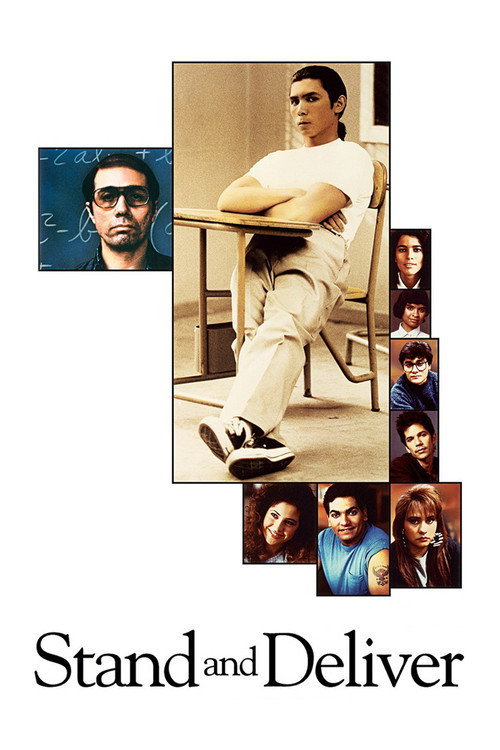
Stand and Deliver1988
Edward James Olmos as a math teacher who refuses to accept his students' poverty as destiny. Like Hepburn's Miss Moffat, he sees potential others have written off, and fights institutional indifference to unlock it.
But The inspirational-teacher formula can feel manipulative. This one mostly avoids schmaltz, but the triumphalism at the end is still calculated to make you feel good.
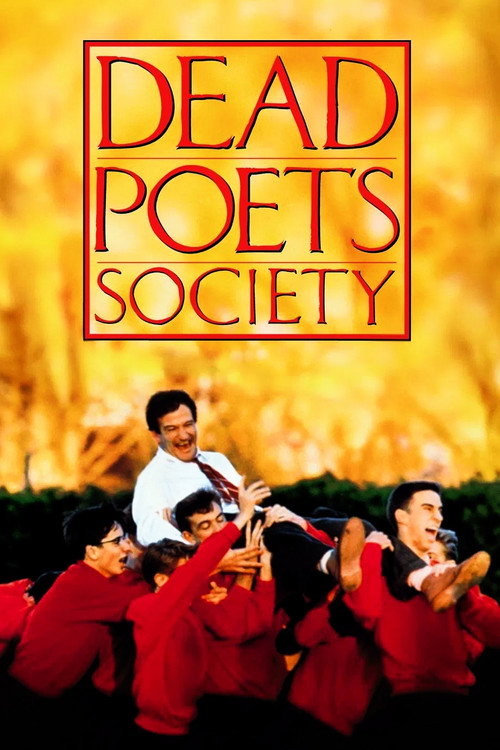
Dead Poets Society1989
Robin Williams as an English teacher who awakens his students to possibility through literature and human connection. The same core idea: one teacher, ordinary students, the transformative power of being truly seen.
But It's aged into something slicker and more sentimental than it means to be. The film trusts the emotional beats less than Hepburn trusts silence.
Kes1970
A working-class Yorkshire boy finds dignity through a falcon, not a classroom, but Ken Loach captures the same moral clarity: a young person discovering their own worth when an adult takes them seriously. Rougher and truer than most school stories.
But It's grim in places. The school itself is indifferent or hostile, and the ending doesn't comfort you. Loach won't let you feel noble about watching.

Not sure tonight? Get a pick in a minute, starting from The Corn Is Green
The wildcard
Something you would not have found on your own.
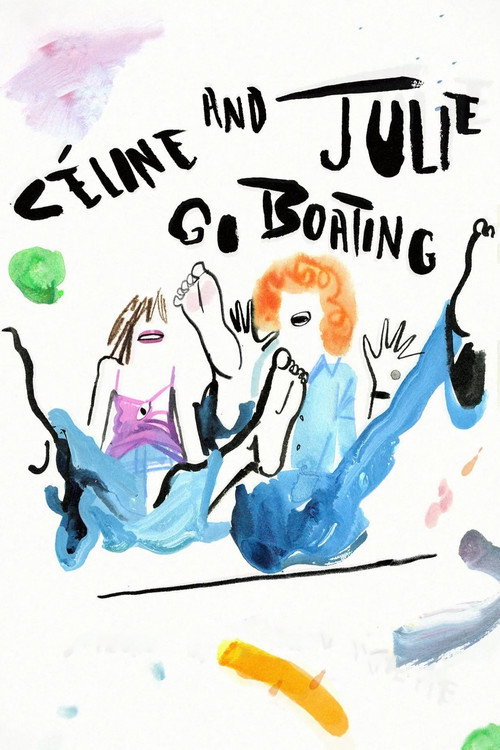
Céline and Julie Go Boating1974
Both are about education as awakening—the transfer of perception itself, not information. Neither film lectures; both show what it looks like when someone teaches another person to look.
Jacques Rivette's three-hour dreamlike film about two women who discover a recurring mystery in a house and decide to solve it together. Nothing on the surface resembles *The Corn Is Green*, but both are about genuine mentorship: one person's curiosity awakening another's, a slow education in seeing.
But It's experimental, meandering, and genuinely obscure. You need to surrender to its logic rather than follow a plot. Many people will find it incomprehensible.
More like this (8)
My Name Is Khan2010
A man with autism crosses America to educate a nation, driven by principle and compassion. Different context entirely, but the same architecture: an outsider perspective illuminating what everyone else has stopped seeing.
But It's sometimes heavy-handed about its message, and the runtime lets it drift. The film wants you to feel something, and doesn't always trust you to find it yourself.

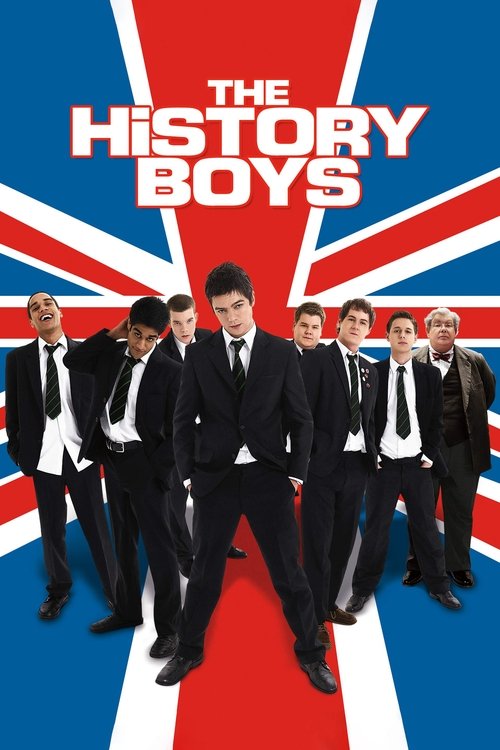
The History Boys2006
Alan Bennett's play about gifted sixth-formers and two teachers who shape them differently. Brilliant, funny, and genuinely sad about what education is for and what we ask young people to become.
But It's talky and literary. If you need plot momentum or visual spectacle, this will feel like sitting in a very clever classroom for two hours.
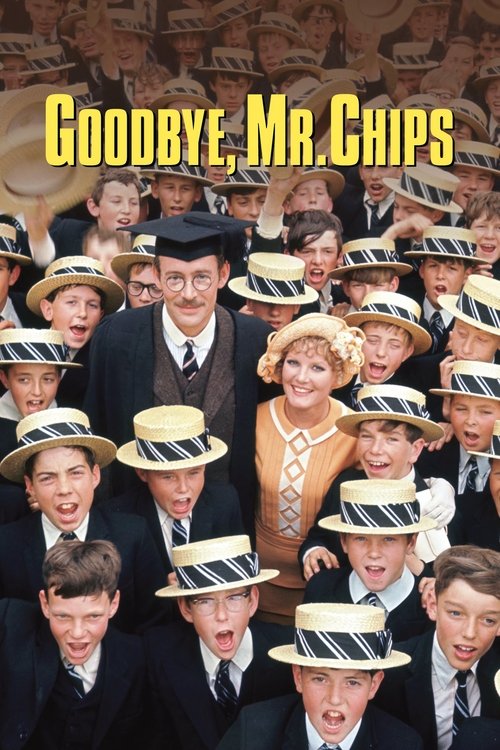
Goodbye, Mr. Chips1969
Peter O'Toole as a teacher whose entire life is his school. A mirror-image story: instead of one student transformed, we see the slow, accumulated impact of one man's quiet dedication on generations.
But It's sentimental in a way that's sometimes hard to parse. Is the film celebrating his sacrifice or mourning his narrow life? It doesn't seem sure.
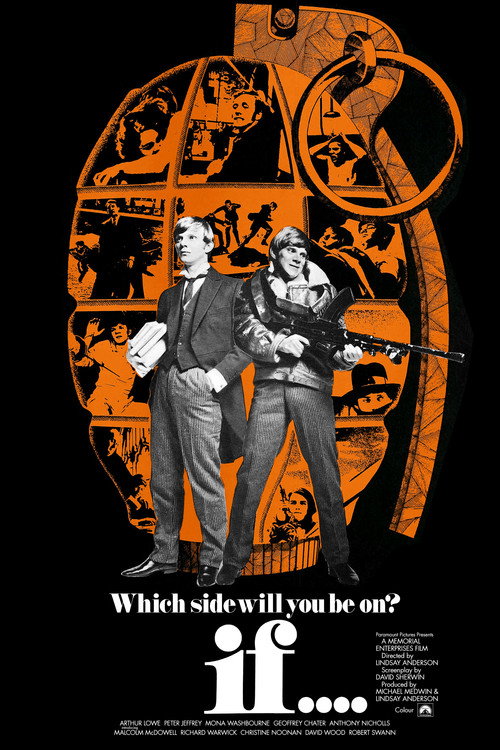
if....1968
Lindsay Anderson's surreal critique of English boarding school. No inspirational teacher here—instead, a vision of institutional brutality and the students who resist it. A different answer to the same question about education's purpose.
But It's abstract and formally experimental. The plot fractures; you won't know what's real. It requires patience and a taste for provocation over clarity.
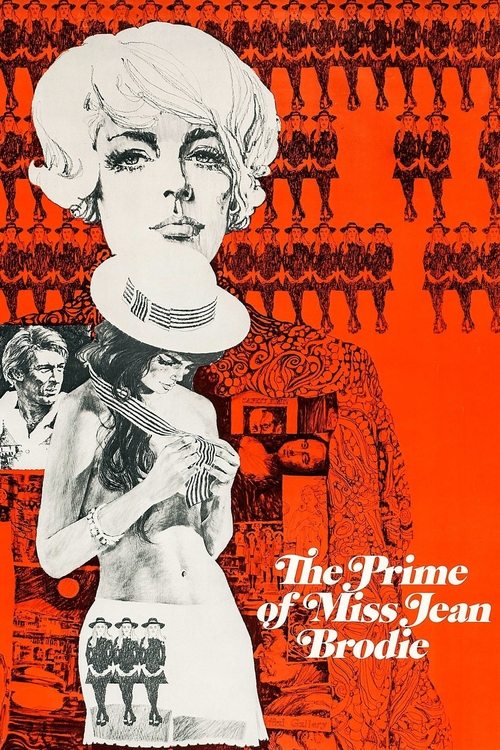
The Prime of Miss Jean Brodie1969
Maggie Smith as a charismatic teacher whose gift for inspiration curdles into manipulation. The other side of Miss Moffat's coin: what happens when a teacher's vision becomes more important than their students' autonomy.
But It's slower than its reputation suggests. The emotional payoff depends on you caring about Scottish schoolgirls in the 1930s, which is a specific ask.
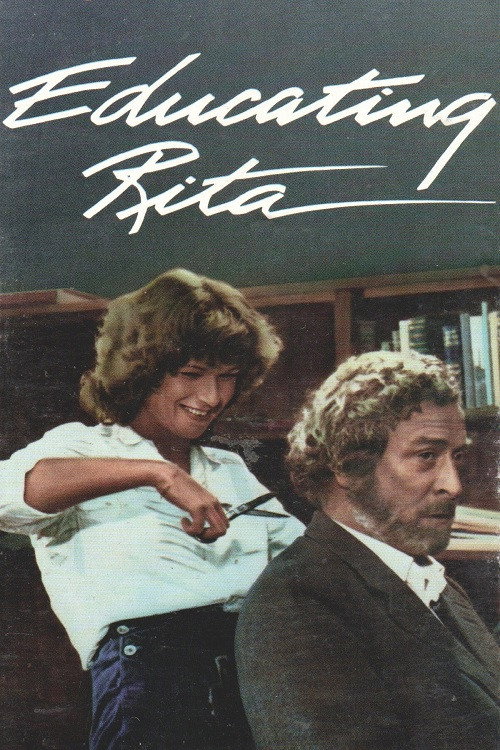
Educating Rita1983
A working-class hairdresser studies literature with a university professor. Same energy as *The Corn Is Green*—self-improvement, class friction, one person's belief changing another's trajectory—but funnier and more intimate.
But It's a two-hander confined mostly to one room. The growth is internal; if you need external incident, you'll find it slight and repetitive.
Stalker1979
Both films trust patience and silence. Neither rushes to emotional payoff. Both believe that real change happens invisibly, in the space between words, and that a teacher's greatest work is invisible.
Andrei Tarkovsky's philosophical science-fiction film about a guide leading two men through a mysterious zone toward enlightenment. Released the same year as this film, it's about the relationship between teacher and seeker, desire and knowledge, the spiritual hunger beneath all learning.
But It's slow, meditative, and entirely in a different register. If you watch it expecting narrative, you will be bored. It demands you meet it as poetry, not story.

The Seventh Seal1957
Both films are about defiance rooted in principle. Miss Moffat and the Knight refuse to surrender—one to poverty and illiteracy, one to meaninglessness. Both are stubbornly, defiantly human.
Ingmar Bergman's medieval knight plays chess with Death. Completely different genre and era, but like *The Corn Is Green*, it's fundamentally about one person's refusal to accept the world as it is—about insisting on meaning, dignity, and the power of will against circumstance.
But It's bleak, abstract, and relentlessly serious. There's no warmth here, no triumph. If you want comfort, this is not the film.

People
Cast
 Katharine HepburnMiss Lilly Moffat
- Ian SaynorMorgan Evans
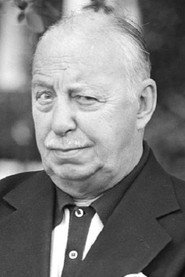 Bill FraserThe Squire
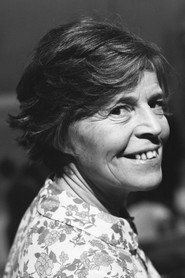 Patricia HayesMrs. Watty
 Anna MasseyMiss Ronberry
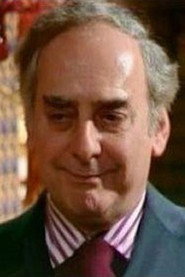 Artro MorrisJohn Goronwy Jones
 Dorothea PhillipsSarah Pugh
 Toyah WillcoxBessie Watty
- Huw RichardsIdwal
- Bryn FônRobbart
- Dyfan RobertsGwyn
- Robbin JohnIvor
Directing
- George CukorDirector
Writing
- James CostiganAdaptation
- Emlyn WilliamsTheatre Play
- Emlyn WilliamsWriter
- James CostiganWriter
Production
- Eric RattrayAssociate Producer
- Neil HartleyProducer