
Film
Howards End
A quiet, exquisitely mannered adaptation of Forster's novel about which family gets to keep a house, and what that says about who England belongs to. Emma Thompson anchors it with warmth and steel; Hopkins is chillingly plausible as old money. Gorgeous, unhurried, and more radical than its lace collars suggest.
If you liked this
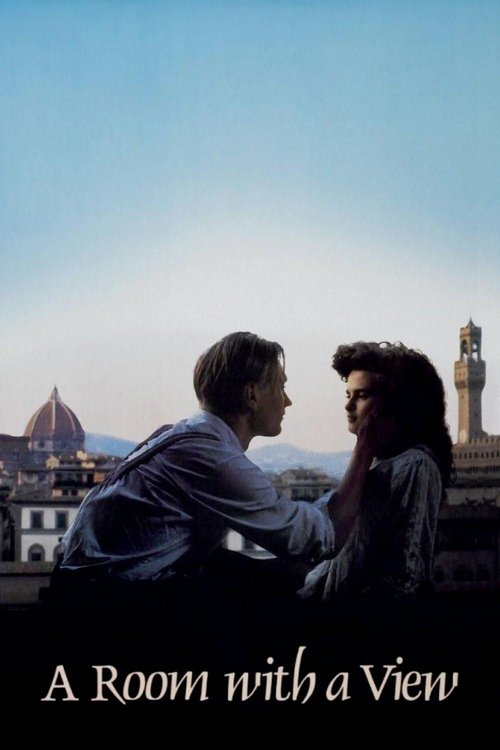
A Room with a View1986
The same Merchant Ivory/Forster combination but lighter and funnier, with a young Helena Bonham Carter falling for Italy instead of England. A gentler entry point into this world of repressed feeling and beautiful houses.
But Slighter and more comic than Howards End — if you wanted the political weight, this feels almost frothy by comparison.
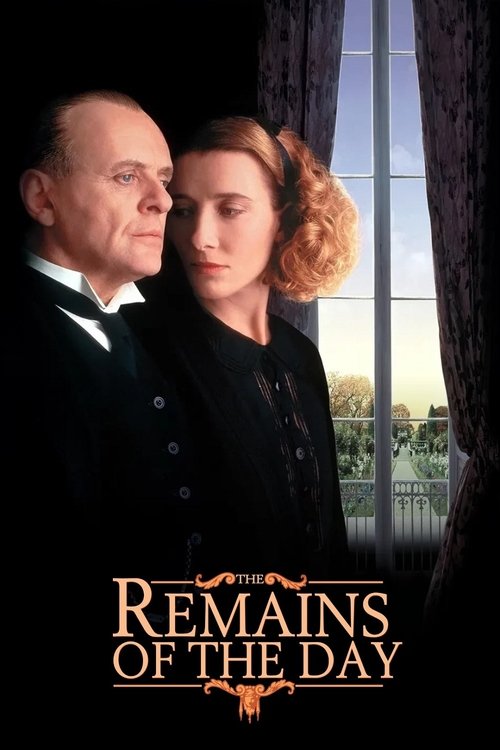
The Remains of the Day1993
Thompson and Hopkins reunite a year later, this time as a housekeeper and a butler who cannot say what they feel. Same producers, same devastating restraint, arguably even sadder.
But It's slower and more interior than Howards End — almost nothing happens on the surface, and the heartbreak is entirely between the lines.
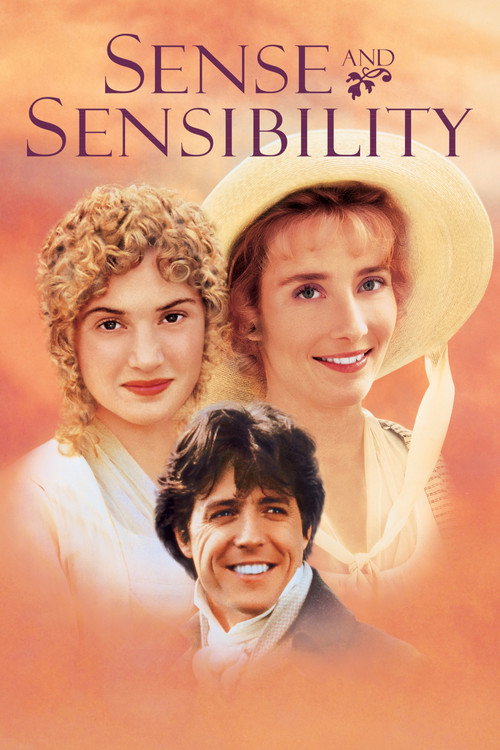
Sense and Sensibility1995
Emma Thompson again, this time writing as well as starring, in another story about women whose futures hinge entirely on other people's money and manners. Warmer and wittier than Howards End.
But Austen is gentler on her villains than Forster — if you want the class anger, it's softened here into comedy of manners.
The wildcard
Something you would not have found on your own.
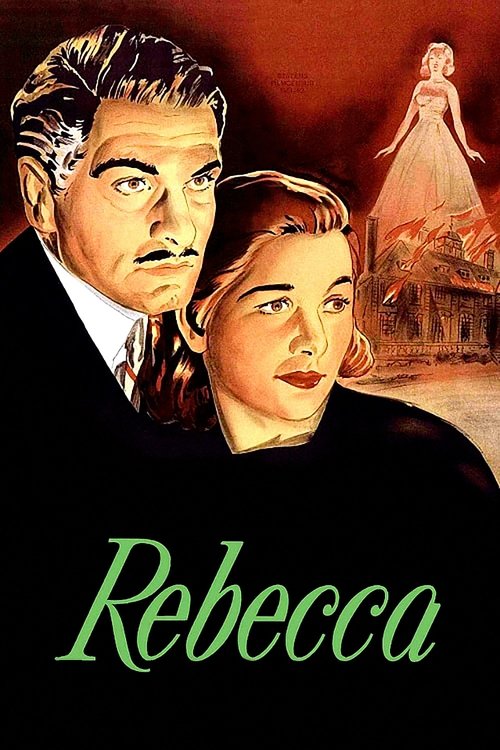
Rebecca1940
Both hinge on a house that outlasts and outranks the people fighting over it, and on a woman who inherits a place she was never meant to belong to.
Hitchcock's gothic thriller about a second wife haunted by a house and the woman who ran it before her — same obsession with property as identity, decades earlier and dressed in dread instead of drawing-room comedy.
But It's a suspense picture at heart, not a social drama — if you want Forster's political texture, this trades it for atmosphere and menace.
More like this (8)
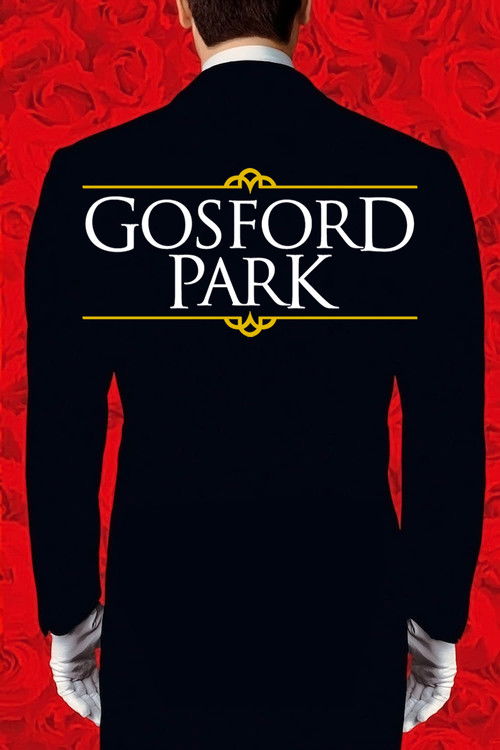
Gosford Park2001
Robert Altman turns the English country house into a murder mystery, but the real subject is exactly Howards End's: who serves whom, and what everyone pretends not to notice. Sharper and funnier.
But The ensemble is huge and the plot is deliberately tangled — it rewards patience rather than handing you a clear emotional throughline.
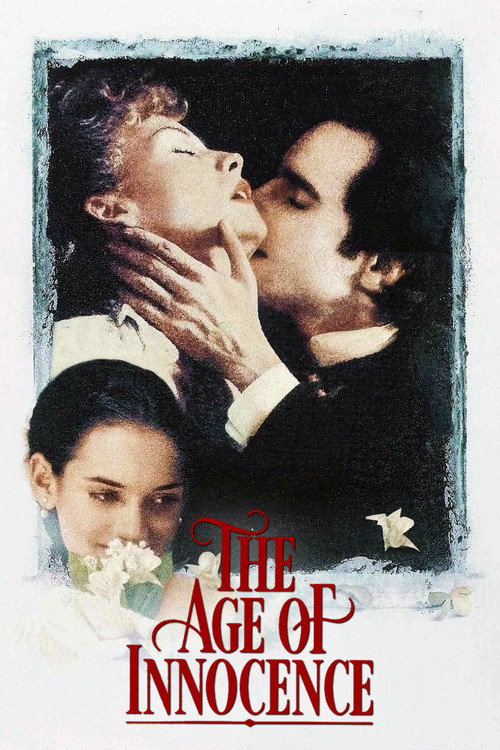
The Age of Innocence1993
Scorsese's least typical film is Howards End's American cousin — old New York money, suffocating propriety, a love that can't survive the rules of its own class. Visually sumptuous and quietly devastating.
But Scorsese's camera is more restless and ironic than Merchant Ivory's — some find the tone colder, less tender toward its characters.
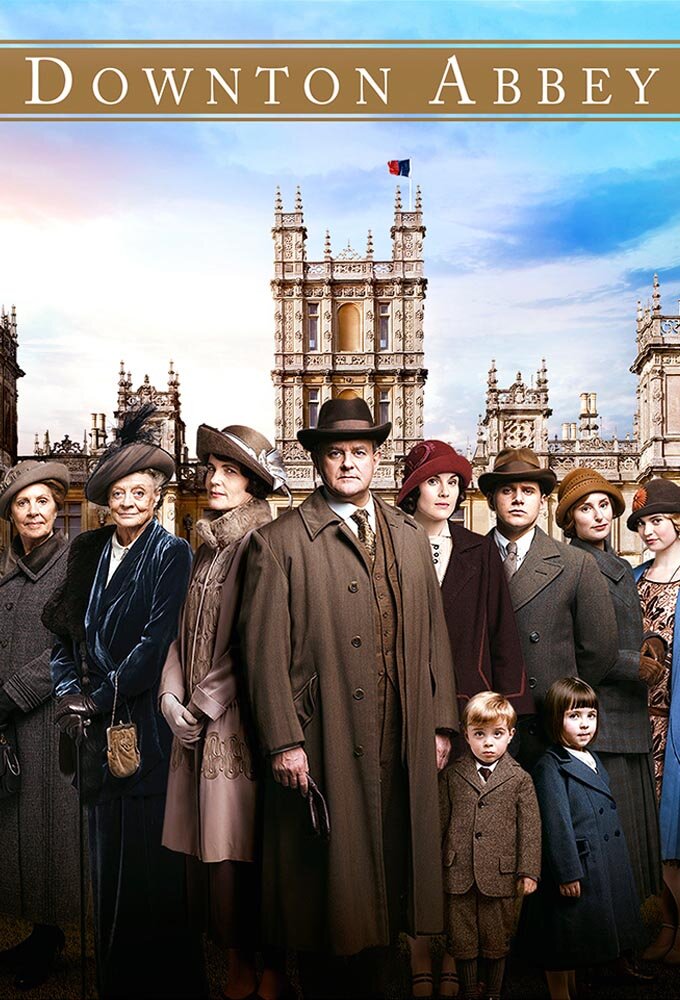
Downton Abbey2010
If you wanted more time in this world — the estate, the servants, the slow erosion of the old order — this gives you dozens of hours of it, with soapier plotting and real charm.
But It's far cosier and more forgiving of its aristocrats than Howards End ever is; the class critique gets sanded down for comfort.
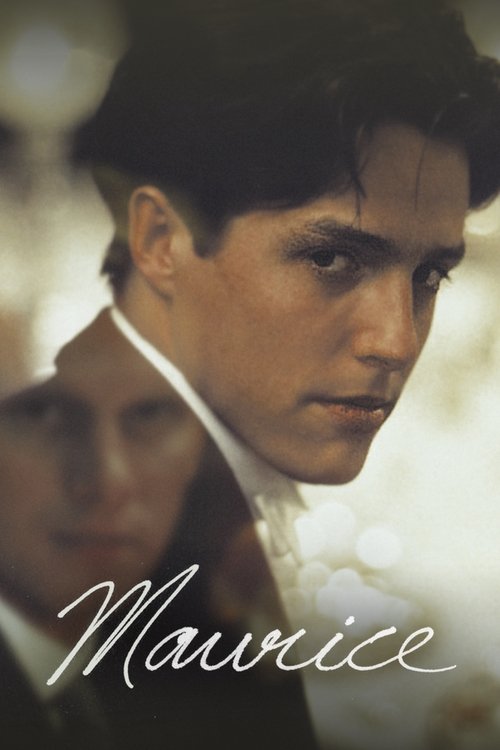
Maurice1987
Another Forster novel, another Merchant Ivory production, this time about a gay love affair that has to hide behind exactly the same manners and hedges as Margaret and Henry's marriage.
But It's a much more overtly romantic, less socially panoramic film — the class analysis takes a back seat to the central love story.
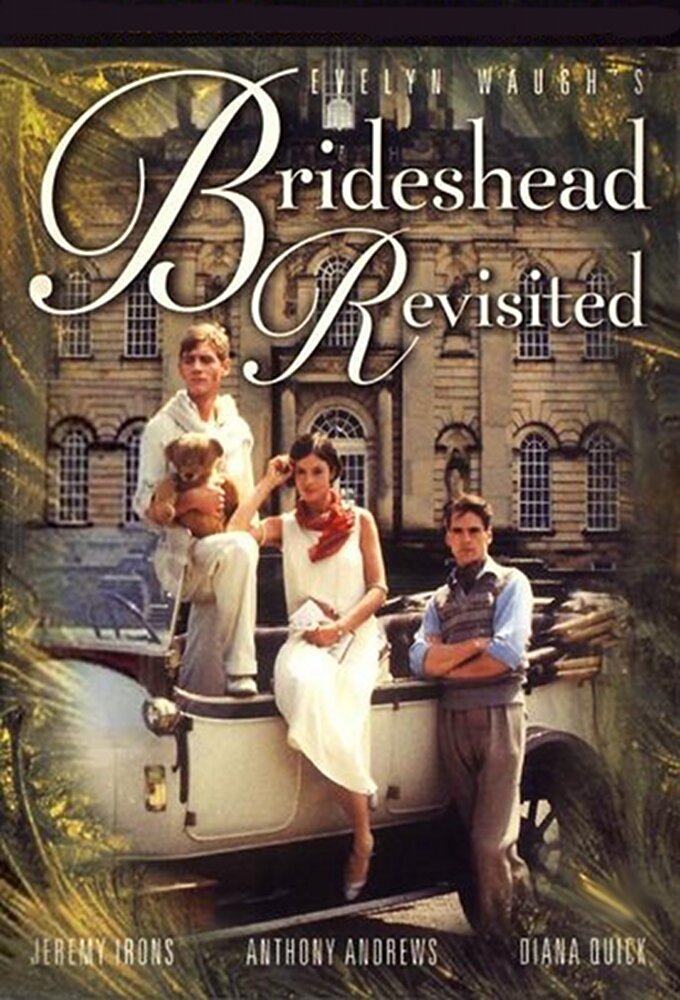
Brideshead Revisited1981
The definitive English-estate miniseries — languid, obsessive, and just as fixated on a house as the seat of memory and class identity as Howards End is.
But It's eleven hours long and moves at a positively glacial pace; this is a commitment, not an evening.
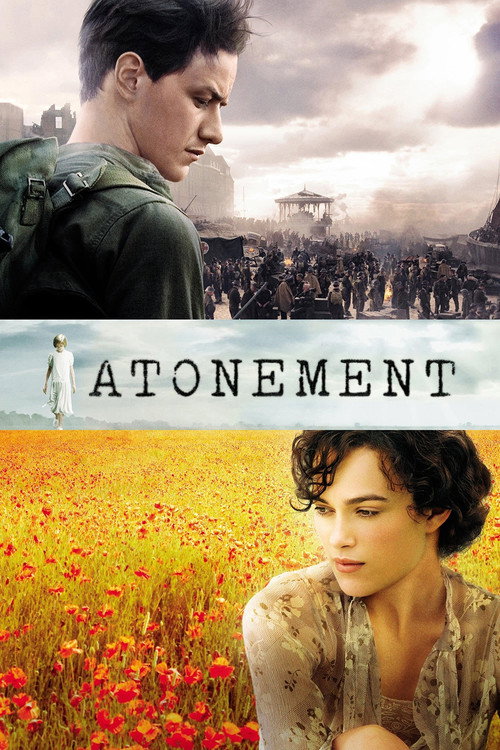
Atonement2007
A country house, a class-crossed romance, and consequences that ripple across decades — Ian McEwan doing his own version of the Schlegel-Bast collision, with more tragedy and less hope.
But It's considerably bleaker and more punishing than Howards End, with a structural trick some readers find manipulative rather than moving.
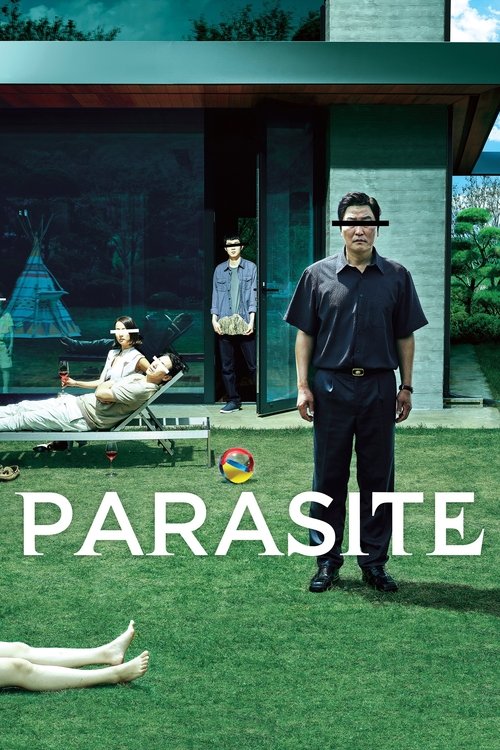
Parasite2019
Both are structured around a house as the literal architecture of class, and a poorer character whose fate is decided by richer people who barely notice him.
Bong Joon-ho's pitch-black satire takes the exact same engine — two families, one house, a collision between wealth and precarity — and runs it through contemporary Seoul at twice the speed and cruelty.
But It's violent, funny, and cynical where Howards End is patient and hopeful — the tonal gear-shift midway through will jolt anyone expecting more period restraint.
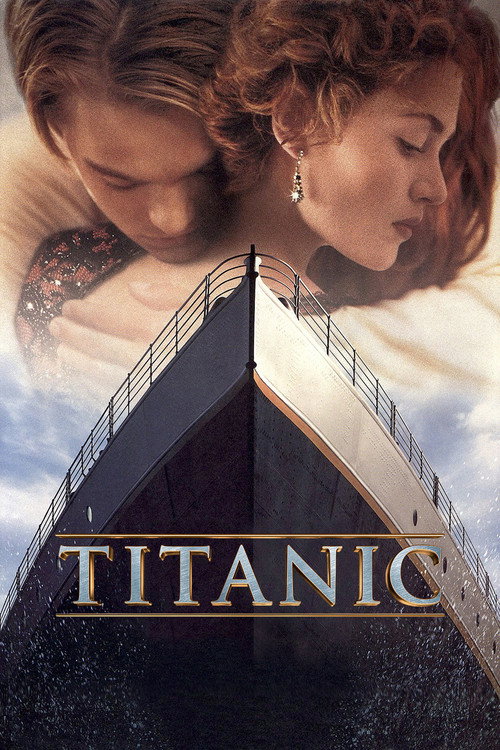
Titanic1997
Both use a grand, symbolic structure — house or ship — as the stage where love crosses class lines and someone has to be sacrificed to the old order.
Strip away the corsets and Edwardian irony and you get this: a class-crossed love story on a doomed vessel instead of a doomed estate, played as full-throttle, unembarrassed melodrama.
But It has none of Forster's restraint or ambiguity — this is big, weepy, swooning romance, the opposite of Howards End's careful understatement.
People
Cast
 Emma ThompsonMargaret Schlegel
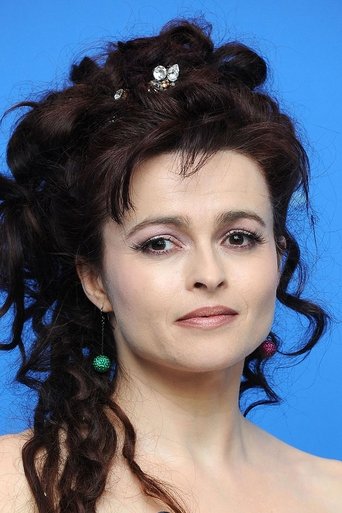 Helena Bonham CarterHelen Schlegel
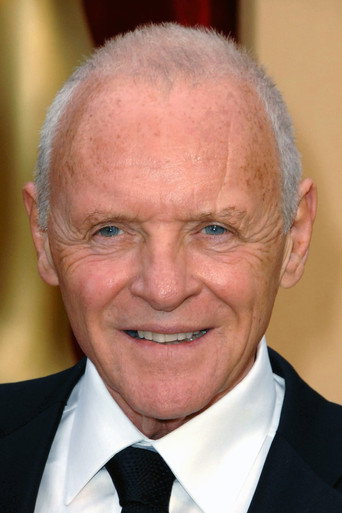 Anthony HopkinsHenry J. Wilcox
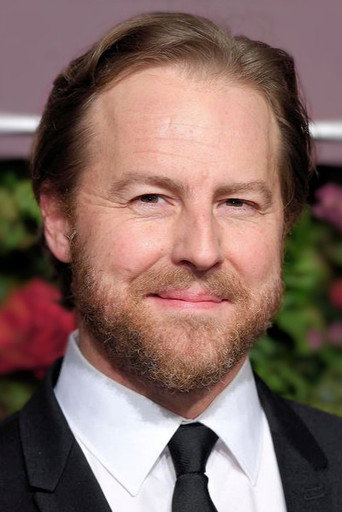 Samuel WestLeonard Bast
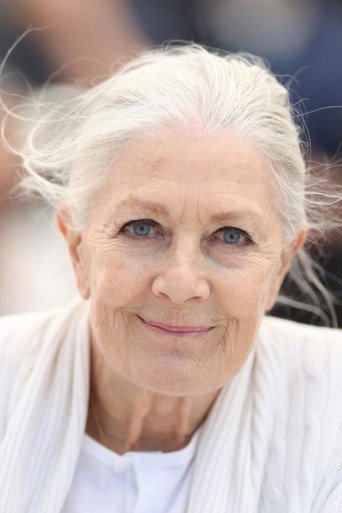 Vanessa RedgraveRuth Wilcox
 Adrian Ross MagentyTibby Schlegel
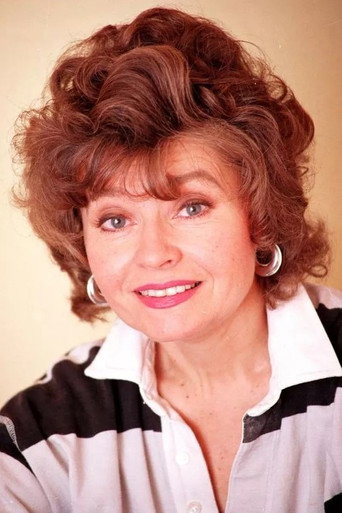 Prunella ScalesAunt Juley
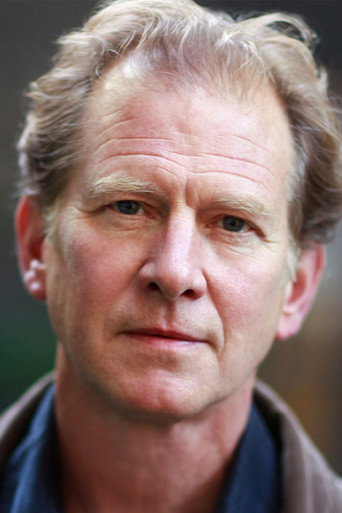 James WilbyCharles Wilcox
- Joseph BennettPaul Wilcox
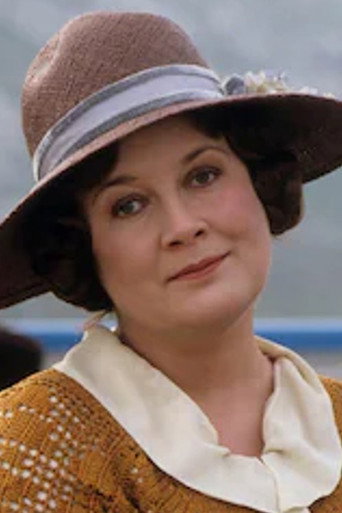 Jo KendallAnnie
 Jemma RedgraveEvie Wilcox
 Crispin Bonham-CarterAlbert Fussell
Directing
- James IvoryDirector
Writing
- E.M. ForsterNovel
- Ruth Prawer JhabvalaScreenplay
Production
- Donald RosenfeldAssociate Producer
- Celestia FoxCasting
- Ann WingateCo-Producer
- Paul BradleyExecutive Producer
- Ismail MerchantProducer
Recommended by
Gosford Park, The Remains of the Day, Maurice, Sense and Sensibility, A Room with a View, The Age of Innocence, Mrs. Dalloway, Brideshead Revisited, The House of Mirth, Fanny and Alexander