
Film
I Capture the Castle
A dreamy, digressive film about a teenage girl documenting her eccentric, impoverished family in a crumbling 1930s English castle. It's all mood and character—languorous, funny, deeply romantic without being saccharine. For people who want to *live* in a film's world rather than just watch it happen to someone else.
If you liked this
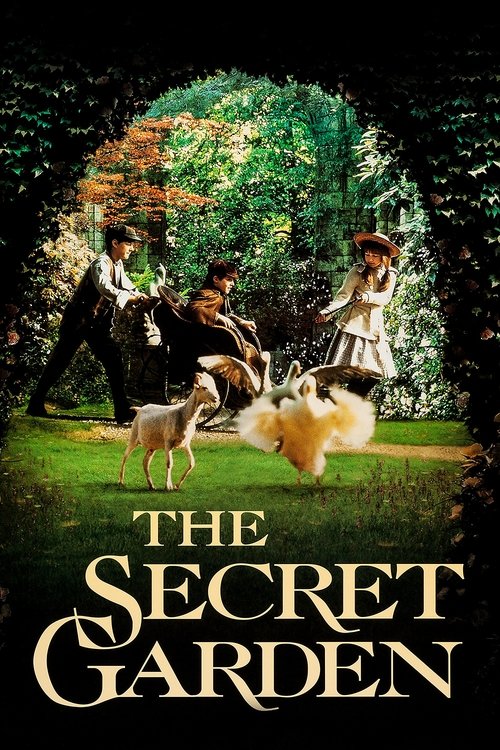
The Secret Garden1993
Shares the same lush, atmospheric approach to period storytelling and the romance of decay. A story about finding magic in dereliction, with beautiful cinematography and a young woman learning to see herself clearly.
But The pacing is deliberate to the point of stasis. If you need plot momentum, you will find yourself frustrated.
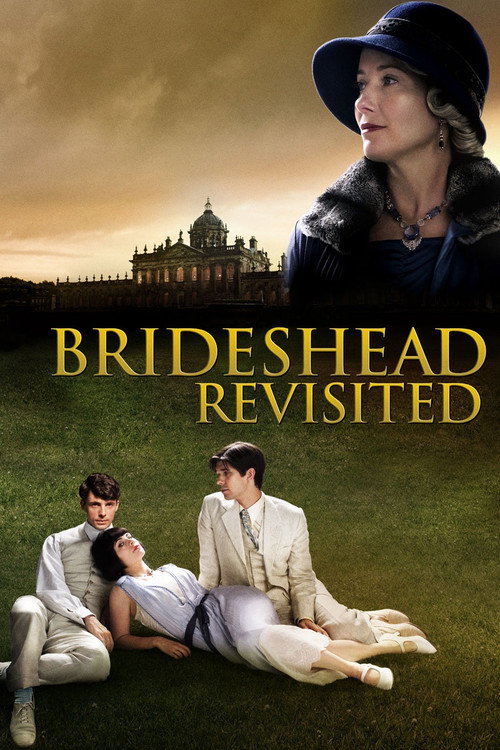
Brideshead Revisited2008
Another luxurious, melancholic take on English decline and romantic longing. The production design is exquisite, and it captures that same bittersweetness about class, beauty, and the impossibility of holding onto things.
But It's heavy with nostalgia and formal restraint. The emotional register is decidedly cool, which can read as distant.
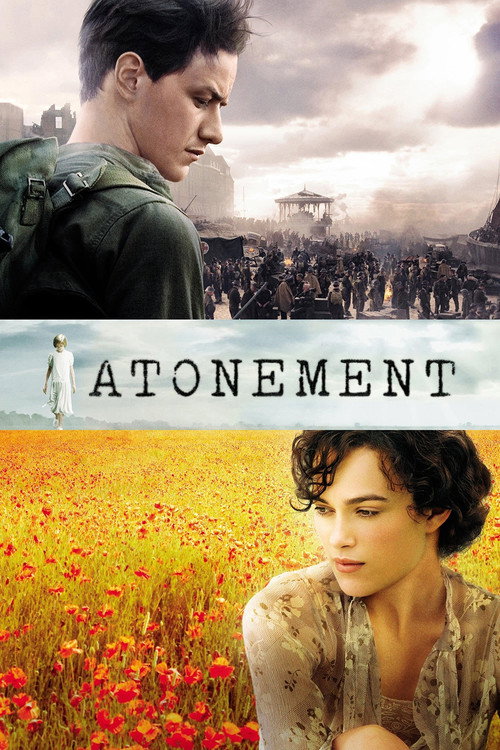
Atonement2007
The same period, similar visual sumptousness, and a protagonist trying to make sense of her inner life through writing. It has romance, family dysfunction, and a house that feels like a character itself.
But It's considerably darker and more austere. The tonal shift halfway through will shake you in ways this film doesn't.
Not sure tonight? Get a pick in a minute, starting from I Capture the Castle
The wildcard
Something you would not have found on your own.
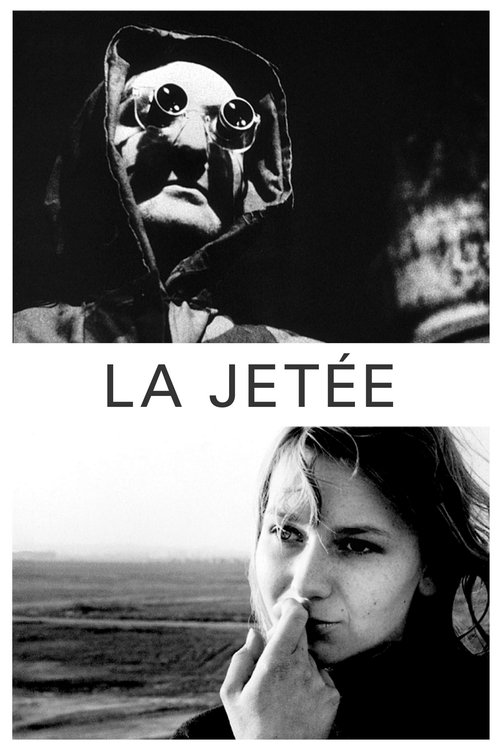
La Jetée1962
Both are meditations on time, memory, and the impossibility of capturing lived experience through documentation. Each narrator tries to freeze a moment and instead reveals how fragile moments are.
A fragmented, haunting science-fiction film told almost entirely through still photographs with voice-over narration. Like Cassandra's obsessive documentation of her own moment, it captures the experience of memory and longing. The connection: both are about a narrator trying to stop time from slipping away.
But It's 28 minutes of still images and sparse dialogue. If you need conventional narrative momentum or moving faces, you will lose patience immediately.
More like this (8)
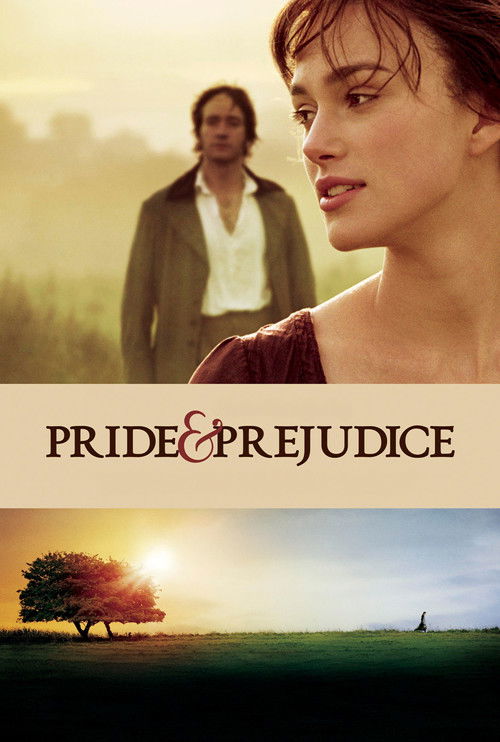
Pride & Prejudice2005
More energetic but equally romantic. Elizabeth's voice, wit, and agency will feel familiar to Cassandra. The ensemble cast and naturalistic performances share the same warmth.
But It moves faster and is more conventionally plotted. Less digressive, more determined to reach a satisfying endpoint.
The Remains of the Day1993
Another meditation on English restraint, regret, and the spaces between people. Beautifully shot, impeccably acted, and deeply sad about the lives we don't quite live.
But It's intellectually rigorous and emotionally guarded. There's very little warmth, and the humor is dry to the point of invisibility.

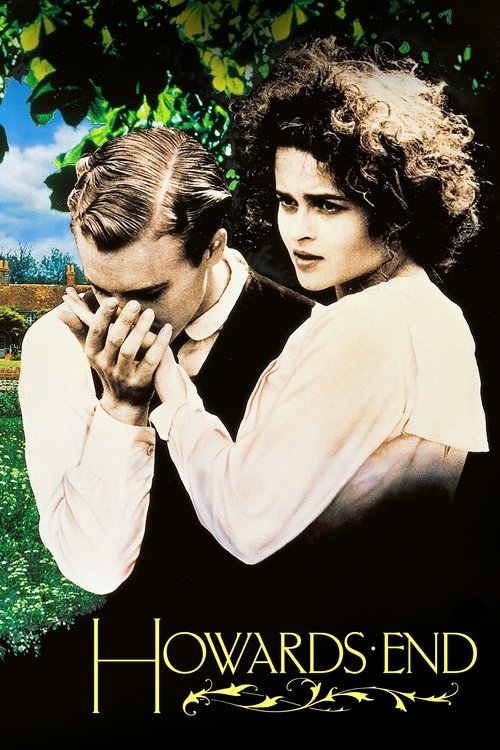
Howards End1992
A house as the emotional center of the story. Class, inheritance, romantic complications, and a large ensemble of vivid characters. Merchant-Ivory period cinema at its most assured.
But It's novelistic and patient, which means certain sections will feel like detours. The structure privileges thematic resonance over conventional satisfaction.
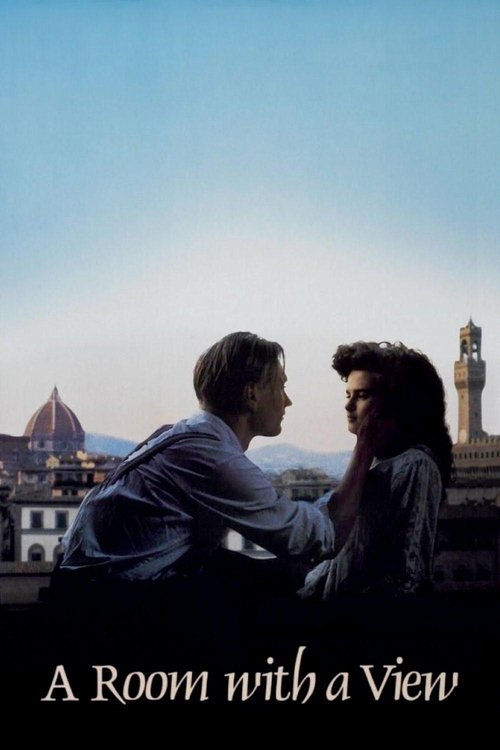
A Room with a View1986
A young woman torn between passion and propriety in sun-drenched settings. It has the same romantic idealism and the same faith that interiority matters. The screenplay is witty without being clever.
But The pacing reflects the novel's meditation rather than a screenwriter's urgency. Some will find it antiquated in its sensibility.
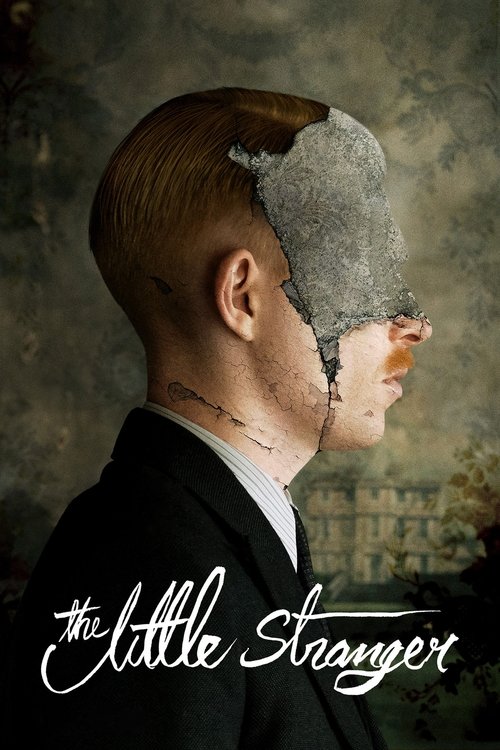
The Little Stranger2018
Post-war English decay, a decaying house, class anxiety, and a mystery that emerges from character rather than plot. Beautifully acted and genuinely unsettling in ways that creep up on you.
But It's a gothic undertone rather than explicit horror. Ambiguity is the point, which frustrates people seeking answers.
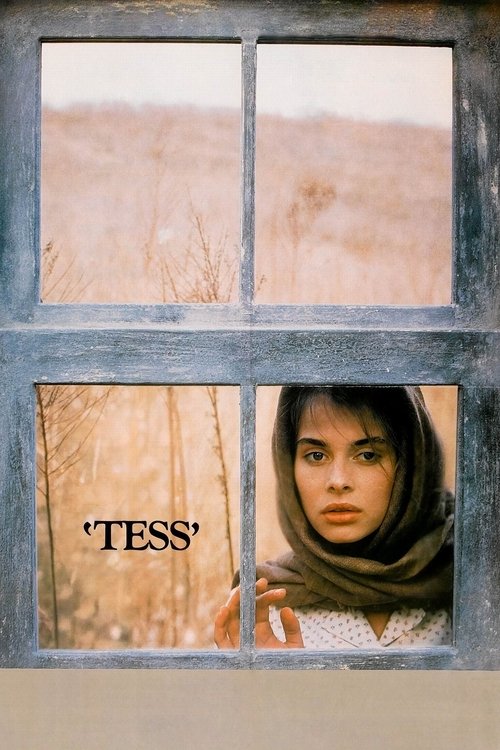
Tess1979
Roman Polanski's lush adaptation of Hardy. Another young woman documenting her own tragedy with a camera's precision. The cinematography is overwhelming, and the emotional devastation is real.
But It's bleak. Not melancholy—bleak. The tone is unrelenting, and the ending will stay with you in a way that's almost punishing.
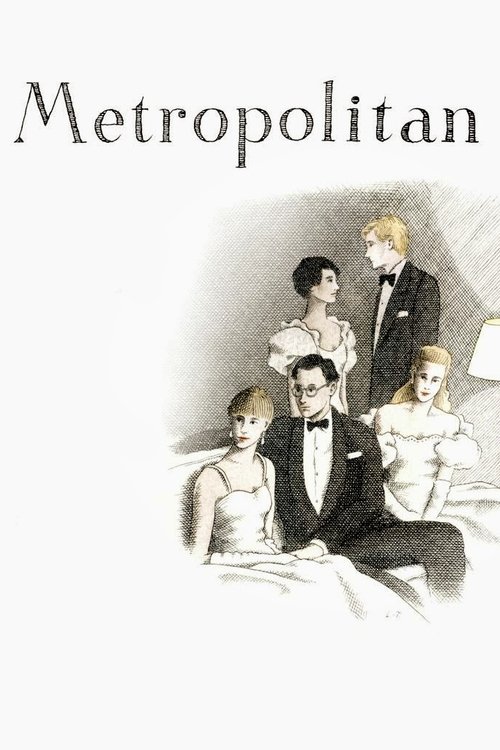
Metropolitan1990
Both feature first-person narration from an intelligent young person observing their own social world with irony and genuine affection. Both find comedy in self-awareness without losing the romance underneath.
Whit Stillman's debut about wealthy young New Yorkers obsessed with Henry James and their own social position. It has Cassandra's wry voice, her sense of being both inside and outside her world, and the same witty, self-aware narration about class and romance.
But It's staunchly American and urbane, where *I Capture the Castle* is rural and English. The tone is intentionally arch and intellectual in ways that can feel elitist.
Stalker1979
Both are more interested in atmosphere and emotional truth than plot. Both treat physical spaces as repositories of human longing, and both trust the viewer to sit with ambiguity and mood.
Tarkovsky's meditative science-fiction film about desire and the spaces between people. It moves with the same unhurried pace as *I Capture the Castle*, and its visual beauty is hypnotic. Like the castle itself, the Zone is a place where interior life becomes visible.
But It's 163 minutes long, almost entirely dialogue-free for long stretches, and philosophically abstract. This is not a film that explains itself or rewards passive watching.

People
Cast
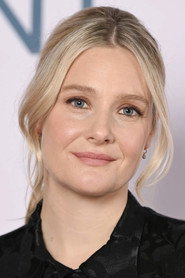 Romola GaraiCassandra Mortmain
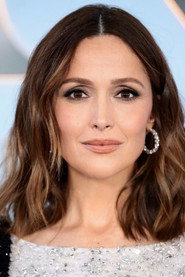 Rose ByrneRose Mortmain
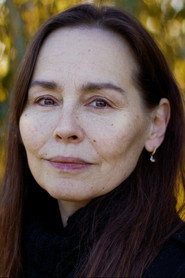 Tara FitzgeraldTopaz Mortmain
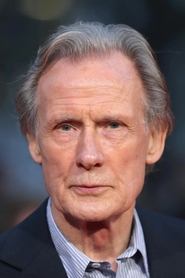 Bill NighyJames Mortmain
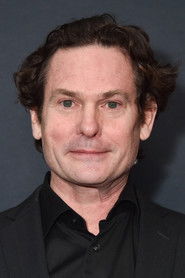 Henry ThomasSimon Cotton
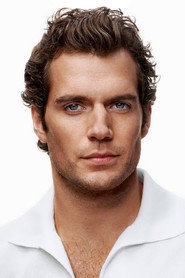 Henry CavillStephen Colley
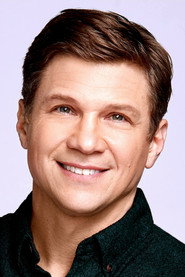 Marc BlucasNeil Cotton
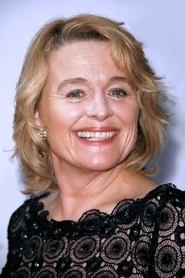 Sinéad CusackMrs Cotton
 Joe SowerbuttsThomas
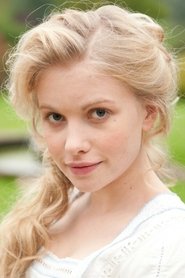 Sophie StuckeyCassandra (aged 7)
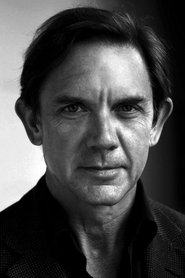 David BamberVicar
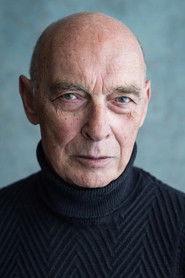 James FaulknerAubrey Fox-Cotton
Directing
- Tim FywellDirector
- Guy HeeleyFirst Assistant Director
- Sue HillsScript Supervisor
- Phil BoothSecond Assistant Director
- Vicky MarksThird Assistant Director
Writing
- Dodie SmithNovel
- Heidi ThomasScreenplay
- Irena BrignullScript Editor
Production
- Sarah WhealeAssistant Production Coordinator
- Deborah AquilaCasting
- Kate Rhodes JamesCasting
- Tricia WoodCasting
- Mark CooperCo-Producer
- Mike NewellExecutive Producer
- Amanda StevensLocation Manager
- Anant SinghProducer
- David M. ThompsonProducer
- David ParfittProducer
- Marshall LevitenProduction Coordinator
- Jeremy JohnsProduction Manager
- Becky ScoffieldProduction Runner
- Jo BeckettUnit Manager