
Film
Match
A 2012 Russian drama about the notorious 1942 "death match" between a Soviet football team and their German occupiers during WWII. It's a tense, atmospheric film that uses sport as a lens for resistance, collaboration, and survival under Nazi rule. For anyone drawn to historical cinema that treats its subjects with moral complexity.
Should you watch it?
Watch it if you like sports films where the game becomes a pressure cooker for conscience, and wartime history is told through ordinary people forced into impossible choices.
Skip it if you want a crisp, rousing underdog story with clean heroes; this is heavier, slower to build, and its occupation-era politics sit uncomfortably close to the scoreboard.
What it asks of you: Just under two hours, with a slow build spent on lives around the pitch, so it rewards settling in rather than hunting for the next thrill.
Not sure? Find tonight's pick in a minute.
If you liked this
Come and See1985
Elem Klimov's masterpiece about a Soviet boy caught in the brutality of WWII. Like Match, it refuses easy heroics and instead presents the war as a grinding, dehumanising experience that corrodes everyone it touches.
But Relentlessly bleak and difficult to watch. The violence is not stylised; it accumulates until the film becomes almost unbearable.

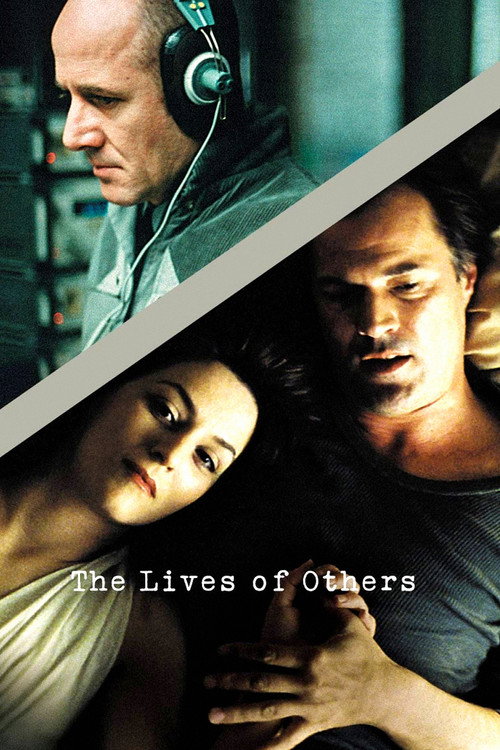
The Lives of Others2006
A German-language thriller about surveillance and moral compromise under totalitarianism. Both films explore how ordinary people navigate systems of control, asking what you owe yourself versus what the state demands.
But Slower and more cerebral than a conventional spy thriller. The emotional payoff depends entirely on your patience with restraint.
A Prophet2009
Jacques Audiard's prison drama about survival through intelligence and adaptation. Like Match, it's built on the idea that staying alive sometimes means playing a game you despise with people you fear.
But Set in a modern French prison, not a historical setting, so the parallel might feel oblique. Violent and claustrophobic in ways that linger.

Not sure tonight? Get a pick in a minute, starting from Match
The wildcard
Something you would not have found on your own.
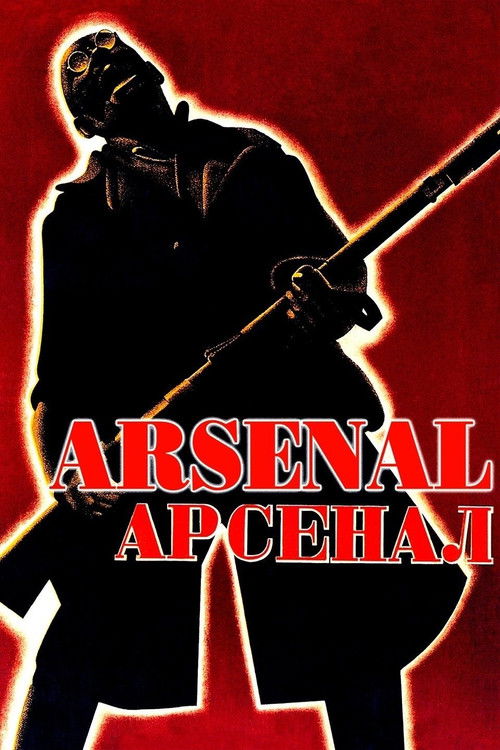
Arsenal1929
Both Match and The Arsenal use a historical sporting/military moment to explore collective Soviet identity and resistance. Arsenal is the artistic ancestor; Match is what happens when that impulse encounters the mature grammar of contemporary cinema.
Alexander Dovzhenko's silent Soviet film about a worker's rebellion during WWI, made in 1929 and shot as a visual poem. It's what happens when revolutionary cinema abandons narrative naturalism entirely—images become ideology. If you want to understand how Soviet filmmakers of that era thought about resistance and sacrifice, this is the source code.
But Silent, from 1929, and deliberately experimental. If you need conventional plot or coherent dialogue, this is abstract to the point of opacity.
More like this (7)
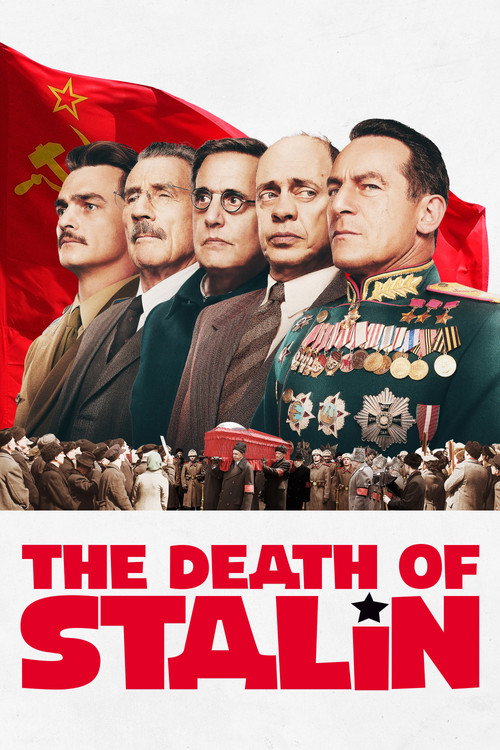
The Death of Stalin2017
Armando Iannucci's satirical take on Soviet power struggles uses history as a vehicle for dark comedy. Both films wrestle with how individuals survive under authoritarian systems, though this one finds absurdity where Match finds dread.
But Heavy on political in-joke and Soviet bureaucratic procedure. The satire requires some patience to land.
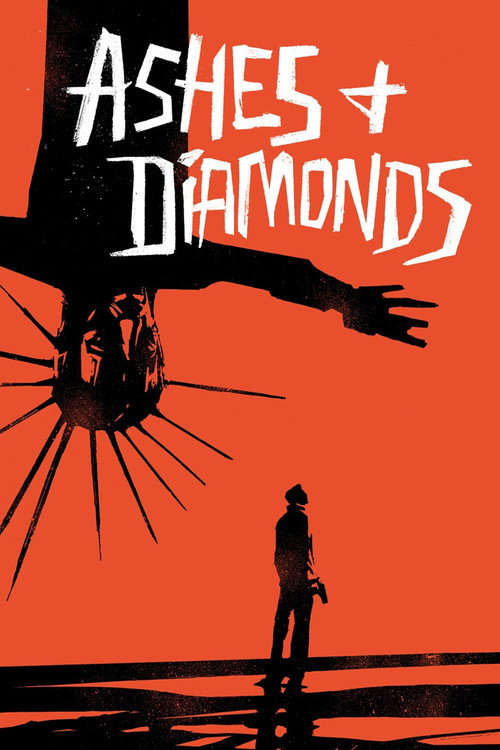
Ashes and Diamonds1958
Andrzej Wajda's Polish masterpiece about a young resistance fighter in the final days of WWII. It shares Match's interest in how personal desire and political reality collide when the stakes are survival.
But Shot in black and white in the late 1950s, it moves at a deliberate pace. The politics are specifically Polish, which may require some historical context.
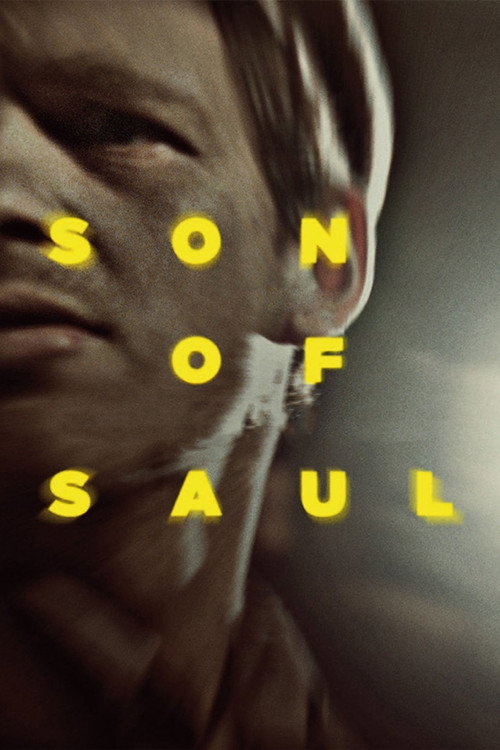
Son of Saul2015
László Nemes's Holocaust film told in tight close-up, where a single man's small acts of dignity become the entire world. Both films find humanity in the grip of historical horror through unflinching focus.
But Intensely claustrophobic and emotionally devastating. The sound design is deliberate and sometimes alienating rather than comforting.
Stalker1979
Andrei Tarkovsky's philosophical science-fiction epic about desire, power, and the invisible forces that shape human choice. Structurally different from Match, but shares its meditative approach to moral complexity.
But Three hours of extremely slow cinema. If you want answers rather than questions, this will frustrate you.

Pather Panchali1955
Satyajit Ray's intimate portrait of a family in poverty. Like Match, it treats ordinary people with dignity and finds profound humanity in constrained circumstances, refusing sentiment.
But A Bengali film from 1955 with subtitles. The story is intimate rather than dramatic—if you need external conflict, the quiet may feel too quiet.

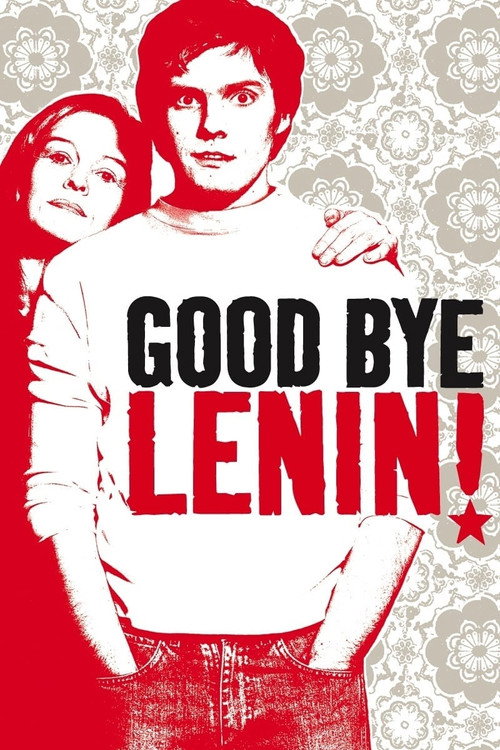
Good Bye, Lenin!2003
A German comedy about the fall of the Berlin Wall told through a son's attempt to shield his ailing mother from reality. Uses historical change as the backdrop for intimate human relationships.
But A comedy, which some viewers find tonally mismatched with serious subject matter. The whimsy occasionally undercuts the historical weight.
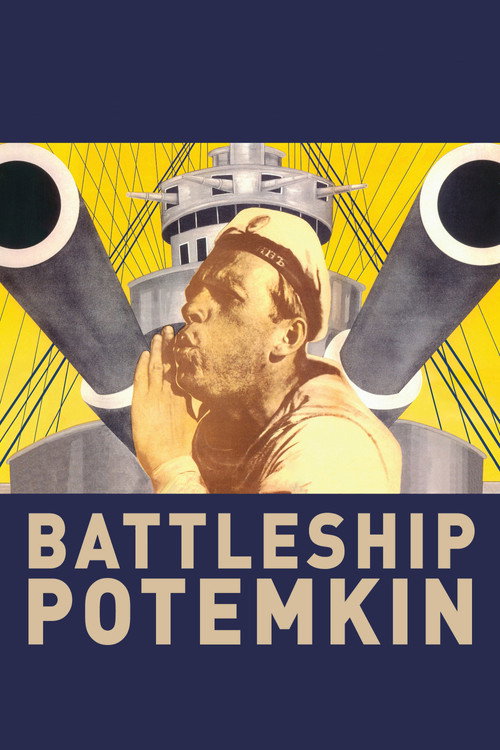
Battleship Potemkin1925
Both Match and Potemkin use a single historical moment to explore the machinery of power and individual choice within it. Potemkin is propaganda as high art; Match asks whether art can exist in the spaces propaganda leaves behind.
Sergei Eisenstein's montage-driven silent film about mutiny during the 1905 revolution. The Odessa Steps sequence is cinema's most imitated action. It's Soviet cinema at its most formally radical, using editing as argument—every cut insists on a political meaning.
But Silent, from 1925, and built on a technique (Soviet montage) that can feel didactic if you're not prepared for it. The pace is not natural; it's constructed as persuasion.
People
Cast
 Sergey BezrukovRanevich
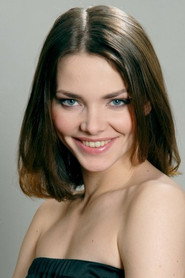
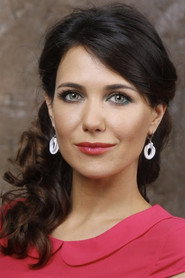 Ekaterina KlimovaOlga Kovtun
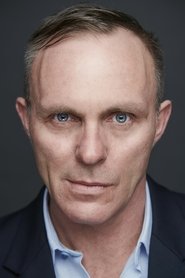 Dirk MartensBrinkmann
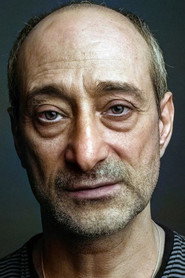 Karen BadalovSvirskiy
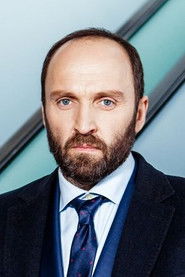 Oleksandr KobzarGeorgiy Shevtsov
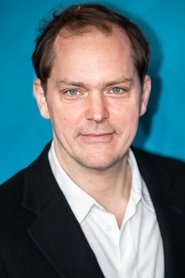 Godehard GieseHans Reschke
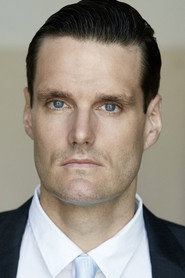
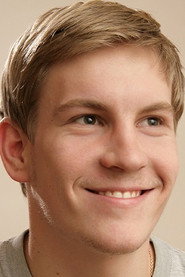 Nikita TezinAndrey Kovtun
 Petar ZekavicaTranslator
 Peter ZimmermannKurt Eberhardt
 Sergey RomanovichStepan
Directing
- Andrey MalyukovDirector
- Oles SaninSecond Unit Director
Writing
- Dmitriy ZverkovWriter
- Sosna IgorWriter
- Timofey SergeytsevWriter
Production
- Alla SamoilenkoCasting
- Yuliya PavlovaCasting