
Film
Salvatore Giuliano
Francesco Rosi's 1962 film reconstructs the death of Sicily's most famous outlaw not as biography but as inquest, jumping between decades, courtrooms and crime scenes to ask who killed Giuliano and why nobody agrees. Cold, exacting and deliberately opaque, it treats its subject as a symptom of Sicilian politics rather than a folk hero. Watch it as history, not adventure.
If you liked this
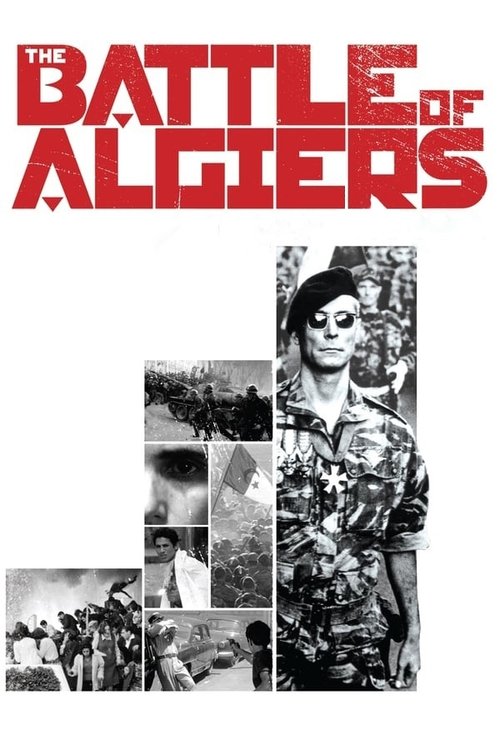
The Battle of Algiers1966
Pontecorvo's electrifying newsreel-style reconstruction of Algeria's independence struggle shares Rosi's belief that history is best told through faces, streets and crowds rather than heroes — a landmark of the same documentary-fiction hybrid.
But Its urgency and moral clarity are more direct than Giuliano's cool ambiguity — if you wanted more puzzle than protest, this plays its politics louder.
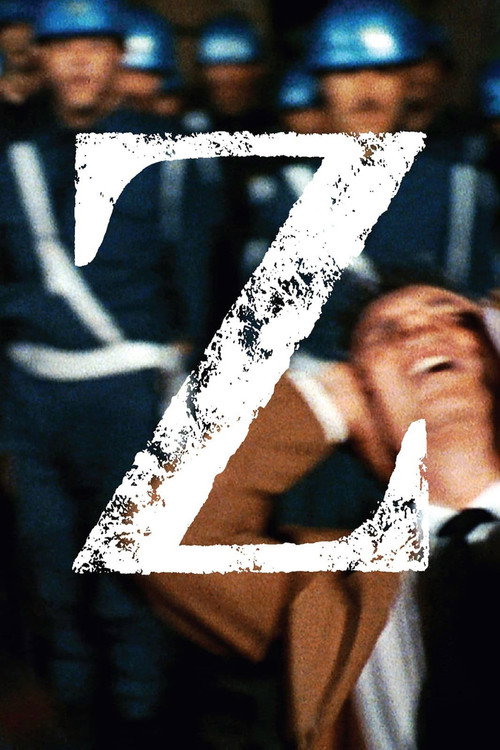
Z1969
Costa-Gavras turns a political assassination into a ferocious, propulsive thriller, tracing conspiracy through inquest and cover-up with the same appetite for institutional rot that drives Rosi's film.
But It's far more of a thriller — fast, angry, entertaining — where Giuliano stays patient and analytical throughout.
Il Divo2008no page yet
Sorrentino's portrait of power broker Giulio Andreotti is another dissection of Italian corruption, told in the same fractured, non-chronological style that trusts the audience to assemble the truth.
But Sorrentino's baroque visual flourish is the opposite of Rosi's austerity — this one is theatrical where Giuliano is bone-dry.
The wildcard
Something you would not have found on your own.
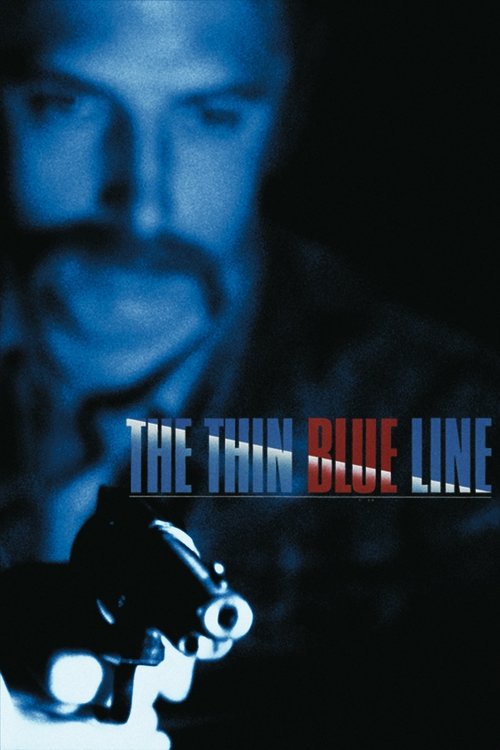
The Thin Blue Line1988
Both films refuse to tell you what happened in order, instead making the impossibility of a single truth the actual subject — one does it as fiction reconstructing history, the other as documentary reconstructing a crime.
Errol Morris's real documentary about a wrongful murder conviction uses stylised reenactments and contradictory testimony to build the same fractured, unreliable-truth structure Rosi invents for Giuliano — except this one is nonfiction.
But It's a small, single-crime American case rather than a national political myth — the stakes are personal, not historical.
More like this (8)
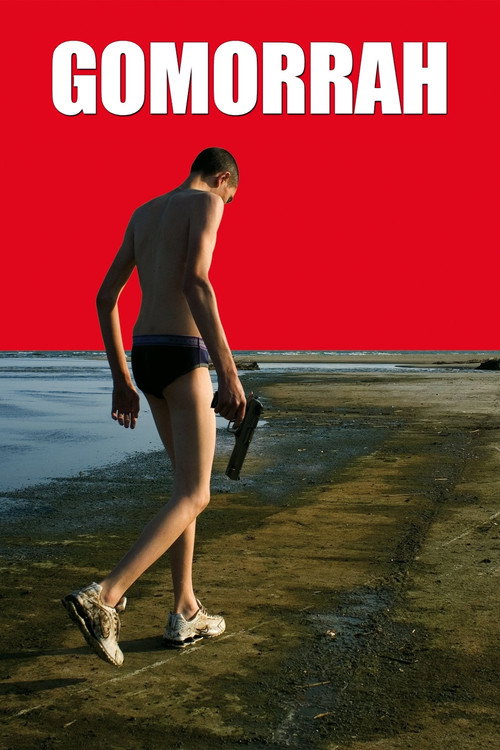
Gomorrah2008
Garrone's unglamorous vision of Neapolitan organised crime picks up Rosi's insistence that the mafia is a system, not a story — grim, granular and unromantic.
But It trades Giuliano's investigative structure for interwoven street-level narrative — less puzzle, more immersion.
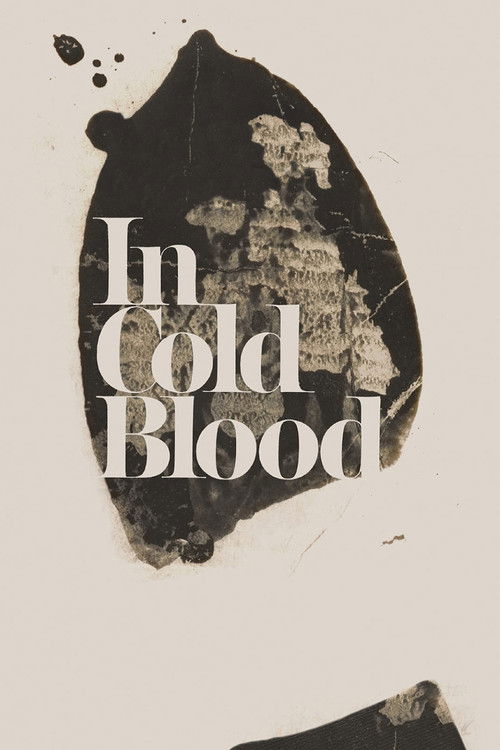
In Cold Blood1967
Richard Brooks's true-crime docudrama, shot in stark black and white, treats a notorious killing with the same clinical, journalistic distance Rosi brings to Giuliano's death.
But It's rooted in American true crime rather than political history — the weight sits on individual psychology, not national politics.
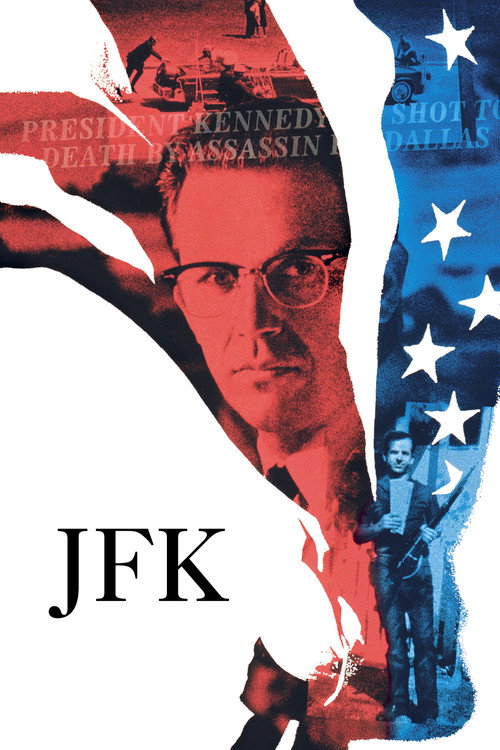
JFK1991
Oliver Stone's sprawling, obsessive reconstruction of an assassination's aftermath shares Giuliano's fascination with how one death can splinter into competing, unresolvable versions of the truth.
But Stone's style is maximalist and paranoid where Rosi's is restrained — this is conspiracy cinema turned up to eleven.
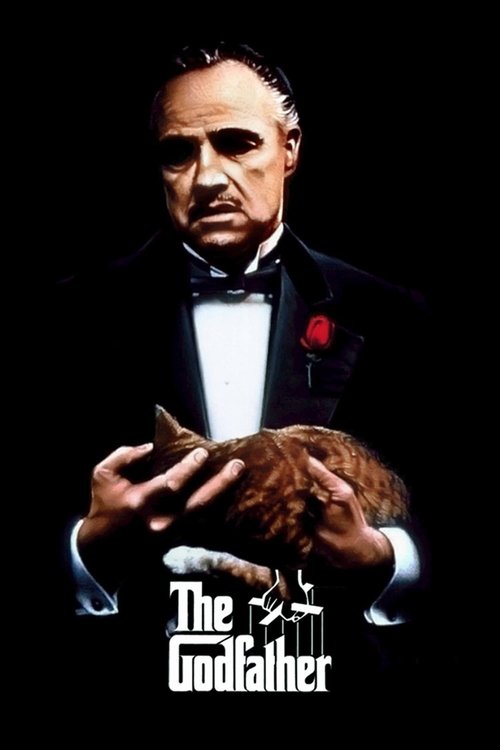
The Godfather1972
Coppola's Sicilian-American saga gives you the mafia's mythic, operatic side that Rosi refuses to indulge — good company if you want the same world dramatized rather than dissected.
But It's romantic and character-driven where Giuliano is deliberately anti-mythic — almost a rebuttal rather than a companion piece.
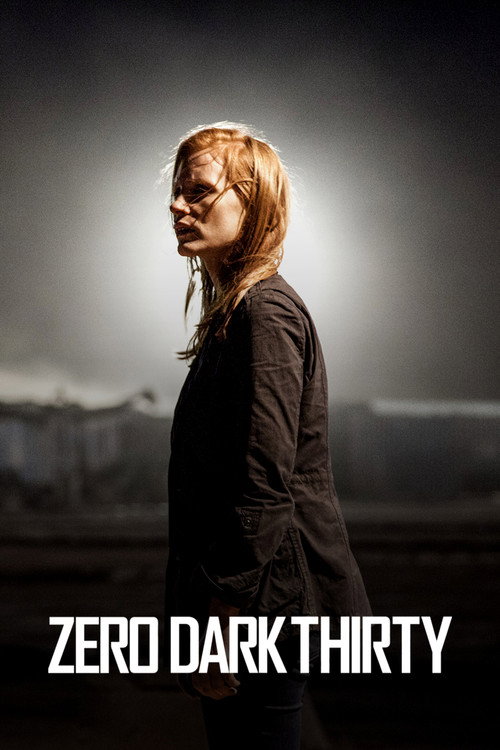
Zero Dark Thirty2012
Kathryn Bigelow's manhunt procedural shares Giuliano's cold, bureaucratic tension — the hunt for a famous, elusive man told through process rather than personality.
But It's a contemporary war-on-terror story with very different politics and pace — closer to thriller than historical inquest.
Hands Over the City1963no page yet
Rosi's own follow-up, with Rod Steiger as a developer navigating municipal corruption, extends the same clear-eyed anger at institutional power into peacetime politics.
But It's talkier and more explicitly didactic than Giuliano's fragmented mystery — closer to a political argument than a historical puzzle.
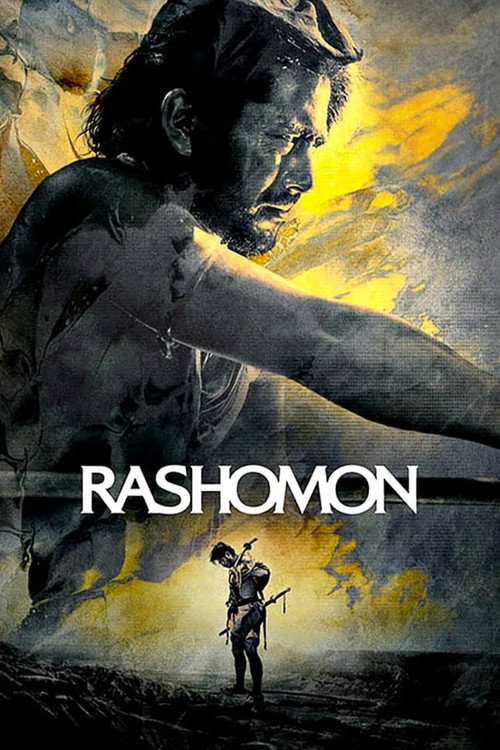
Rashomon1950
Giuliano borrows Rashomon's core structural idea — competing testimonies around one death — and scales it up from a personal crime to a national conspiracy.
Kurosawa's classic splits a single violent death into four irreconcilable accounts, inventing the modern grammar of "truth depends on who's telling it" that Rosi later applies to real history.
But It's a compact, almost theatrical morality tale set in feudal Japan — no political system to indict, just human vanity and fear.
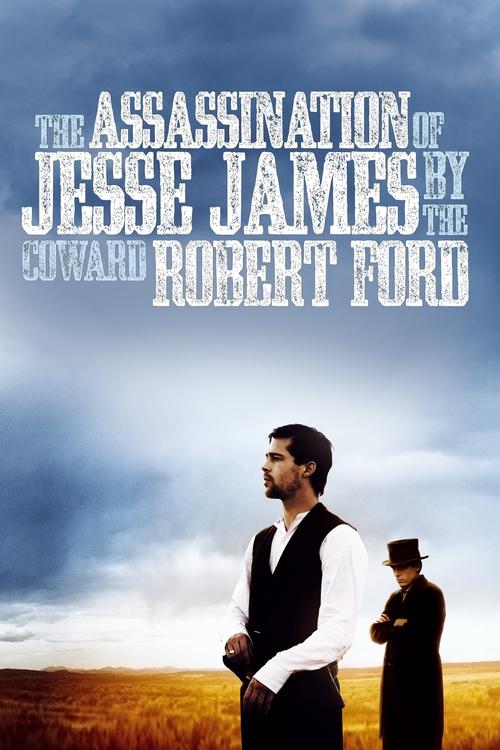
The Assassination of Jesse James by the Coward Robert Ford2007
Both dismantle a famous outlaw's legend by dwelling on the mechanics and betrayals of his death rather than his crimes — the bandit as a myth built and unbuilt in public.
Andrew Dominik's elegiac Western follows an outlaw whose legend outgrew the man, and the betrayal that ends him — the same slow disassembly of a folk hero that Rosi performs on Giuliano.
But It's meditative to the point of trance, gorgeously shot and almost entirely uninterested in politics — myth and melancholy over investigation.
People
Cast
 Salvo RandonePresident of Viterbo Assize Court
 Frank WolffGaspare Pisciotta
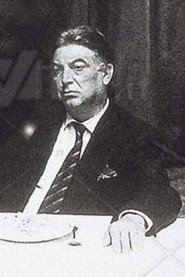 Pippo AgustaMinor Role (uncredited)
- Sennuccio BenelliReporter (uncredited)
- Giuseppe CalandraMinor Official (uncredited)
- Pietro CammarataSalvatore Giuliano (uncredited)
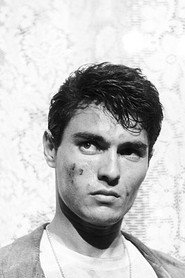 Max CartierFrancesco (uncredited)
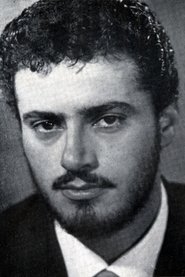 Nando CiceroBandit (uncredited)
- Pietro FranzoneSeparatist (uncredited)
- Giovanni GallinaBit Part (uncredited)
- Vincenzo NorveseBit Part (uncredited)
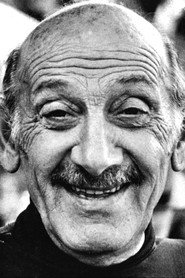 Renato PinciroliPinciroli (uncredited)
Directing
- Francesco RosiDirector
- Franco IndovinaFirst Assistant Director
- Nando CiceroFirst Assistant Director
- Roberto ParianteSecond Assistant Director
Writing
- Enzo ProvenzaleScreenplay
- Francesco RosiScreenplay
- Franco SolinasScreenplay
- Suso Cecchi d'AmicoScreenplay
- Enzo ProvenzaleStory
- Francesco RosiStory
- Franco SolinasStory
- Suso Cecchi d'AmicoStory
Production
- Enzo ProvenzaleLine Producer
- Franco CristaldiProducer
- Lamberto PippiaProduction Secretary
- Aldo PaceUnit Manager
- Bruno SassaroliUnit Manager
- Luciano CattaniaUnit Manager