
Film
The Four Days of Naples
A 1962 Italian neorealist film capturing the spontaneous uprising of Neapolitan civilians against Nazi occupation in September 1943. Shot with documentary urgency and populated by non-professionals, it's a raw, unglamorous portrait of ordinary people discovering unexpected resistance when surrender becomes survival. Essential for anyone interested in war cinema beyond the heroic.
If you liked this
Rome, Open City1945
Rossellini's foundational neorealist masterpiece about resistance in occupied Rome. If you loved Naples's unflinching portrayal of civilian courage under Nazi control, this is the film that invented that language.
But The print quality can be rough, and pacing meanders in ways modern audiences find testing. Some moments feel didactic rather than dramatically alive.
The Battle of Algiers1966
Another essential insurgency film: Pontecorvo's you-are-there docudrama about urban uprising against colonial occupation. Structurally brilliant, morally complex, and it shares Naples's commitment to showing resistance as collective rather than heroic.
But Deliberately ambiguous about whose side the camera takes. Some viewers find that moral uncertainty frustrating rather than clarifying.

Bicycle Thieves1948
De Sica's neorealist landmark. Where Naples shows collective uprising, this shows individual desperation—but both films trust non-professionals completely and find enormous humanity in ordinary people at the end of their rope.
But The plot is deceptively simple. If you want plot momentum or dramatic twists, you'll find it almost unbearably slow.

Not sure tonight? Get a pick in a minute, starting from The Four Days of Naples
The wildcard
Something you would not have found on your own.
The 400 Blows1959
Both films capture the moment when ordinary people—whether children or civilians—recognize they have nothing left to lose and act on it. The energy is similar; the stakes are scaled differently.
Truffaut's semi-autobiographical portrait of Parisian childhood. Like Naples, it's a film shot among non-professionals with documentary urgency, but here the uprising is internal—a child's rebellion against authority and institutions. Both capture collective energy suddenly released.
But A coming-of-age film, not a war film. If you're seeking historical action, you'll find instead a lyrical, intimate portrait of alienation. Pacing is unhurried.
More like this (7)
Germany, Year Zero1948
Rossellini again, this time Berlin 1945. Like Naples, it's a city under occupation seen through civilian eyes—but here the focus is childhood amid rubble. The moral complexity rivals anything in neorealist cinema.
But Genuinely bleak and the resolution is devastating. Not a film to watch if you need catharsis or redemption.
A Prophet2009
A modern heir to neorealism's DNA: ensemble cast, non-professional actors in key roles, ordinary people forced into extraordinary circumstances. The prison uprising parallels Naples's civilian resistance structurally.
But French prison drama set mostly indoors. If you want the historical specificity and street-level chaos of Naples, this is more intimate and claustrophobic.

Nights of Cabiria1957
Fellini shot in Rome with non-professionals, capturing post-war urban life with the same documentary eye Naples uses—but filtered through something more baroque and dreamlike. Proof neorealism could go many directions.
But Episodic and digressive. The tonal shifts from comedy to tragedy can feel jarring if you're looking for consistency.
La Haine1995
Mathieu Kassovitz's portrait of Paris youth under siege by police and circumstance. It updates the neorealist DNA—collective protagonist, class rage, social documentation—to contemporary urban marginalization.
But The violence is sudden and confrontational. Some viewers find the politics didactic or the nihilism overwhelming.

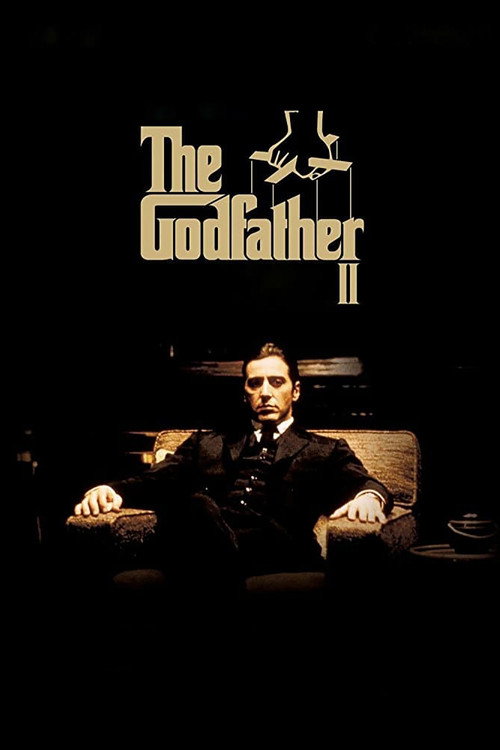
The Godfather Part II1974
Coppola intercuts 1950s Sicily with 1970s New York, and the Sicilian sequences capture postwar Italian village life with neorealist texture. It's where epic cinema touches the world Naples documents.
But Three hours, and you need to have seen the first film. The gangster mythology doesn't interest everyone, and some find the moral grandeur overwrought.
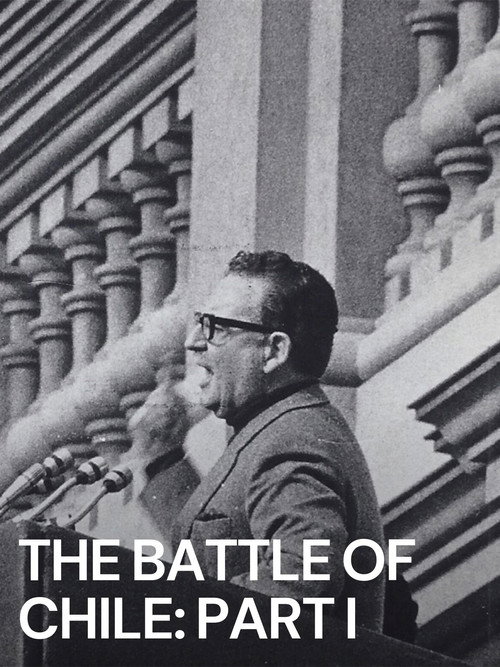
The Battle of Chile: Part I1975
Both treat uprising as process rather than drama. Both trust the camera to find meaning in chaos, not to impose it. Both centre collective action over individual heroism.
Patricio Guzmán's three-part documentary records the 1973 Chilean coup in real time. Like Naples, it's insurgency filmed as it happens, with non-professionals as the real protagonists. The urgency is identical; the medium is pure documentary.
But No traditional narrative or resolved conclusion. It's raw documentary footage assembled as events unfolded. Some find the fragmentation exhausting rather than clarifying.
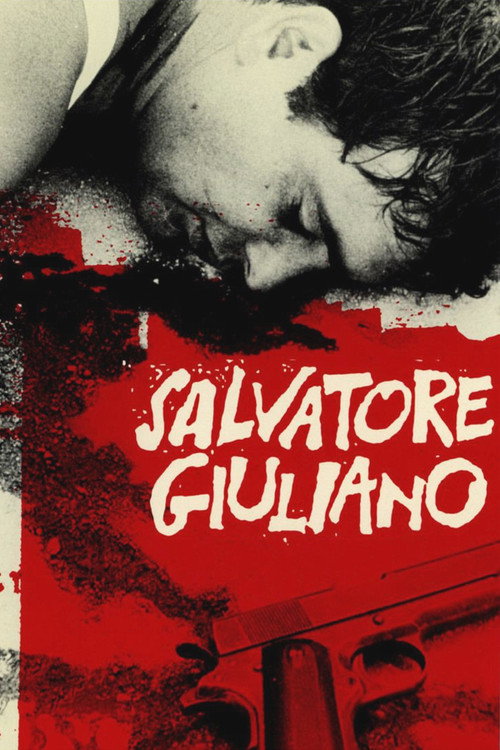
Salvatore Giuliano1962
Both films refuse to glorify resistance or rebellion. Both see violence as a language spoken by the dispossessed. Both are Sicilian/Southern Italian films made in the early 1960s, grappling with the same historical moment from different angles.
Rosi's film about the Sicilian bandit, made the same year as Naples. Structurally radical—it begins with Giuliano's death and works backward, told as testimonies and fragments. Like Naples, it's Italian cinema grappling with postwar violence and class justice.
But Fragmented, non-linear narrative. The bandit protagonist is treated with sympathy that borders on mythology, which some viewers resist. Deliberately austere in style.
People
Cast
 Lea MassariMaria
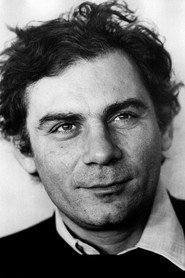 Gian Maria VolontéStimolo
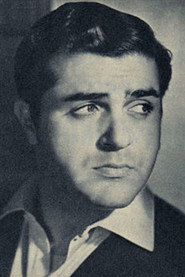 Aldo GiuffrèPitrella
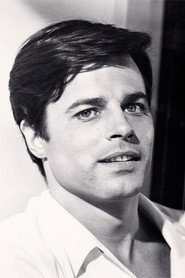 Jean SorelLivornese
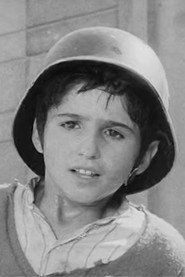 Domenico FormatoGennarino Capuozzo
 Regina BianchiConcetta Capuozzo
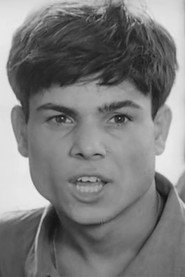 Raffaele BarbatoGiovanni Ajello
 Pupella MaggioArturo's Mother
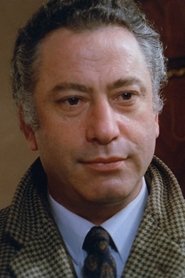 Frank WolffSalvatore
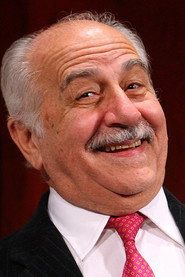 Luigi De FilippoCicillo
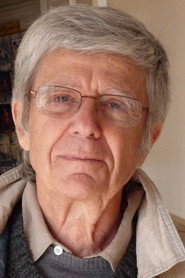 Charles BelmontSailor
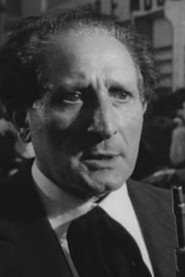 Franco SportelliProf. Rosati
Directing
- Carlo LastricatiCo-Director
- Nanni LoyDirector
- Giorgio GentiliFirst Assistant Director
Writing
- Carlo BernariScreenplay
- Massimo FranciosaScreenplay
- Nanni LoyScreenplay
- Pasquale Festa CampanileScreenplay
- Massimo FranciosaStory
- Nanni LoyStory
- Pasquale Festa CampanileStory
- Vasco PratoliniStory
Production
- Goffredo LombardoProducer
- Giuseppe BordogniProduction Coordinator
- Anna DaviniProduction Supervisor