
Film
Orfeu
A reimagining of the Orpheus myth set in Rio's favelas, where a samba composer's love for a mysterious woman draws him into conflict with a drug lord. Visually lush and rhythmically propulsive, it transforms ancient tragedy into something urgently contemporary, rooted in real neighborhood life and scored to infectious music. For anyone who wants myth that breathes.
If you liked this
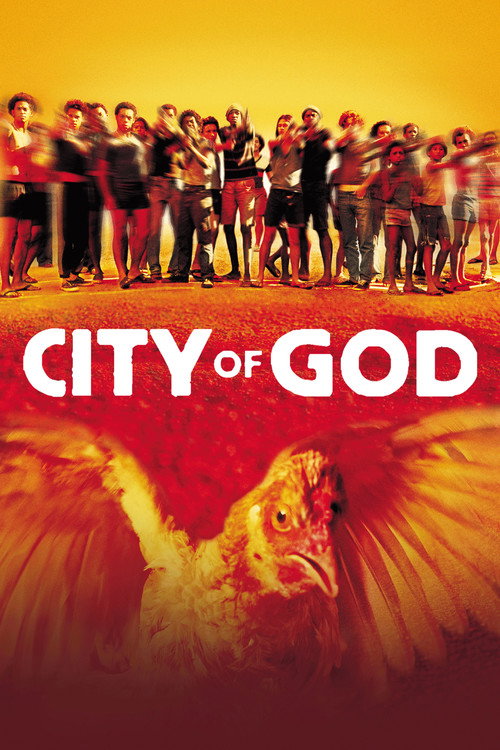
City of God2002
A masterpiece of the favela crime drama that came after Orfeu, with more explosive energy and a larger canvas. If you loved the neighborhood authenticity and visual style, this is essential.
But The violence is relentless and the narrative sprawls across decades; it demands attention and doesn't look away from brutality.
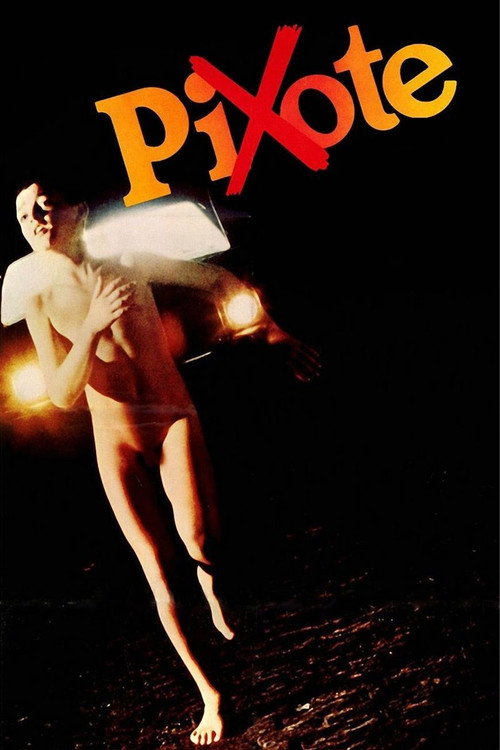
Pixote1980
A landmark Brazilian film about childhood and survival in the streets, with the same commitment to showing favela life with dignity and specificity. Devastating and necessary.
But Deeply bleak and difficult to watch. This is not escapism; it's a moral reckoning with street children and state violence.
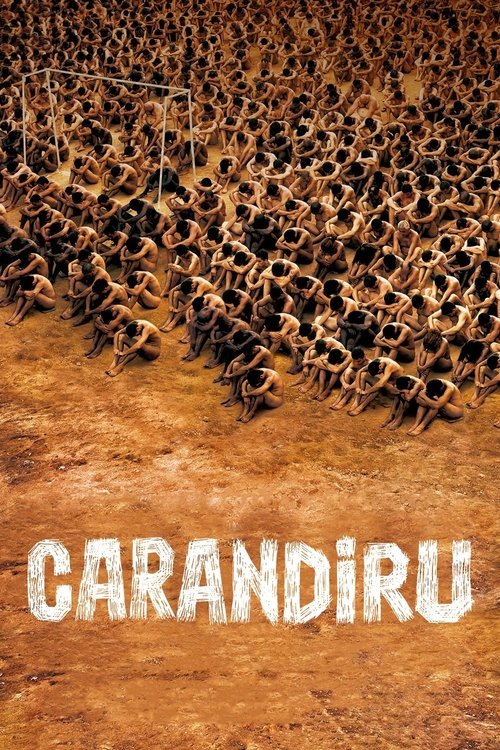
Carandiru2003
Set inside a Brazilian prison with overlapping stories and a visual style that finds humanity in darkness. Music and love exist here too, even in confinement.
But Overstuffed with narratives; some feel sketched rather than lived. The tone wavers between documentary and melodrama.
Not sure tonight? Get a pick in a minute, starting from Orfeu
The wildcard
Something you would not have found on your own.
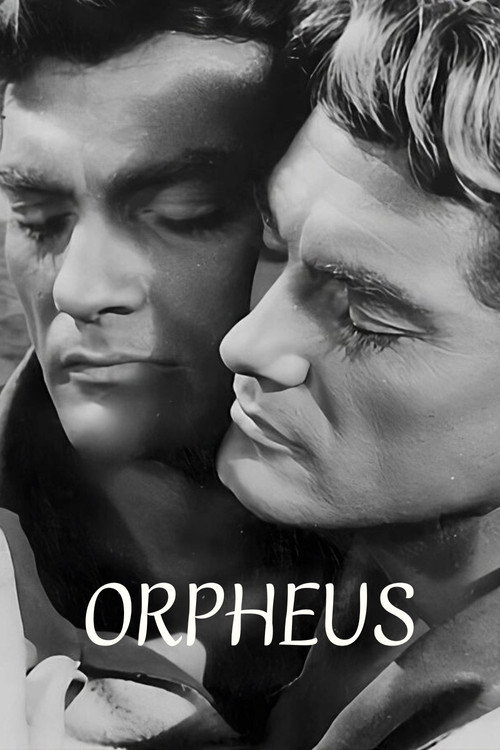
Orpheus1950
Same ancient story, radically different worlds. Orfeu grounds myth in the real; Cocteau dissolves it into dream. Together they show what Orpheus can contain.
Cocteau's surrealist riff on the Orpheus myth, set in 1950s Paris with poets and cars and mirrors. A completely different register—mannered, theatrical, hallucinatory—but the same skeleton: art, love, death, the underworld.
But Deliberately artificial and arch. If you want realism and social grounding, this floats in pure symbolism. Some find it pretentious.
More like this (5)
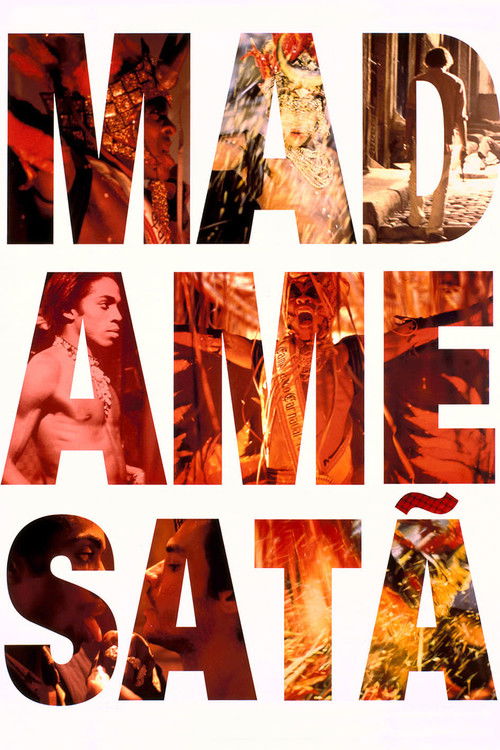
Madame Satã2002
A queer Brazilian musical-drama set in Rio's underground in the 1930s. Like Orfeu, it's about art and desire and survival in a place that wants to crush you.
But Deliberately theatrical and sometimes arch; not everyone wants their tragedy delivered with cabaret makeup and camp flourish.
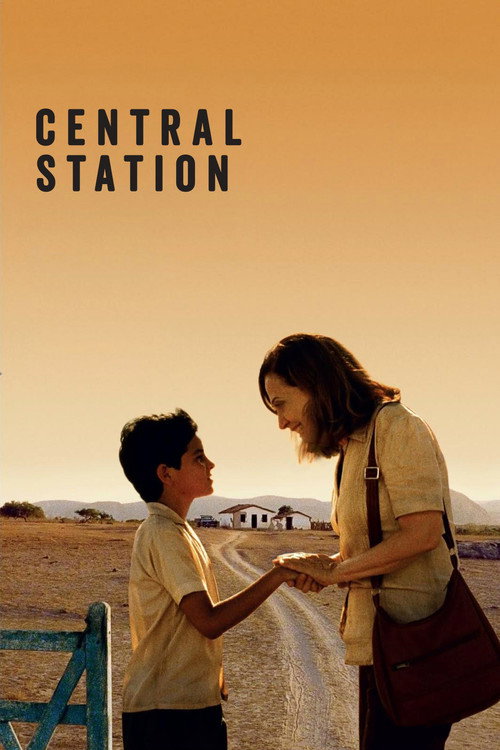
Central Station1998
A Brazilian film about connection and hope in an uncaring city. Made the same year as Orfeu, with a similar belief in the resilience of the poor.
But The sentimentality can tip into mawkishness; some find the redemptive arc too neat for the hardships shown.
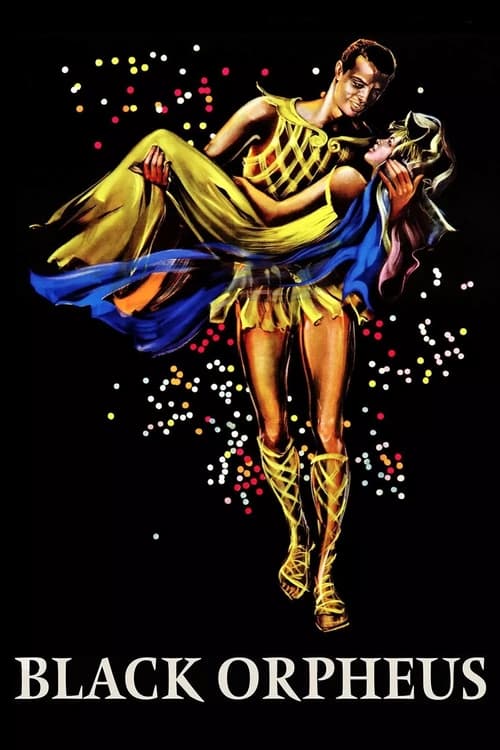
Black Orpheus1959
The original Orpheus myth transplanted to Rio, made by a French director. If you're curious about what Orfeu built on, this is where the conversation started.
But Dated in ways that matter—a white European's vision of Black Brazilian life. Beautiful but complicated to watch now.
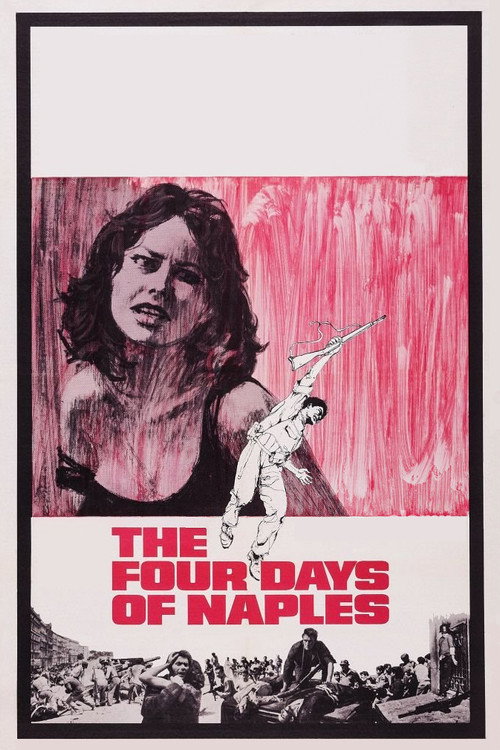
The Four Days of Naples1962
An Italian neorealist film about uprising and passion in a city under occupation. Same mythic ambition applied to a different tragedy, same faith in ordinary people's stories.
But Partisan and formally experimental; the politics are explicit and the narrative is fragmented. Not for viewers seeking conventional storytelling.
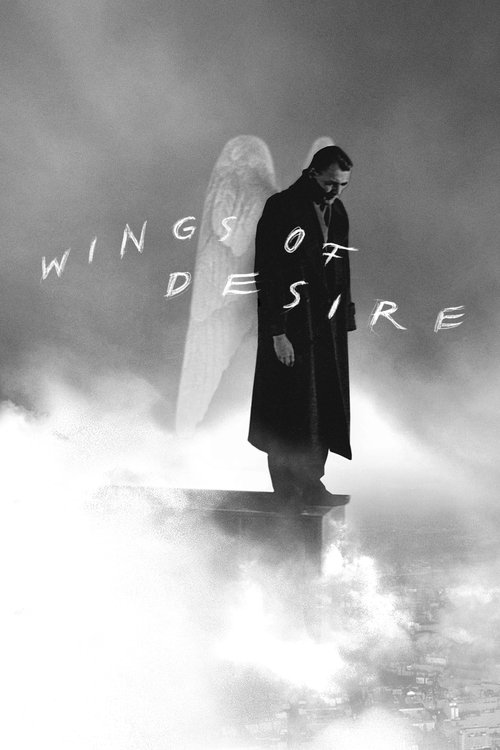
Wings of Desire1987
Both films treat a divided city—Orfeu's favela, Wenders' Cold War Berlin—as a stage where the sacred and the mortal collide. Both believe that love is an answer to violence.
Wim Wenders' masterpiece about angels observing Berlin, where love and art redeem a fractured world. Not Brazilian, not contemporary, but it shares Orfeu's conviction that beauty and desire matter most when everything else is broken.
But Glacially paced, deeply abstract, sometimes opaque. This is cinema for contemplation, not for following a plot. Requires surrender.
People
Cast
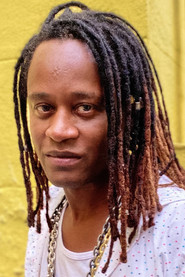 Toni GarridoOrfeu
 Patrícia FrançaEurídice
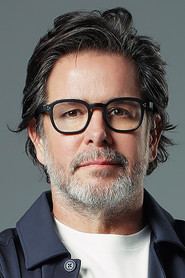 Murilo BenícioLucinho
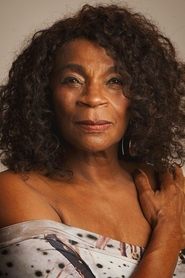 Zezé MottaConceição
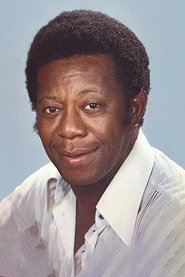 Milton GonçalvesInácio
 Isabel FillardisMira
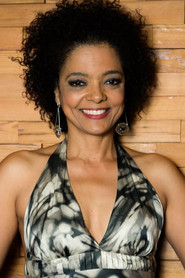 Maria CeiçaCarmen
 Stepan NercessianPacheco
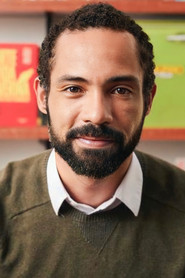 Sílvio GuindaneMaicol
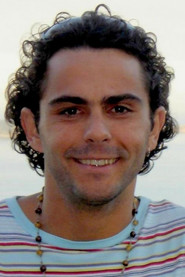 Lúcio AndreyPiaba
 Mary SheilaBe Happy
Directing
- Carlos DieguesDirector
Writing
- Vinicius de MoraesTheatre Play
- Carlos DieguesWriter
- Hamilton Vaz PereiraWriter
- Hermano ViannaWriter
- João Emanuel CarneiroWriter
- Paulo LinsWriter
Production
- Paula LavigneProducer
- Renata Almeida MagalhãesProducer