
Film
Ganga Zumba
Ganga Zumba traces the life of an escaped slave who built Quilombo dos Palmares, a legendary free settlement that resisted Portuguese colonial rule for decades. Shot in 1963, it's a sweeping historical drama about resistance, leadership, and the cost of freedom. Essential viewing for understanding Brazilian history and early cinema's rare depiction of Black rebellion.
If you liked this
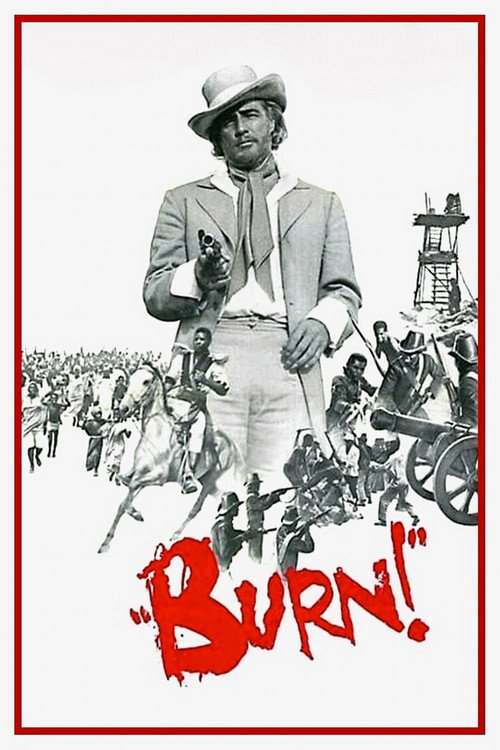
Burn!1969
Gillo Pontecorvo's incendiary film about colonialism and slave rebellion in the Caribbean. Marlon Brando plays an agent of empire, but the real protagonist is the enslaved uprising. Urgent, brutal, structurally brilliant.
But Pontecorvo's didacticism can feel heavy-handed, and Brando's presence sometimes overshadows the story you want to centre on the colonised.
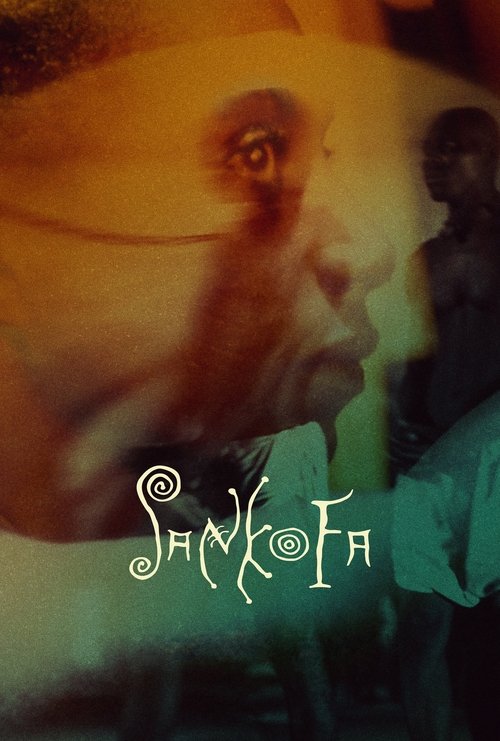
Sankofa1993
Haile Gerima's visionary film uses magical realism to connect a Black woman in the present to the Middle Passage and slavery's horrors. Formally daring, emotionally devastating, unapologetic in its politics and beauty.
But Non-linear structure demands active watching. The imagery is intentionally uncomfortable—it's meant to be. Some will find the pacing meditative; others will find it slow.
The Battle of Algiers1966
Pontecorvo again, but this time documenting urban insurgency against French colonialism with newsreel aesthetics and crystalline moral clarity. One of cinema's most influential political films, and it earns every moment of its power.
But Shot in black-and-white with a documentary style that can feel austere. The violence is presented unflinchingly. It will not comfort you.

Not sure tonight? Get a pick in a minute, starting from Ganga Zumba
More like this (5)
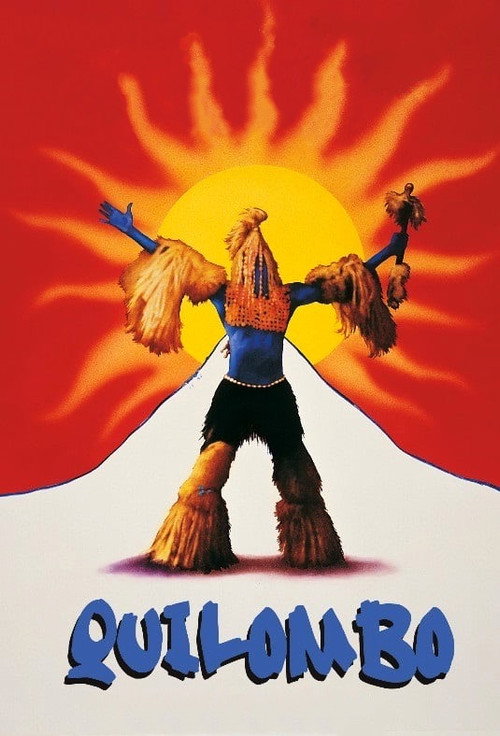
Quilombo1984
Carlos Diegues returns to the same historical period with more resources and a musical sensibility. Visually lavish, emotionally direct, it's a companion piece that shows how differently the same story can be told.
But The 1984 romanticism plays differently than 1963's urgency. Some will find it more accessible; purists may feel it softens the historical edges.
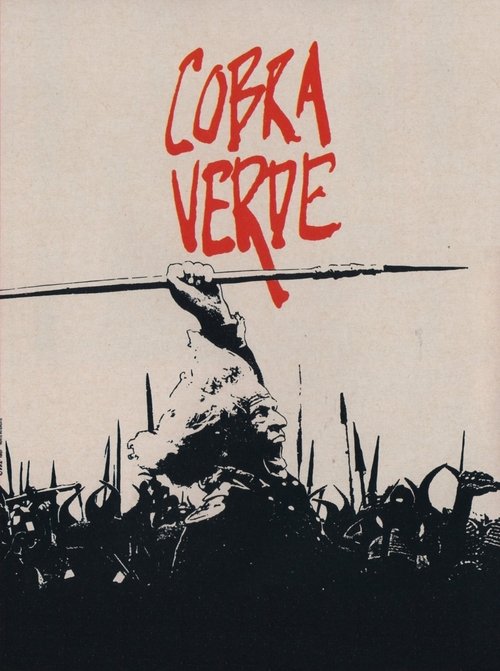
Cobra Verde1987
Werner Herzog's fever dream about a German adventurer in 19th-century Africa and Brazil, exploring colonialism through fever and obsession. Klaus Kinski is mesmerising. It's Herzog at his most baroque and morally uncertain.
But Herzog's style is wilfully bizarre and often infuriating. The film has no interest in plot clarity or conventional narrative satisfaction. It's a provocation, not a story.
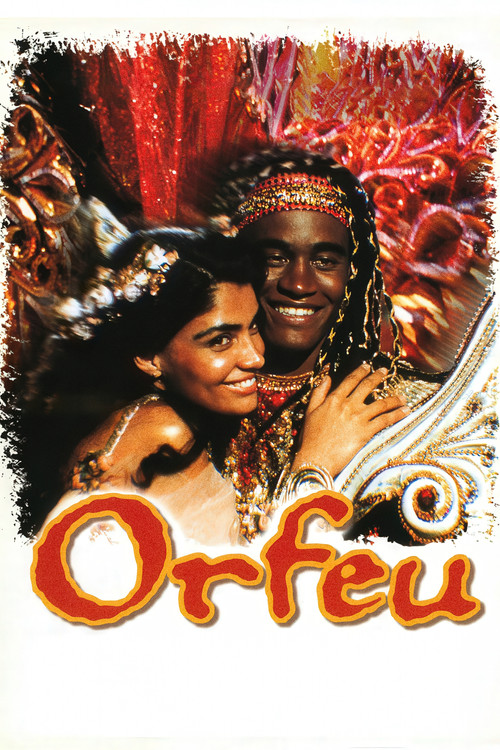
Orfeu1999
Cacá Diegues' retelling of Orpheus in contemporary Rio de Janeiro, with Black protagonists and a samba-soaked visual language. It connects classical myth to Brazilian culture with joy and sophistication.
But The musical numbers are extensive. Some viewers will feel transported; others will find the tonal shifts between drama and song awkward or distracting.
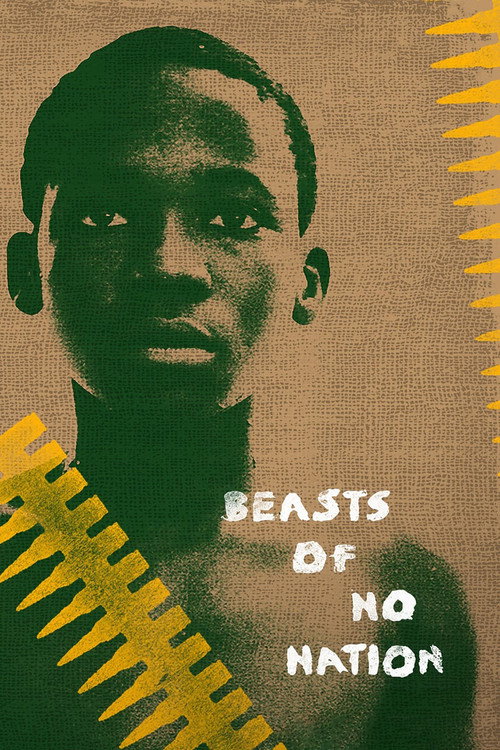
Beasts of No Nation2015
Cary Joji Fukunaga's unflinching portrait of child soldiers in West Africa. Idris Elba is terrifying and tragic. It refuses to look away from systemic cruelty and the humanity beneath it.
But Brutal and relentless. The violence against children is depicted clearly. It's a difficult watch that doesn't offer catharsis, only witness.
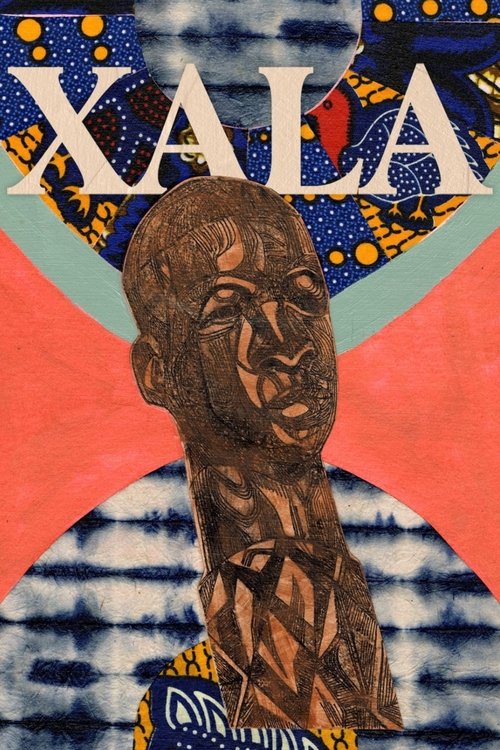
Xala1975
Ousmane Sembène's Senegalese masterpiece about a businessman cursed with impotence on his wedding night, a savage satire of post-colonial corruption. Funny, angry, formally inventive.
But The satire is sometimes oblique. Sembène assumes knowledge of Senegalese politics and culture. Viewers unfamiliar with post-colonial African history may miss layers.
People
Cast
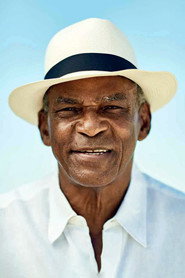 Antônio PitangaGanga Zumba / Antão
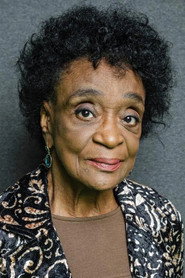 Léa GarciaCipriana
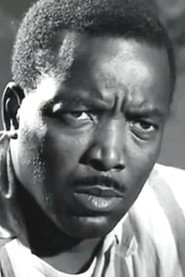 Eliezer GomesAnoroba
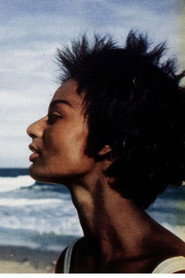 Luiza MaranhãoDandara
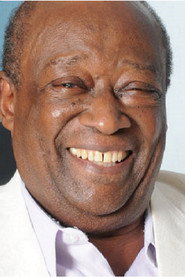
 CartolaSalustiano
 Tereza RachelSenhora Pieró
Directing
- Carlos DieguesDirector
Writing
- João Felício dos SantosNovel
- Carlos DieguesWriter
- Leopoldo SerranWriter
- Paulo Gil SoaresWriter
- Rubem Rocha FilhoWriter
Production
- Beto QuartinProducer
- Carlos DieguesProducer
- Jarbas BarbosaProducer
- Luiz Fernando GoulartProducer