
Film
Cobra Verde
Werner Herzog's fever dream of a film: Klaus Kinski as a 19th-century Brazilian bandit exiled to West Africa, where he builds an army in an abandoned fortress. It's gorgeously shot, morally murky, and deeply strange—Herzog and Kinski at their most uncompromising. For those who want cinema that feels dangerous.
If you liked this
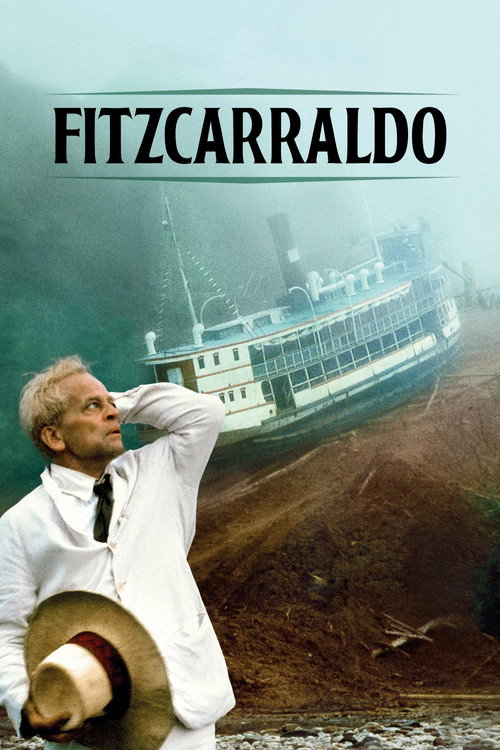
Fitzcarraldo1982
Another Herzog-Kinski collaboration about obsession and impossible conquest in South America. Kinski's manic energy and Herzog's grandiose vision create something that feels genuinely unhinged and unforgettable.
But It's slow, meditative, and refuses conventional narrative satisfaction. The real story—getting a ship over a mountain—matters less than the fever of the attempt.
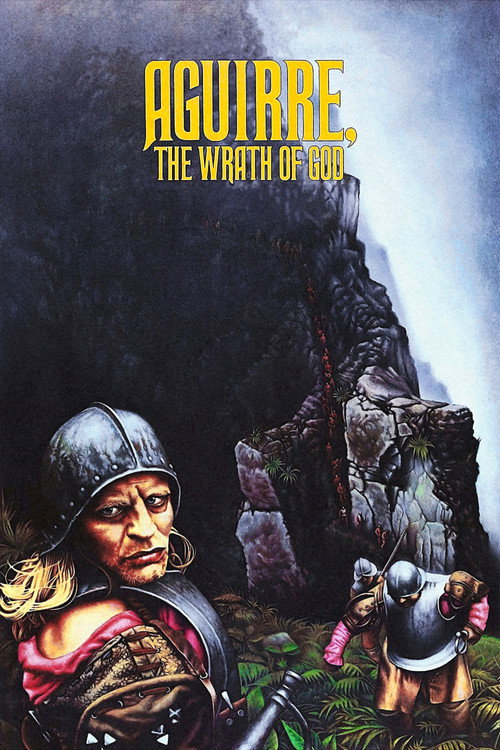
Aguirre, the Wrath of God1972
Herzog's masterpiece with Kinski as a Spanish conquistador descending into madness in the Amazon. If you loved Cobra Verde's blend of historical ambition and psychological collapse, this is essential.
But It's hypnotic but bleak, with almost no dialogue and a rhythm that prioritizes atmosphere over plot momentum. Not everyone finds that meditative.
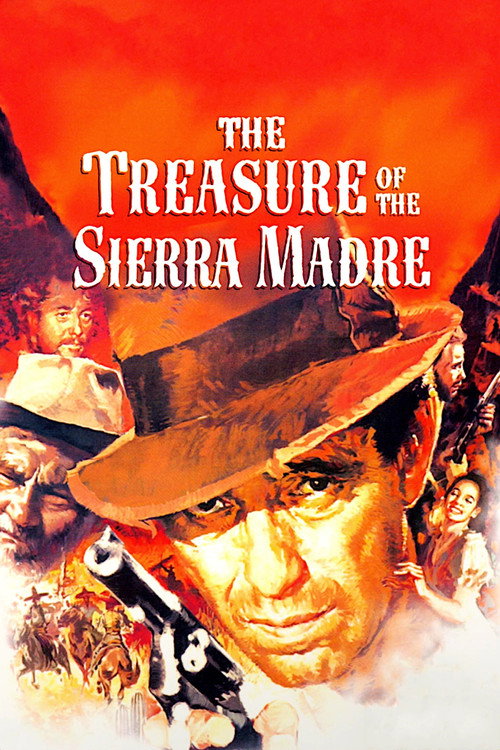
The Treasure of the Sierra Madre1948
Gold prospectors in Mexico, greed corroding fellowship, and Humphrey Bogart descending into paranoia. It shares Cobra Verde's interest in how power and isolation warp men into something unrecognizable.
But It's a 1940s Hollywood film, so it moves differently—more naturalistic, less baroque. You won't get Herzog's visual excess.
Not sure tonight? Get a pick in a minute, starting from Cobra Verde
The wildcard
Something you would not have found on your own.
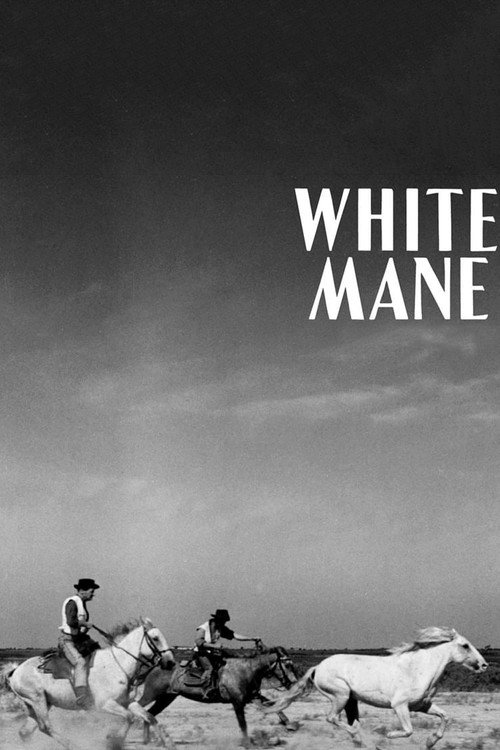
White Mane1953
Both films are about domination and wildness—the attempt to train the untameable. But where Herzog's film is baroque and violent, Vigo's is gentle and elegiac. Same engine, opposite register.
A French children's film about a wild white horse and a boy in the Camargue marshlands. It's lyrical, strange, and formally daring in ways most adventure films aren't.
But It's quiet and European, with a sensibility that prioritizes poetry over plot. It can feel slow to viewers trained on Hollywood pacing.
More like this (8)
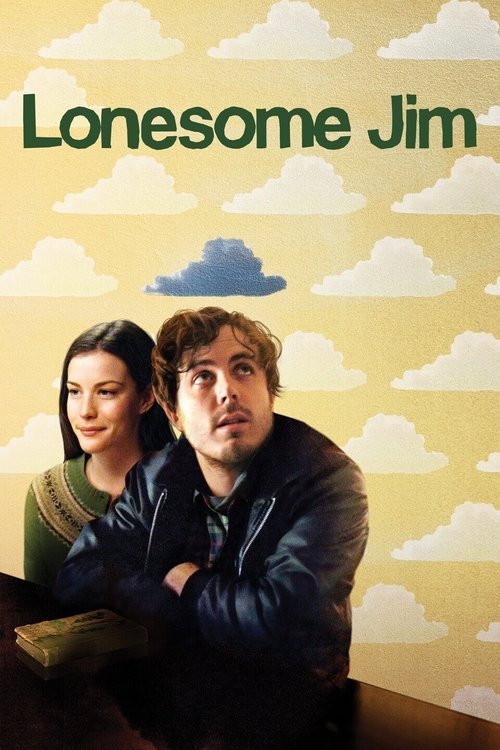
Lonesome Jim2005
Steve Buscemi's portrait of a drifter returning to his Midwestern hometown, full of aimless menace and unresolved violence. A quieter version of the same moral entropy that drives Cobra Verde.
But It's deliberately unglamorous and static. The lack of movement or resolution frustrates people expecting conventional catharsis.
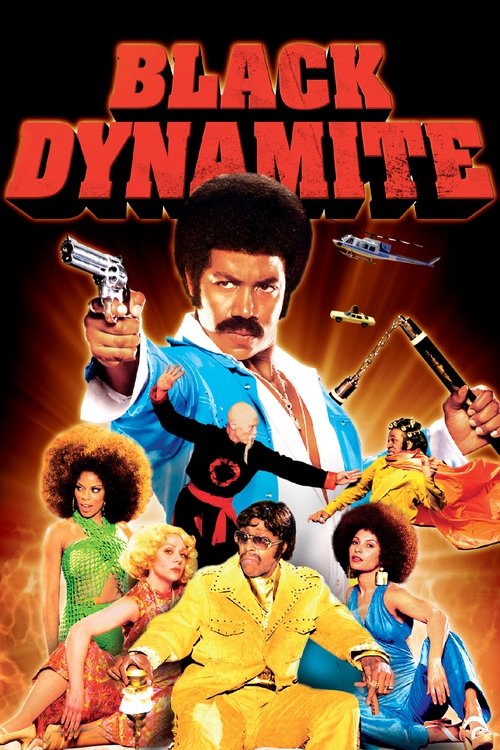
Black Dynamite2009
A formally audacious pastiche of blaxploitation cinema, with a genuine aesthetic intelligence beneath the parody. Like Cobra Verde, it's a film obsessed with how violence and spectacle create mythology.
But The humour is very specific and the tone shifts aggressively. If you're watching for straightforward entertainment, you'll feel at sea.
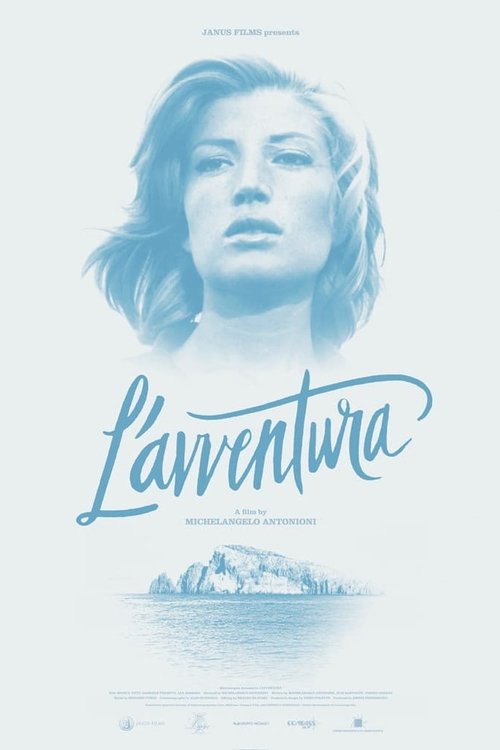
L'Avventura1960
Antonioni's masterwork about aimlessness and moral emptiness among the wealthy. Not an adventure film despite the title—more a meditation on how little really matters to people who have everything.
But Three hours of beautiful, glacial pacing about characters doing almost nothing. It requires patience that feels almost hostile to the viewer.
The Holy Mountain1973
Jodorowsky's maximalist surrealist odyssey, packed with provocative imagery and genuinely mystical ambition. Another film where narrative serves atmosphere rather than plot, and visual language overrides dialogue.
But It's deeply strange, sometimes offensive, and approaches incoherence. You have to surrender to it or it'll lose you completely.

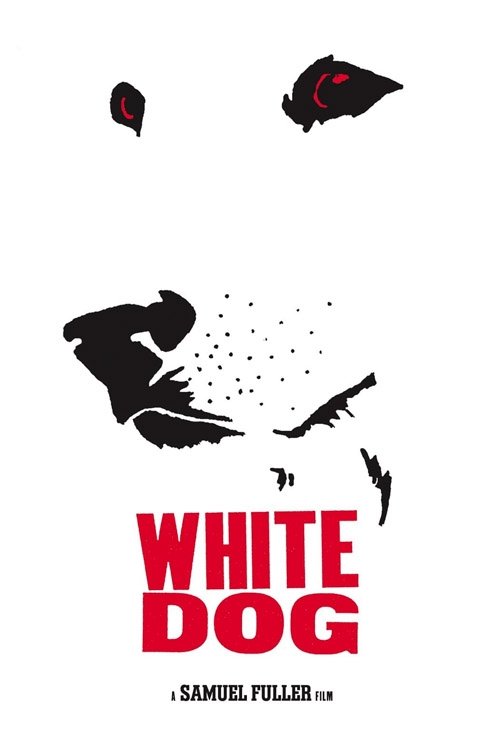
White Dog1982
A racial allegory disguised as a thriller about training a dog that's been conditioned to attack Black people. Samuel Fuller's directness and moral clarity cut differently than Herzog, but the stakes feel equally serious.
But It's blunt to the point of discomfort, and the premise itself feels explosive. Some viewers find the allegory oversimplified.
Stalker1979
Tarkovsky's metaphysical journey toward a room that grants wishes. Like Cobra Verde, it's about obsession pulling men forward into uncertainty, but rendered in geometric slow-motion rather than baroque chaos.
But 163 minutes of a man walking through corridors. If you can't sit with images longer than they seem to demand, this will exhaust you.

La Haine1995
Both are films about men at the margins creating their own codes and armies—micro-societies built on honor and survival. La Haine does it in three hours in a European city; Cobra Verde does it across an ocean in a fortress. Different settings, same social grammar.
Mathieu Kassovitz's masterpiece about three young men in the Paris banlieues, shot in stark black-and-white. It's visually extraordinary, morally uncompromising, and builds toward violence without ever becoming conventional.
But It's aggressively formal and French, and the political context may feel distant if you're not attuned to postcolonial urban rage. The ending is devastating in ways some find punitive.

Come and See1985
Both feature men building armies and encountering savagery they can't control. But where Cobra Verde is exoticized and mythologized, Come and See strips away all romance from violence and conquest. They're the same story told in opposite tones—one baroque, one pitiless.
A Soviet film about a boy and an old man in WWII Belarus. It's visually devastating, morally serious, and one of cinema's great anti-war statements. Formally radical and genuinely difficult.
But It's bleak to the point of nihilism and includes imagery of real violence and suffering. Difficult to watch and harder to shake. Not an evening, a reckoning.

People
Cast
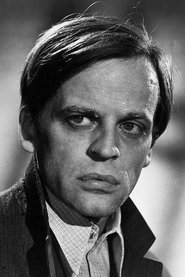 Klaus KinskiFrancisco Manoel da Silva aka Cobra Verde
 King AmpawTaparica
 José LewgoyDon Octavio Coutinho
 Salvatore BasileCaptain Fraternidade
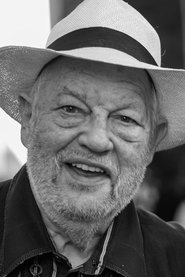 Peter BerlingBernabé
- Guillermo CoronelEuclides
- Nana Agyefi Kwame IIBossa Ahadee
- Nana Fedu AbodoYovogan
- Kofi YerenkyiBakoko
- Kwesi FaseKankpe
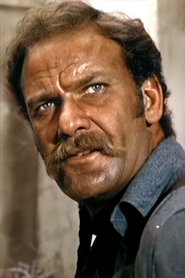 Benito StefanelliPedro Vicente
- Cego OliveiraHimself
Directing
- Werner HerzogDirector
Writing
- Bruce ChatwinNovel
- Werner HerzogScreenplay
Production
- Walter SaxerExecutive Producer
- Francis AnnanProducer
- George SmithProducer
- Kofi BryanProducer
- Kofi YerenkyiProducer
- Lucki StipetićProducer
- Salvatore BasileProducer
- Walter SaxerProducer