
Film
White Mane
A 1953 French masterpiece about a young fisherman who befriends a wild stallion in the Camargue marshes. Albert Lamorisse creates something quietly luminous: a film about freedom, connection, and the quiet devastation of growing up. It's meditative and deeply felt, made for anyone who's ever felt kinship with something untamed.
If you liked this
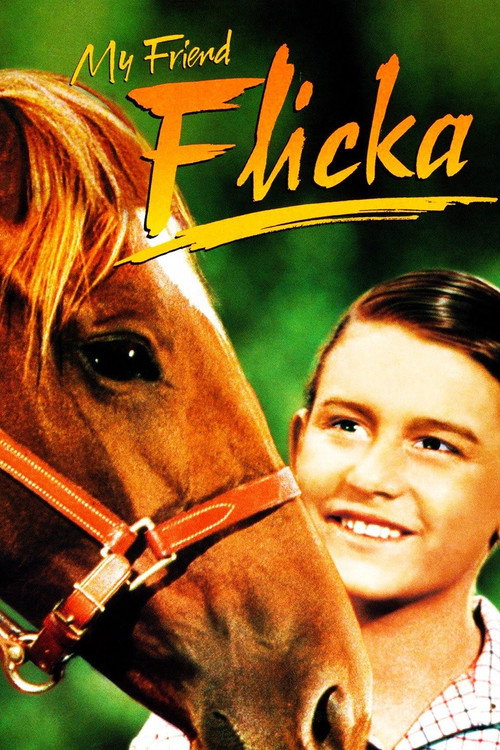
My Friend Flicka1943
A tender story of a boy and his horse in the American West. Like White Mane, it captures the profound bond between child and animal, and the bittersweet knowledge that some things can't be held.
But The Technicolor comes with a gentleness that can feel slow; some find the pacing placid rather than meditative.
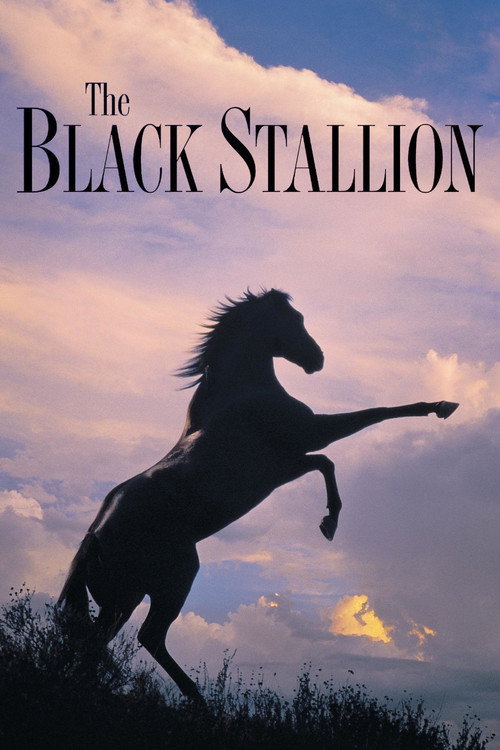
The Black Stallion1979
Another boy-and-wild-horse fable, but this one builds to adventure and triumph. It has White Mane's magic but adds forward momentum and genuine stakes, making it feel earned when the bond deepens.
But It's more conventional Hollywood storytelling. If you prize ambiguity and restraint over narrative satisfaction, it might feel safe.
Kes1970
A working-class boy finds freedom and purpose training a hawk. Like White Mane, it's about a young person discovering dignity through connection with something wild—and about the world's cruelty to both.
But It's grittier and bleaker than White Mane, set in industrial England. The ending carries real devastation; some find it punishing.

Not sure tonight? Get a pick in a minute, starting from White Mane
The wildcard
Something you would not have found on your own.
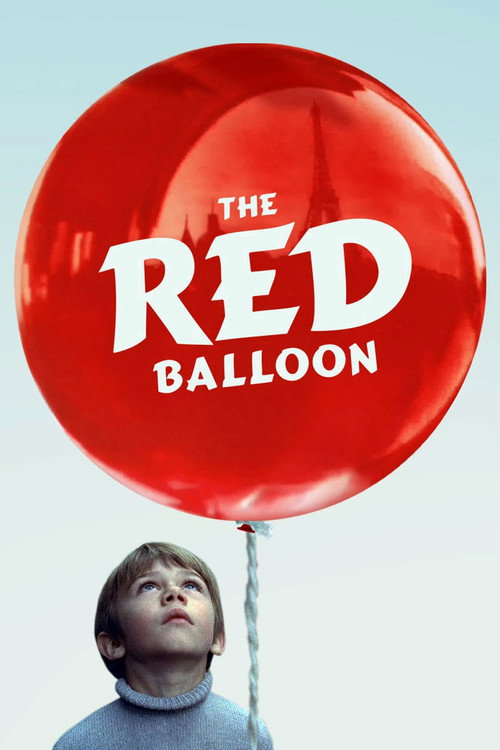
The Red Balloon1956
Same director, same poetic sensibility—Lamorisse made his masterpieces about children and the untamed things they love before the world closes in.
Albert Lamorisse's follow-up to White Mane: a boy and a magical balloon drift through Paris in poetry rather than plot. It has the same director's gift for finding the luminous in the ordinary, and the same heartbreaking sense of childhood as a brief, doomed grace.
But It's only 34 minutes and built almost entirely on wordless imagery and mood. Some find it overly precious; patience with visual storytelling is not optional.
More like this (8)
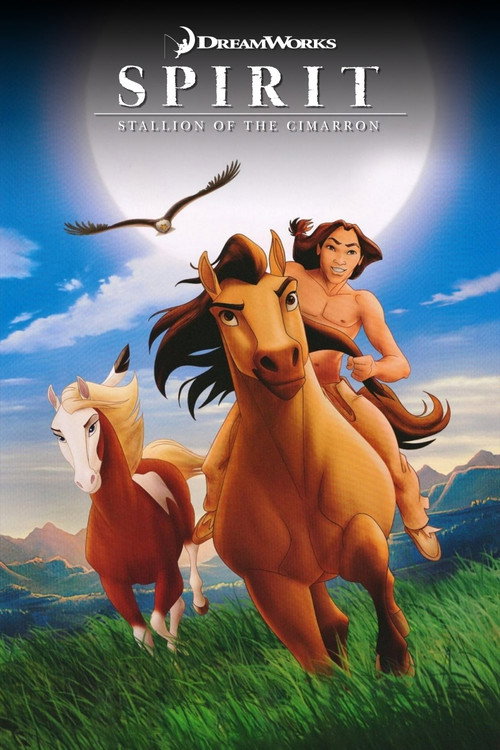
Spirit: Stallion of the Cimarron2002
An animated film about a wild mustang's refusal to be broken, with genuine heart beneath the adventure-film scaffolding. It understands what White Mane knows: the horse's perspective matters.
But It's a children's film, and sometimes leans into sentiment rather than the haunting quiet that makes White Mane linger.
Benji1974
A stray dog becomes a child's protector. It has White Mane's faith in the purity of animal-human connection and the same generous belief in the goodness of simple bonds.
But It's more cheerful than meditative, built on adventure rather than contemplation. The sensibility is fundamentally sunnier.

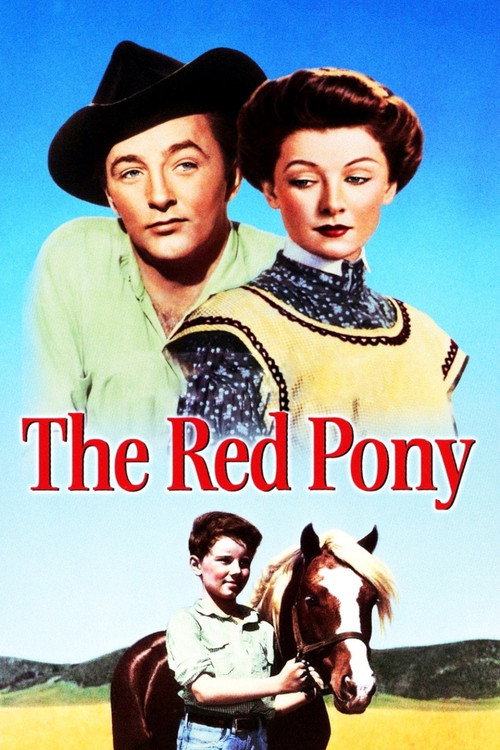
The Red Pony1949
Steinbeck's novella adapted with real care: a boy's horse dies, and the film unflinching watches him learn what loss teaches. It matches White Mane's poetic sadness and refusal to sentimentalize pain.
But The film is obscure and rarely seen. It moves slowly, and the grief is patient and unresolved in ways that can feel incomplete.
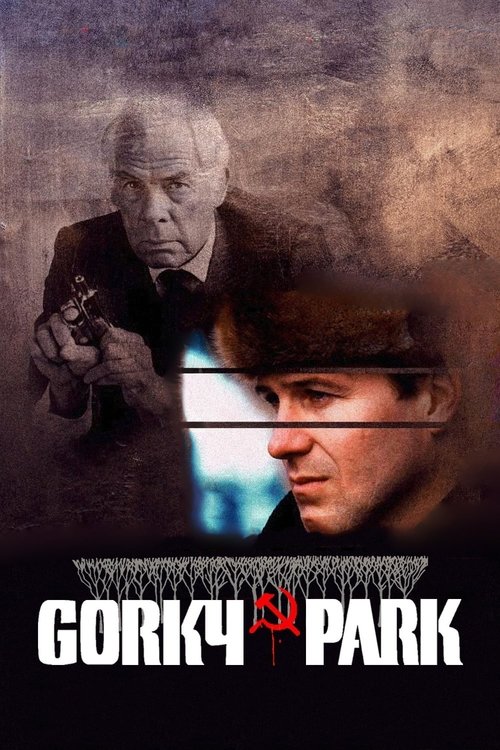
Gorky Park1983
A detective story that builds toward a meditation on freedom and choice. Like White Mane, it asks what it costs to remain untamed, and whether survival matters if spirit breaks.
But It's a thriller first, philosophy second. If you want purity of mood over plot momentum, the genre machinery will feel distracting.
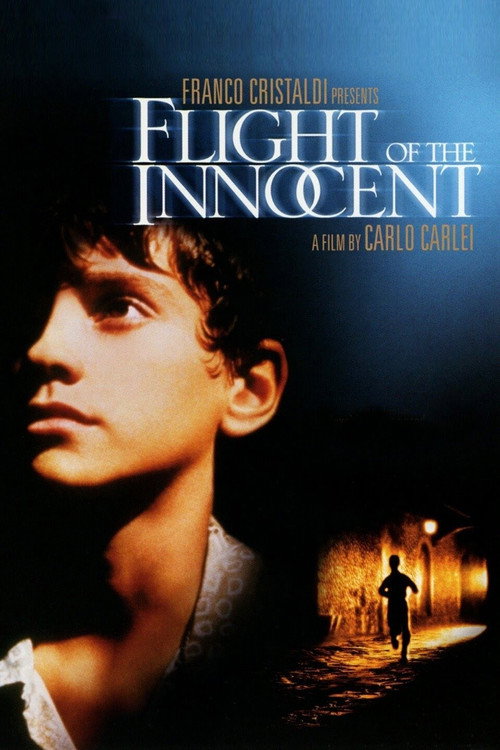
Flight of the Innocent1992
Two children flee into the Italian landscape and must survive together. It shares White Mane's sense of nature as sanctuary and witness, and the same elegiac quality about youth losing its refuge.
But It's harder to find and carries violence that White Mane's Camargue keeps at a remove. The tone shifts between tenderness and real threat.
A Boy and His Dog1975
A post-apocalyptic boy-and-dog survival story that feels nothing like White Mane until suddenly it does: a meditation on loyalty, autonomy, and what we demand from those who depend on us.
But It's weird, sometimes grotesque, and deliberately challenging to watch. Not everyone wants their boy-and-animal story turned inside out.

The Night of the Hunter1955
Both films trust children to witness the world's complications. Both use natural landscape as moral sanctuary and witness. Opposites in mood but twins in their understanding of youth.
Charles Laughton's only directorial film: a fever dream about two children fleeing downriver from evil. It has White Mane's refusal to talk down to young viewers, the same landscape-as-character sense, and matching visual poetry—but it's expressionist nightmare rather than pastoral elegy.
But It's visually jarring, psychologically dark, and occasionally grotesque. Some disturbing images lodge in memory; it's not gentle.

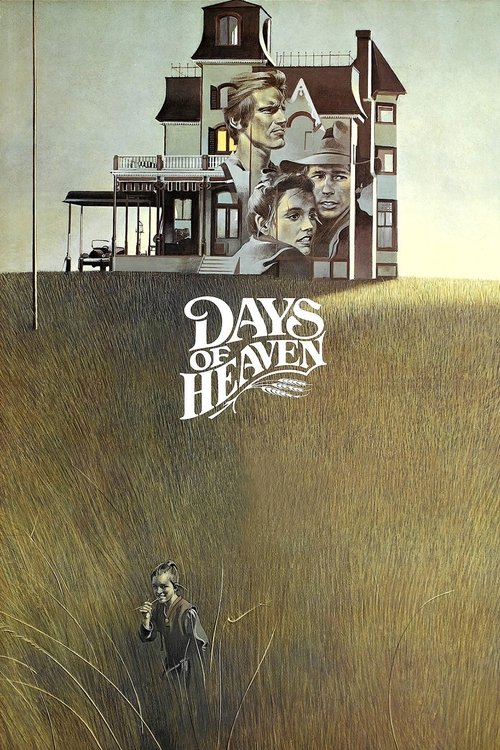
Days of Heaven1978
Both films see childhood and poverty not as subjects for social realism but as occasions for visual poetry. Both trust landscape and performance over explanation.
Terrence Malick's film about young migrant workers in Texas wheat fields, narrated by a child. It's painterly and elegiac like White Mane, built on the same faith that visual beauty can hold emotional truth, and that simple lives contain everything.
But Malick's style requires patience with abstraction over plot. Some audiences find the philosophy-through-landscape approach impenetrable or self-indulgent.
People
Cast
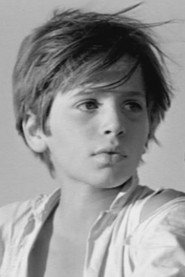 Alain EmeryFolco, the Fisher-Boy
- Laurent RocheFolco's Grandfather
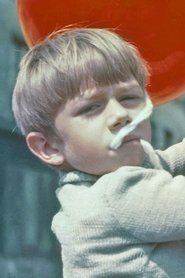 Pascal LamorisseFolco's Younger Brother
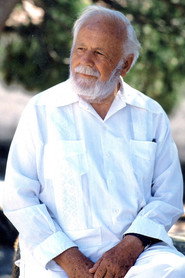 Denys Colomb de DaunantHorse Breeder
- Jean-Pierre GrenierNarrator (voice)
Directing
- Albert LamorisseDirector
Writing
- Denys Colomb de DaunantAdaptation
- Albert LamorisseWriter
Production
- Albert LamorisseProducer